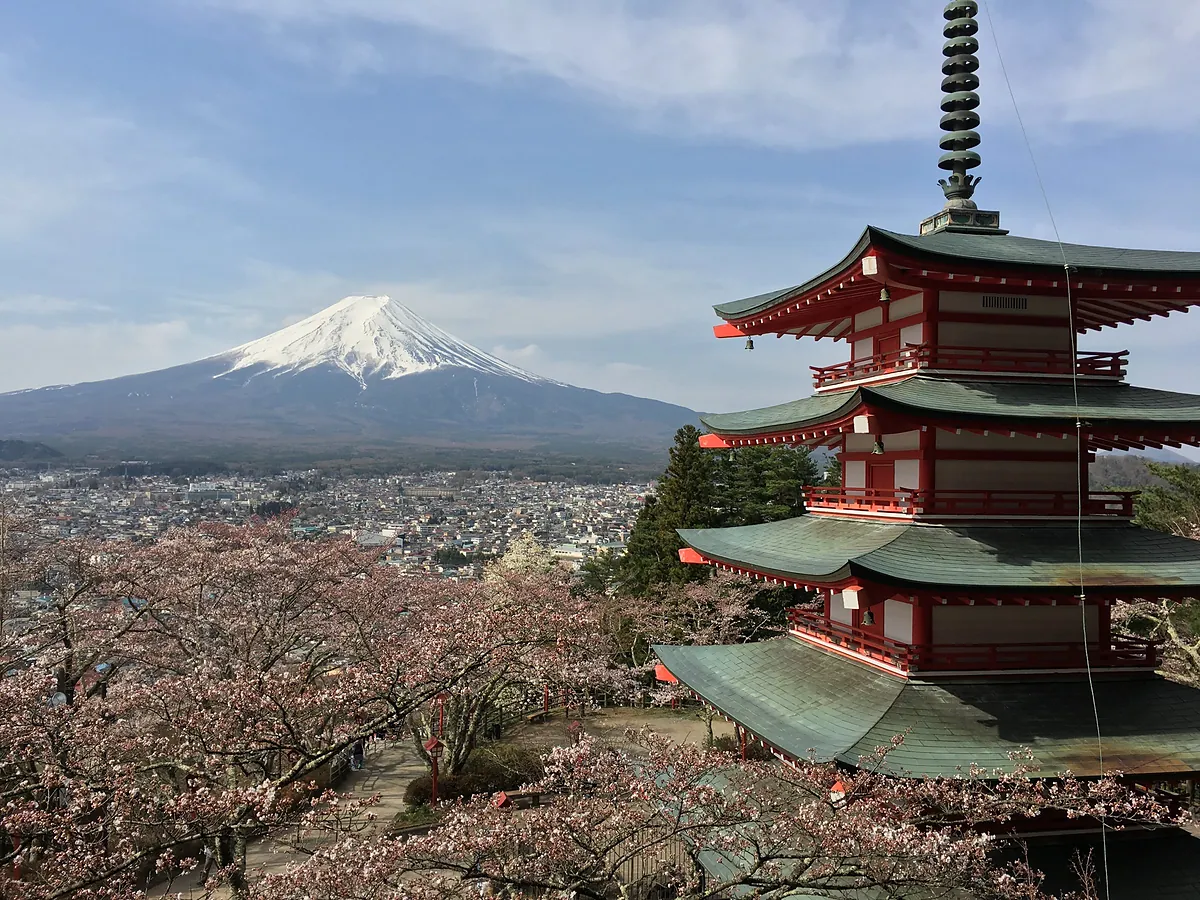
Japan · Planning · 2026
The best time to visit Japan , month by month, in 2026
Cherry blossom from late March, peak maples through the middle of November, powder in Niseko from Christmas to the end of February. This is the whole Japanese travel year in one place, with the climate tables, festival dates, ticket windows and booking lead times I use to plan my own trips.
By Jack Williamson, Luxury Travel EditorPublished 26 July 2026Updated 4 September 202628 minutes
The quick answer
The two best windows are 24 March to 5 April for cherry blossom and 10 to 25 November for peak autumn colour. Both need eight to twelve months of hotel lead time and both cost fifty to one hundred percent more than the same rooms in January.
If you can travel outside those weeks, mid May and mid October give you almost identical weather, far fewer people and normal rates. Avoid Golden Week at the end of April, avoid the second week of August in the cities, and treat September in Kyushu and Okinawa as a typhoon gamble.
Skiers want mid January to mid February in Hokkaido. Okinawa swims comfortably from late April to late October. Everything below is broken down region by region.
We may earn a commission when you use our links, at no extra cost to you. How rankings and funding work.
The Japanese year at a glance
Daytime high, celsiusTemperatures are Tokyo daily highs. The demand banding reflects luxury hotel pricing rather than weather, which is why February reads busy on the back of Hokkaido powder and June reads quiet despite being one of the loveliest months in the temple gardens.
My verdict. Book April or November if the photographs matter most. Book May or October if the trip matters more than the photographs.
Japan, month by month
January. New Year shuts family run restaurants and floods the shrines for the first three days, then Tokyo empties in a way it never does otherwise. It is also the opening of the Niseko powder season. Four nights in the capital followed by a week on the snow is the most peaceful shape a Japanese winter trip can take, and January rates on the Honshu side are the lowest of the year.
February. The coldest month nationally and also the driest and sharpest for photography. Snow monkey season peaks at Jigokudani, the Sapporo Snow Festival fills Hokkaido in the first week, and plum blossom opens around Kitano Tenmangu in Kyoto a fortnight before the cherry crowds arrive. This is the correct month for an onsen ryokan.
March. The month of anticipation. Kyoto and Tokyo reach fourteen degrees by mid month and the first cherry buds open in the last week. The 2026 Japan Meteorological Corporation forecast puts the Tokyo opening bloom around 21 March with Kyoto four days behind. Hotel prices step up sharply from 20 March.
April. Sakura peak, and the single most demanded fortnight on the Japanese hotel calendar. Serious properties sell out eight to twelve months ahead and charge fifty to one hundred percent above January. Golden Week begins on 29 April and closes the month with domestic travel at full volume. See my Kyoto hotel guide for the properties that actually hold their standards in blossom week.
May. The best value month in the Japanese year once Golden Week has passed. Twenty three degrees in Kyoto, deep green hillsides around Arashiyama and Nikko, and rates back to normal from 8 May onwards.
June. Tsuyu, the rainy season, arrives in the second week and runs into mid July. It is not the washout people expect. Rain falls in defined blocks, hydrangea covers Hakone and Kamakura, temple moss is at its best and luxury rates drop thirty to forty percent. Hokkaido misses tsuyu entirely.
July. The rains end around 20 July and full summer arrives immediately behind them. Gion Matsuri runs all month in Kyoto with the main parade on 17 July, and the Sumida River fireworks close the month in Tokyo. Thirty degrees with high humidity means early starts and coastal onsen rather than temple marathons.
August. The hottest, most humid and most festive month. Aomori Nebuta from 2 to 7 August, Sendai Tanabata from 6 to 8 August, Awa Odori in Tokushima from 12 to 15 August and Gozan Okuribi in Kyoto on 16 August. Obon week in the middle of the month books out domestic transport. Hokkaido stays a workable twenty four to twenty six degrees.
September. Typhoon risk peaks between 5 September and 10 October, with real disruption potential in Okinawa, Kyushu and the Kii Peninsula. Central Honshu is mostly spared. Humidity falls through the month and Hokkaido's uni and hairy crab season begins.
October. The undervalued autumn month. First colour in Hokkaido and the Japanese Alps from 5 October, twenty two degrees across Honshu and international crowds still thin. Nikko peaks around 20 October and the front reaches the Kyoto hills in the final week.
November. Peak koyo. Nikko early, Hakone mid month, Eikando and Tofukuji in Kyoto through the last ten days. Rates match April and hotels sell out eight months ahead. Autumn tends to reward the returning traveller more than spring does, because the colour lasts longer and the walking weather is better.
December. Colour holds in central Kyoto until about 5 December and the temple illumination programmes run through the month. Snow reaches Niseko around 20 December and Christmas week is the second most expensive ski booking window of the year after New Year. Tokyo hotels, including several in my Tokyo hotel guide, discount the week between 20 and 28 December.
Five regions compared, month by month
Japan spans three thousand kilometres from the sub arctic to the subtropics, so a national average is useless. Each cell reads daily high and daily low in celsius, then average monthly rainfall. Sunrise and sunset are Tokyo times on the fifteenth of the month.
Read the extremes. Sapporo in January sits below freezing all day. Naha in January is nineteen degrees and swimmable by late April. Nagoya is the hottest of the big cities in August and the one I would skip in high summer.
| Month | Tokyo | Kyoto | Sapporo | Naha | Nagoya | Sunrise / sunset |
|---|---|---|---|---|---|---|
|
January
|
10 / 2 · 60mm | 9 / 1 · 50mm | -1 / -7 · 108mm | 19 / 14 · 107mm | 9 / 1 · 48mm | 06:50 / 16:40 |
|
February
|
11 / 2 · 56mm | 10 / 1 · 68mm | 0 / -7 · 92mm | 20 / 14 · 120mm | 10 / 1 · 66mm | 06:30 / 17:10 |
|
March
|
14 / 5 · 118mm | 14 / 4 · 113mm | 4 / -3 · 78mm | 22 / 16 · 161mm | 14 / 4 · 122mm | 05:50 / 17:35 |
|
April
|
19 / 10 · 125mm | 20 / 9 · 116mm | 11 / 3 · 55mm | 24 / 19 · 166mm | 20 / 9 · 125mm | 05:10 / 18:00 |
|
May
|
23 / 15 · 138mm | 25 / 14 · 161mm | 17 / 8 · 56mm | 27 / 22 · 232mm | 24 / 14 · 151mm | 04:35 / 18:25 |
|
June
|
26 / 19 · 168mm | 28 / 19 · 215mm | 21 / 13 · 61mm | 30 / 25 · 247mm | 27 / 19 · 202mm | 04:25 / 18:55 |
|
July
|
30 / 23 · 156mm | 32 / 23 · 234mm | 25 / 17 · 90mm | 32 / 26 · 141mm | 31 / 23 · 204mm | 04:35 / 19:00 |
|
August
|
31 / 25 · 155mm | 34 / 24 · 132mm | 26 / 19 · 127mm | 32 / 26 · 241mm | 33 / 25 · 126mm | 05:00 / 18:40 |
|
September
|
28 / 21 · 225mm | 29 / 20 · 176mm | 22 / 14 · 142mm | 31 / 25 · 261mm | 29 / 21 · 235mm | 05:20 / 18:00 |
|
October
|
22 / 16 · 235mm | 23 / 14 · 121mm | 16 / 7 · 110mm | 28 / 23 · 153mm | 23 / 15 · 143mm | 05:45 / 17:15 |
|
November
|
17 / 10 · 96mm | 17 / 8 · 71mm | 8 / 1 · 114mm | 25 / 20 · 110mm | 18 / 9 · 74mm | 06:10 / 16:35 |
|
December
|
12 / 5 · 58mm | 12 / 3 · 45mm | 2 / -4 · 115mm | 21 / 16 · 103mm | 12 / 3 · 51mm | 06:40 / 16:30 |
Humidity runs 50 to 60 percent from December to April and 75 to 85 percent from June to September everywhere except Sapporo, which stays near 70 percent year round. Sources: Japan Meteorological Agency 1991 to 2020 normals.
Cherry blossom, front by front
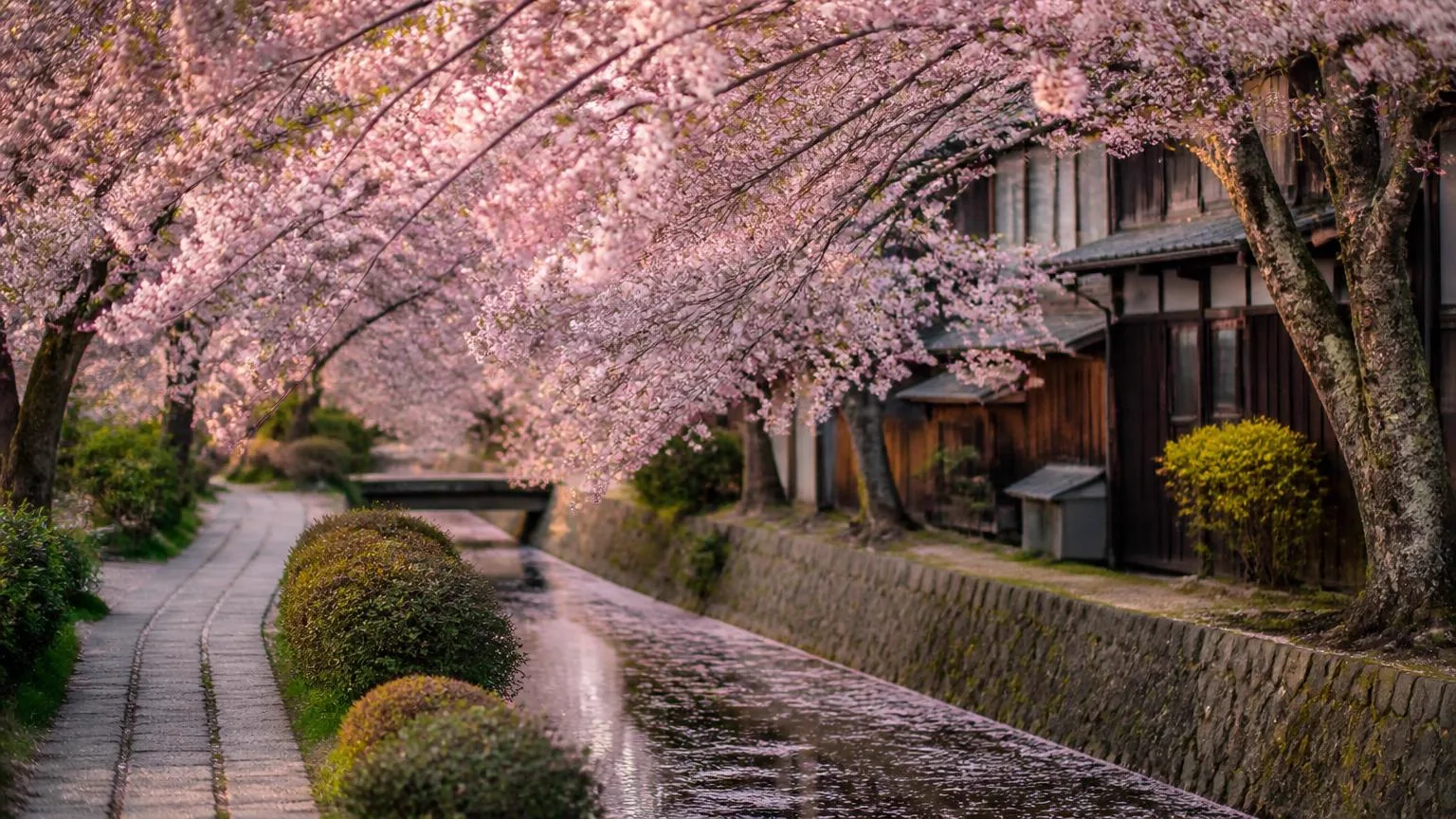
The sakura front moves from Kyushu to Hokkaido over roughly ten weeks. Okinawa opens first in late January with a different species, Kyushu follows around 20 March, Tokyo and Kyoto peak in the last week of March and the first days of April, Kanazawa and Sendai take the second half of April, and Hakodate and Sapporo finish the season in the first week of May.
Two numbers matter more than the forecast. First, full bloom lasts about seven days and one wet windy afternoon can end it, so plan a ten to fourteen night trip rather than a three night raid. Second, the front has been arriving earlier: the ten year trend at the Tokyo reference tree has moved the opening bloom forward by roughly four days since 2016, and 2023 tied the earliest opening on record at 14 March. Plan for the last week of March rather than the first week of April if you are booking a single city.
Booking lead time is four to six months for good rooms and eight to twelve for the handful of properties everybody wants. Kyoto is the hardest bed in the country in blossom week, which is the argument for reading my Kyoto hotel guide before you pick dates rather than after.
| Spot | Region | Typical peak | Why go |
|---|---|---|---|
|
Philosopher's Path, Kyoto
|
Kansai | 28 Mar to 5 Apr | Canal lined tunnel of blossom, best walked before seven in the morning |
|
Maruyama Park, Kyoto
|
Kansai | 27 Mar to 4 Apr | The weeping cherry lit at night, and the closest thing Kyoto has to a party |
|
Arashiyama, Kyoto
|
Kansai | 29 Mar to 6 Apr | Hillside blossom above the Oi River, seen best from the water |
|
Osaka Castle Park
|
Kansai | 28 Mar to 6 Apr | Three thousand trees against the keep, floodlit until nine |
|
Nara Park
|
Kansai | 30 Mar to 8 Apr | Blossom and deer, and far fewer photographers than Kyoto |
|
Yoshinoyama, Nara
|
Kansai | 1 to 15 Apr | Thirty thousand trees on one mountainside in four staggered bands |
|
Meguro River, Tokyo
|
Kanto | 26 Mar to 3 Apr | Four kilometres of overhanging blossom and the best evening walk in the city |
|
Chidorigafuchi, Tokyo
|
Kanto | 25 Mar to 2 Apr | Rowing boats on the Imperial Palace moat under the branches |
|
Shinjuku Gyoen, Tokyo
|
Kanto | 25 Mar to 12 Apr | Twelve varieties, so the season runs two weeks longer than anywhere else |
|
Ueno Park, Tokyo
|
Kanto | 24 Mar to 1 Apr | The classic hanami picnic, loud and joyful and worth seeing once |
|
Kamakura, Kanagawa
|
Kanto | 27 Mar to 4 Apr | Dankazura approach to Tsurugaoka Hachimangu, an hour from Tokyo |
|
Fuji Five Lakes
|
Chubu | 10 to 20 Apr | Chureito Pagoda with blossom and the mountain in one frame |
|
Takato Castle Park, Nagano
|
Chubu | 5 to 15 Apr | Fifteen hundred pink Takato Kohigan trees, a variety found nowhere else |
|
Kanazawa, Kenrokuen
|
Hokuriku | 5 to 13 Apr | One of the three great gardens of Japan, opened free at blossom time |
|
Takada Castle, Niigata
|
Hokuriku | 7 to 15 Apr | Four thousand trees lit at night around the moat |
|
Hirosaki Castle, Aomori
|
Tohoku | 22 Apr to 5 May | The best blossom in Japan on a clear day, with Mount Iwaki behind |
|
Kitakami Tenshochi, Iwate
|
Tohoku | 20 to 30 Apr | Two kilometres of river bank and horse drawn carts |
|
Kakunodate, Akita
|
Tohoku | 22 Apr to 3 May | Weeping cherries over samurai district walls |
|
Goryokaku, Hakodate
|
Hokkaido | 28 Apr to 8 May | A star shaped fort outlined in blossom, seen from the tower |
|
Maruyama Park, Sapporo
|
Hokkaido | 1 to 10 May | The last hanami of the year, with plum and cherry blooming together |
Peak windows are ten year averages from Japan Meteorological Corporation data. Add three to four days in a cold spring and subtract three in a warm one.
Autumn colour, front by front
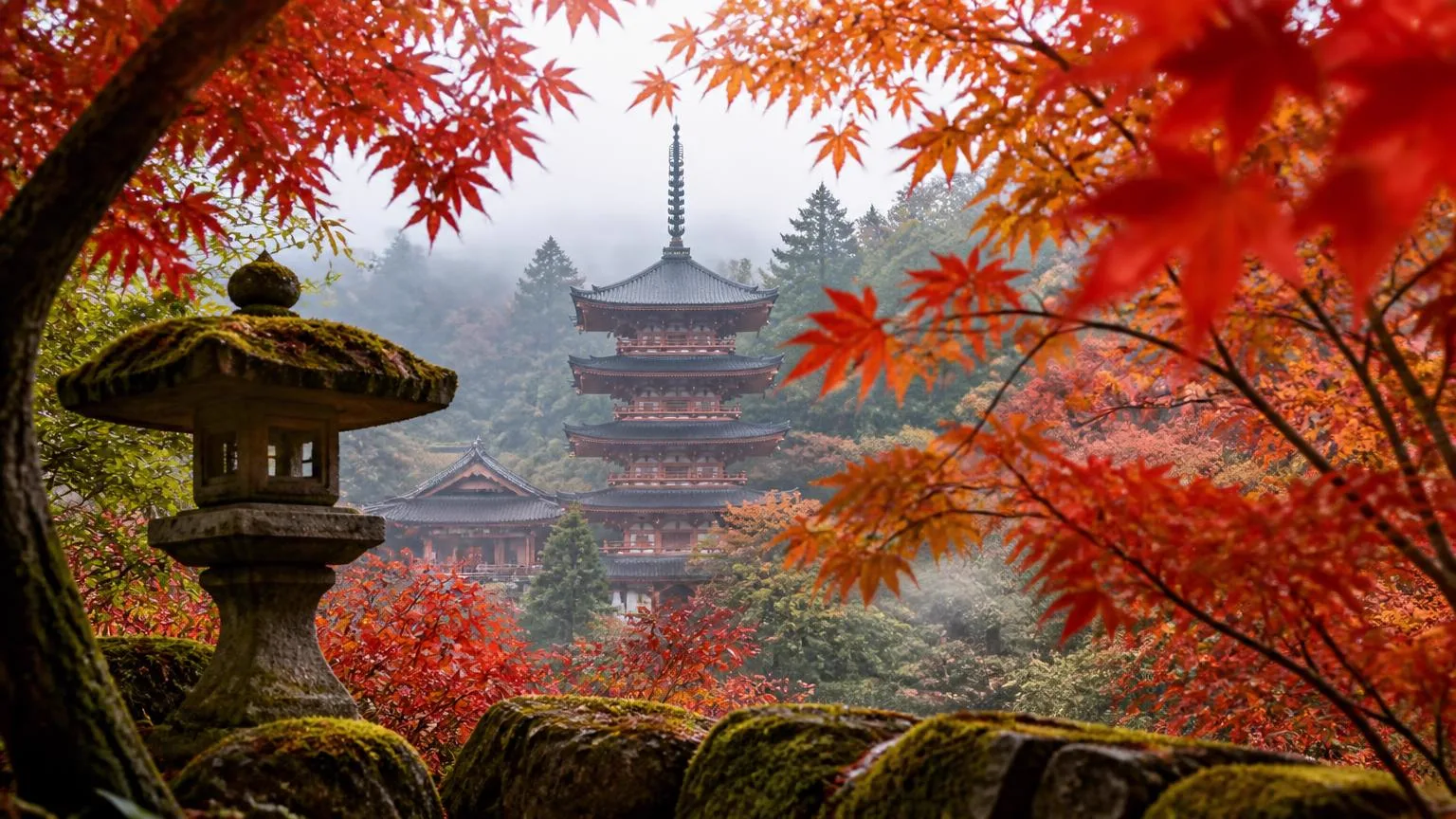
Koyo runs the other way to sakura. It starts in the mountains of Hokkaido in the third week of September at Daisetsuzan, reaches the Japanese Alps and Nikko through October, arrives in Hakone in the first half of November and finishes in central Kyoto between 10 and 25 November. Southern Kyushu holds colour into the first week of December.
Autumn is the better season for a second Japan trip. The window is three weeks rather than one, the walking weather is kinder, the light is longer for photography and the palette runs from yellow ginkgo through orange to the deep red of the Japanese maple rather than one shade of pink. It is also every bit as expensive in Kyoto, so the same eight month booking rule applies.
For a Kyoto autumn base, the properties in my Kyoto hotel guide that back onto the eastern hills are worth the premium in November, because you can be at Eikando before the gates open and back for breakfast.
| Spot | Region | Typical peak | Why go |
|---|---|---|---|
|
Daisetsuzan, Hokkaido
|
Hokkaido | 18 to 30 Sep | The first colour in Japan, six weeks before Kyoto |
|
Jozankei, Hokkaido
|
Hokkaido | 5 to 20 Oct | Gorge colour and an onsen town forty minutes from Sapporo |
|
Naruko Gorge, Miyagi
|
Tohoku | 25 Oct to 8 Nov | The bridge view every Japanese autumn poster uses |
|
Lake Towada, Aomori
|
Tohoku | 15 to 31 Oct | Oirase stream walk, flat and stunning for four kilometres |
|
Kamikochi, Nagano
|
Chubu | 10 to 25 Oct | Larch and birch under the Hotaka range, closed from mid November |
|
Kurobe Gorge, Toyama
|
Chubu | 1 to 15 Nov | An open sided railway through a canyon in full colour |
|
Korankei, Aichi
|
Chubu | 15 to 30 Nov | Four thousand maples lit at night, an hour from Nagoya |
|
Nikko, Tochigi
|
Kanto | 18 Oct to 5 Nov | Iroha zaka hairpins and Lake Chuzenji, the strongest autumn base from Tokyo |
|
Hakone
|
Kanto | 5 to 20 Nov | Colour, Fuji views and open air onsen in one weekend |
|
Mount Takao, Tokyo
|
Kanto | 15 to 30 Nov | A proper mountain walk inside the Tokyo metropolis |
|
Rikugien, Tokyo
|
Kanto | 20 Nov to 5 Dec | The best night illumination in the capital |
|
Meiji Jingu Gaien ginkgo
|
Kanto | 20 Nov to 5 Dec | One hundred and forty six ginkgo trees in a gold corridor |
|
Eikando, Kyoto
|
Kansai | 15 to 30 Nov | The finest maple temple in Japan, and it knows it |
|
Tofukuji, Kyoto
|
Kansai | 18 Nov to 2 Dec | Tsutenkyo bridge over a valley of two thousand maples |
|
Arashiyama, Kyoto
|
Kansai | 15 to 30 Nov | Hillside colour from the river, best by boat at eight in the morning |
|
Kiyomizudera, Kyoto
|
Kansai | 18 Nov to 2 Dec | Night illumination on the stage, unforgettable and very crowded |
|
Nara Park
|
Kansai | 10 to 30 Nov | Colour, deer and space to breathe |
|
Koyasan, Wakayama
|
Kansai | 1 to 15 Nov | Temple lodging among maples at eight hundred metres |
|
Miyajima, Hiroshima
|
Chugoku | 15 to 30 Nov | Momijidani valley behind the shrine, at its best on a weekday |
|
Kirishima, Kagoshima
|
Kyushu | 20 Nov to 8 Dec | The last colour of the year, with volcanic onsen attached |
Peaks are ten year averages. A warm October pushes the Kyoto window into the very end of November.
The sumo tournament calendar
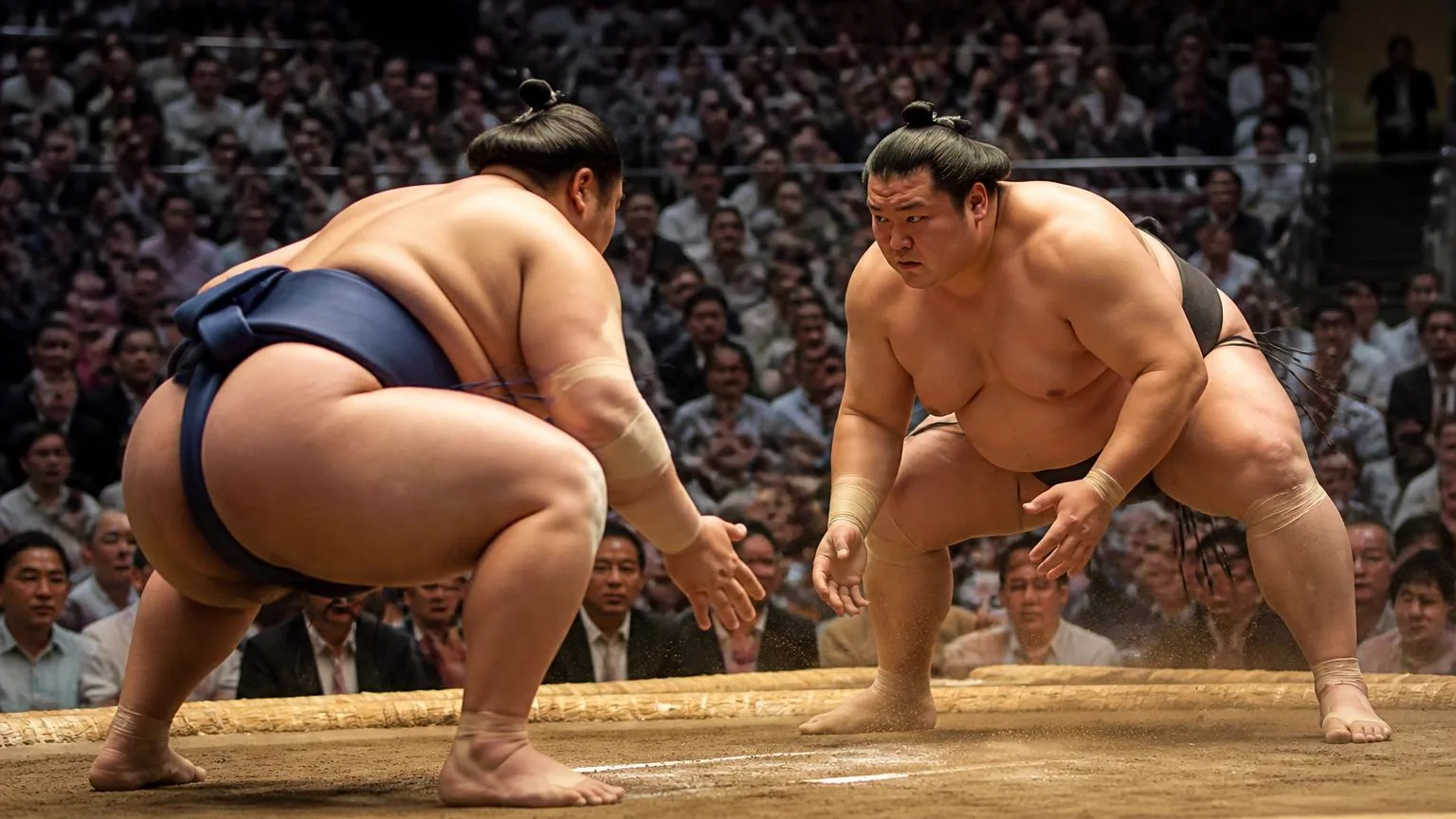
Six grand tournaments run each year, each lasting fifteen days and always starting on a Sunday. Three are in Tokyo at the Ryogoku Kokugikan, and those are the easiest to build a trip around because you can watch a full afternoon and still be at dinner in Ginza by eight.
Tickets go on general sale roughly one month before each tournament and the good box seats for the Tokyo basho sell out within hours. Buy through the official Japan Sumo Association site or through BuySumoTickets.com, which resells with English support and delivers to your hotel. Arena seats at the back cost about 4,000 yen, ringside box seats for four run from about 45,000 yen, checked 4 September 2026.
If you are timing a January, May or September trip around a Tokyo basho, stay east or central. Several properties in my Tokyo hotel guide are fifteen minutes from Ryogoku by taxi.
| Month | Tournament | Location | Ticket window | How to buy |
|---|---|---|---|---|
|
January
|
Hatsu Basho | Ryogoku Kokugikan, Tokyo | Released early December | Official JSA site or BuySumoTickets.com |
|
March
|
Haru Basho | EDION Arena, Osaka | Released early February | Ticket Oosumo, or resale with English support |
|
May
|
Natsu Basho | Ryogoku Kokugikan, Tokyo | Released early April | Official JSA site, sells out fastest of the six |
|
July
|
Nagoya Basho | IG Arena, Nagoya | Released early June | Official JSA site, easiest same week tickets |
|
September
|
Aki Basho | Ryogoku Kokugikan, Tokyo | Released early August | Official JSA site or hotel concierge |
|
November
|
Kyushu Basho | Fukuoka Kokusai Center | Released early October | Official JSA site, generally available on the day |
Weekdays in the first week are the easiest tickets. Finals Sunday is the hardest ticket in Japanese sport.
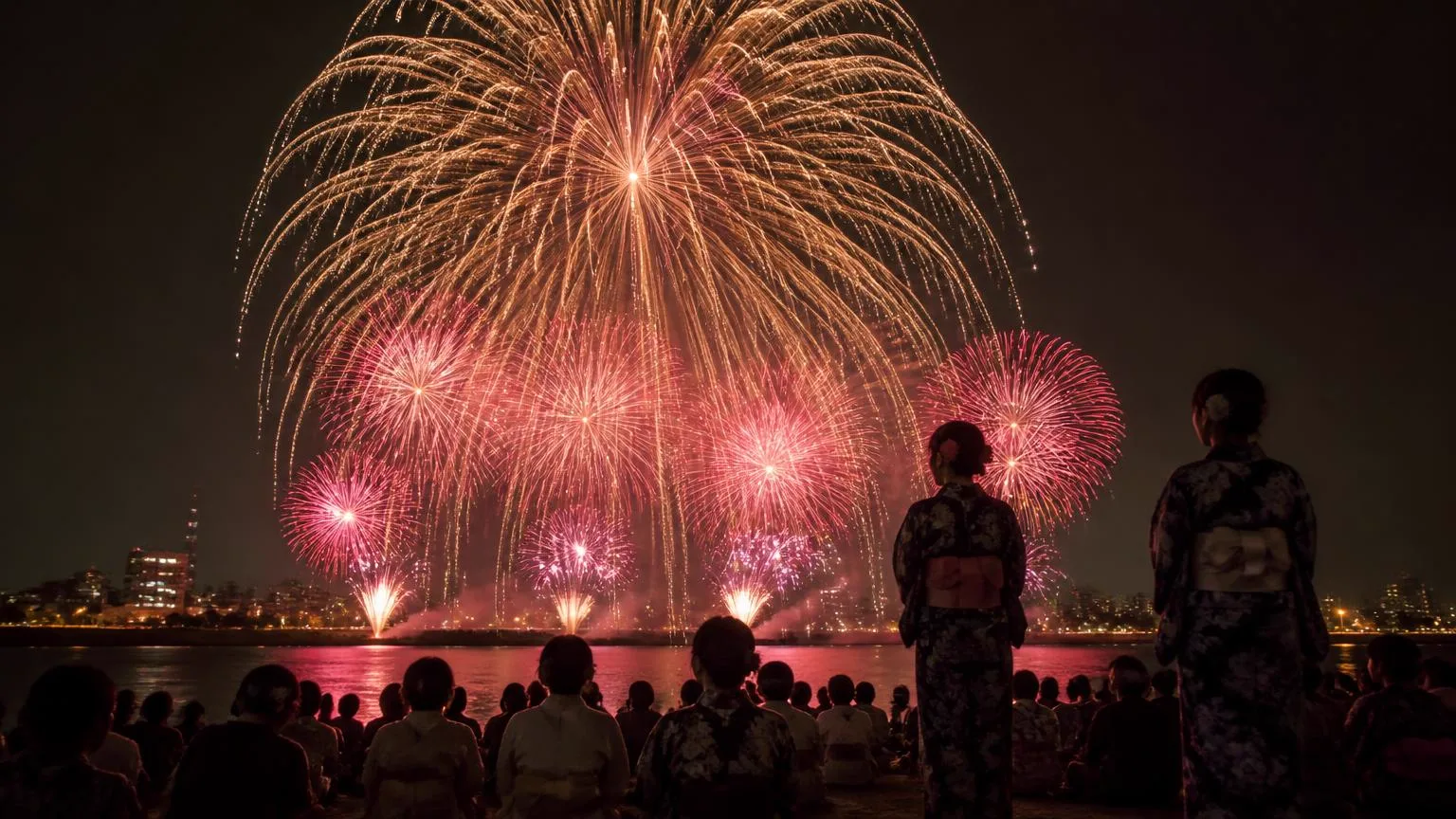
Fireworks season, festival by festival
Hanabi season runs from late July through August and it is the reason to accept Japanese summer humidity. These are not ten minute displays. Nagaoka runs two hours across two nights and sets off twenty thousand shells, including the Phoenix sequence that spans two kilometres of riverbank.
Two rules. Paid seating goes on sale in May and June and is worth every yen, because free viewing means arriving four hours early with a plastic sheet. And book your hotel before the date is confirmed, because rooms near the big riverside displays double within a day of the announcement.
| Festival | Where | When | Best viewing |
|---|---|---|---|
|
Sumida River Fireworks
|
Asakusa, Tokyo | Last Saturday of July | Paid seating at Sumida Park, or a river view room in Asakusa |
|
Nagaoka Fireworks
|
Nagaoka, Niigata | 2 and 3 August | Paid riverbank seats, sold by lottery in May |
|
Tenjin Matsuri Fireworks
|
Osaka | 25 July | From the Okawa river boats, booked through hotels |
|
Omagari National Fireworks
|
Daisen, Akita | Last Saturday of August | The competition final, paid seating only, sells out in June |
|
Toyota Oiden Fireworks
|
Toyota, Aichi | Late July | Yahagi River bank, easy day trip from Nagoya |
|
Naniwa Yodogawa Fireworks
|
Osaka | Early August | Umeda side riverbank, the most accessible big Osaka display |
|
Miyajima Water Fireworks
|
Miyajima, Hiroshima | Late August | From the island shore with the torii gate in the foreground |
|
PL Art of Fireworks
|
Tondabayashi, Osaka | 1 August | Twenty thousand shells in an hour, the loudest finale in Japan |
Dates shift by a week either way each year and heavy rain postpones rather than cancels. Confirm with the organiser in June.
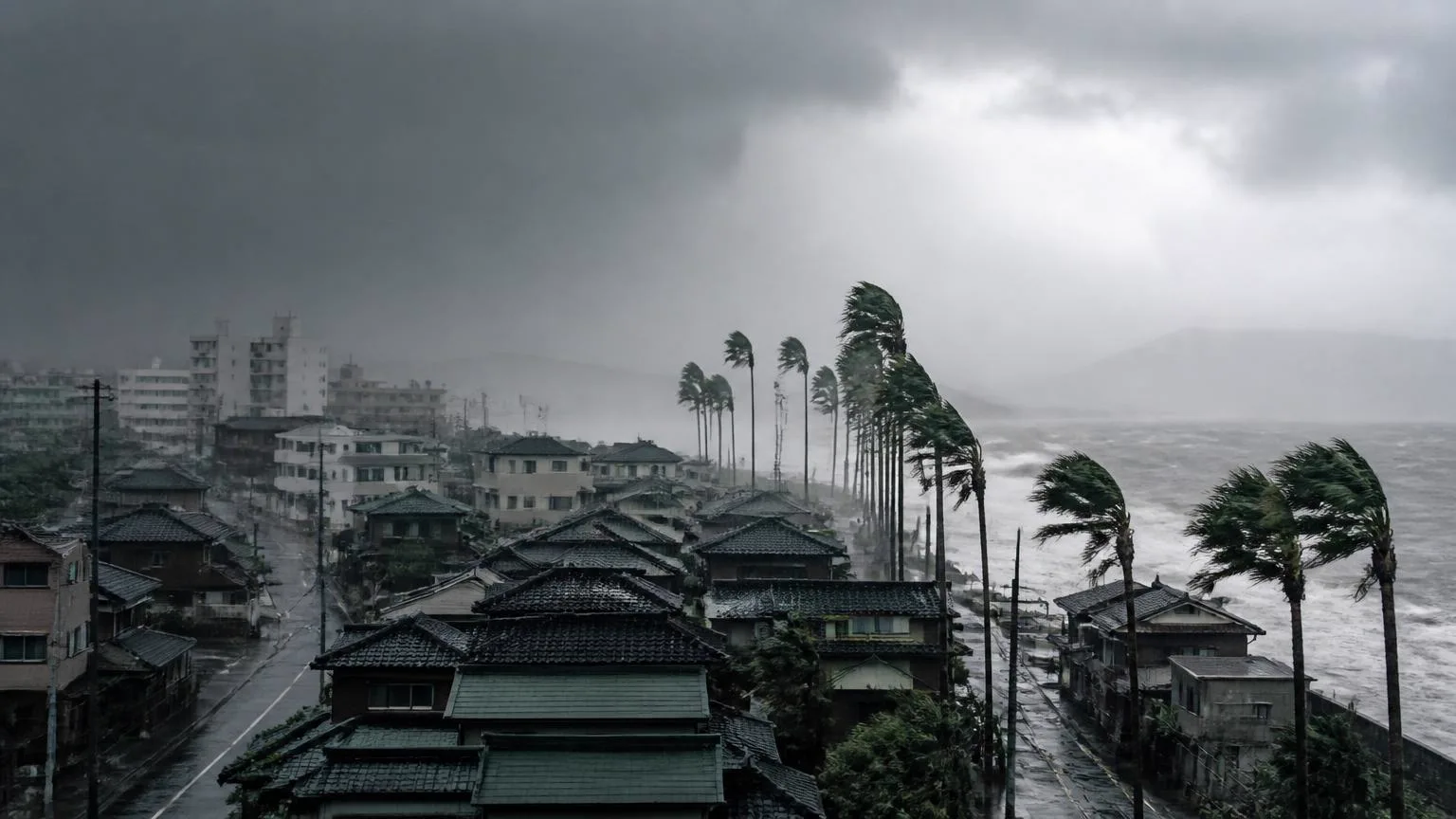
Typhoon season and how much it should worry you
Typhoon season officially runs from May to October, but the storms that actually reach the main islands cluster in August and September. Okinawa and Kyushu take the brunt. Tokyo and Kyoto typically see the remains of a system as a day of heavy rain and cancelled Shinkansen rather than anything dangerous.
The practical impact is a lost day rather than a lost trip. Japan handles storms extremely well: trains are suspended in advance and restarted quickly, and hotels rarely lose power. What you want is a flexible airline ticket, travel insurance that covers weather disruption bought before any named storm forms, and one spare day at the end of the itinerary if you are flying home from Naha or Fukuoka in September.
| Month | Frequency | Regions affected | Impact on travel | Insurance guidance |
|---|---|---|---|---|
|
May to June
|
Rare landfall | Okinawa only | Little to none | Standard policy is enough |
|
July
|
One to two systems | Okinawa, southern Kyushu | Occasional ferry and flight delays | Buy cover before booking flights |
|
August
|
Peak, three to four systems | Okinawa, Kyushu, Shikoku, Kii Peninsula | Flight cancellations and suspended Shinkansen | Weather disruption cover, buy before any storm is named |
|
September
|
Peak, three to four systems | Kyushu, Shikoku, Tokai, occasionally Kanto | The highest chance of a lost day nationally | Flexible fares plus a spare day at trip end |
|
October
|
One to two systems | Okinawa, southern Kyushu | Mostly rain by the time it reaches Honshu | Standard policy, watch the forecast a week out |
|
November to April
|
Effectively none | None | None | Standard policy |
The Japan Meteorological Agency publishes English typhoon tracks and warnings. Check it daily in September rather than relying on your hotel to tell you.
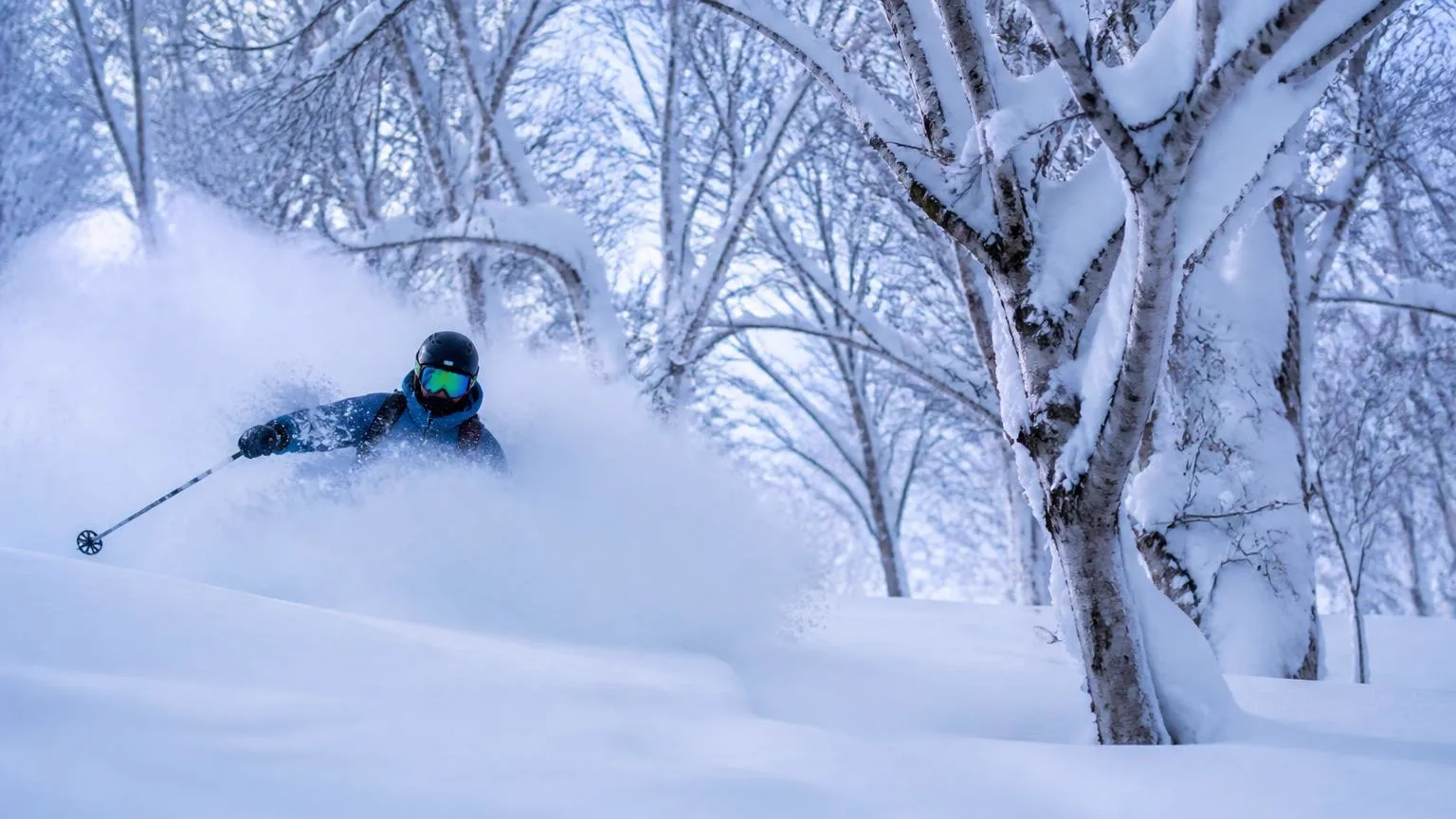
Ski season, resort by resort
Japanese powder is not marketing. Niseko records around fifteen metres of snow in an average season, which is roughly double what most Alpine resorts see, and it falls as the dry cold snow that Siberian air produces when it crosses the Sea of Japan.
Mid January to mid February is the reliable window everywhere. Late season, meaning the first three weeks of March, gives softer light, longer days and half the crowds for maybe seventy percent of the snow quality. Christmas and New Year is the most expensive fortnight of the Japanese year on the mountain.
| Resort | Season | Average snowfall | Onsen | English signage |
|---|---|---|---|---|
|
Niseko United, Hokkaido
|
Early Dec to early May | About 15m | Excellent, many hotel and public baths | Complete, effectively bilingual |
|
Hakuba Valley, Nagano
|
Early Dec to early May | About 11m | Very good, village baths in Happo | Very good across ten linked resorts |
|
Nozawa Onsen, Nagano
|
Late Nov to early Apr | About 10m | Outstanding, thirteen free public baths | Moderate, improving each season |
|
Rusutsu, Hokkaido
|
Late Nov to early Apr | About 12m | Good, large resort baths | Good, quieter tree runs than Niseko |
|
Furano, Hokkaido
|
Late Nov to early May | About 9m | Good, town baths nearby | Moderate, the most Japanese feeling of the six |
|
Kiroro, Hokkaido
|
Late Nov to early May | About 21m | Very good, hotel onsen on site | Good, the deepest snow record in this list |
Snowfall figures are cumulative seasonal averages from resort records. Peak powder days cluster between 10 January and 15 February at all six.
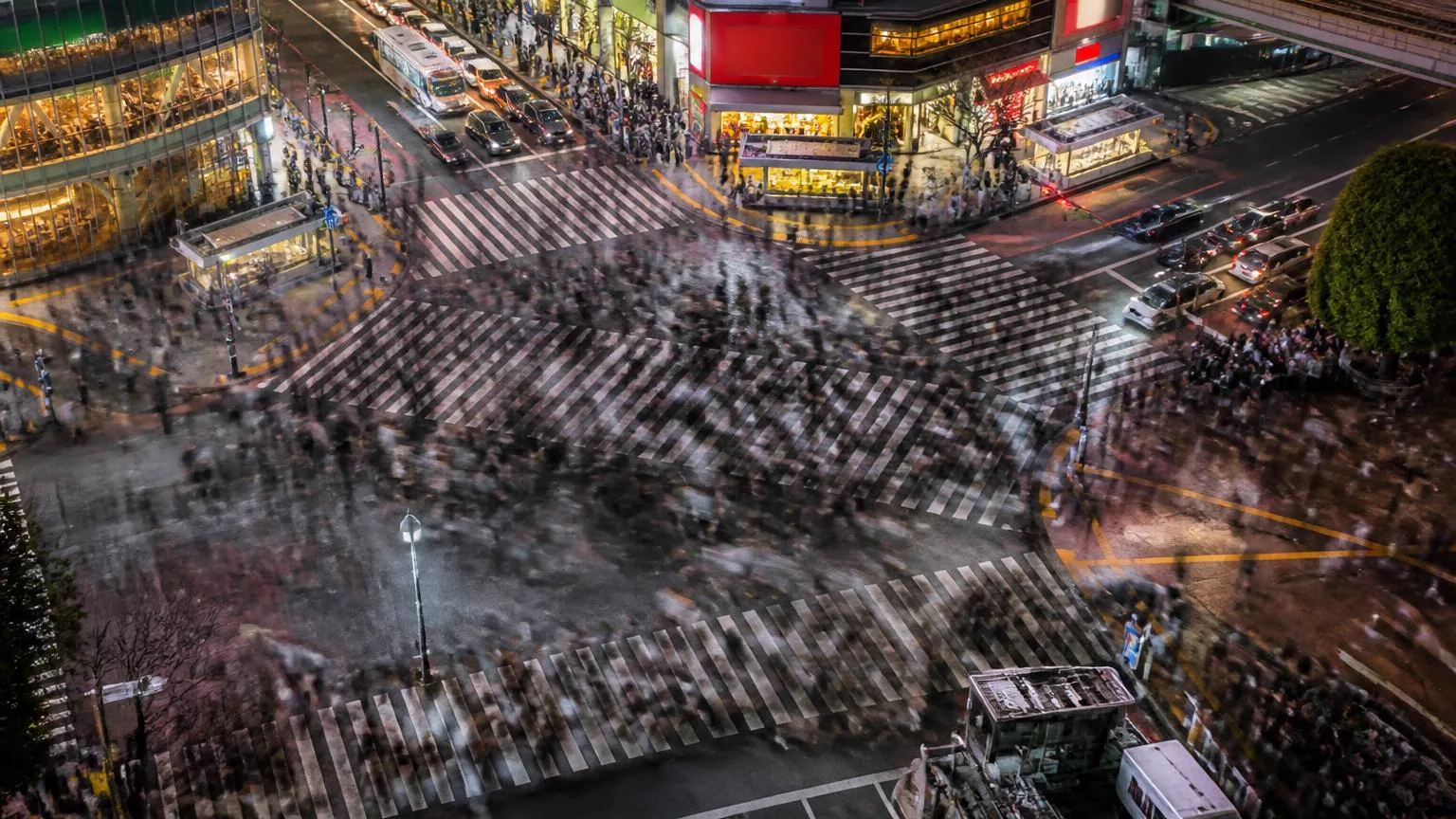
Golden Week, and why to plan around it
Golden Week is a run of four national holidays at the end of April and the start of May. Almost the entire country travels at once. Shinkansen reserved seats sell out weeks ahead, hotels charge two to three times their normal rate, and popular temples and gardens are genuinely uncomfortable.
The dates are 29 April to 6 May 2026, 29 April to 5 May 2027 and 29 April to 6 May 2028. If your dates are fixed and they fall inside that window, book everything five to six months ahead including train seats, and choose a resort or an onsen town over a city day trip programme.
If you have any flexibility, move by one week in either direction. Early April gives you the tail of the blossom at normal prices. From 8 May onwards you get warm weather, green hills, empty temples and rates back at their baseline. Mid October is the autumn equivalent of that trade.
| Property type | Golden Week rate | Week of 8 May | Difference |
|---|---|---|---|
|
Tokyo five star, entry room
|
About 165,000 yen | About 78,000 yen | Roughly double |
|
Kyoto luxury hotel, entry room
|
About 190,000 yen | About 85,000 yen | Roughly 2.2 times |
|
Traditional ryokan, two meals
|
About 145,000 yen | About 62,000 yen | Roughly 2.3 times |
|
Hakone onsen resort
|
About 130,000 yen | About 55,000 yen | Roughly 2.4 times |
|
Domestic flight, Tokyo to Sapporo
|
About 48,000 yen | About 17,000 yen | Roughly 2.8 times |
Indicative rates for two people sharing, checked 4 September 2026. Minimum stay rules of two or three nights are common across Golden Week.
JR Pass maths after the price rise
The nationwide Japan Rail Pass rose sharply in October 2023 and now costs about 50,000 yen for seven days, 80,000 yen for fourteen and 100,000 yen for twenty one in ordinary class. That change killed the old advice that every visitor should buy one.
Here is the test. A one way Tokyo to Kyoto Shinkansen seat is about 14,000 yen and Kyoto to Hiroshima is about 11,500 yen. A classic Tokyo, Kyoto, Osaka and back loop costs roughly 30,000 yen in point to point tickets, which is well short of the pass. Add Hiroshima and Kanazawa, or plan three or more long Shinkansen legs inside seven days, and the pass wins. Two cities and a day trip does not justify it.
For single region trips the regional passes are much better value. The Kansai Wide Area Pass is about 12,000 yen for five days and covers Kyoto, Osaka, Nara, Himeji and Kinosaki. The JR Hokkaido Pass is about 28,000 yen for seven days. The JR East Tohoku Pass is about 30,000 yen for five flexible days. Buy online up to thirty days ahead for the cheaper rate and exchange the voucher at the airport, or buy at a major JR station counter with your passport if you decide once you are there.
| Pass | Price | Covers | Worth it when |
|---|---|---|---|
|
Japan Rail Pass, 7 days
|
About 50,000 yen | Nationwide JR, most Shinkansen | Three or more long Shinkansen legs in one week |
|
Japan Rail Pass, 14 days
|
About 80,000 yen | Nationwide JR | A Tokyo to Kyushu or Tohoku loop with several stops |
|
Kansai Wide Area Pass, 5 days
|
About 12,000 yen | Kyoto, Osaka, Nara, Kobe, Himeji, Kinosaki | Almost any Kansai only trip |
|
JR Hokkaido Pass, 7 days
|
About 28,000 yen | All JR Hokkaido lines | Sapporo, Furano and Hakodate in one trip |
|
JR East Tohoku Pass, 5 flexible days
|
About 30,000 yen | Tokyo north to Aomori | Two or more northern Shinkansen returns |
|
Point to point tickets
|
About 14,000 yen Tokyo to Kyoto | Whatever you actually ride | Two city trips, which is most first visits |
Prices checked 4 September 2026 in ordinary class. Green car passes run roughly forty percent higher.
Which month for what
Ten common trip briefs and the month I would actually book for each of them, on the assumption that you want the trip to work rather than to match a photograph you saw online.
| If you want | Book | Why |
|---|---|---|
|
Cherry blossom
|
24 March to 5 April | The Tokyo and Kyoto peak, booked eight months ahead |
|
Autumn colour
|
10 to 25 November | Kyoto maples at full depth with cool walking weather |
|
Best value
|
8 to 31 May | Spring weather, green hills, normal rates, no crowds |
|
Cheapest possible
|
Mid January or June | Luxury rates fall thirty to forty percent |
|
Powder skiing
|
10 January to 15 February | Peak snowfall in Hokkaido and Nagano |
|
Festivals
|
July and August | Gion Matsuri, Nebuta, Awa Odori and the fireworks season |
|
Honeymoon
|
Late May or late October | Warm, quiet and the easiest month for good ryokan rooms |
|
Family with children
|
Late March or October | Mild temperatures and manageable walking distances |
|
Beaches in Okinawa
|
Late April to mid July | Warm sea before the typhoon peak arrives |
|
Photography above all
|
February or November | The clearest air and the longest low light of the year |
Five hotels worth planning the trip around
Each of these is the strongest property in Japan for one particular season. If your dates are flexible, pick the hotel first and let it choose your month.
Aman Tokyo is the year round anchor, thirty three floors above the Imperial Palace with the only urban onsen of its kind in the city. Hoshinoya Kyoto is the blossom pick, reached by private boat up the Oi River. Amanemu in Ise Shima is the onsen pick, with a private thermal pool in every suite. The Ritz-Carlton Nikko is the autumn pick on Lake Chuzenji. Park Hyatt Niseko Hanazono is the winter pick, with the gondola off the lobby.
| Hotel | Where | Book it for | From |
|---|---|---|---|
|
Aman Tokyo
|
Otemachi, Tokyo | Any month, strongest in January | About 2,100 US dollars |
|
Hoshinoya Kyoto
|
Arashiyama, Kyoto | Cherry blossom, late March | About 1,400 US dollars |
|
Amanemu
|
Ise Shima | February and July | About 1,800 US dollars |
|
The Ritz-Carlton Nikko
|
Lake Chuzenji | Autumn colour, early November | About 1,100 US dollars |
|
Park Hyatt Niseko Hanazono
|
Niseko, Hokkaido | Powder, mid January | About 900 US dollars |
Rates are lead in doubles checked 4 September 2026 and move sharply in blossom and koyo weeks.
Twelve things to sort before you fly
The planning jobs that decide whether the first forty eight hours in Japan feel effortless or fraught. Work down the list in order.
-
Which airport to fly into
Haneda is thirty minutes from central Tokyo and always the better arrival if your route offers it. Narita is sixty to ninety minutes out. Kansai serves Kyoto and Osaka in about seventy five minutes. Naha is the gateway for Okinawa. Flying into one and out of the other saves a full day of backtracking.
-
An eSIM before you land
Japan is not a country to arrive in offline, because train routing, restaurant maps and translation all live on your phone. An Airalo Japan eSIM starts around 12 US dollars for 3GB and activates on landing.
Get an Airalo eSIM -
Airport lounge access
Priority Pass covers TIAT Lounge at Haneda Terminal 3, IASS Executive Lounges at Narita Terminals 1 and 2 and lounges at Kansai and Naha. Worth it on a long haul arrival where you land at dawn and cannot check in until three.
See Priority Pass options -
Suica, Pasmo and ICOCA
One IC card covers trains, subways, buses, vending machines and convenience stores nationwide. Add Suica to Apple Wallet before you fly and top it up with a card. Physical Welcome Suica cards are sold at Narita and Haneda arrivals.
-
Luggage forwarding
Yamato takuhaibin moves a suitcase hotel to hotel overnight for about 2,000 yen. Send the big case from Tokyo to Kyoto and ride the Shinkansen with a day bag. Every hotel front desk arranges it and most take it before eleven in the morning for next day delivery.
-
Cash against card
Cities, department stores and hotels take cards everywhere. Small izakaya, older kissaten, temple entry, some Michelin counters and rural buses are still cash. Carry 30,000 yen and withdraw at 7-Eleven ATMs, which accept foreign cards reliably.
-
No tipping, ever
There is no tipping anywhere in Japan, including taxis, restaurants and hotels. Leaving money on the table causes confusion and occasionally offence. Service charge appears on ryokan and high end restaurant bills already.
-
Toilets, and how to work them
The washlet panel is usually pictograms. The large button on the wall is the flush, the panel buttons are bidet functions, and the square button with a hand is the stop. Slippers left inside a bathroom stay in the bathroom.
-
Restaurant reservation windows
The best sushi and kaiseki counters open bookings thirty to ninety days ahead and fill the same day. Some accept overseas guests only through a hotel concierge. Ask your hotel to request tables the day you confirm the room, not the week you arrive.
-
Blossom and koyo tracking apps
Japan Meteorological Corporation publishes the sakura forecast from January and updates it weekly. Weathernews runs the most accurate live bloom map, and its autumn equivalent tracks koyo from September. Both have usable English pages.
-
Convenience store food is genuinely good
7-Eleven, Lawson and FamilyMart sell onigiri, egg sandwiches, oden and coffee at a standard no other country matches. Use them for early train breakfasts and late arrivals rather than treating them as a compromise.
-
A licensed private guide
For a bilingual guide who can hold a restaurant table, explain a shrine properly and get you through a blossom garden before the coaches arrive. Full days run about 250 to 400 US dollars.
Find a Japan guide
Best time to visit Japan, answered
What is the best month to visit Japan?
Late March through mid April for cherry blossom, and the first three weeks of November for peak autumn colour. If you cannot travel in those windows, mid May and late October deliver near identical weather with far smaller crowds and normal luxury hotel rates. Skiers want mid January to mid February in Hokkaido.
When is cherry blossom season in Japan in 2026?
The 2026 forecast puts the first Tokyo bloom around 21 March, with full bloom five to seven days later. Kyoto follows two to four days behind. Blossom holds for roughly a week before wind and rain end it, so plan a ten to fourteen night trip anchored between 24 March and 5 April to catch the front at its strongest.
Is Japan expensive in cherry blossom season?
Yes. Luxury hotels in Kyoto and Tokyo raise rates fifty to one hundred percent through the sakura window and often impose minimum stays. The strongest properties sell out eight months in advance. If cost matters more than exact timing, book from 8 May instead, when the weather is warmer and rates return to baseline.
When is the cheapest time to visit Japan?
Mid January, excluding New Year and Chinese New Year, and June. Both discount luxury rooms thirty to forty percent against April. June brings the tsuyu rains, which arrive in defined blocks rather than all day, and the temple gardens photograph beautifully in the wet.
When is the best time for autumn colour in Japan?
Peak koyo starts in Hokkaido in late September, reaches Nikko and the Japanese Alps through October, arrives in Hakone in early November and finishes in central Kyoto between 10 and 25 November. Eikando and Tofukuji hold their colour into the first days of December in a warm year.
Is Japan good to visit in summer?
August is thirty to thirty four degrees and humid across the main islands, but it is the festival month: Nebuta, Tanabata, Awa Odori and the whole fireworks season. Hokkaido stays a comfortable twenty two to twenty six degrees and is the right choice for anyone who cannot handle Honshu humidity.
When is powder season in Niseko?
Reliable powder runs from late December to late February, with peak snowfall around mid January. Early March gives softer light, better visibility and half the crowds. Peak week pricing at the big Niseko hotels is set from 26 December through 6 January and sells out a year ahead.
Is a JR Pass worth it in 2026?
Only if you are covering long distances. At about 50,000 yen for seven days, the nationwide pass needs three or more long Shinkansen legs to pay for itself. A Tokyo, Kyoto and Osaka trip costs roughly 30,000 yen in point to point tickets, so the pass loses. For single region trips, the Kansai Wide Area Pass at about 12,000 yen for five days is far better value.
Which airport should I fly into?
Haneda if your route allows it, because it is thirty minutes from central Tokyo against sixty to ninety from Narita. Fly into Kansai if you are starting in Kyoto or Osaka, and consider an open jaw ticket into Haneda and out of Kansai, which saves a full day of backtracking on a two city trip.
Can I visit Japan during typhoon season?
Yes, with planning. August and September carry the real risk and it concentrates on Okinawa, Kyushu and Shikoku. Central Honshu usually sees heavy rain and suspended trains rather than danger. Buy weather disruption insurance before any storm is named, keep flexible fares and leave one spare day at the end of the trip.
What is the best time for a Japan honeymoon?
Late May or late October. You get warm settled weather, quiet temples, ryokan rooms that are actually available and rates a long way below the blossom and koyo peaks. Both windows also suit the onsen resorts in Ise Shima and Hakone, which are the part of a Japan honeymoon people remember.
What is the best time for a Japan family trip with children?
Late March or October. Temperatures sit between fifteen and twenty two degrees, which matters when you are walking six kilometres a day with a child, and neither window carries the humidity of summer or the ice of January. Avoid Golden Week and Obon, when domestic transport is full and queues are long.
How far in advance should I plan a Japan trip?
Six to eight months for a normal trip and ten to twelve for cherry blossom, peak koyo or New Year in Niseko. Hotels are the constraint, not flights. Book the rooms first, then the flights, then restaurants at thirty to ninety days, then rail seats at a month out.
Is Japan good for solo travellers?
It is among the best countries in the world for it. Trains are simple, crime is very low, counter dining is normal and nobody treats a table for one as unusual. The only friction is that some ryokan price per person with a two person minimum, so check before you book a traditional inn.
Does Luxury Hotel Compare earn commission from these bookings?
Yes. I earn a small commission through the Booking.com affiliate programme when readers book through my links. It never changes the ranking and hotels cannot pay for placement on this site.