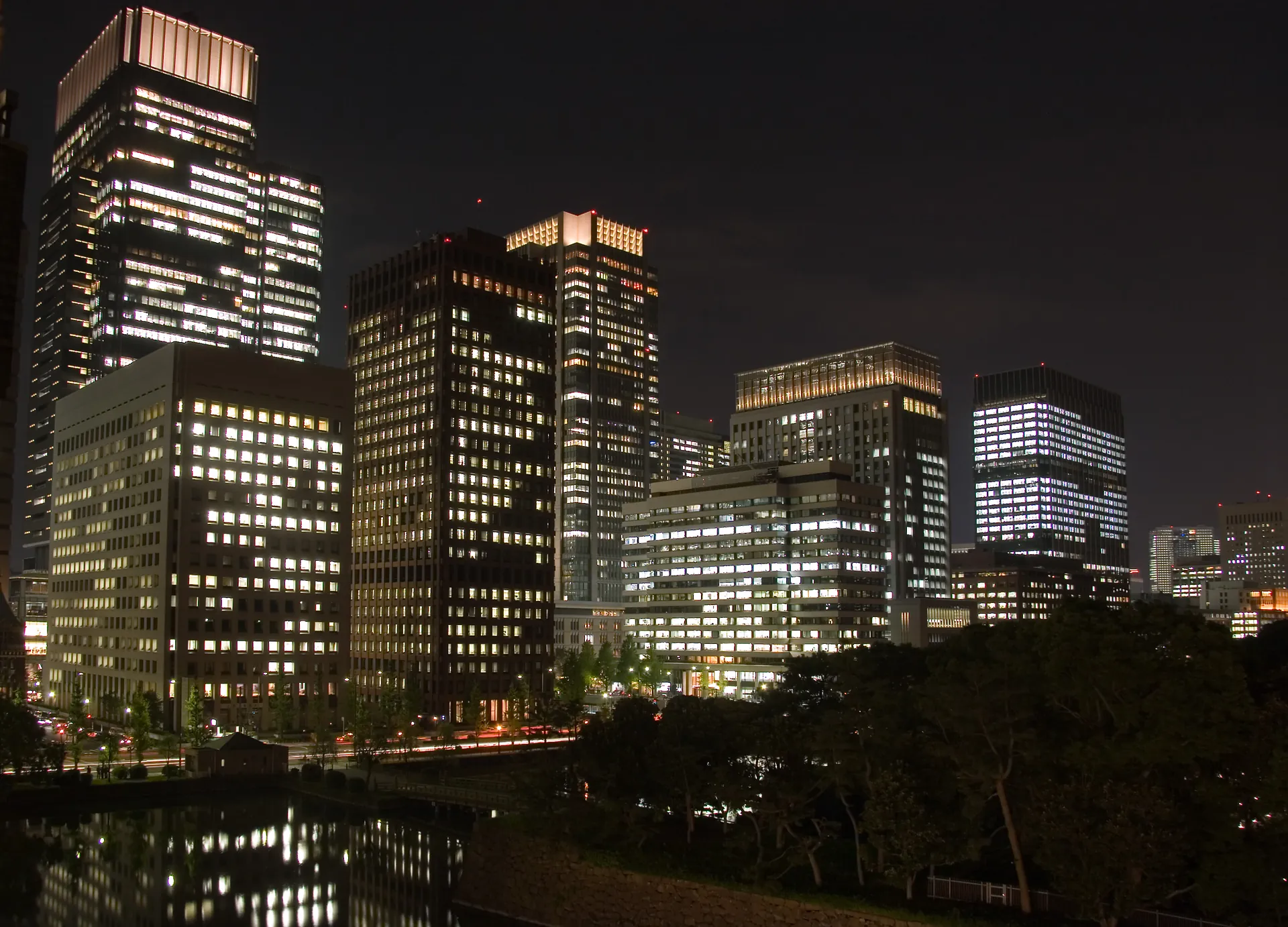
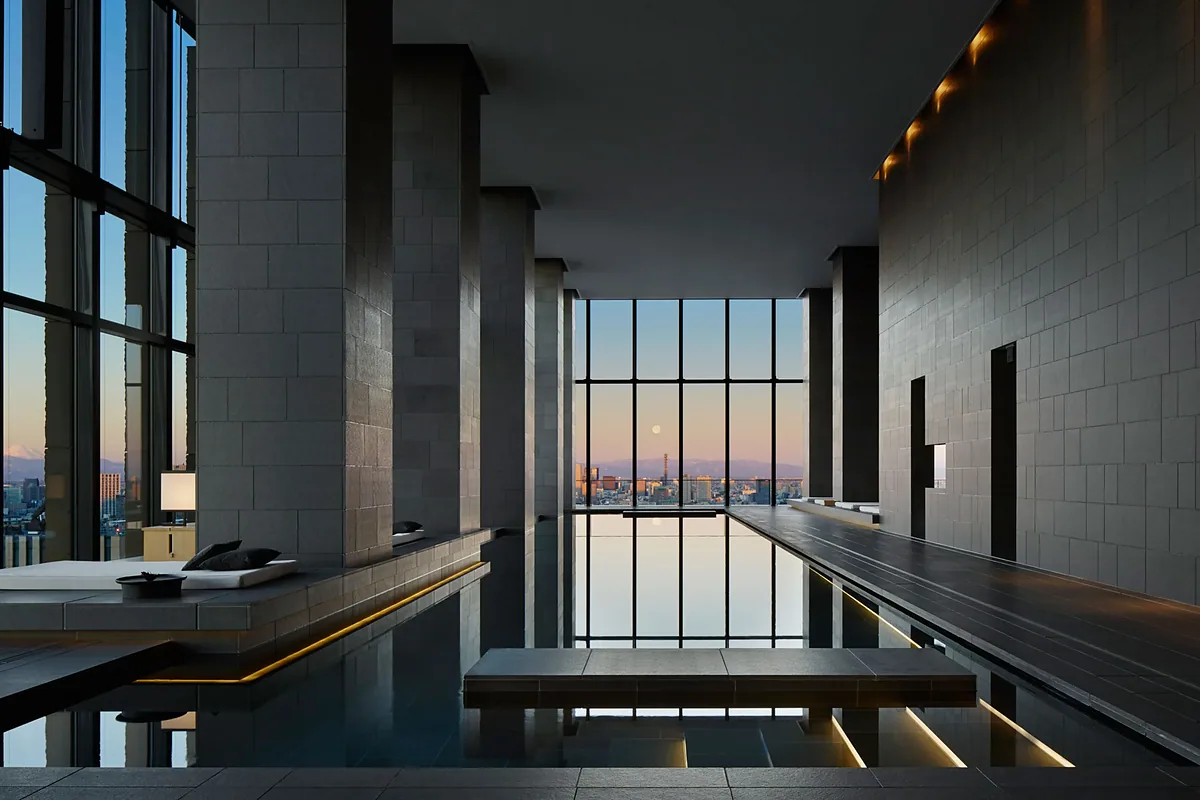
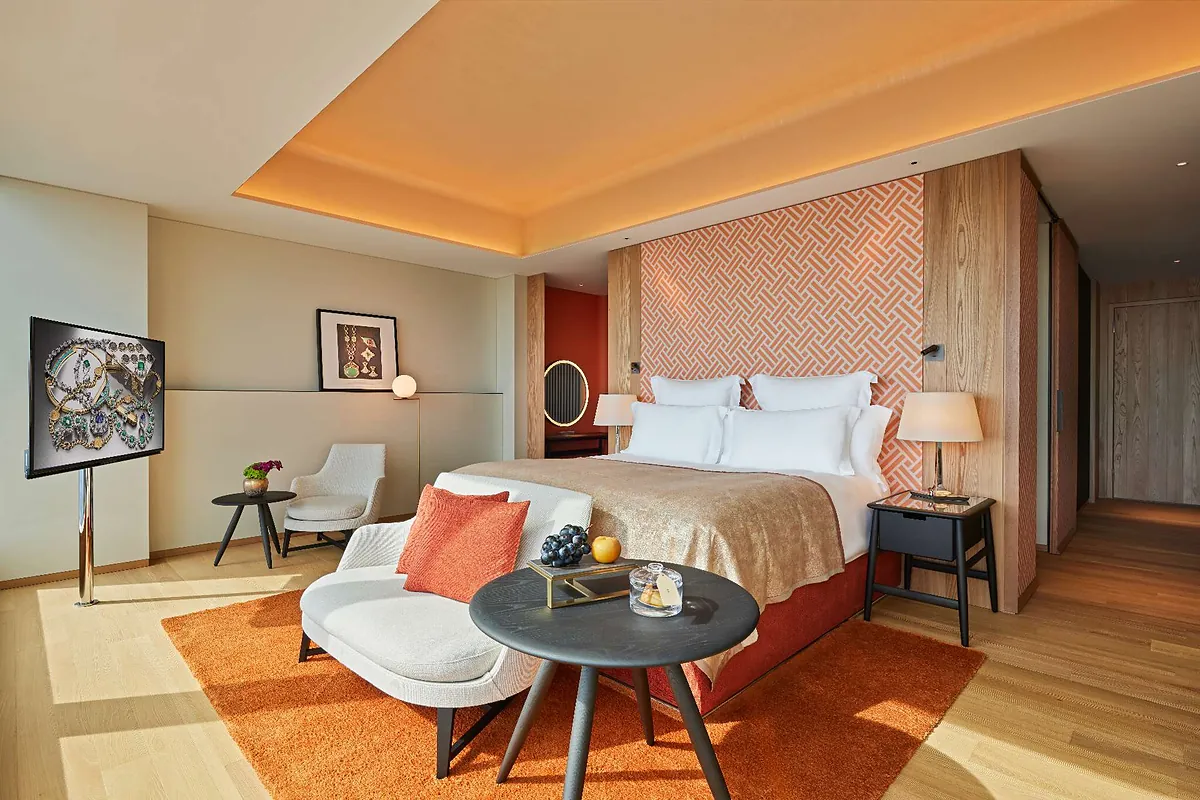
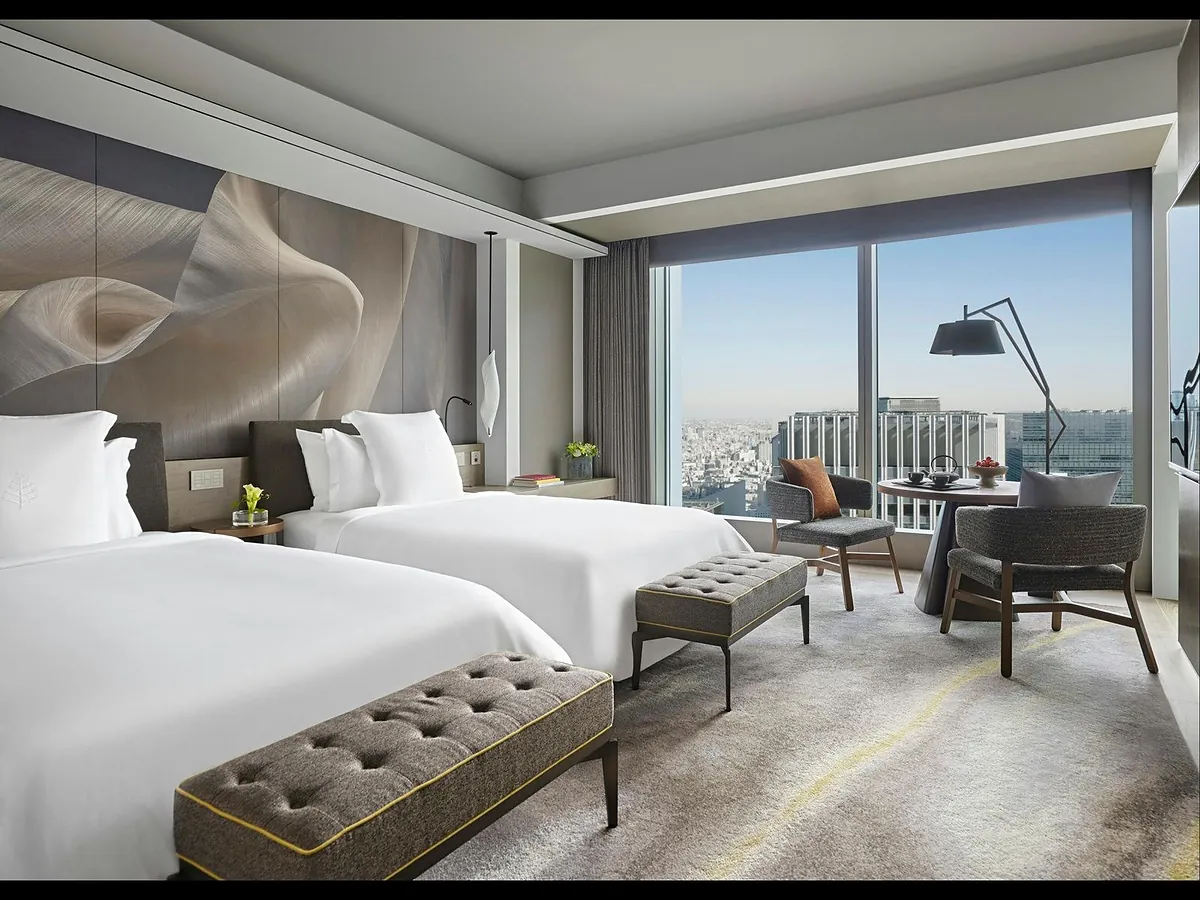
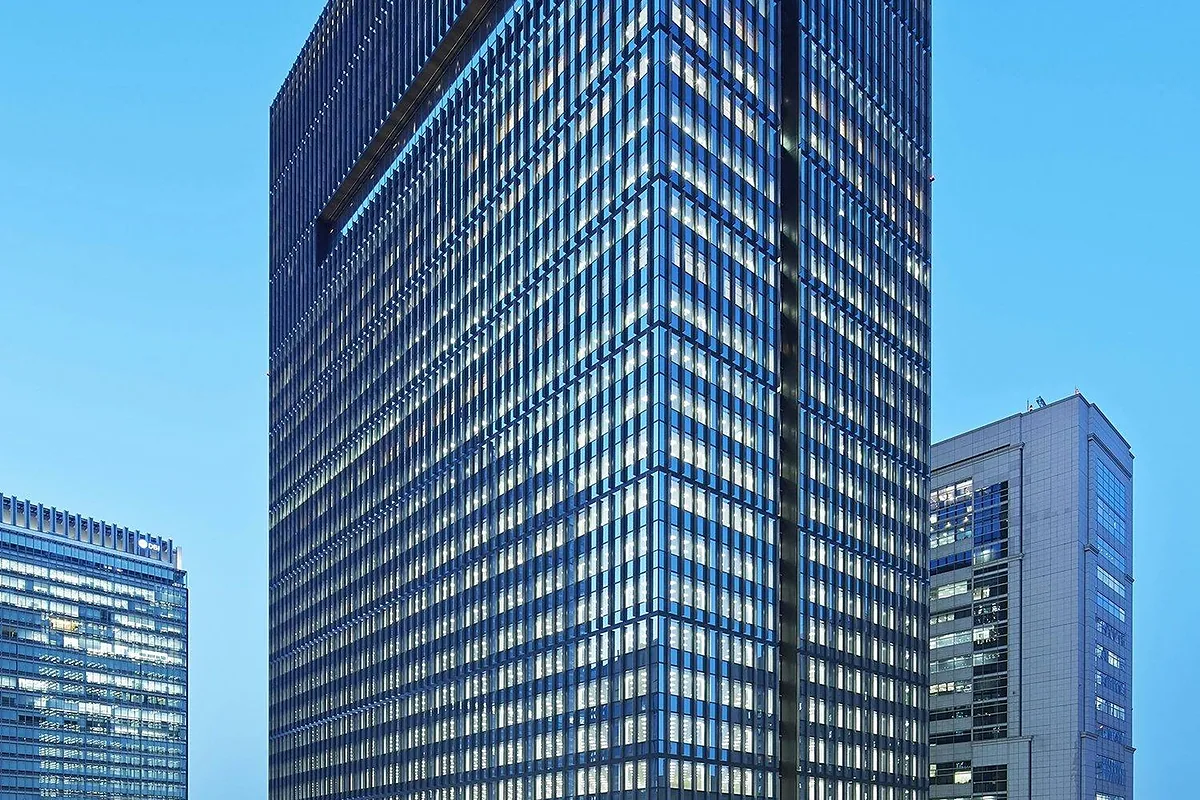
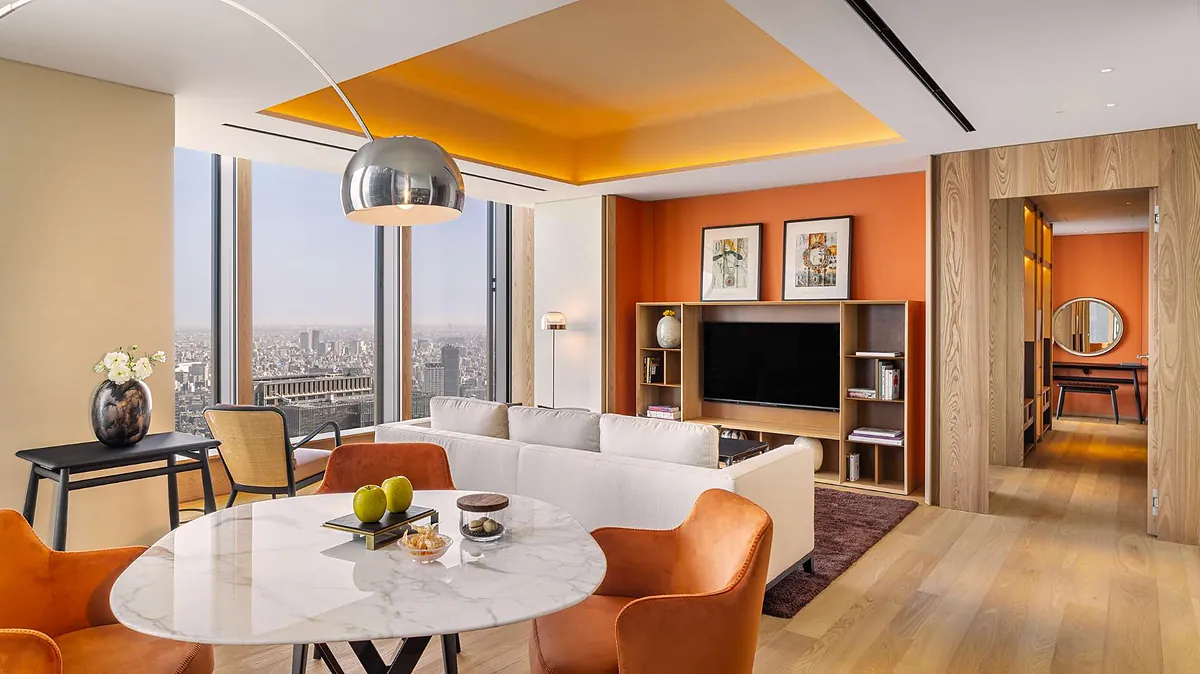
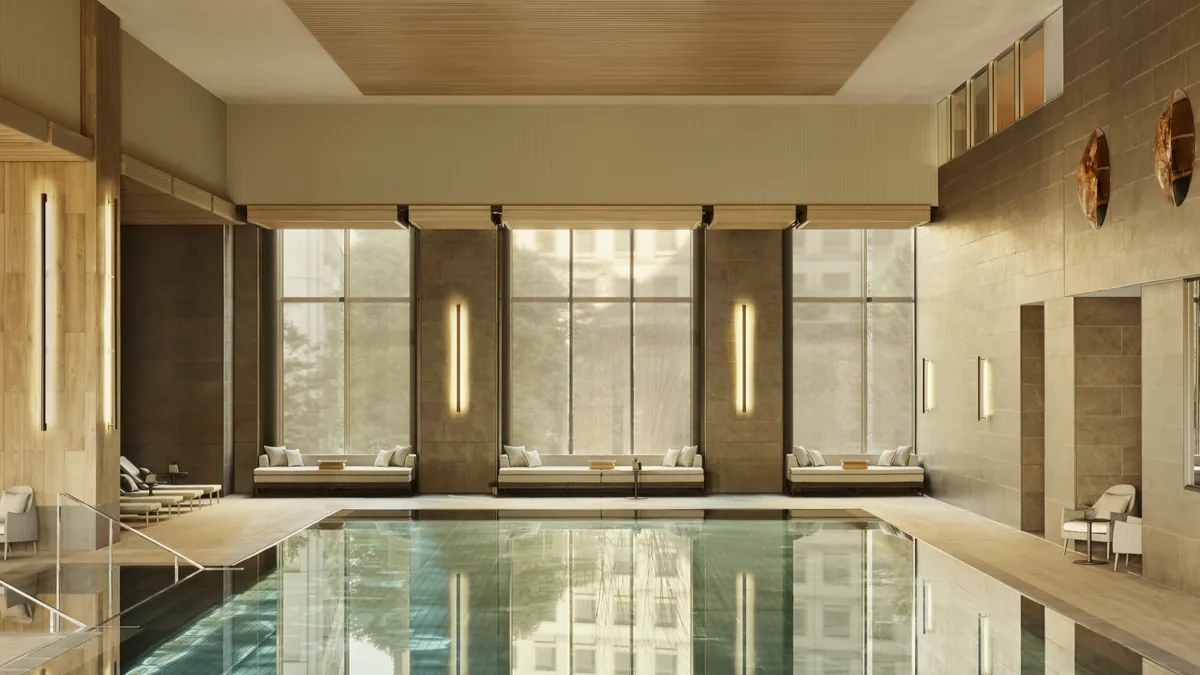
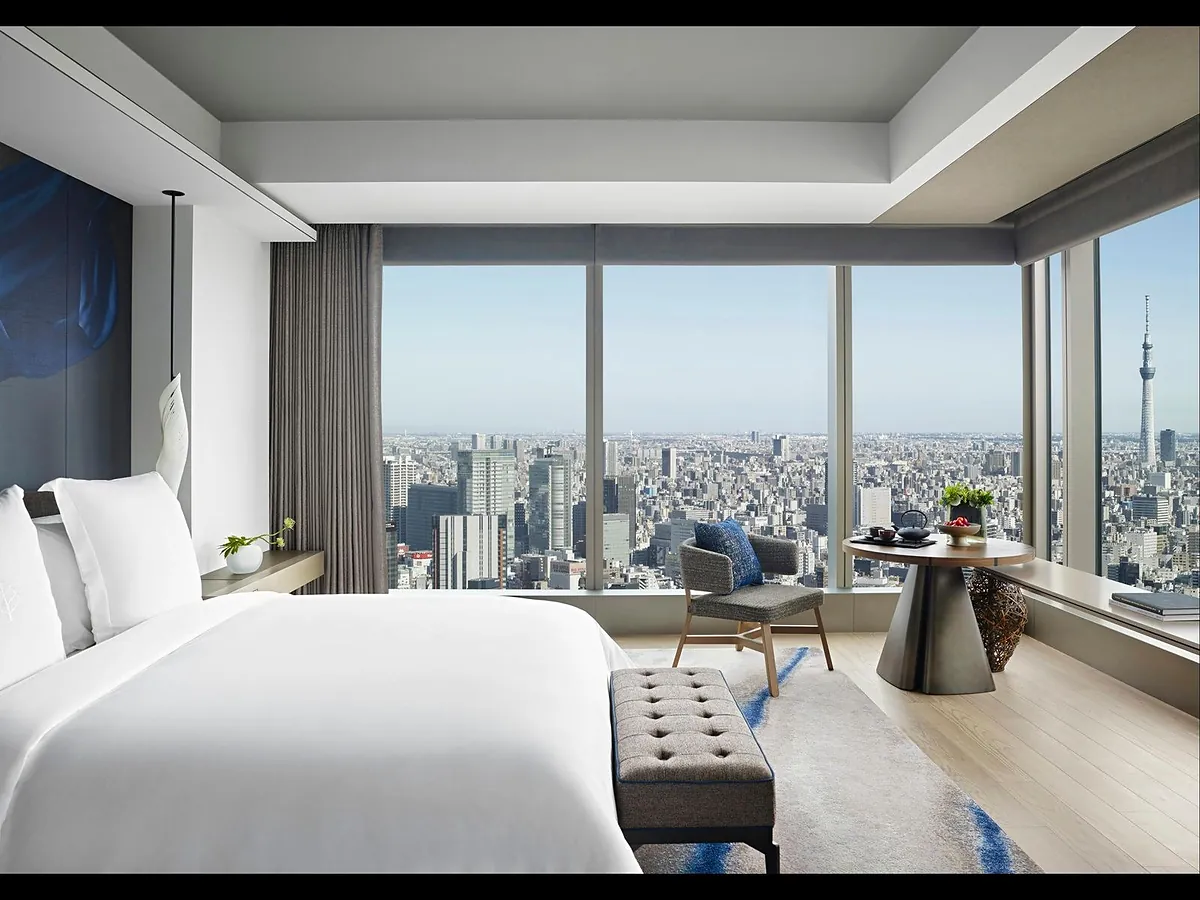
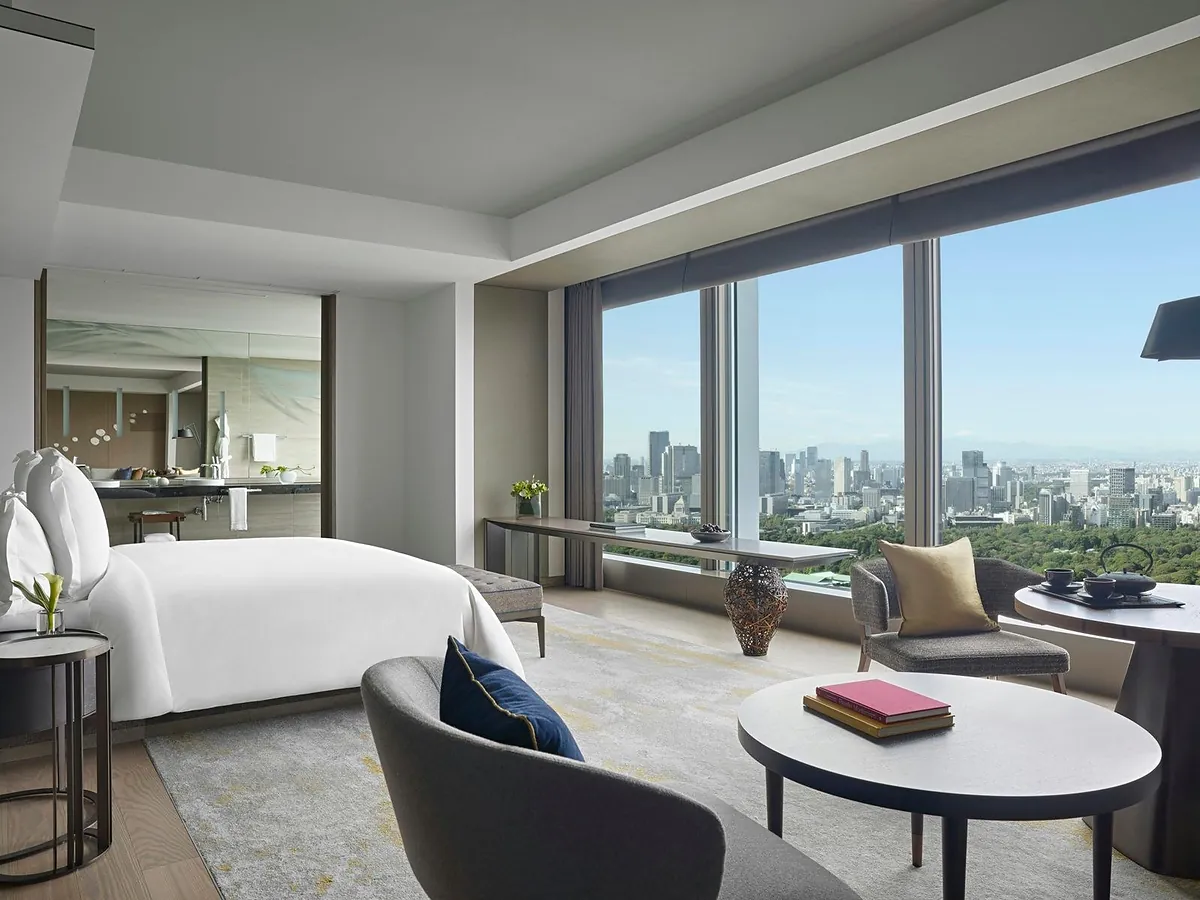
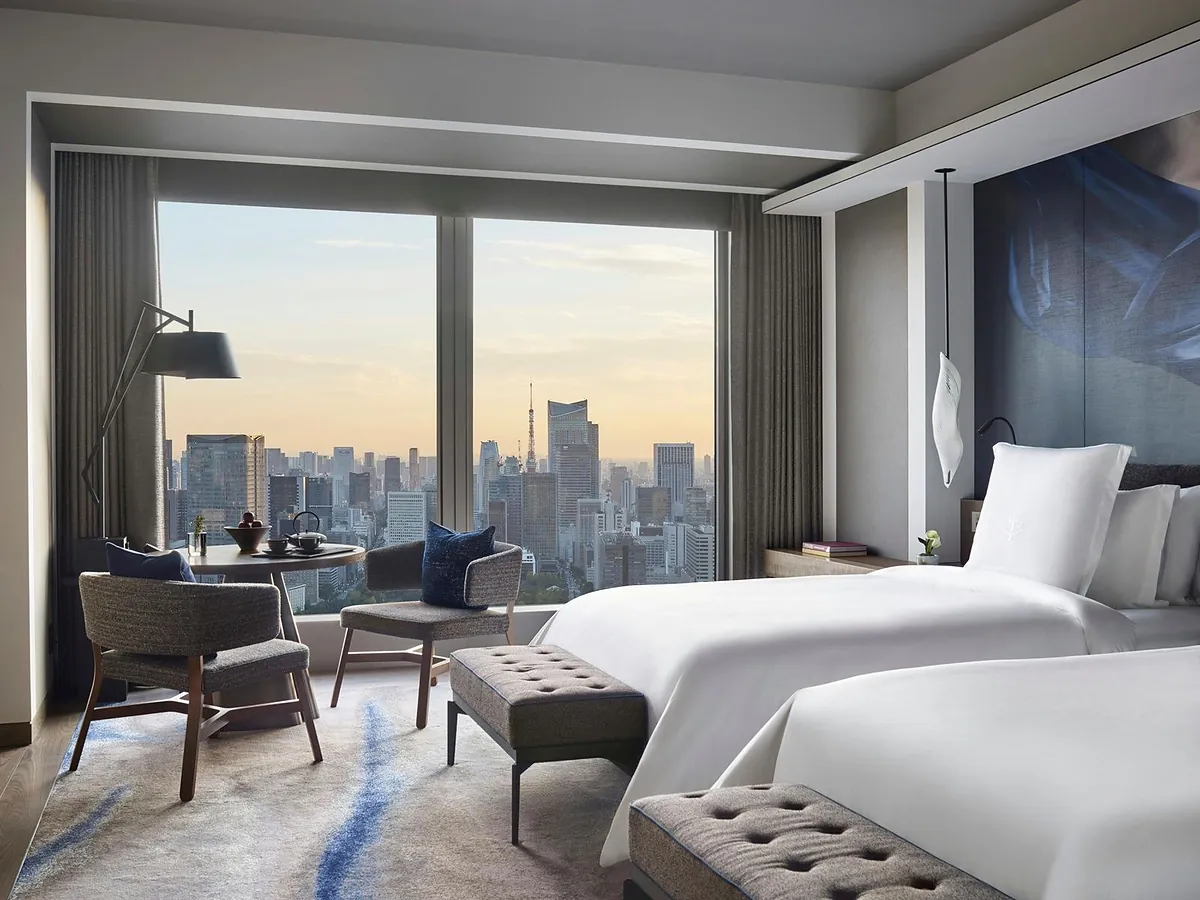
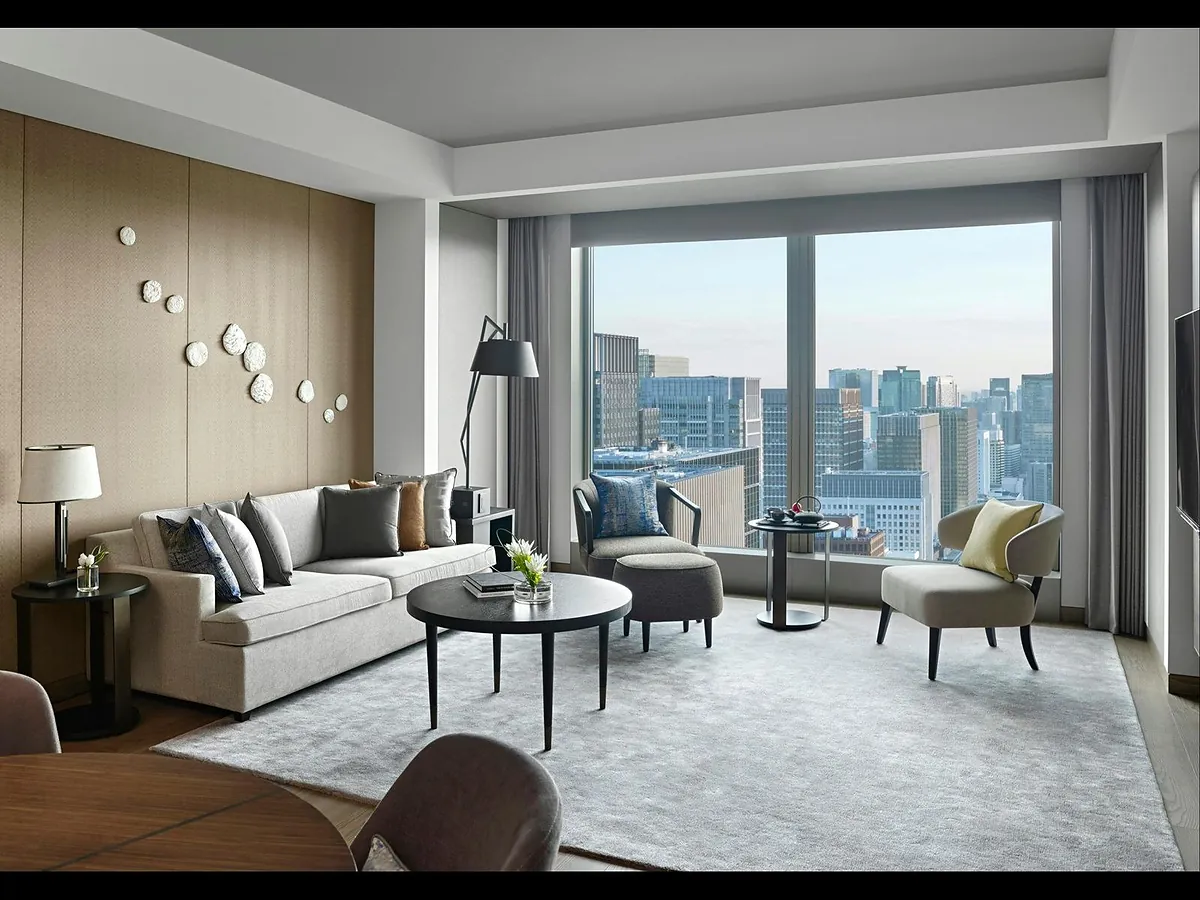
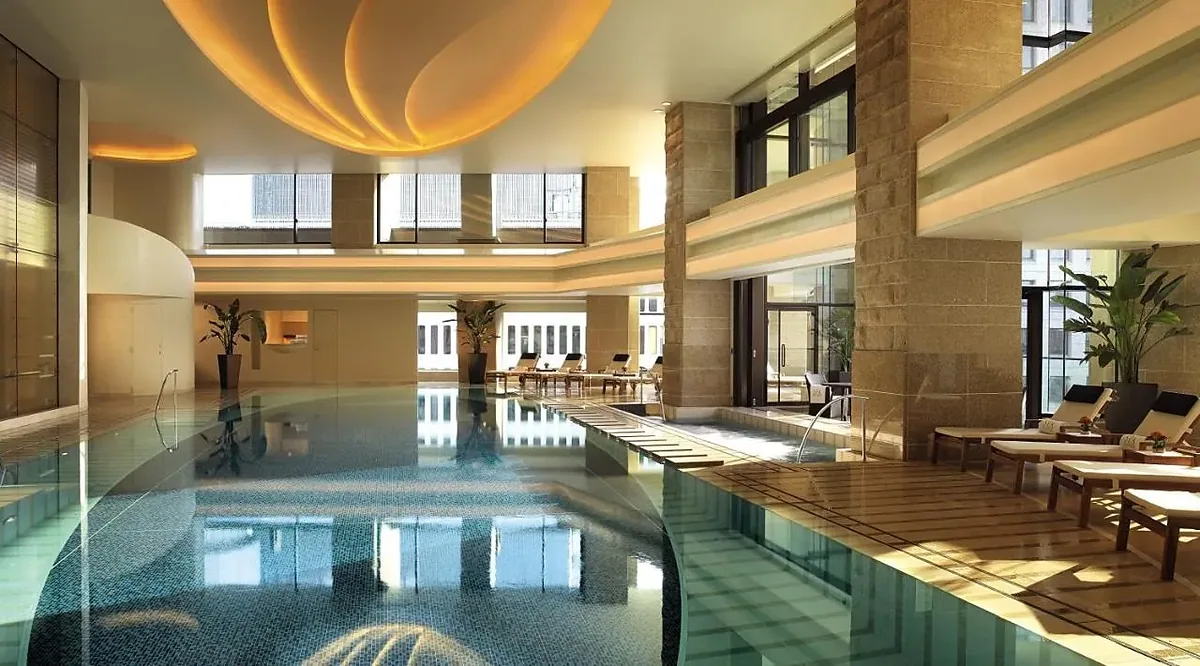
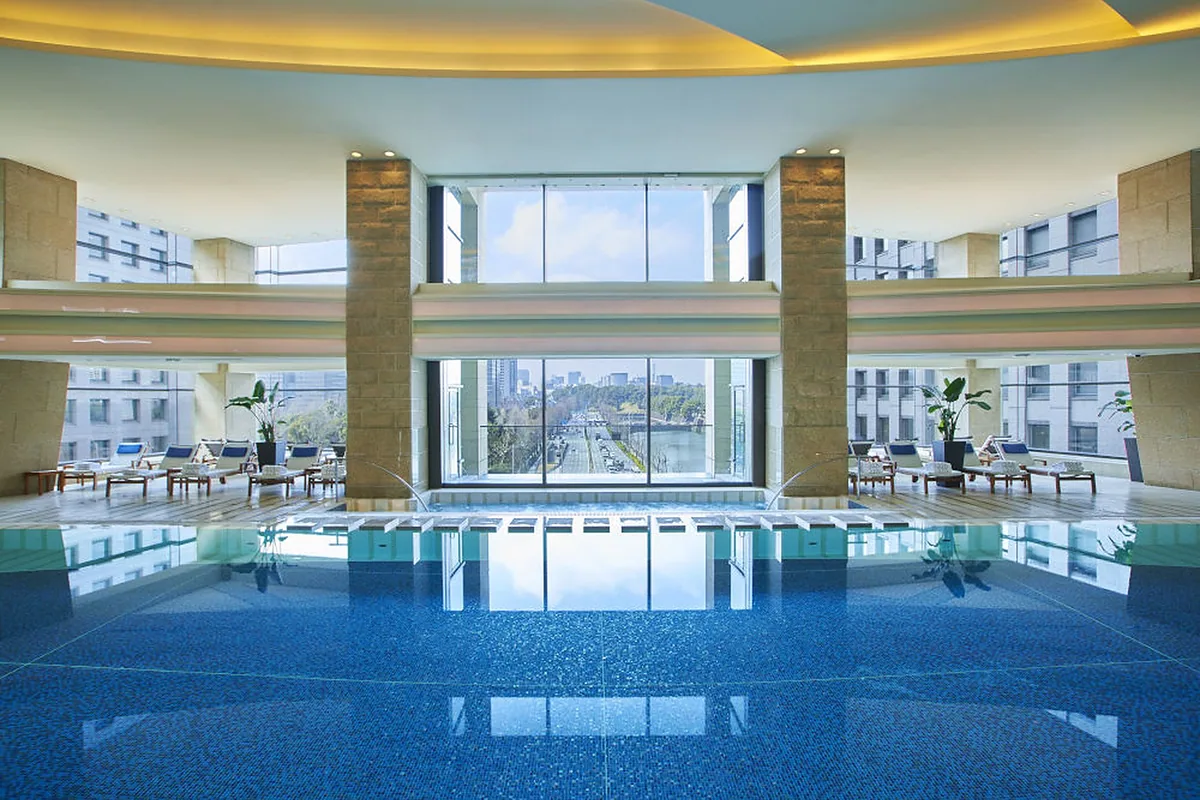
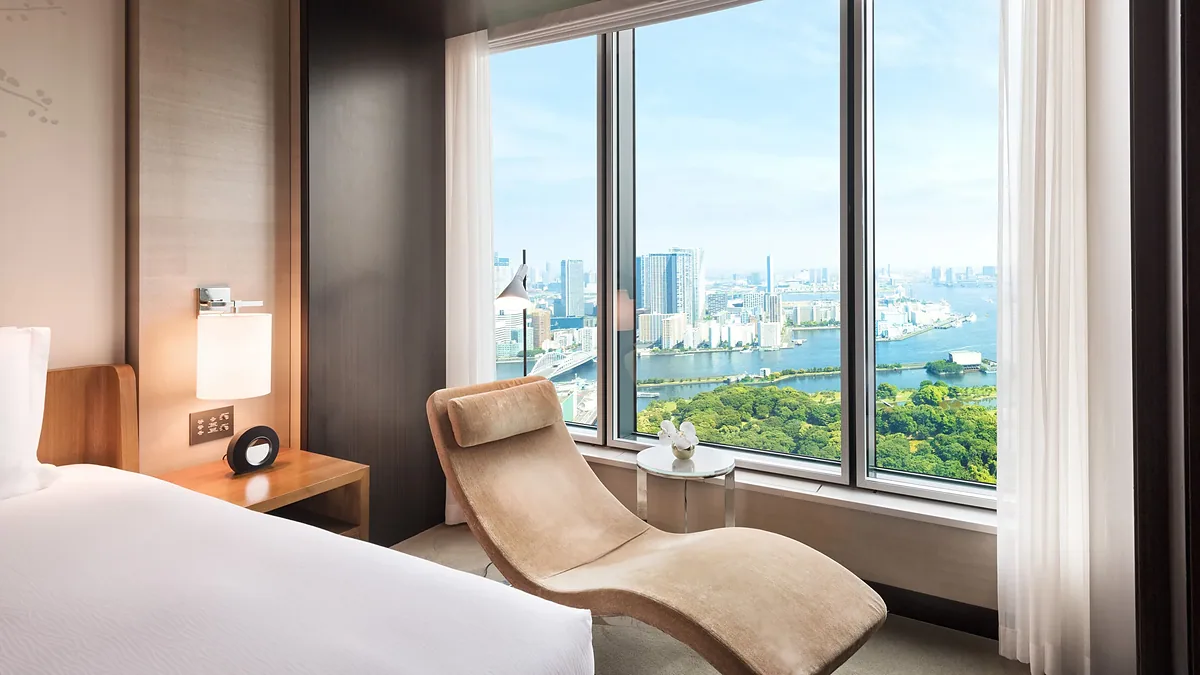
Aman Tokyo is the best luxury hotel in Tokyo for 2026: 84 rooms from 71 square metres on floors 33 to 38 of Otemachi Tower, a 30 metre pool, and 11th place in The World's 50 Best Hotels 2026. Bulgari Hotel Tokyo in Yaesu and Four Seasons Hotel Tokyo at Otemachi, both holding three Michelin Keys, complete the top three.
Bookings through booking partners (Booking.com or Expedia) may earn a commission at no extra cost to you. No hotel pays to appear in this ranking. Official site links are not sponsored.
US$1,237Indicative, checked 23 October 2026Check rates
Where to stay in Tokyo: six luxury neighbourhoods
Choose the neighbourhood before the room. Otemachi and Marunouchi make the first stay easier around Tokyo Station and the palace. Ginza and Hibiya suit shopping, while Toranomon and Azabudai give repeat visitors a different base. Shinjuku is a deliberate west side choice, not a substitute for an east side station hotel.
Luxury travellers who want quiet nights usually avoid the busiest entertainment streets around Kabukicho; the late activity is the attraction for some guests and the drawback for others.
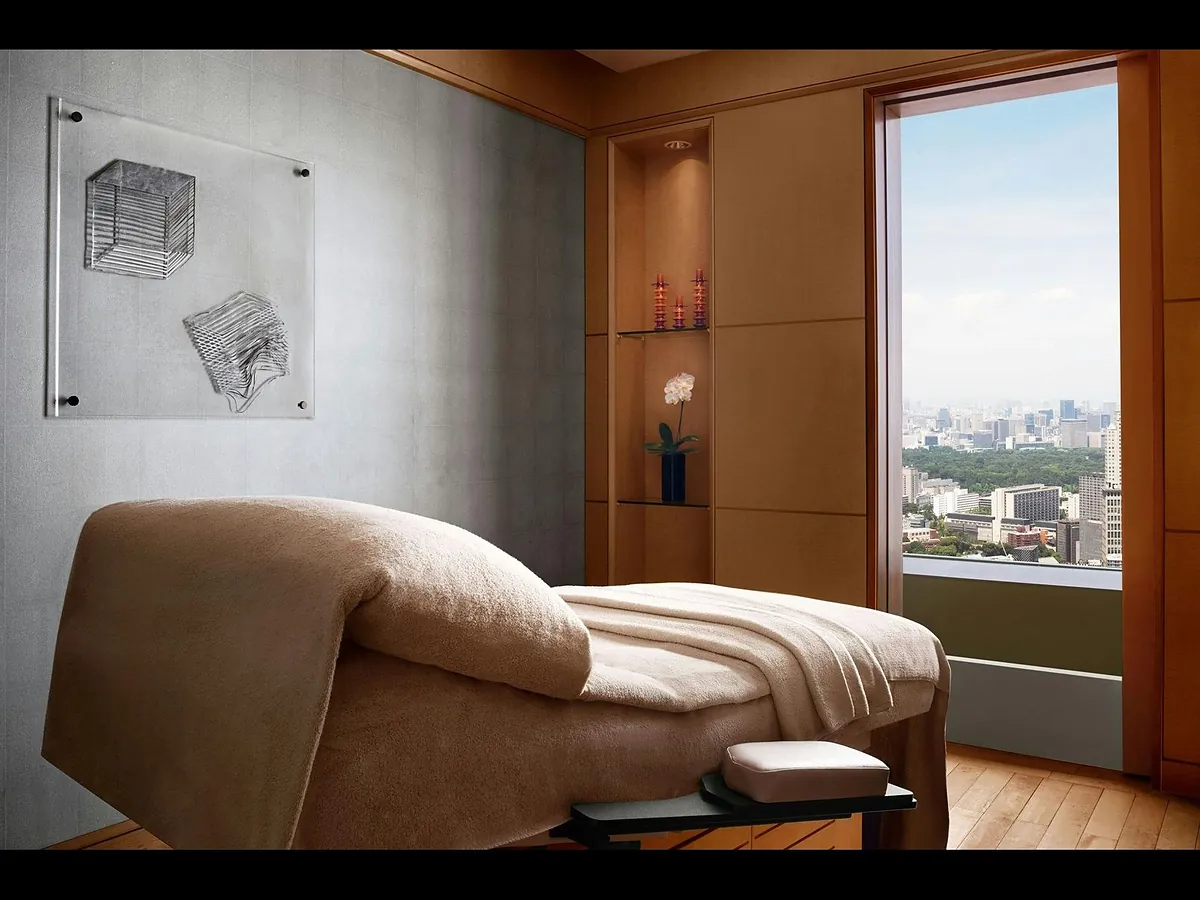
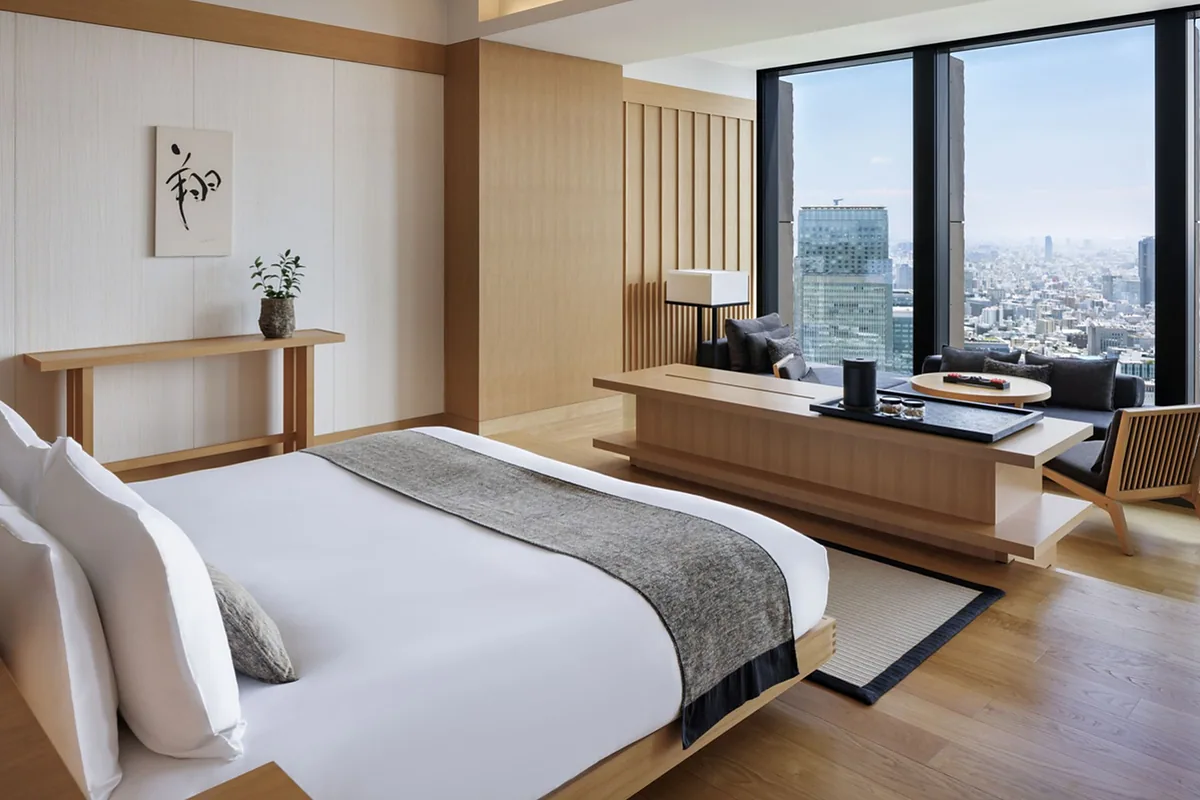
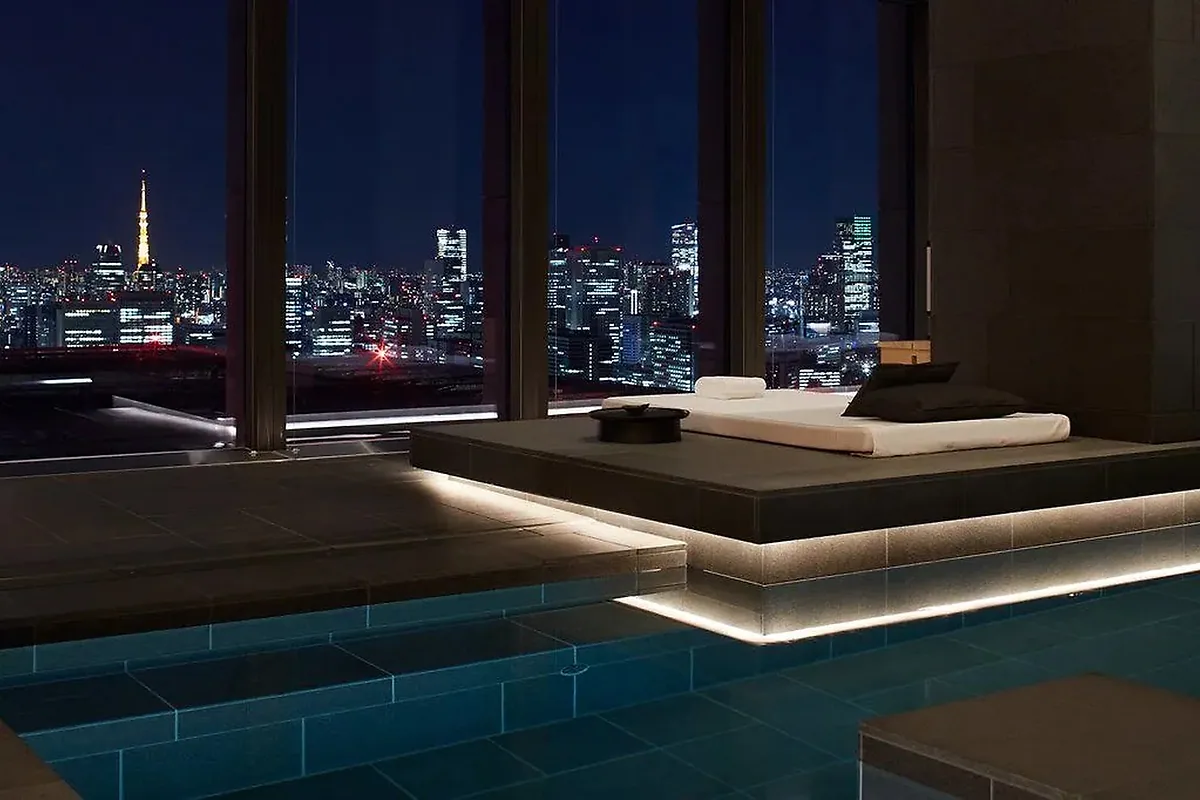
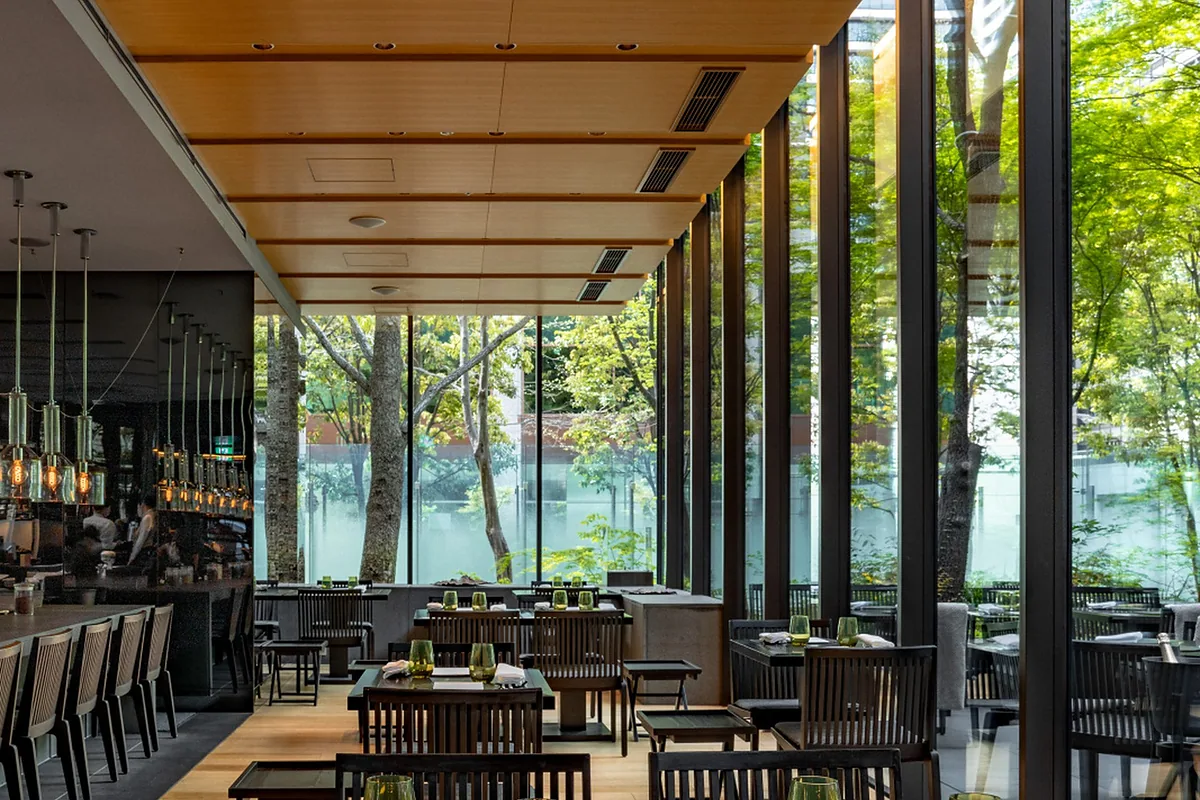
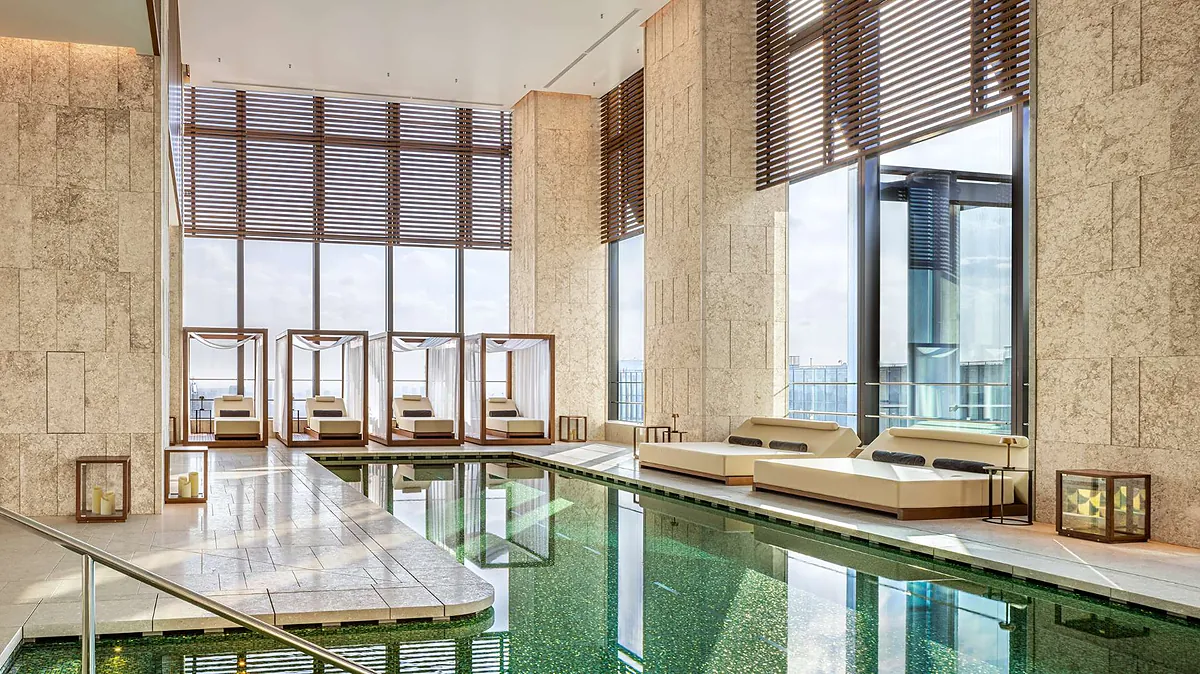
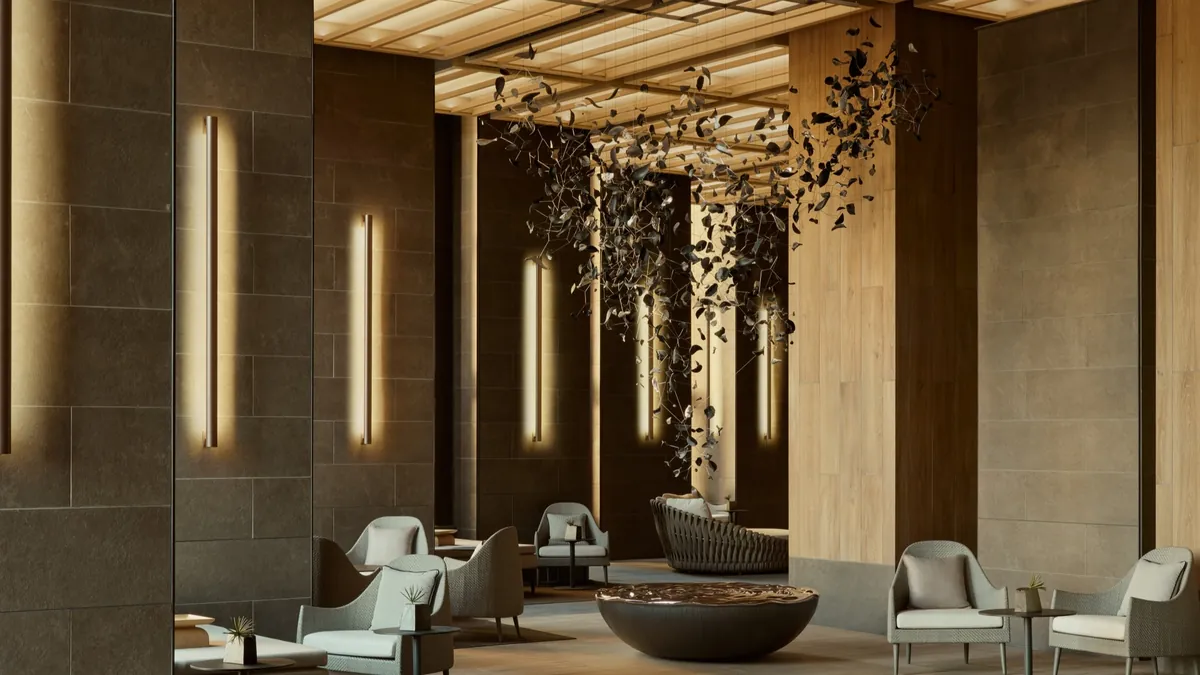
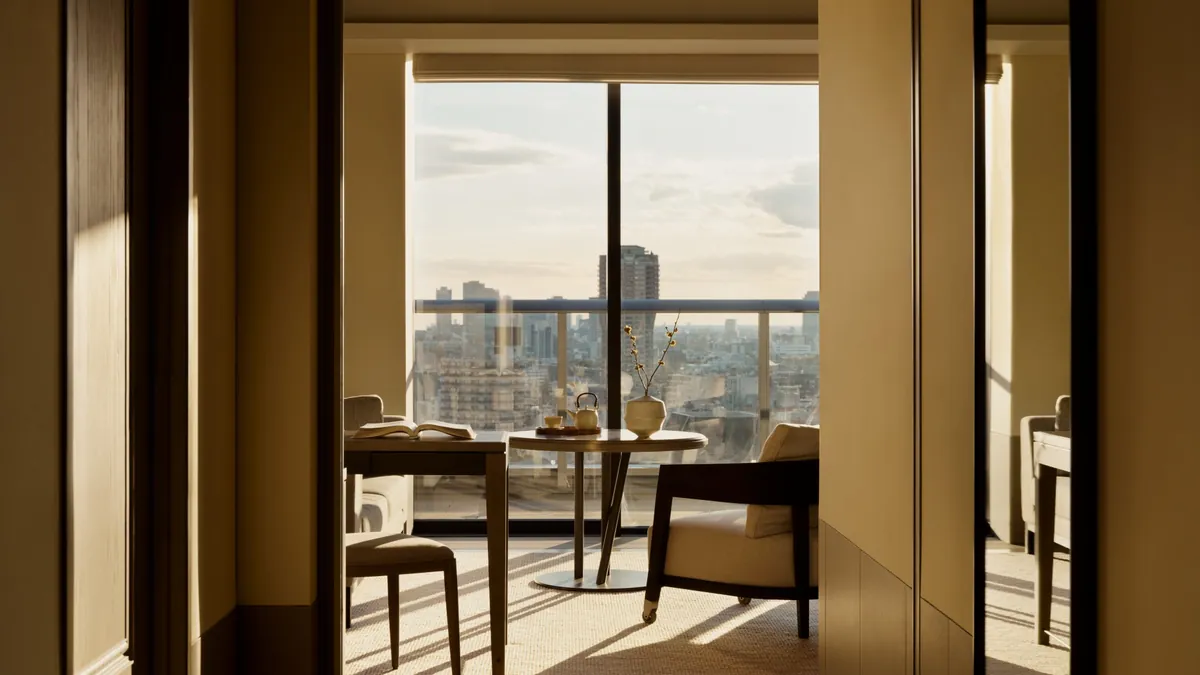
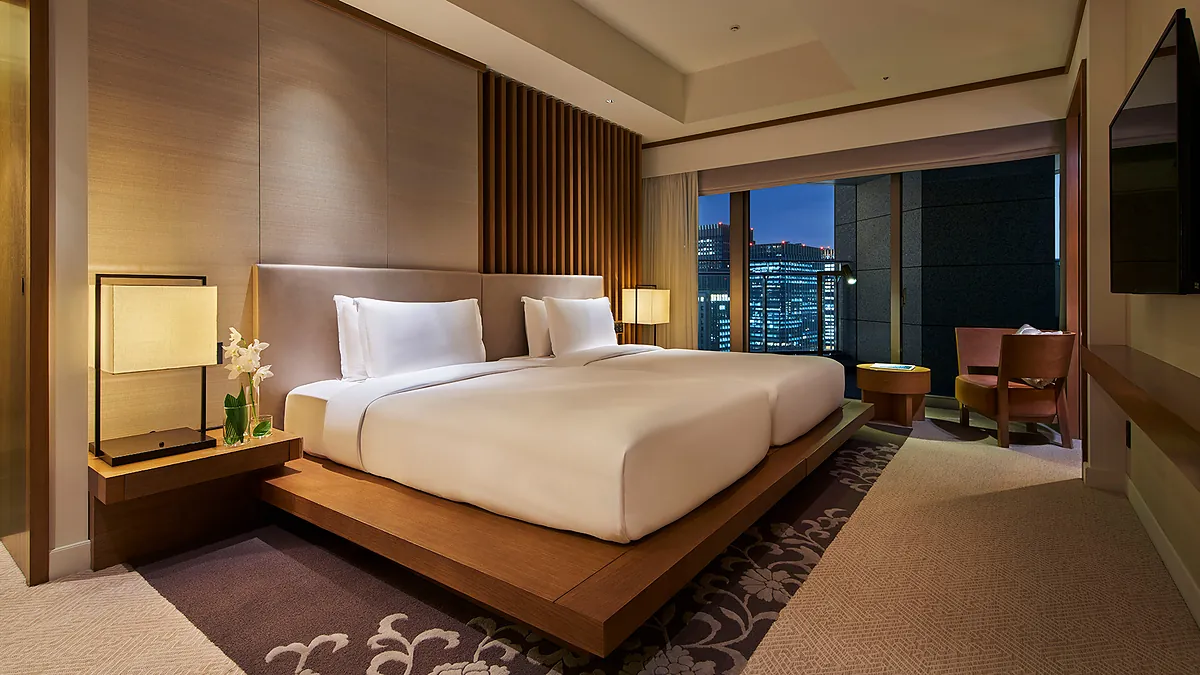
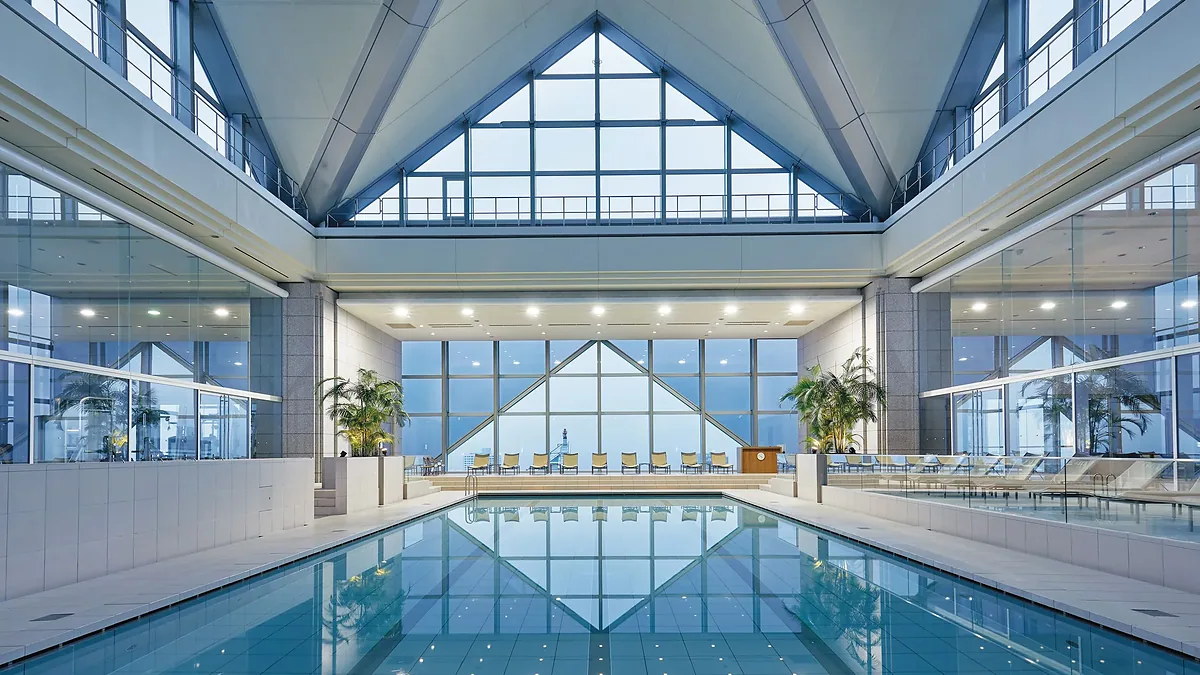
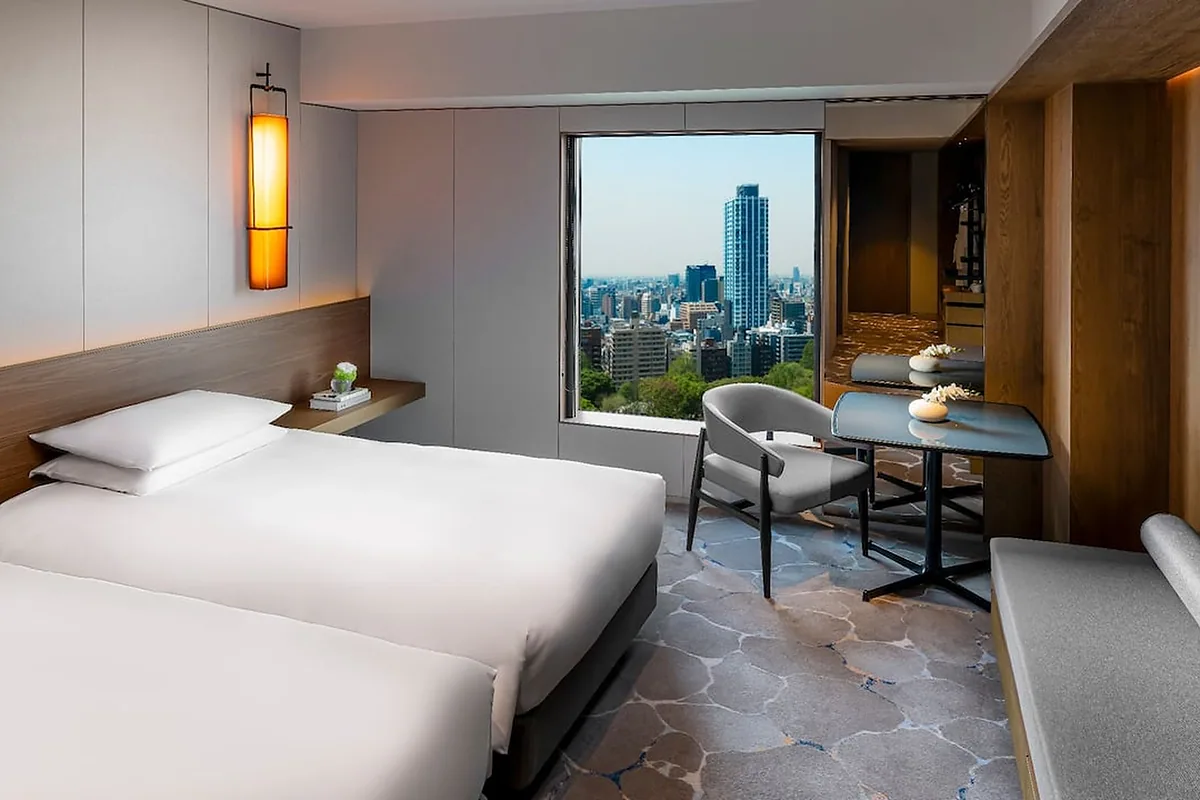
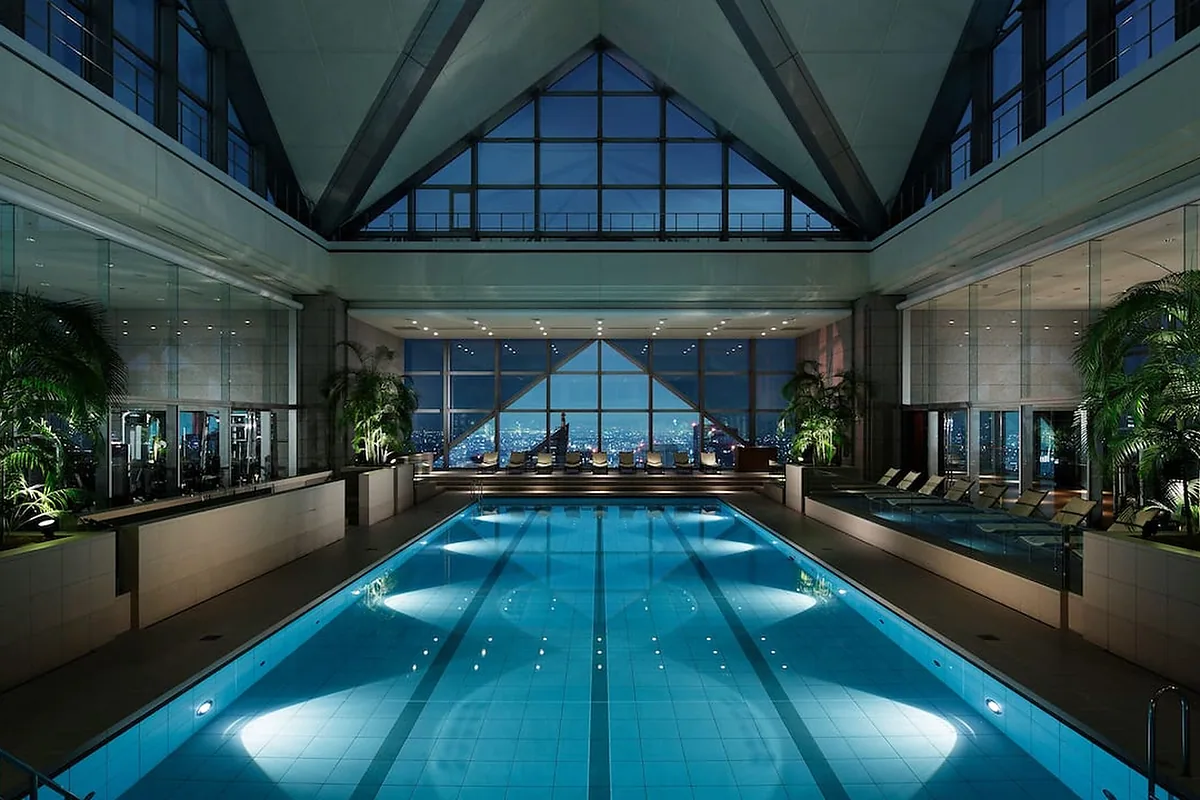
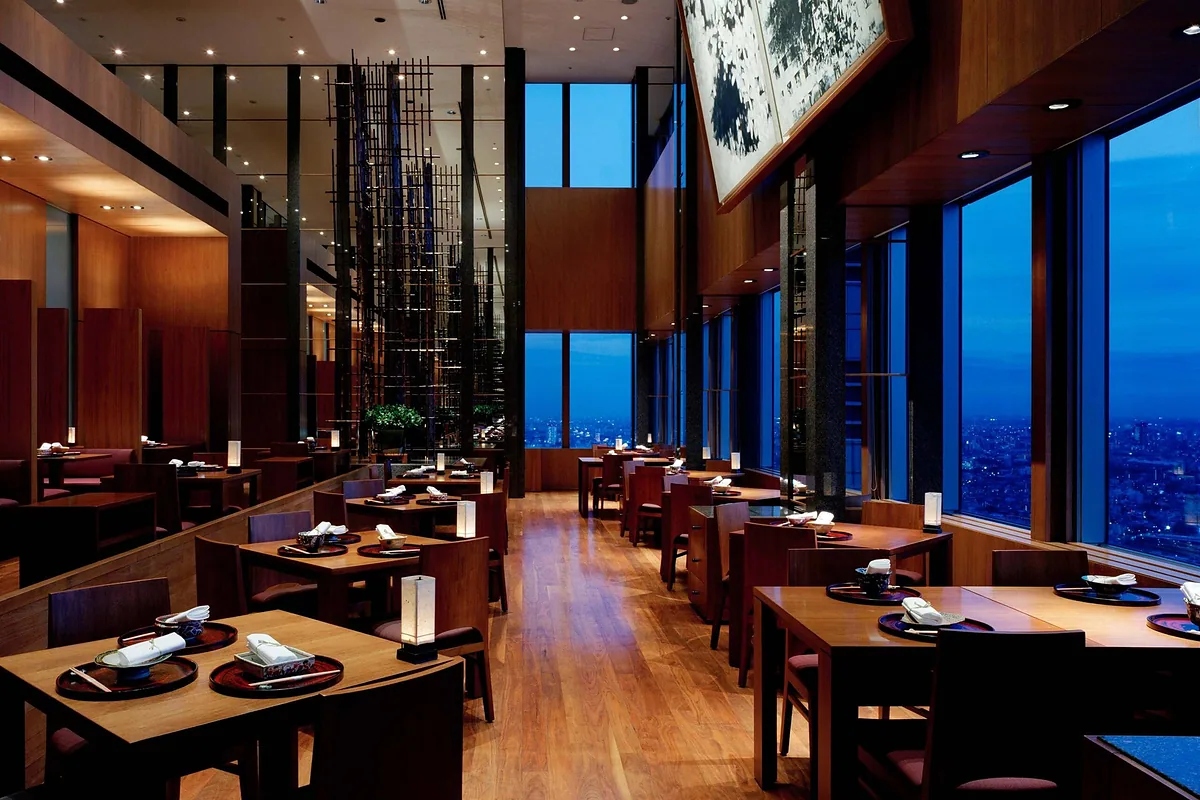
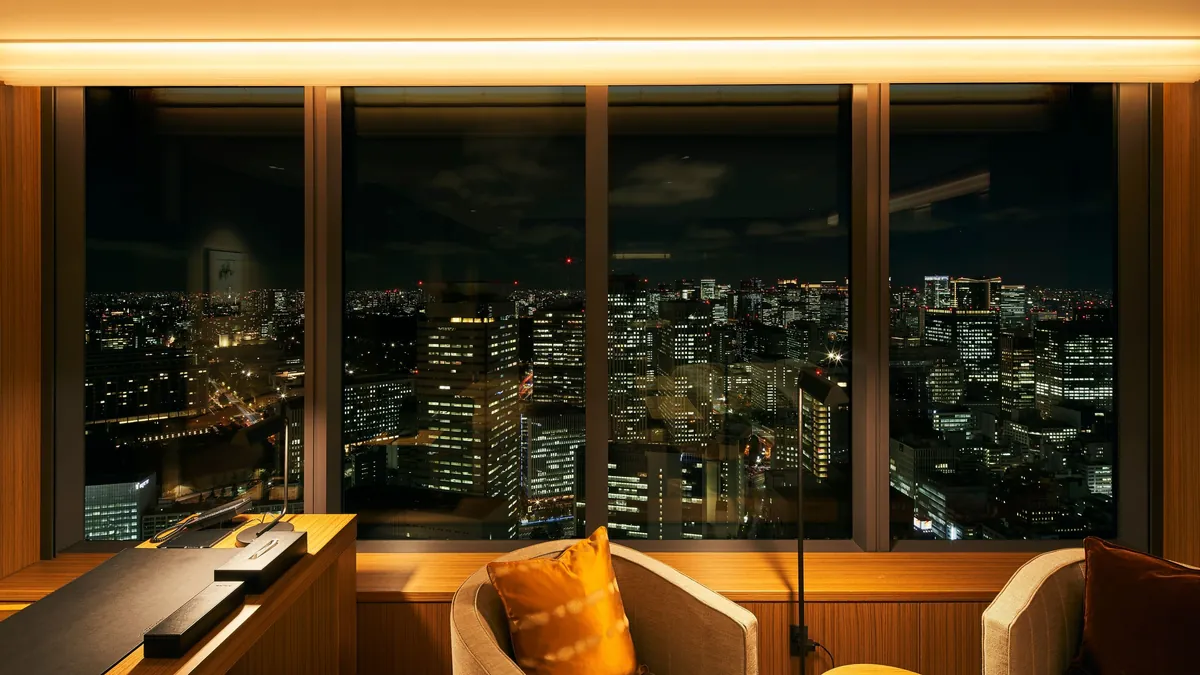
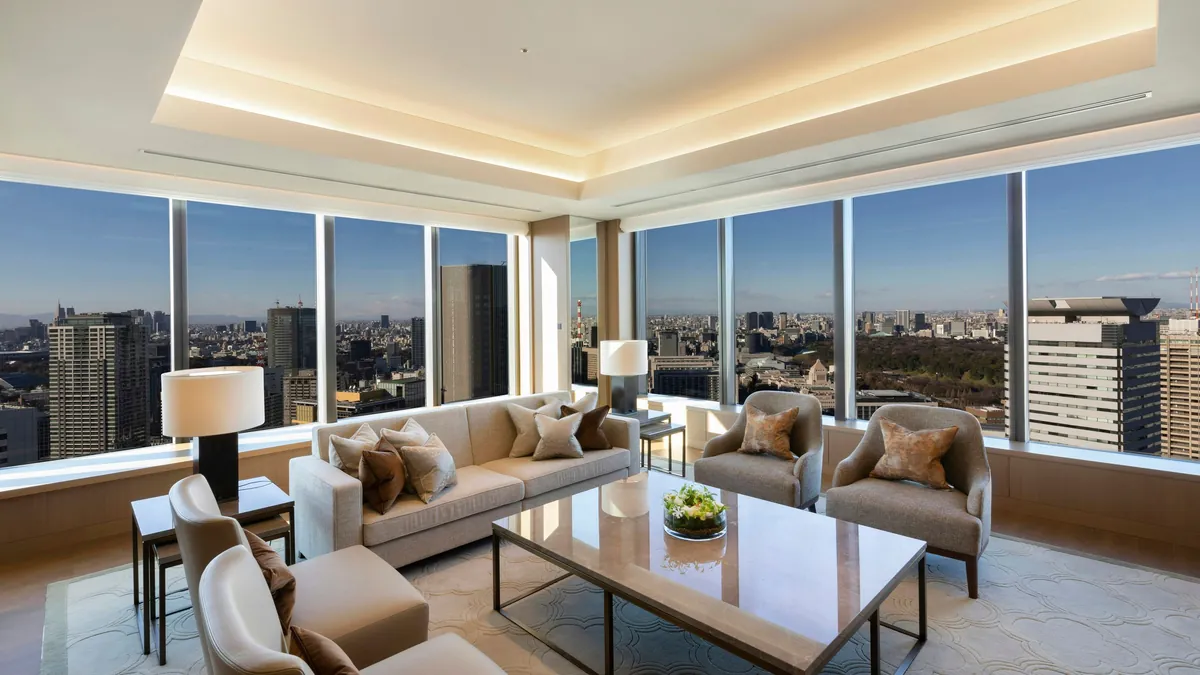
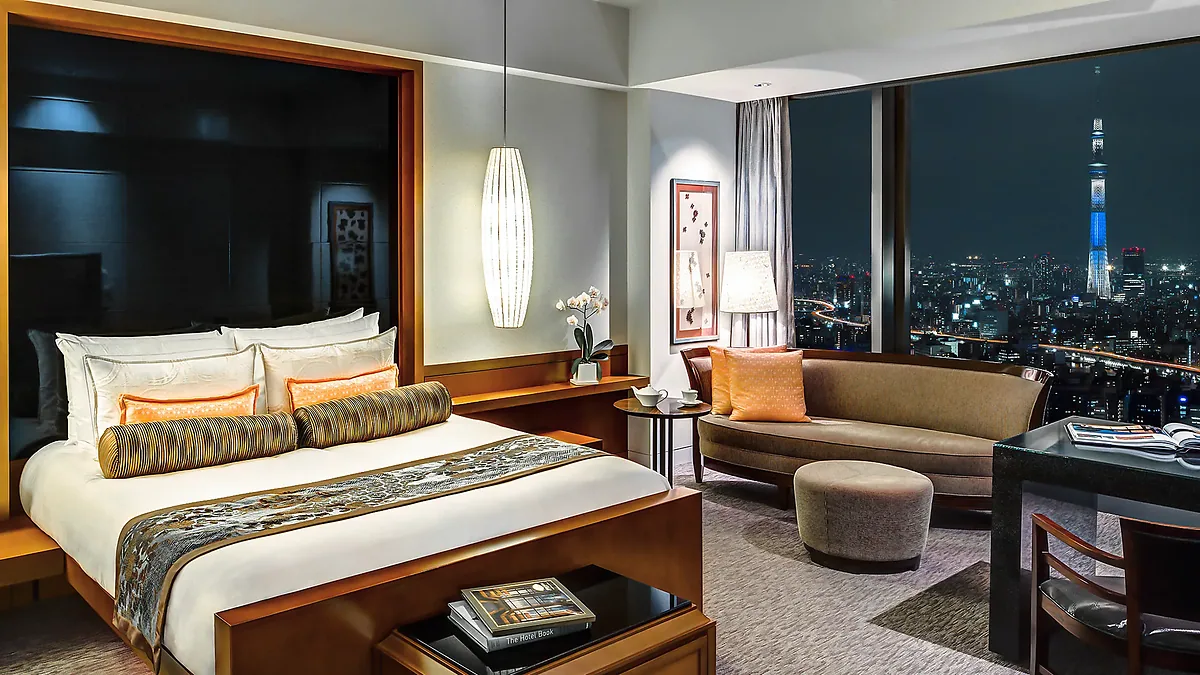
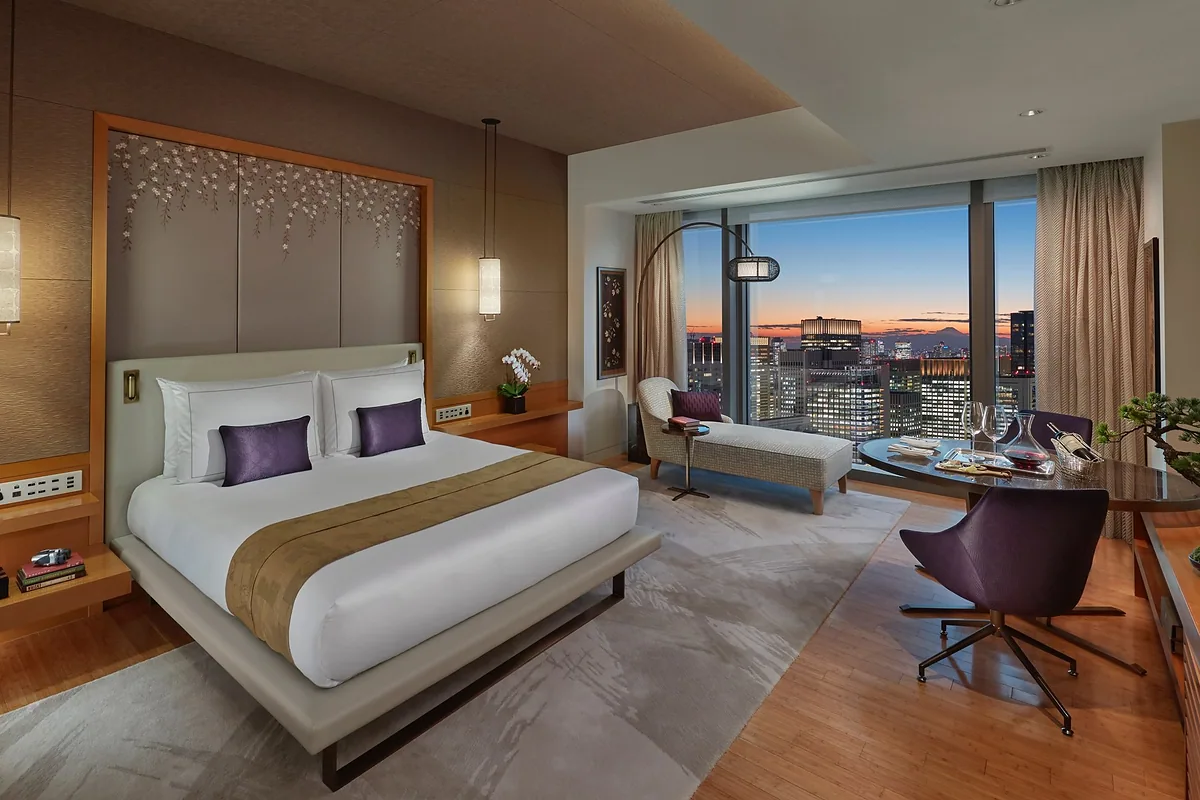
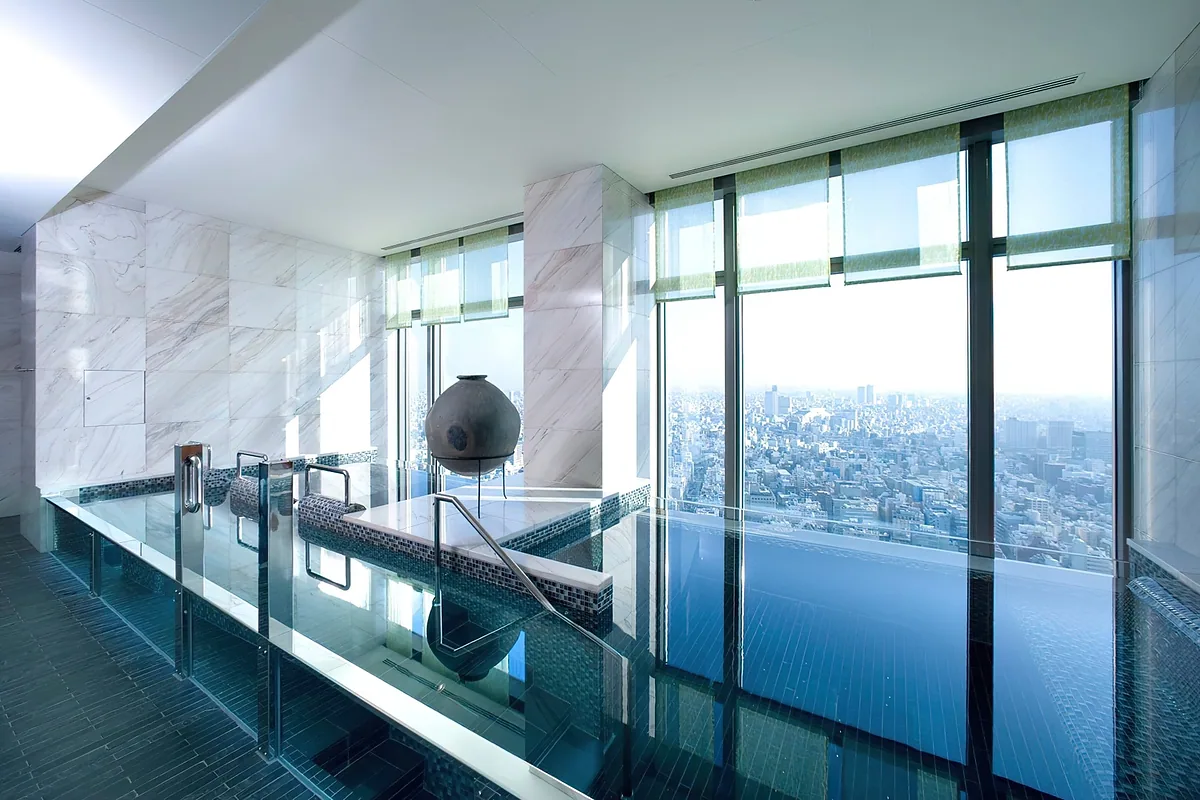
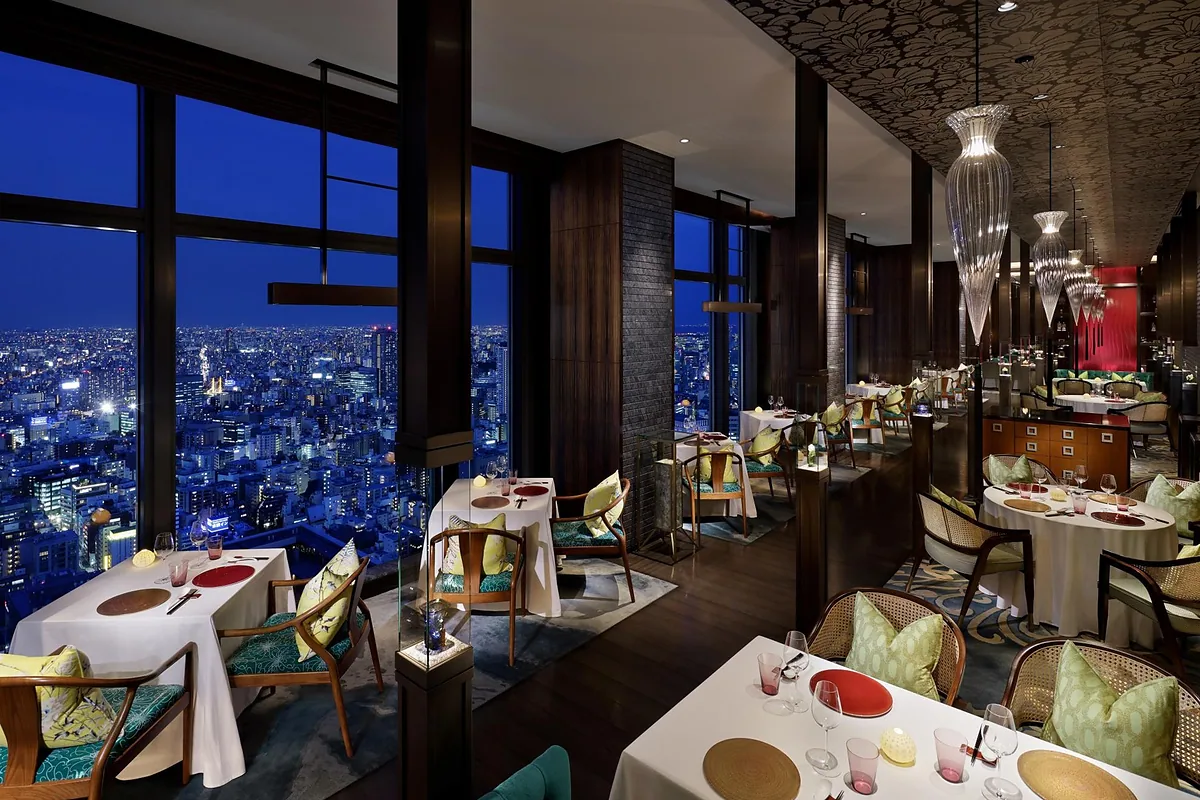
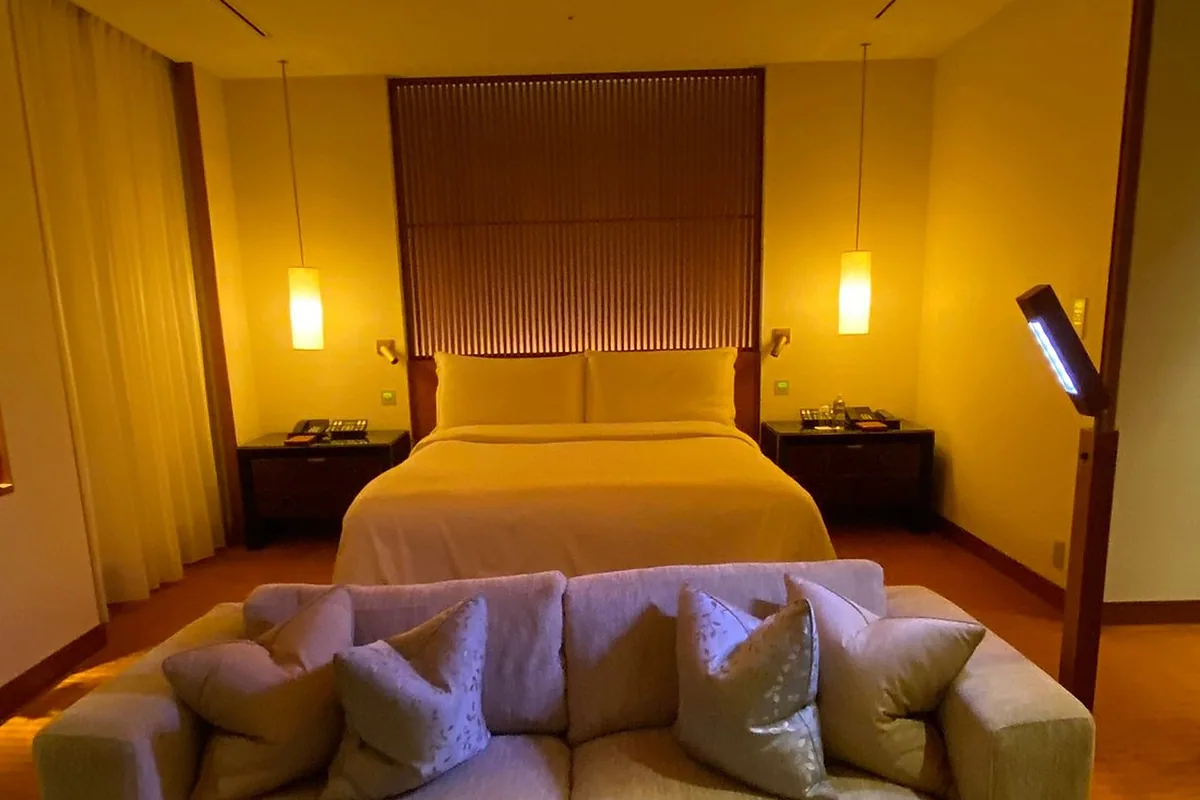
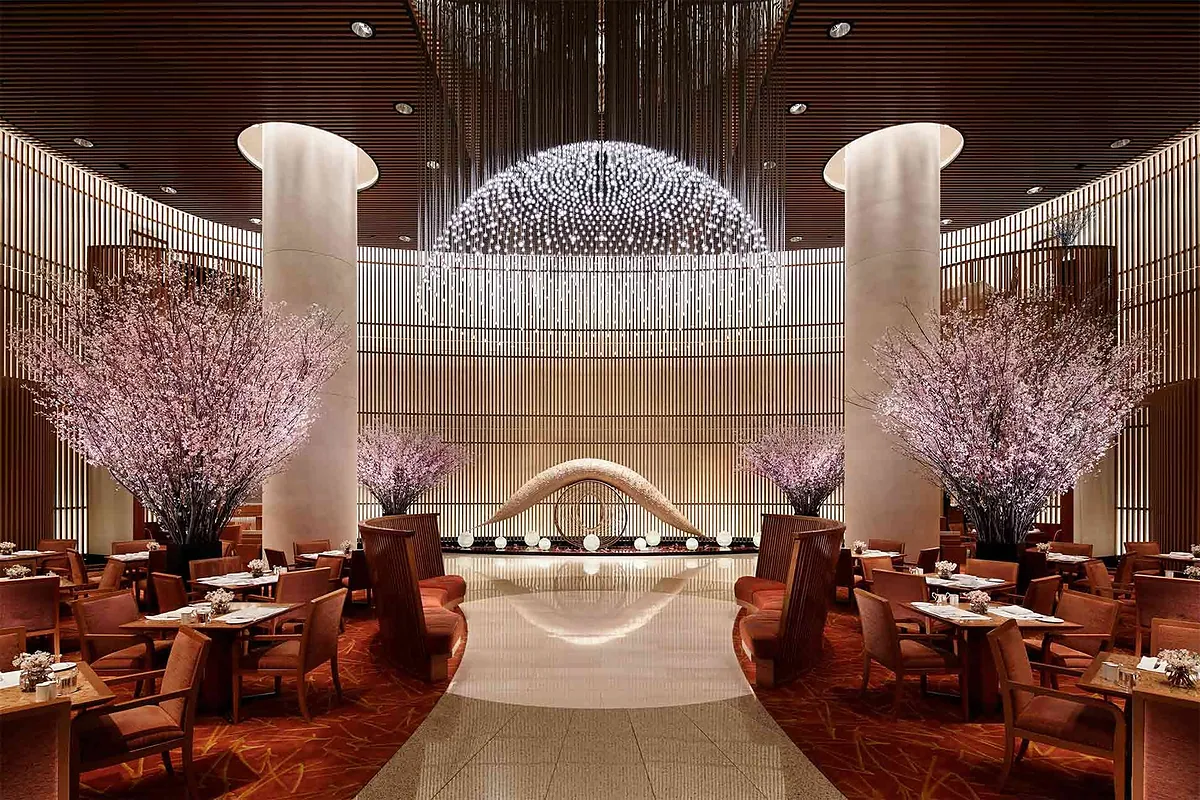
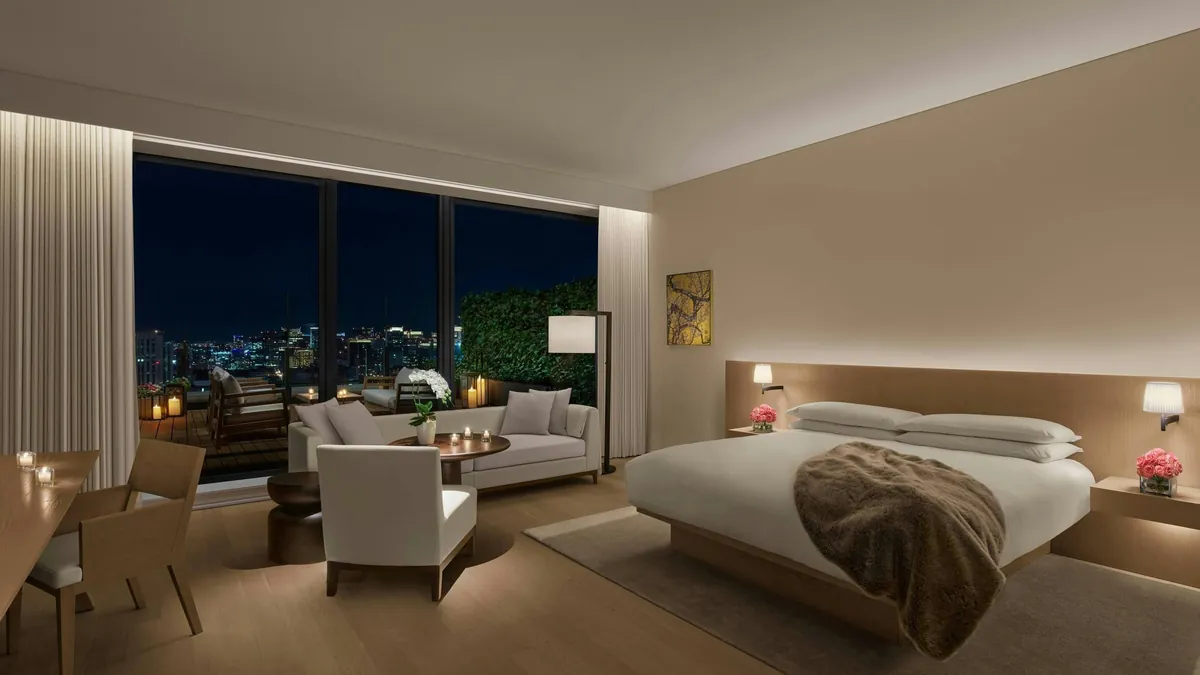
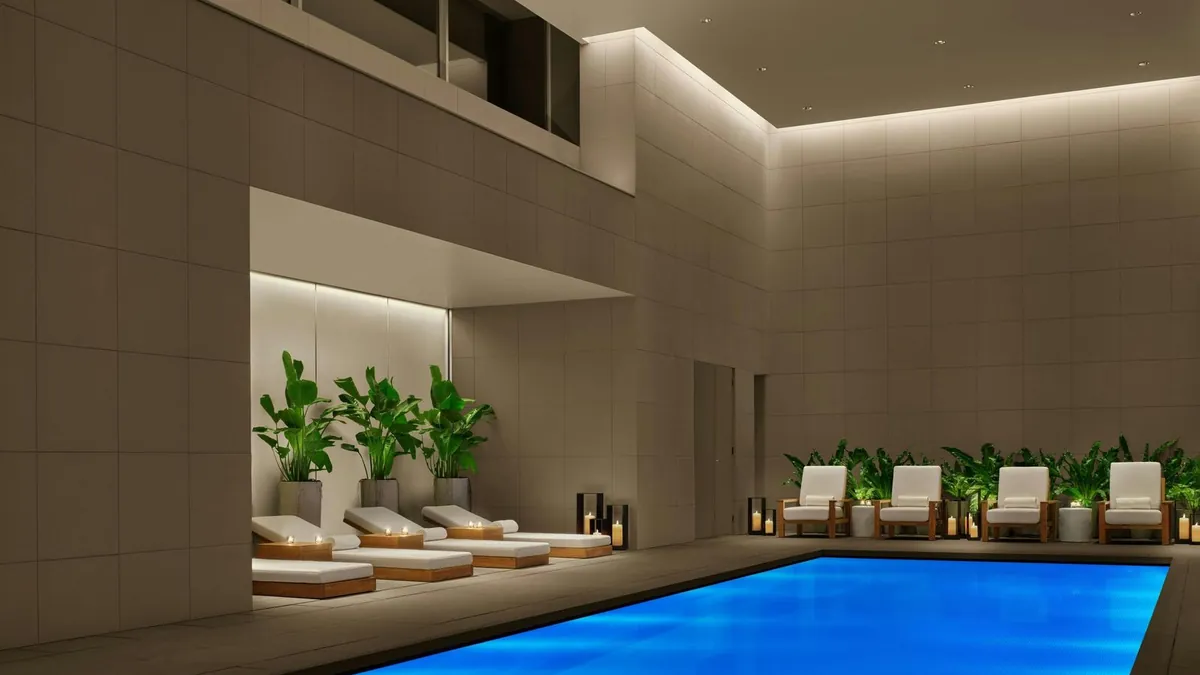
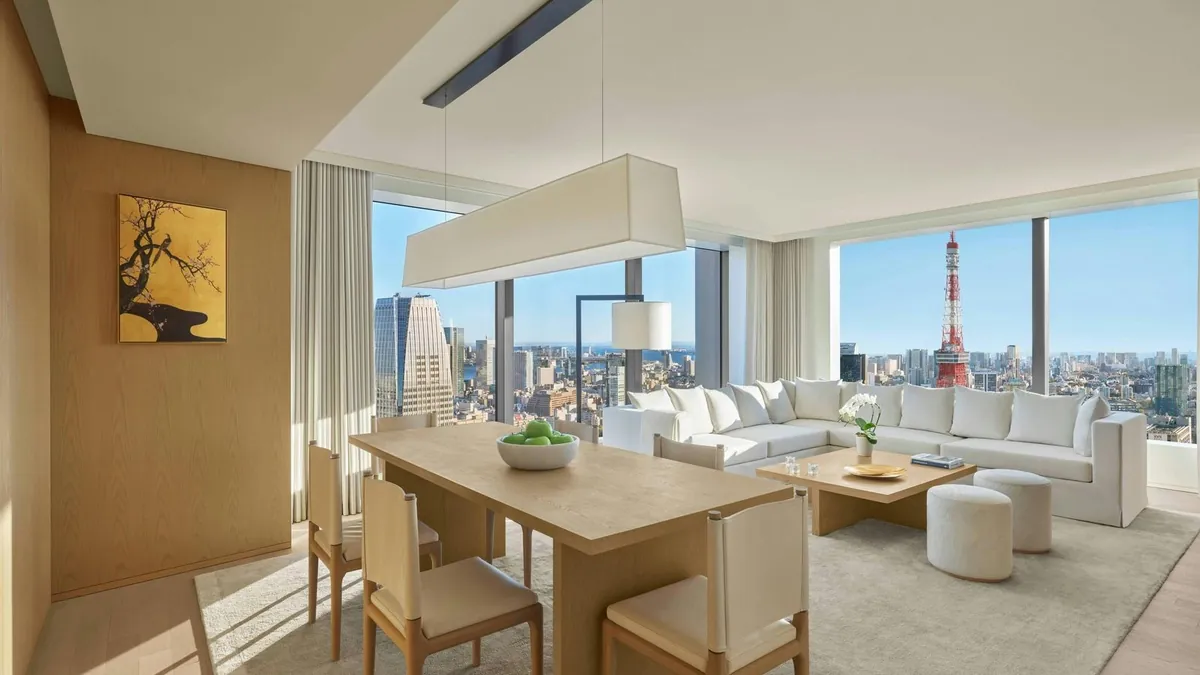
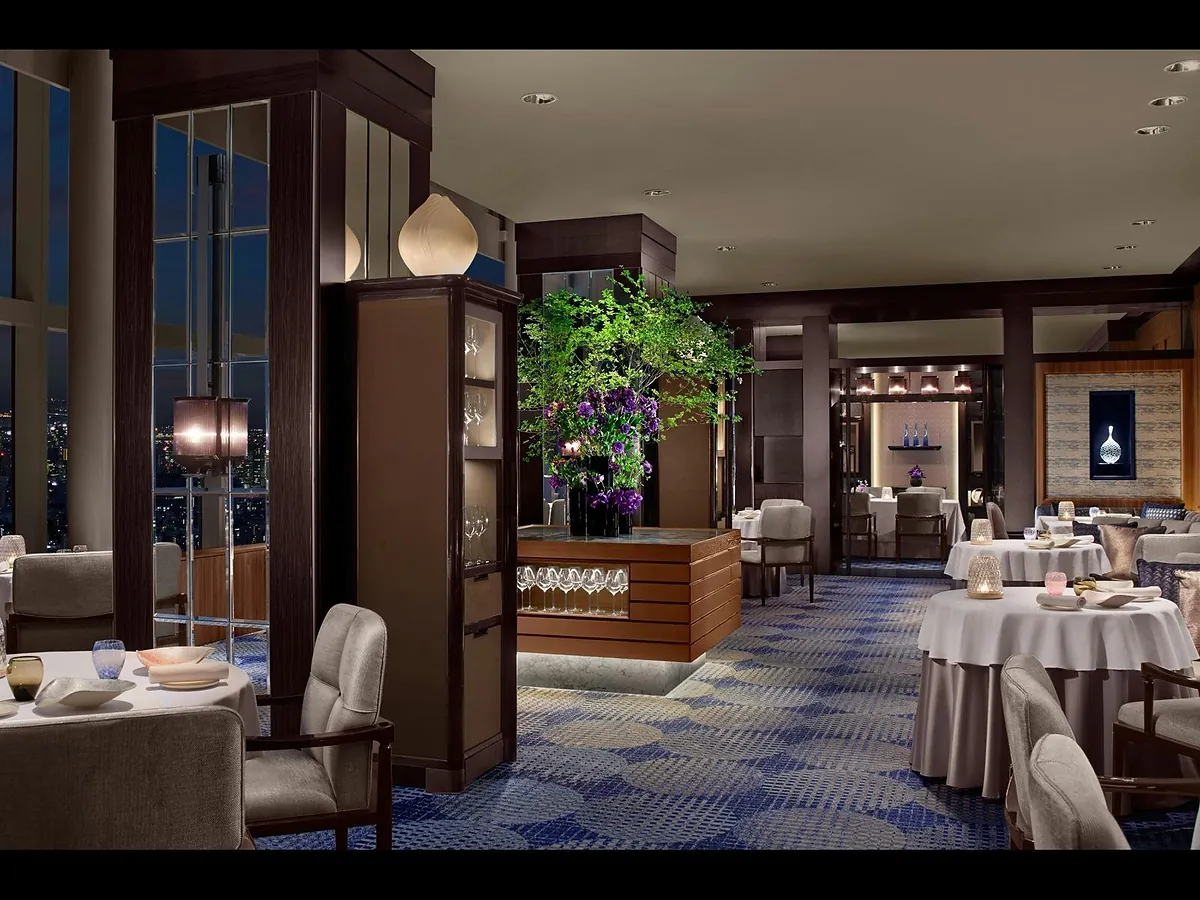
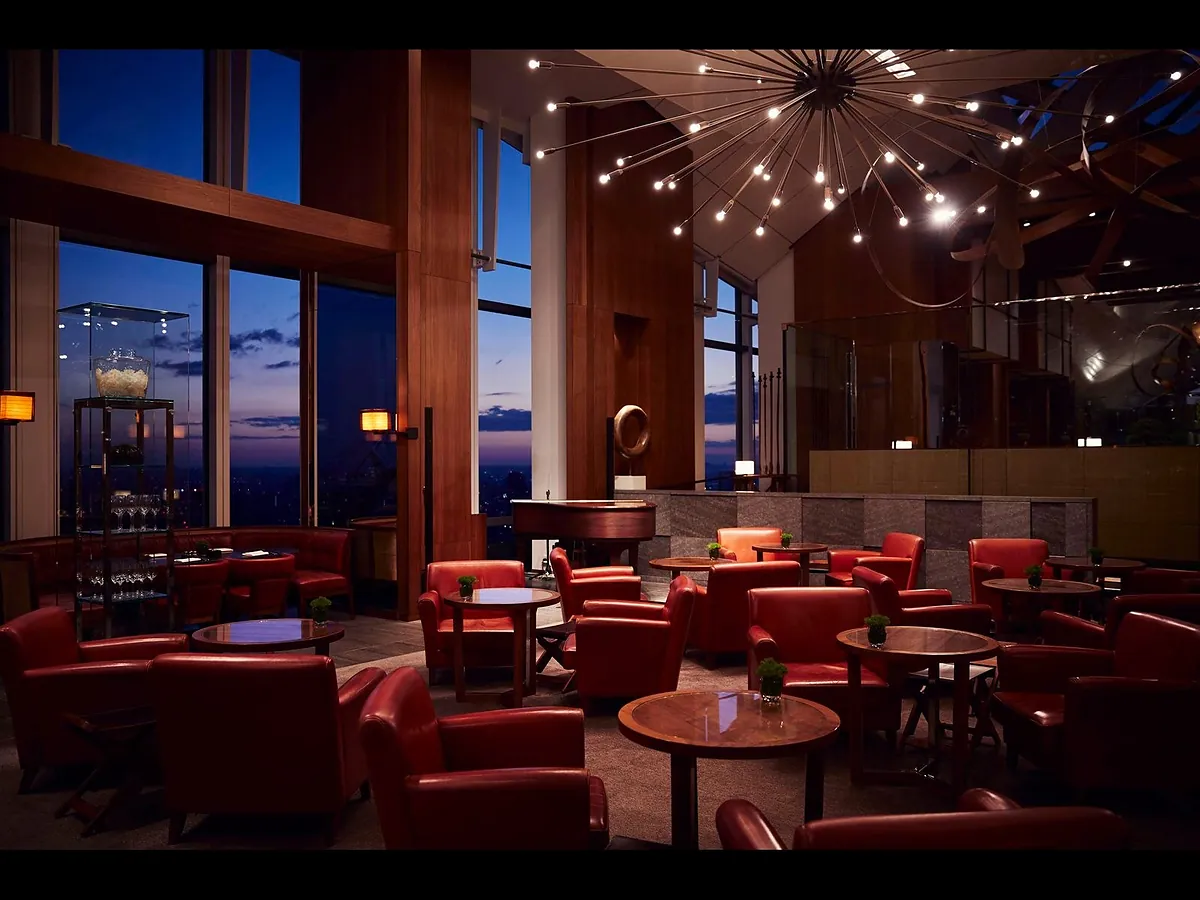
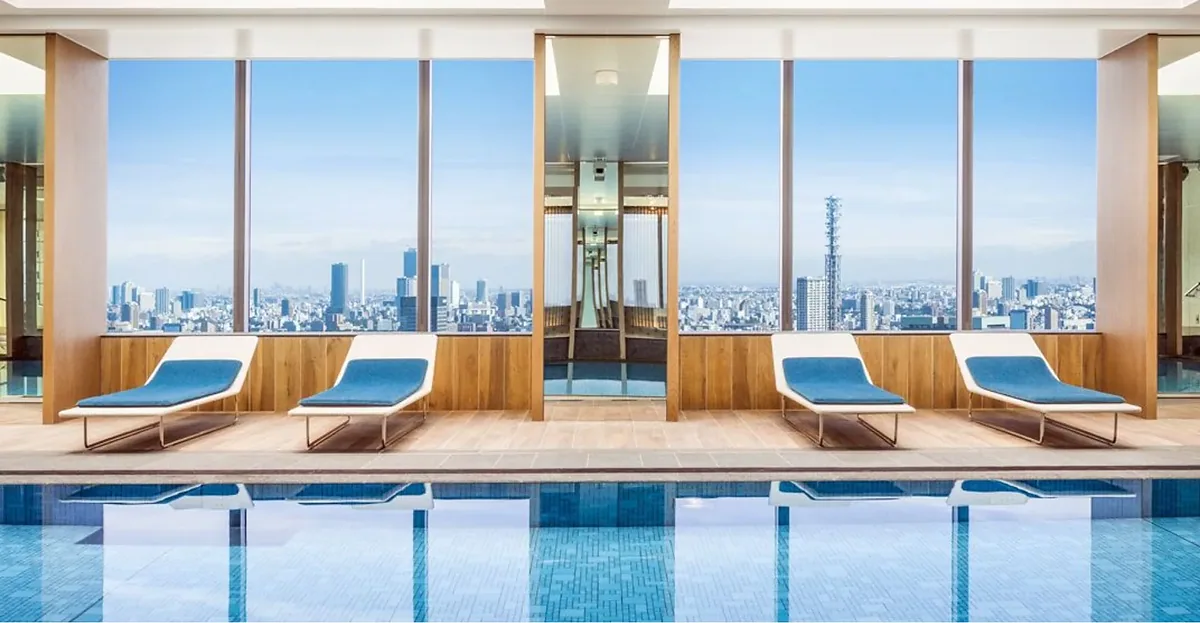
Aman Tokyo places the hotel experience ahead of the city outside. Its 84 rooms begin at 71 m², with the accommodation and public spaces on floors 33 to 38 of Otemachi Tower. The 30 metre pool is a substantial reason to spend time indoors rather than treating the room as somewhere to sleep. Arva and Musashi by Aman on level 34 give dinner a place in the booking decision too. The Otemachi address keeps the palace side and Tokyo Station practical, which distinguishes it from the western towers. It placed 11th in The World’s 50 Best Hotels 2026. Indicative entry suites run from US$1,700 to US$3,300 a night. Book through Aman’s official site.
Best for: A quiet first stay or honeymoon
The honest drawback: The hotel budget matters more than the size and sanctuary.
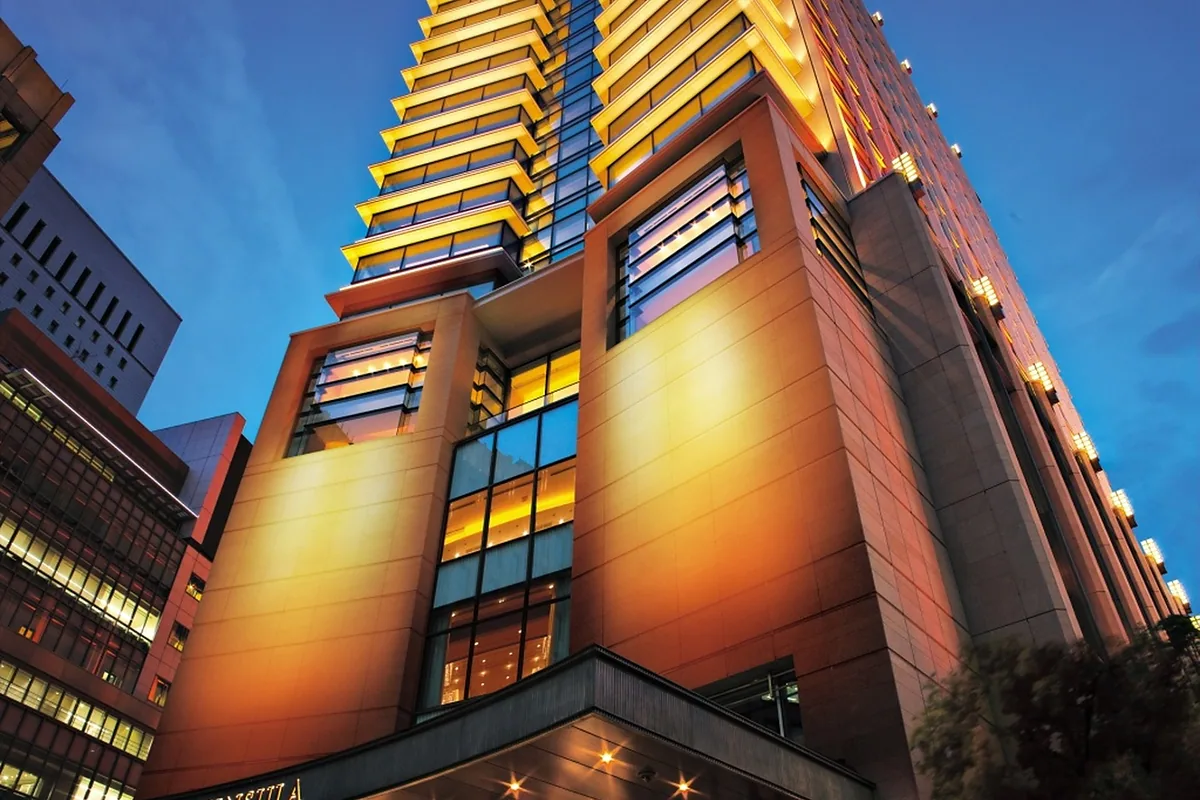
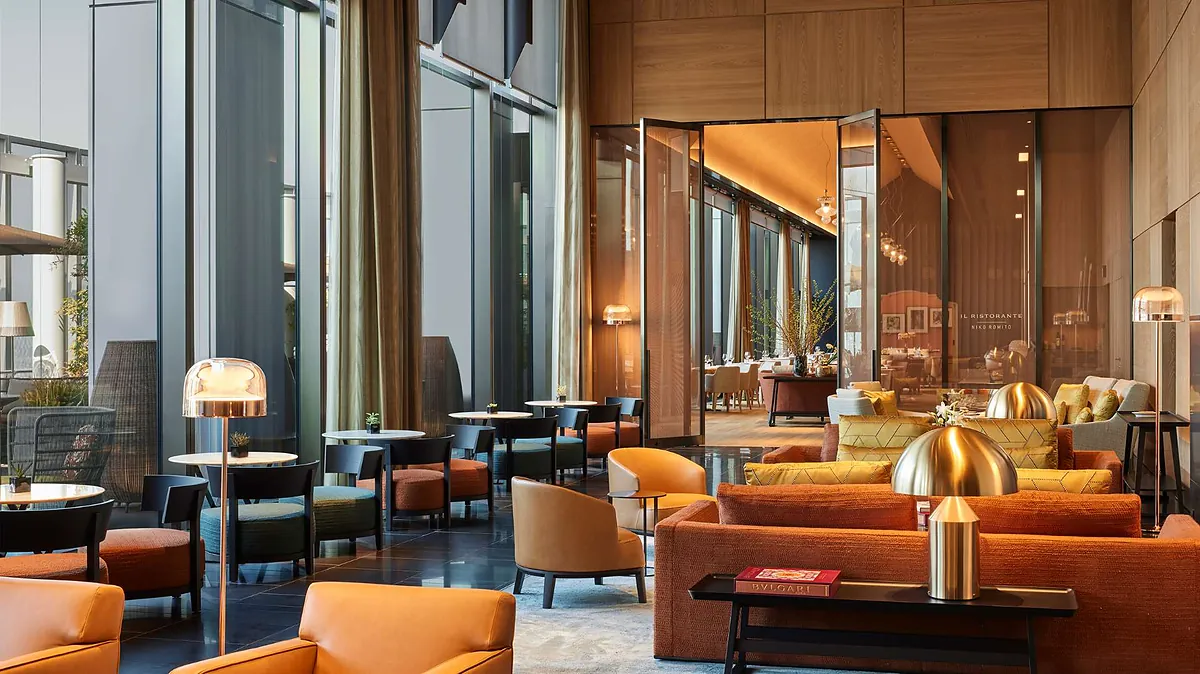
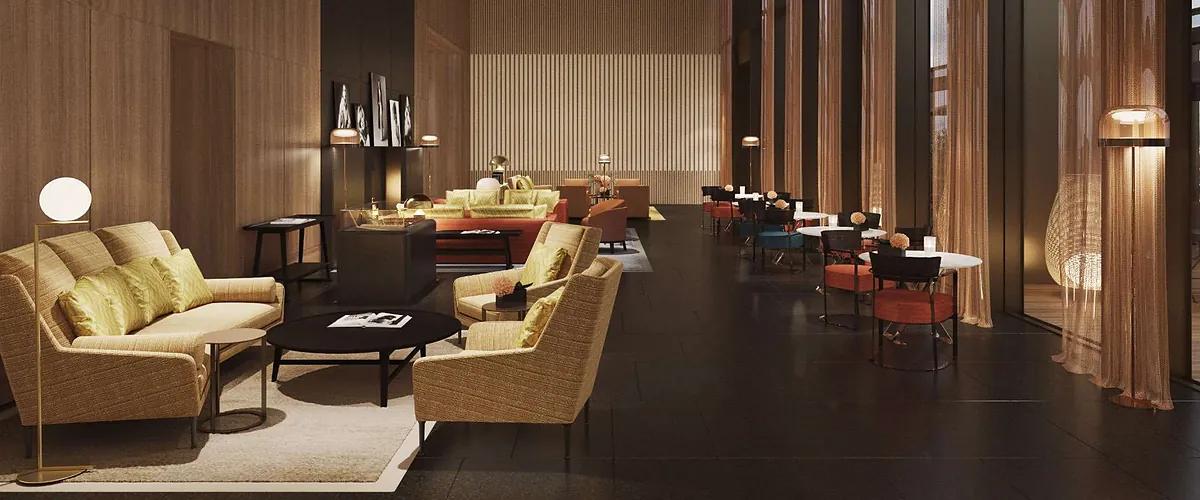
Bulgari Hotel Tokyo is in Yaesu, a short walk from Tokyo Station. The 98 rooms occupy floors 40 to 45 above Tokyo Midtown Yaesu, with the Superior category starting at 51 m². The dining line up is an important part of the proposition: Il Ristorante Niko Romito and Sushi Hōseki sit alongside the Bulgari Bar on level 45. A 25 metre pool gives the hotel a substantial indoor retreat as well as a convenient station side address. It holds three Michelin Keys and placed 24th in The World’s 50 Best Hotels 2026. Choose it when the station, Italian design and a social evening within the hotel matter together. Check live rates for your dates.
Best for: Italian dining and a Tokyo Station address
The honest drawback: The quieter ryokan style setting is the priority.
Four Seasons Otemachi occupies the top six floors of the 39 storey Otemachi One building. The 190 rooms make it larger than Aman, while the direct Otemachi station connection makes the location useful for a first visit. Dining is part of the reason to stay: est, PIGNETO and VIRTÙ cover different kinds of evening without leaving the building. The 20 metre pool and three Michelin Keys complete a substantial city hotel offering. The existing indicative rate is US$1,237 a night; cherry blossom and autumn weeks cost more. Keep this booking on the official Four Seasons site.
Best for: A first visit with palace views and dining
The honest drawback: A small residential hotel is essential.
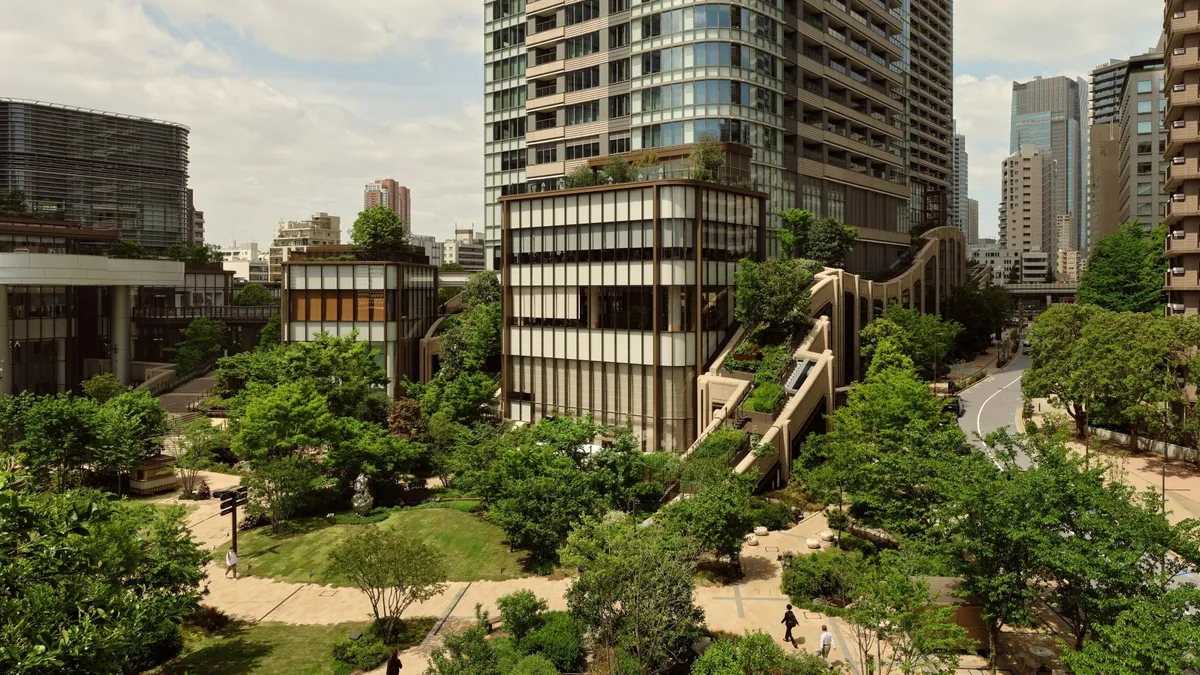
Janu Tokyo is the newer, more social sister brand to Aman, with a different neighbourhood and a different reason to book. The 122 rooms start at 55 m² in Azabudai Hills. Its 4,000 m² wellness centre and 25 metre pool make this one of the clearest choices when facilities matter more than a palace view. Eight restaurants and bars support the same idea of spending part of the trip within the hotel. Kamiyacho is the station to use, with Toranomon and Roppongi relevant to the surrounding stay. Janu placed 52nd in The World’s 50 Best Hotels 2026. Janu books direct on its own website.
Best for: Wellness and a more social Tokyo stay
The honest drawback: The palace side and Shinkansen are the daily focus.
Marunouchi290 rooms45 m² entryOtemachi20 mRebuilt 2012Three Michelin Keys 2024, 2025 and 2026Expedia ID 416454US$670 (Jan) to US$1,350 (Nov)
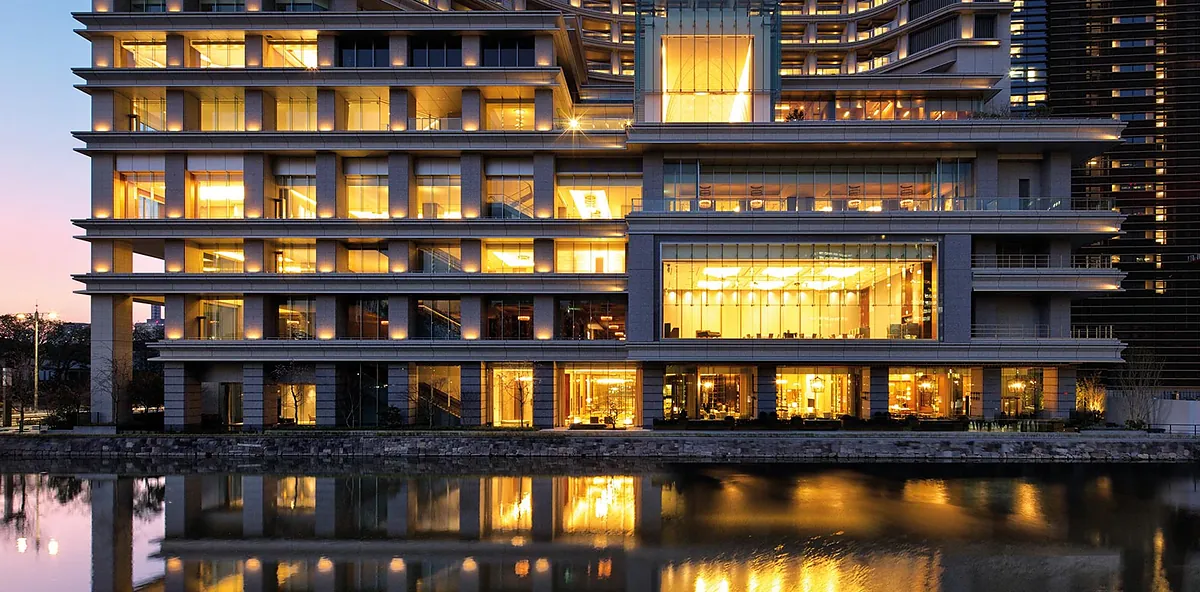
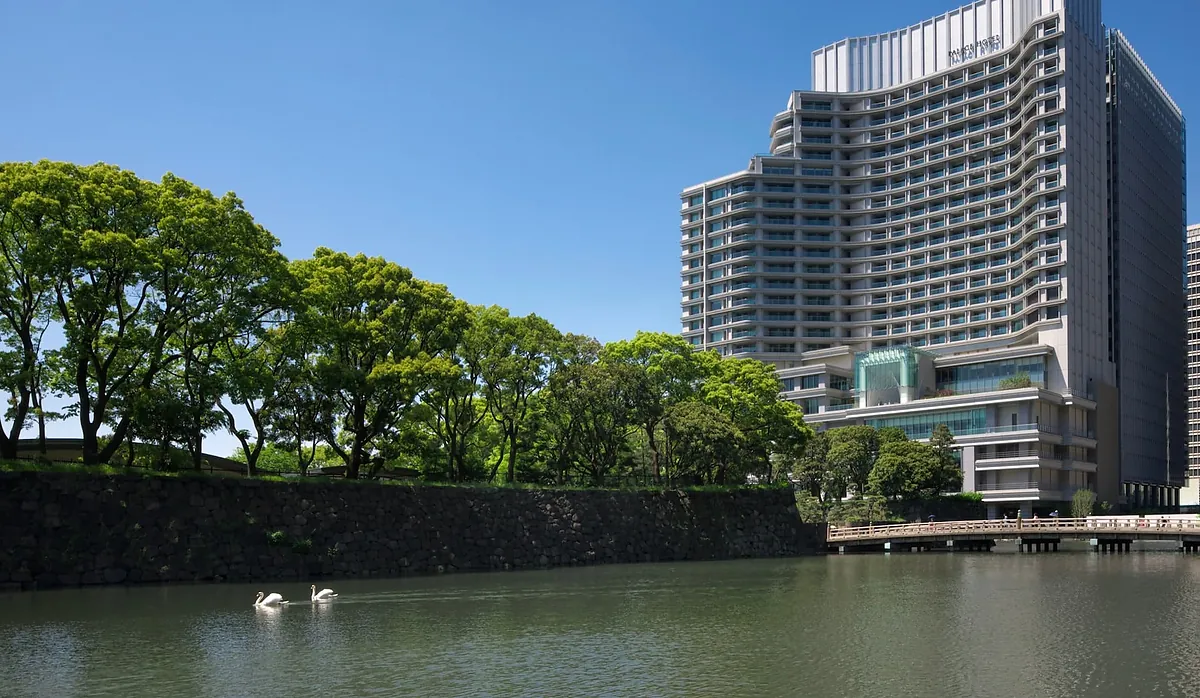
Palace Hotel Tokyo holds three Michelin Keys, the top hotel award, in every year it has been given, one of only seven hotels in Japan to do so in 2026. It faces the Imperial Palace moat and the Otemon gate, and roughly six in ten of its 290 rooms have something almost no other Tokyo hotel offers: a balcony. The 2012 rebuild kept the 1961 hotel's quiet Japanese manners and added a 1,200 square metre evian SPA with heated baths, a 20 metre pool, and dining led by Esterre, the Alain Ducasse restaurant on the sixth floor. Deluxe rooms start at 45 square metres and the Palace side rooms look across green water to the gardens with Marunouchi's towers behind. It is a Leading Hotels of the World member rather than a chain, which shows in the service.
Best for: a classic Tokyo grand hotel with a view
Book direct or Expedia
The honest drawback: A standard Deluxe booking can land on the city side without the balcony, so request a palace side balcony room when booking.
From about US$670 (Jan)To about US$1,350 (Nov)Indicative, checked 23 October 2026
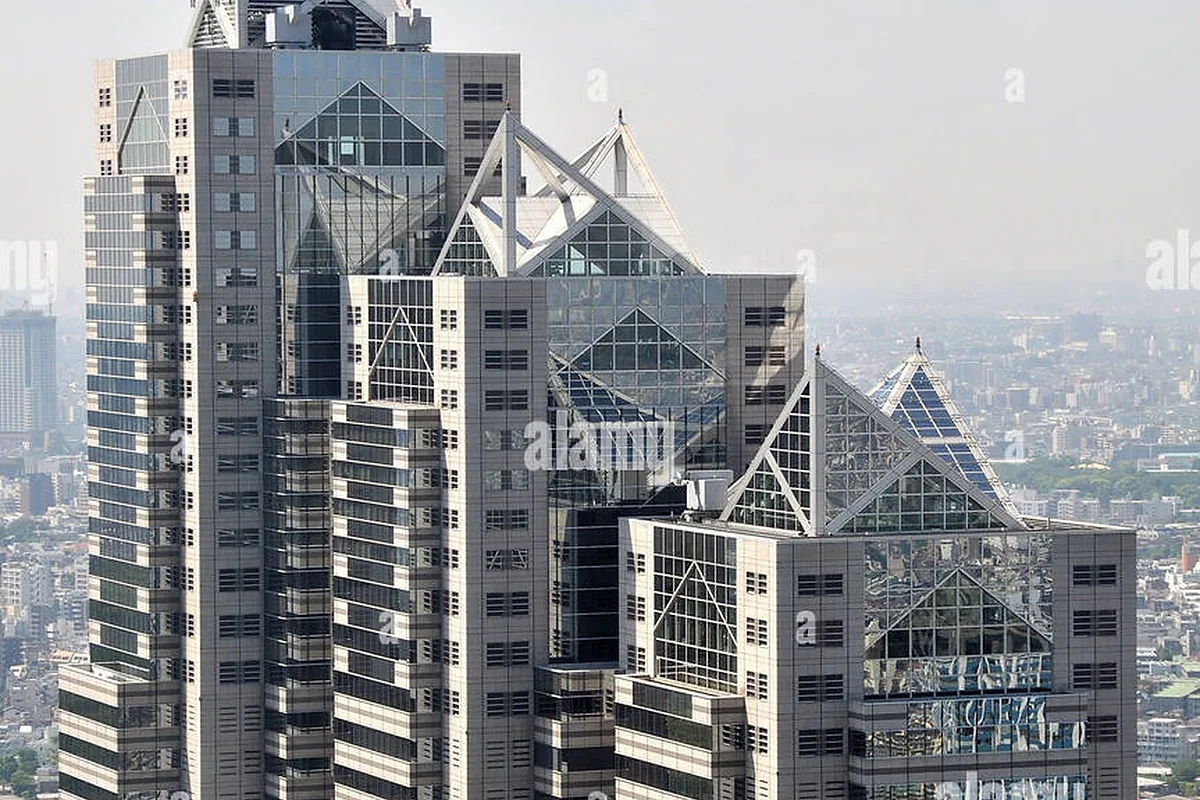
Park Hyatt Tokyo reopened on 9 December 2025 after closing in May 2024, with a renovation by Jouin Manku. It now has 171 rooms on floors 39 to 52 of Shinjuku Park Tower, with Deluxe rooms of 55 m². The New York Grill and Bar, Kozue and the Peak Lounge returned, joined by Girandole by Alain Ducasse. Lost in Translation remains a relevant reason travellers know the building, but no celebrity stay claims are needed to explain its appeal. Choose it for Shinjuku and the western side of the city, rather than assuming every Tokyo luxury address is interchangeable. If most dinners and trains are on the palace side, the cross city journeys are the practical compromise. Check the reopened hotel’s current availability instead of relying on a pre closure rate.
Best for: The west side and Lost in Translation
The honest drawback: Most plans are around Tokyo Station or Ginza.
Toranomon508 rooms60 m² entry Heritage WingKamiyacho / ToranomonIndoorReopened Sep 2019140 Heritage Wing rooms from 60 sqm · 368 Prestige Tower rooms from 48 sqmExpedia ID 33333699US$550 (Aug) to US$800 (Nov)
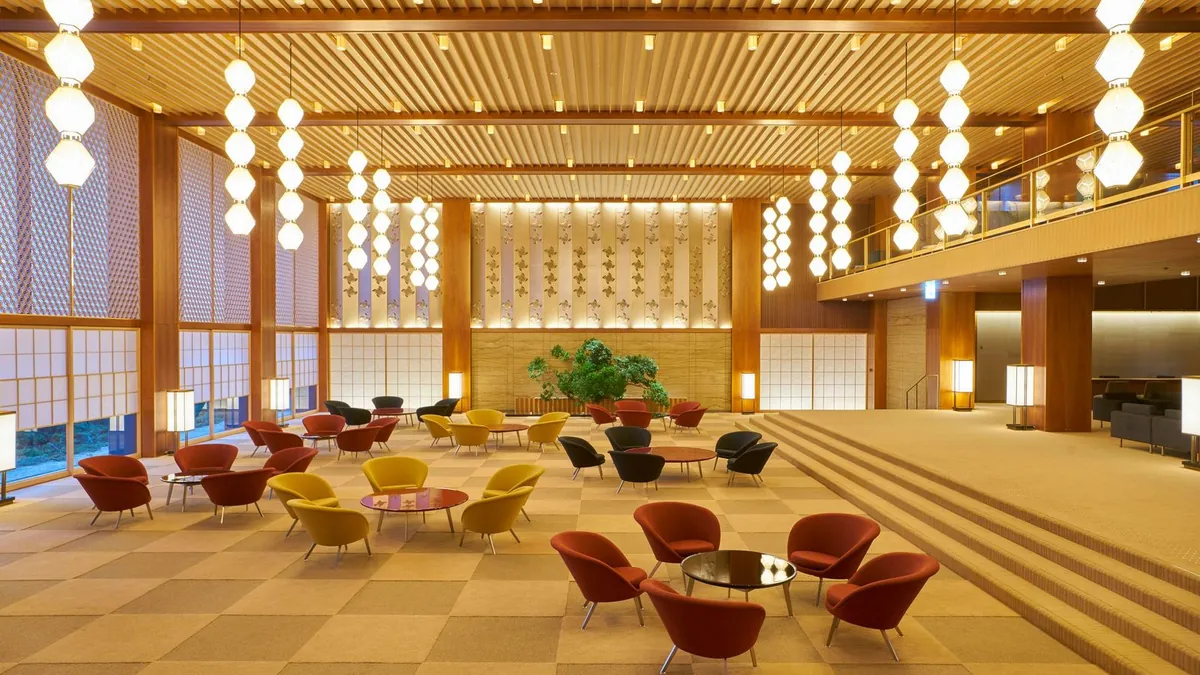
The Okura Tokyo is two hotels in one. The Heritage Wing recreates the 1962 original down to the lantern lights, the wisteria chandelier and the wooden lattice lobby that design pilgrims fly in to see, with 140 rooms that all start at 60 square metres and a club lounge on the 37th floor. The Prestige Tower holds 368 rooms from 48 square metres, a 25 metre indoor pool and a seven room spa. Yamazato for kaiseki, the Orchid Bar and the Okura Museum of Art are all on site, and the hotel sits next to the US Embassy in Toranomon, ten minutes by taxi from Ginza.
Best for: design and heritage at a fair price
Book direct or Expedia · One Harmony loyalty only
The honest drawback: The two wings feel like different hotels, and Toranomon has little to walk to at night, so book the Heritage Wing and plan to taxi out for dinner.
From about US$550 (Aug)To about US$800 (Nov)Indicative, checked 23 October 2026
Otemachi84 rooms44 m² entryOtemachiOnsen, not a swimming poolOpened 2016Ryokan in a 17 storey tower, hot spring onsen on 17Expedia ID 16250945US$700 (Aug) to US$1,255 (Feb)
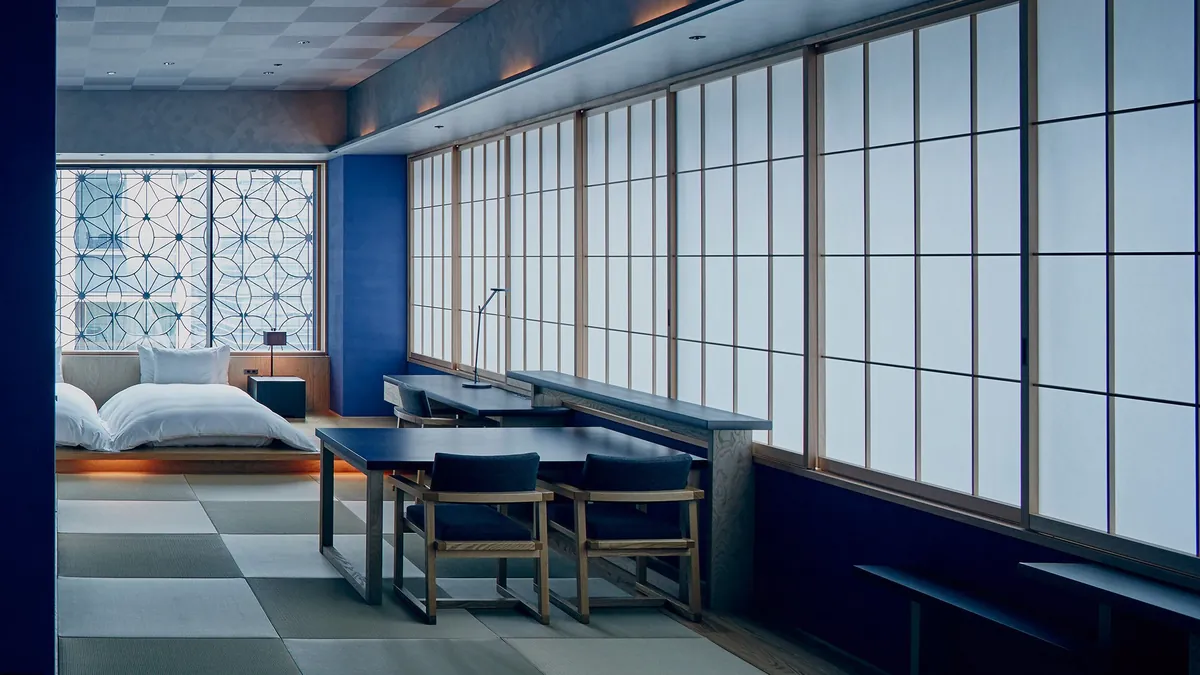
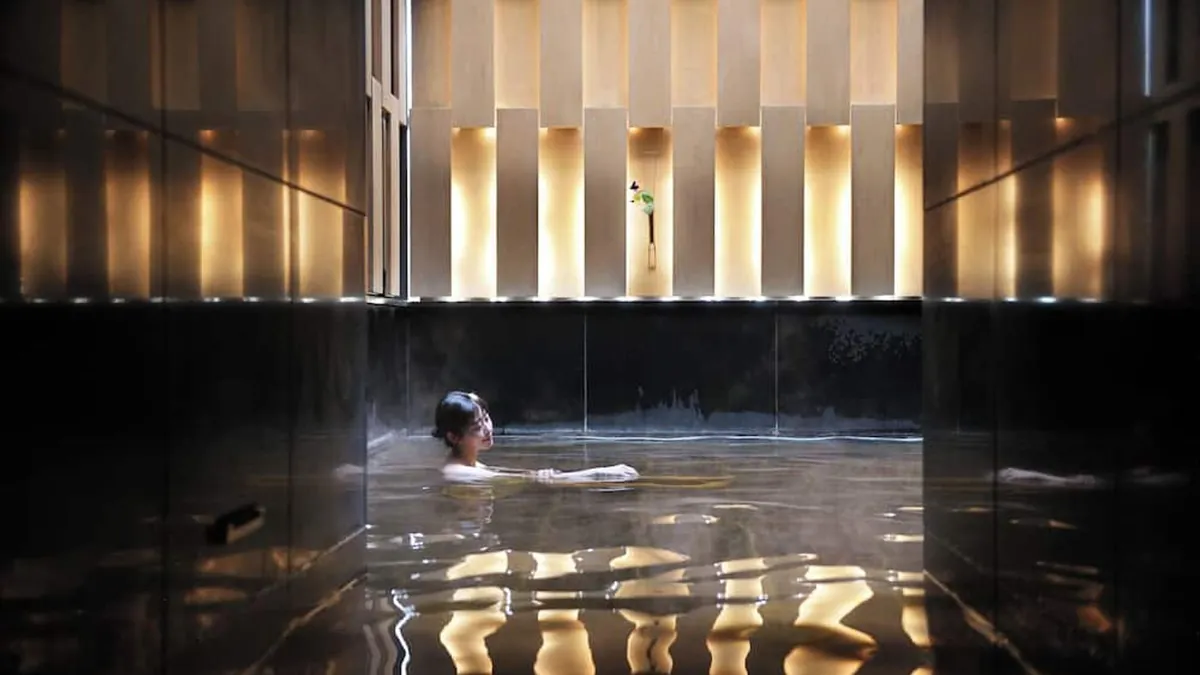
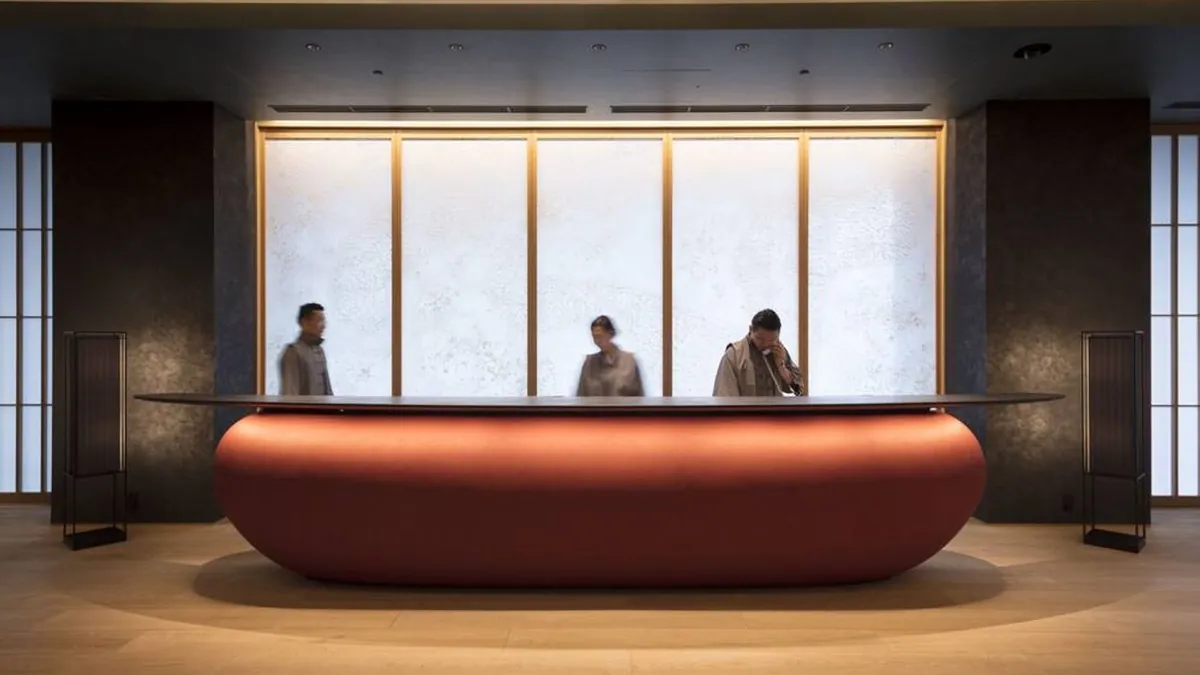
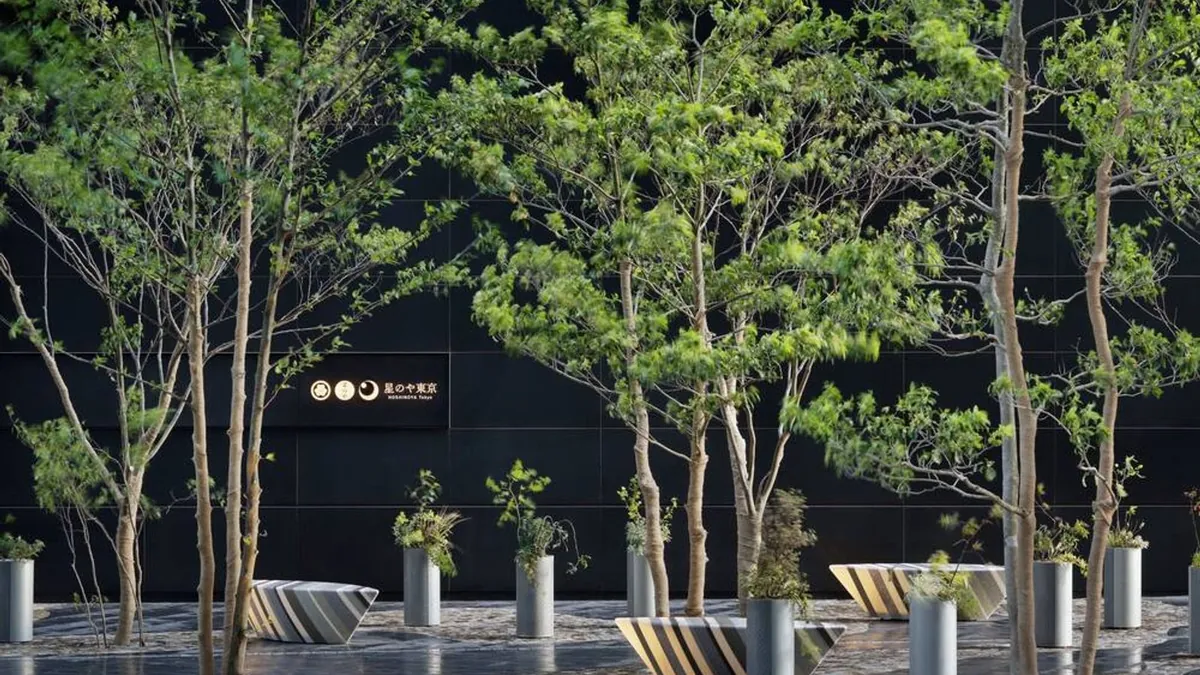
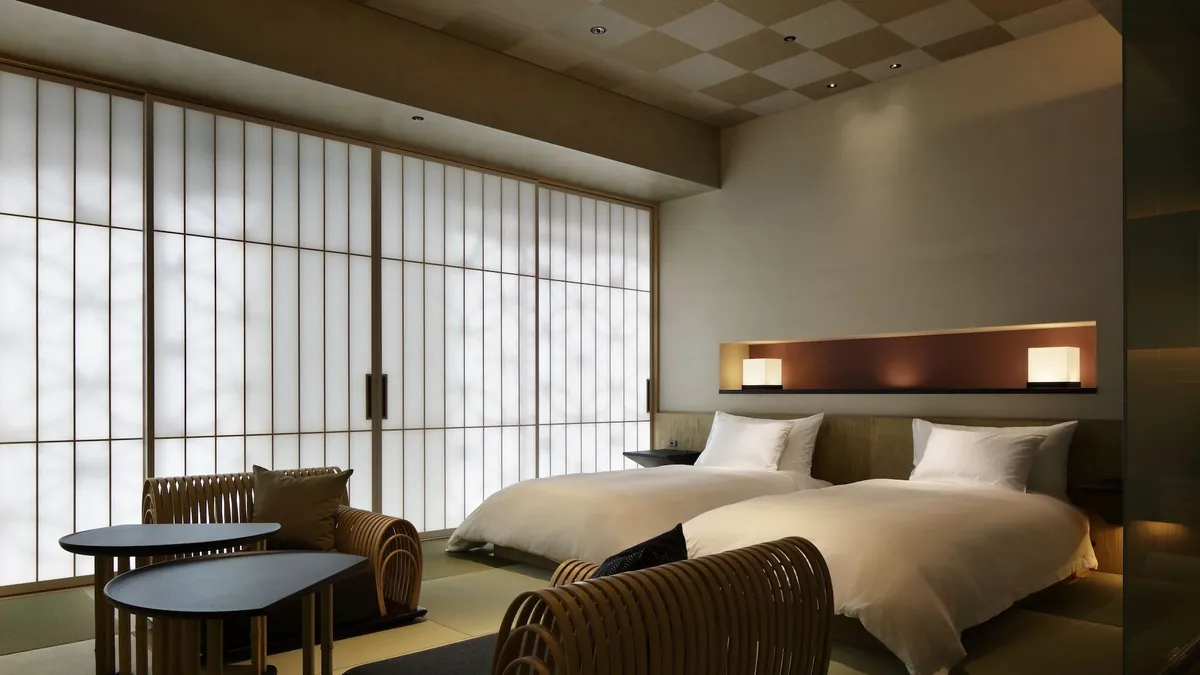
HOSHINOYA Tokyo is the only true ryokan in central Tokyo, stacked 17 floors high behind a lattice of cherry blossom patterned steel in Otemachi, three minutes from Tokyo Station. Shoes come off at the door and stay off, the corridors are tatami, and each floor is a private cluster of six rooms around an Ochanoma lounge where tea, sake and handmade sweets are free all day. The rooftop open air onsen draws hot spring water from about 1,500 metres beneath the building, a genuine rarity in the city. Rooms start at 44 square metres with deep cypress bathtubs and low futon style beds, and the basement restaurant serves a kaiseki menu to in house guests only. It suits couples and solo travellers who want the ryokan ritual without leaving Tokyo.
Best for: a ryokan night in the city
Book direct or Expedia (not a points hotel)
The honest drawback: The hush and the low furniture are not built for families with young children, and there is no gym or pool in the Western sense.
From about US$700 (Aug)To about US$1,255 (Feb)Indicative, checked 23 October 2026
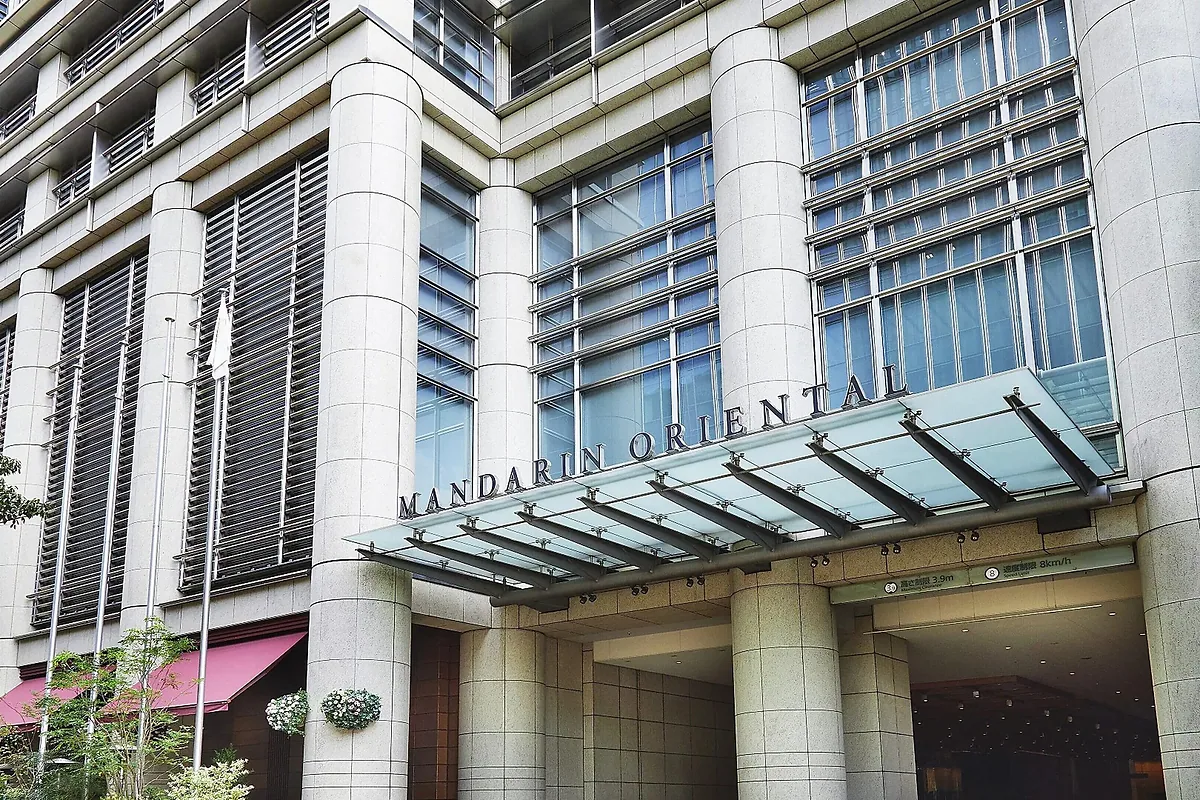
Mandarin Oriental Tokyo puts the stay in Nihonbashi, with Mitsukoshimae as the station and rooms on floors 30 to 36. The 179 rooms begin in categories of 50 to 60 m², giving a useful comparison with Bulgari, Janu and the Ritz Carlton rather than with compact city accommodation. At an indicative US$1,065 a night it costs less than Aman and Four Seasons Otemachi. Nihonbashi makes sense for guests interested in the older merchant quarter and its department stores. The hotel has no swimming pool, an important distinction if that is part of the daily routine. Choose the neighbourhood first, then compare the exact room category and view rather than assuming higher floors alone settle the decision.
Best for: Nihonbashi and a generous room below Aman’s rate
The honest drawback: Swimming lengths are part of the holiday.
Hibiya, by Ginza314 rooms54 m² entryHibiya, connected20 m
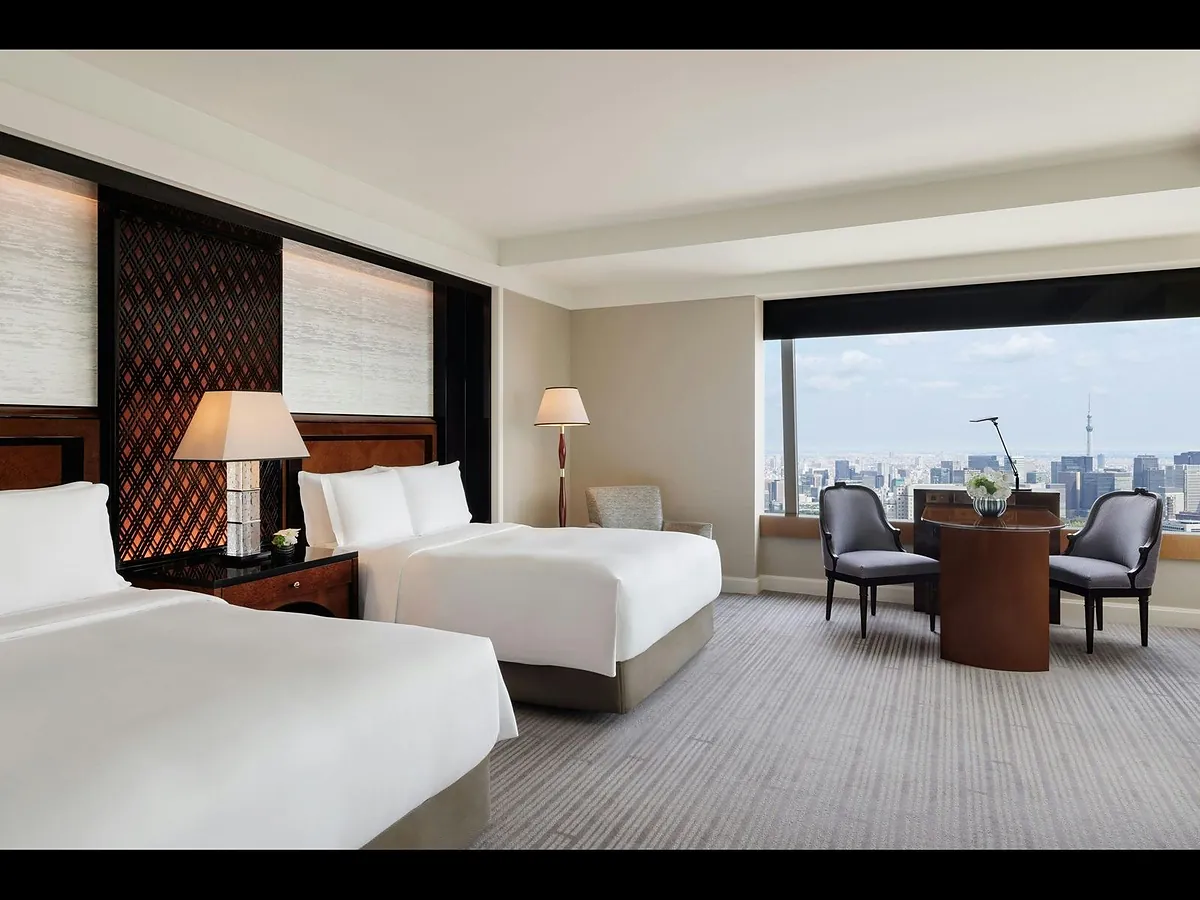
The Peninsula Tokyo is in Hibiya, beside Ginza, rather than inside the Yaesu tower cluster. Its 314 rooms begin at 54 m², with a direct Hibiya station connection and a three minute walk to Ginza. That combination is the reason it wins the shopping decision in this guide: the location works before any debate about a particular suite. Peter is on level 24, giving dinner and drinks a place in the stay without describing it as a roof above the entire city. The 20 metre pool adds a conventional hotel swimming option that HOSHINOYA does not offer. Choose it for a substantial, established hotel with easy station access. Travellers after an 86 room design address should also consider the nearby Tokyo EDITION, Ginza rather than treating the two as the same product.
Best for: Ginza shopping and a connected station
The honest drawback: A smaller design focused hotel is the priority.
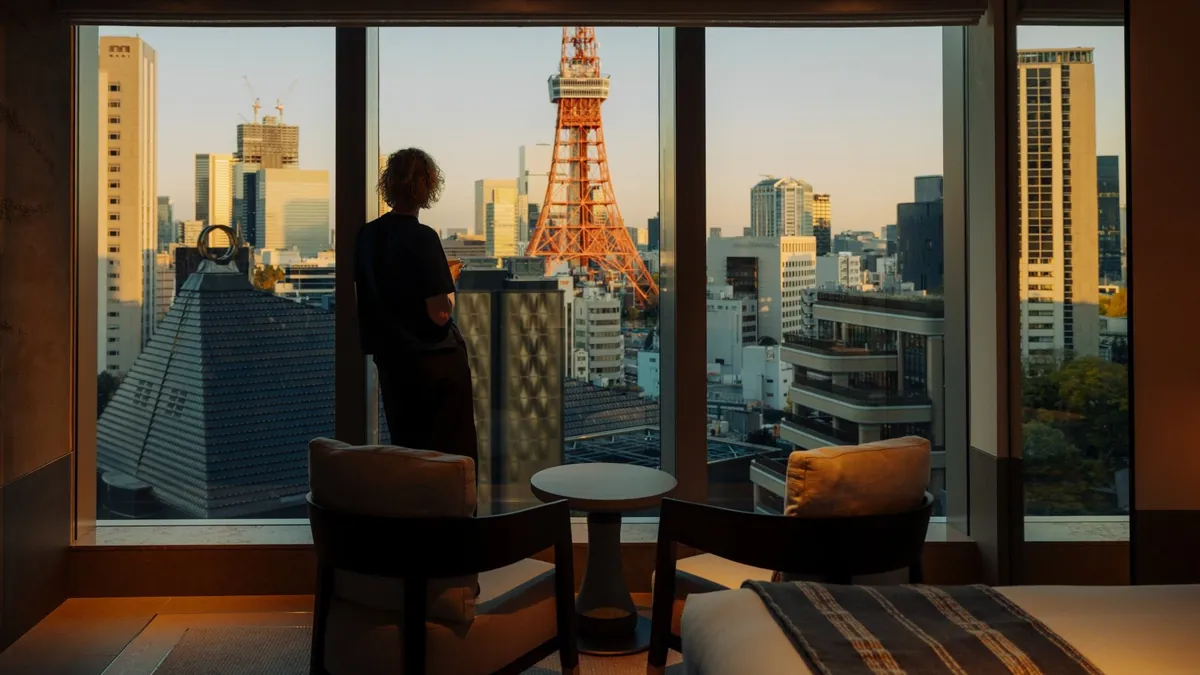
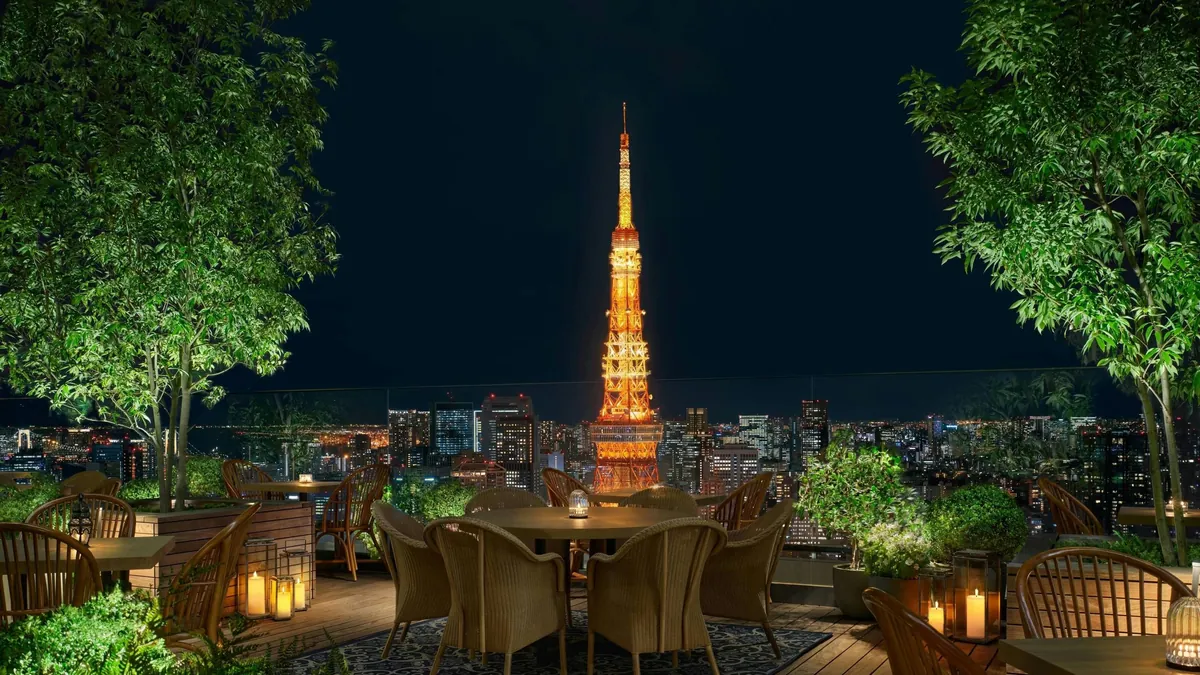
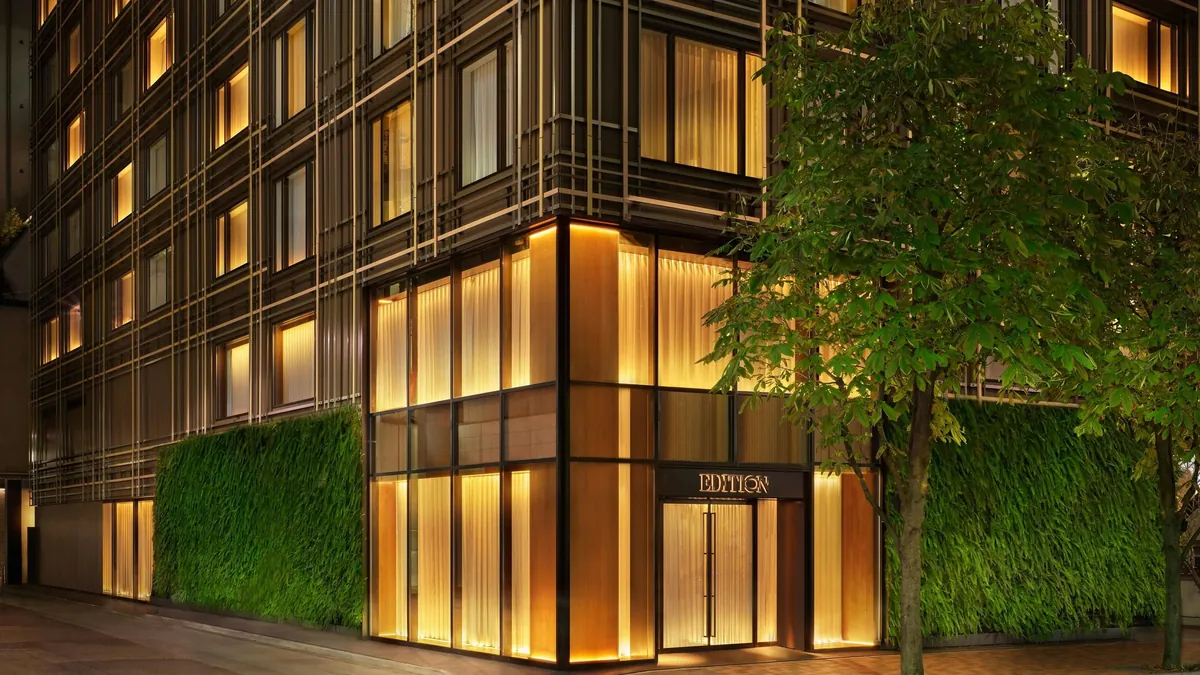
The Tokyo EDITION, Toranomon occupies floors 31 to 36, with Kengo Kuma interiors and Tokyo Tower views as its principal design signals. The hotel opened in October 2020 and has 206 rooms. Kamiyacho is the station to plan around, and the broader Toranomon and Azabudai area makes sense for visitors who already know the palace side. Ask for the view that matters to the booking, rather than assuming every room faces Tokyo Tower. This is the Toranomon EDITION, not the smaller Ginza property that opened in 2024. Compare them by neighbourhood and hotel scale before treating the shared brand name as a substitute for a location decision.
Best for: Tokyo Tower views and Kengo Kuma interiors
The honest drawback: Ginza shopping is the main purpose of the trip.
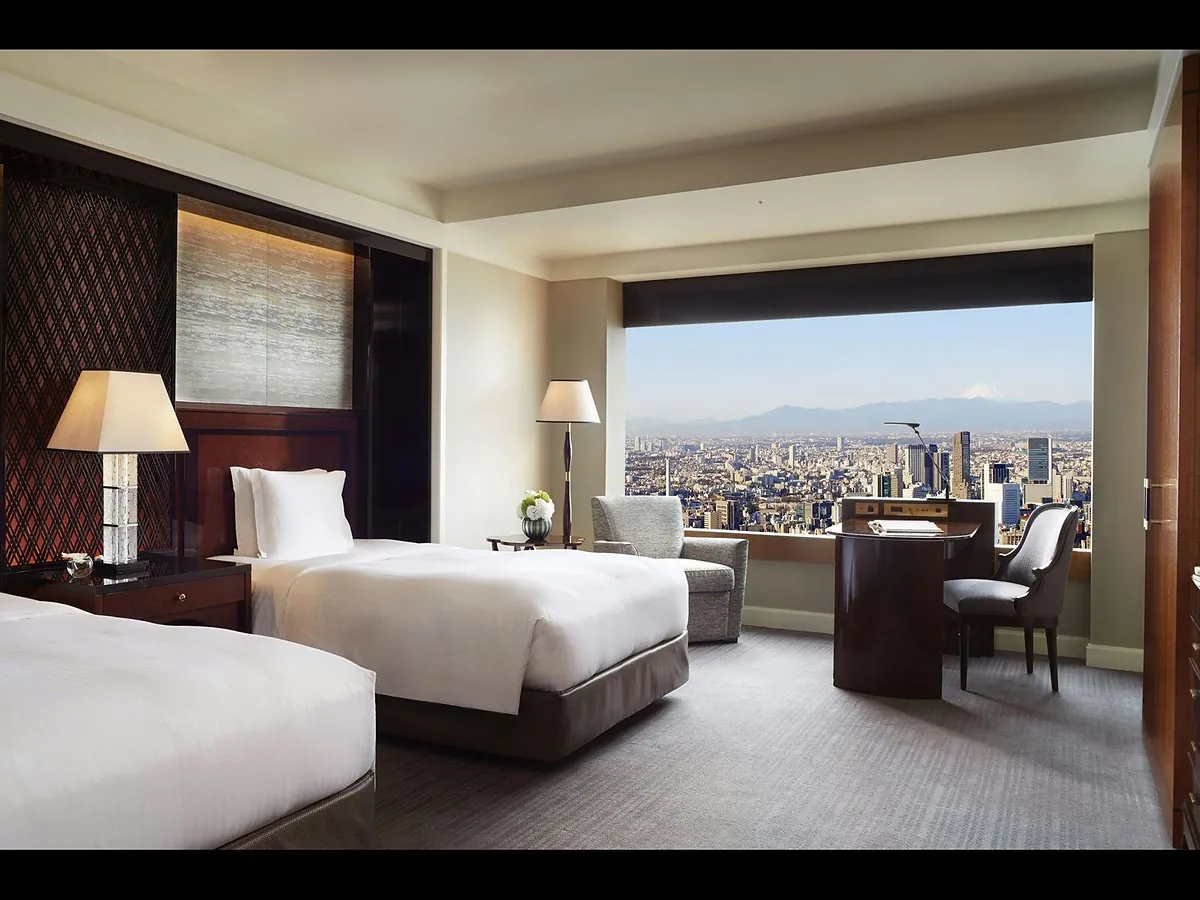
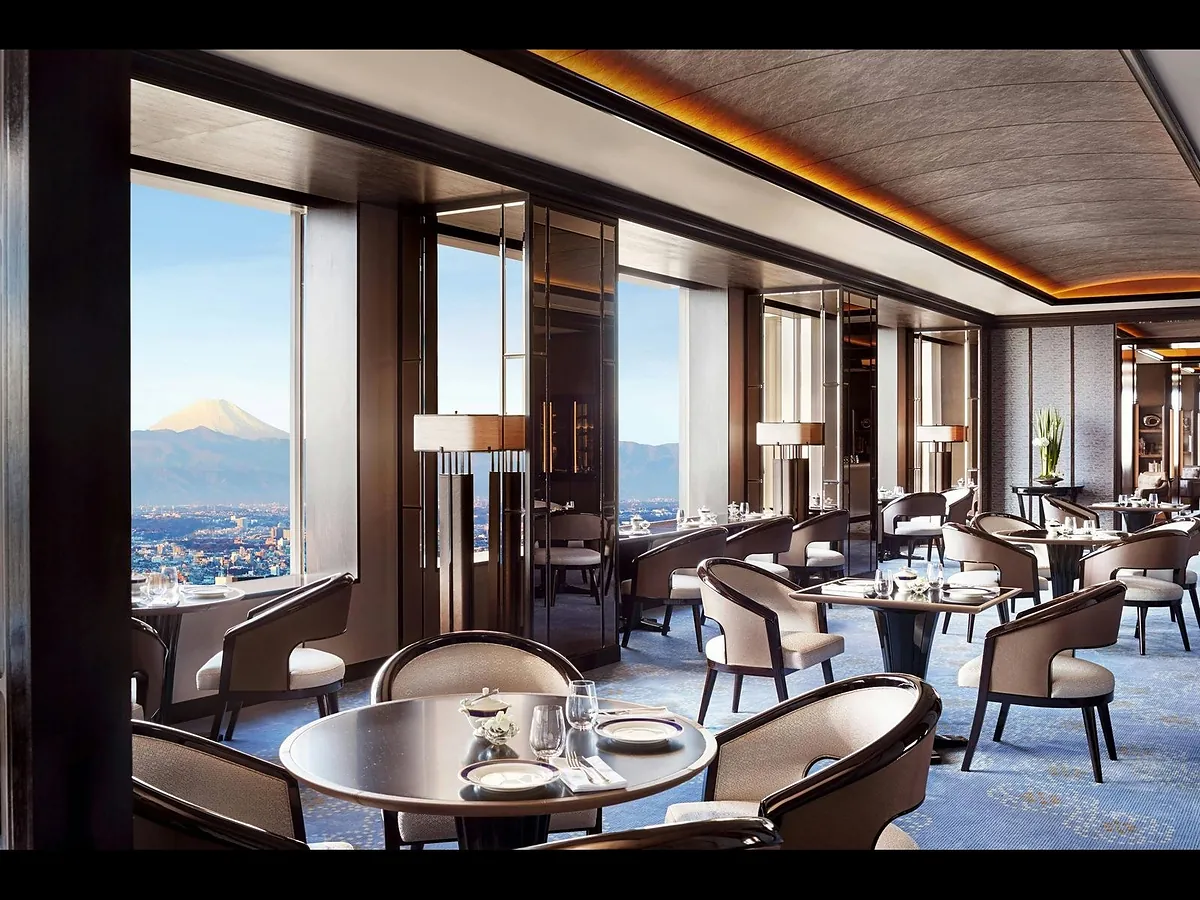
The Ritz Carlton, Tokyo sits on the top nine floors of Midtown Tower in Roppongi. Its 245 rooms begin at 52 m², with a 20 metre pool and Azure 45, which has one Michelin star. The west facing rooms are the relevant request for Mount Fuji, especially on clear winter mornings, but the weather remains outside the hotel’s control. Roppongi is a different base from Otemachi: choose it for galleries, nightlife and the surrounding Midtown area rather than daily Shinkansen departures. An existing indicative rate is US$948 a night. A view specific room or a different date needs its own comparison before paying for the sightline.
Best for: Mount Fuji views and Roppongi galleries
The honest drawback: A Fuji view must be guaranteed regardless of weather.
The Okura Tokyo has 48 sqm entry rooms in Prestige Tower and 60 sqm in the Heritage Wing; Mandarin Oriental entry categories run from 50 to 60 m². Four Seasons Otemachi and EDITION Toranomon do not publish an entry room size.
Tokyo's top suites are priced like small apartments, and only Bulgari publishes its rates openly. These are the largest and most expensive rooms in the city in 2026, ranked by size, with the rates the hotels publish where they exist.
on request (entry suites run US$1,700 to US$3,300)
The short answer to "what is the most expensive hotel in Tokyo" is Bulgari Hotel Tokyo, whose Tokyo Suite at ¥3.2 million a night is the highest published rate in the city. For the most expensive entry level room, Aman Tokyo wins: its smallest suite rarely drops below US$1,700. Sizes below the Bulgari rows are hotel published figures, rates are quoted on request and change with the season.
Expected in 2027, with 197 rooms of at least 60 m² on floors 39 to 47.
Rosewood Tokyo
Planned for Roppongi 5 Chome with about 200 rooms. No opening date has been announced.
Capella Tokyo
Planned for 2030 in Nishi Azabu.
These are announced hotels, not bookable entries in the twelve hotel ranking.
When to book a Tokyo luxury hotel
Late March to early April and mid November are the dearest periods. Book six to nine months ahead for those weeks, particularly at the smaller hotels. Outside them, eight to twelve weeks is usually enough. Summer heat and rain can make a pool more useful, while clear winter mornings improve the chance of a Fuji view.
Aman for the largest rooms and the quietest atmosphere, Four Seasons for the better restaurants, the Imperial Palace views and a lower entry price. Both are in Otemachi.
Which Tokyo hotels take Marriott, Hyatt or Hilton points?
Roughly US$450 to US$800 a night at the Okura, Palace or Andaz in low months, US$1,100 to US$1,500 at Four Seasons and Bulgari, and US$1,700 and up at Aman. November and cherry blossom season are the peaks; January, February and August are the cheapest.
When is the cheapest time to book a Tokyo luxury hotel?
Mid January to February and August. Kayak averages show 30 to 55 percent savings against November at the Palace, Okura, HOSHINOYA and Andaz.
Do I need to book Tokyo luxury hotels far ahead?
For late March to early April and November, six to nine months. Aman Tokyo and HOSHINOYA Tokyo have fewer than 90 rooms each and sell out first.