Luxury Hotel Compare may earn a commission from bookings through these links, at no extra cost to the traveller. Hotels cannot pay for a place in this guide. How rankings and funding work.
HomeTravel guidesJapan, ryokan
Best Luxury Ryokans in Japan: Hakone, Kyoto and Beyond
Fifteen ryokan with private onsen, kaiseki and real prices for two, from Hakone and Kyoto to Niseko and Kyushu, and which ones you can actually book online.
By Jack Williamson, the LHC house pen nameHow we workUpdated 23 October 202622 minute readRates checked 23 October 2026
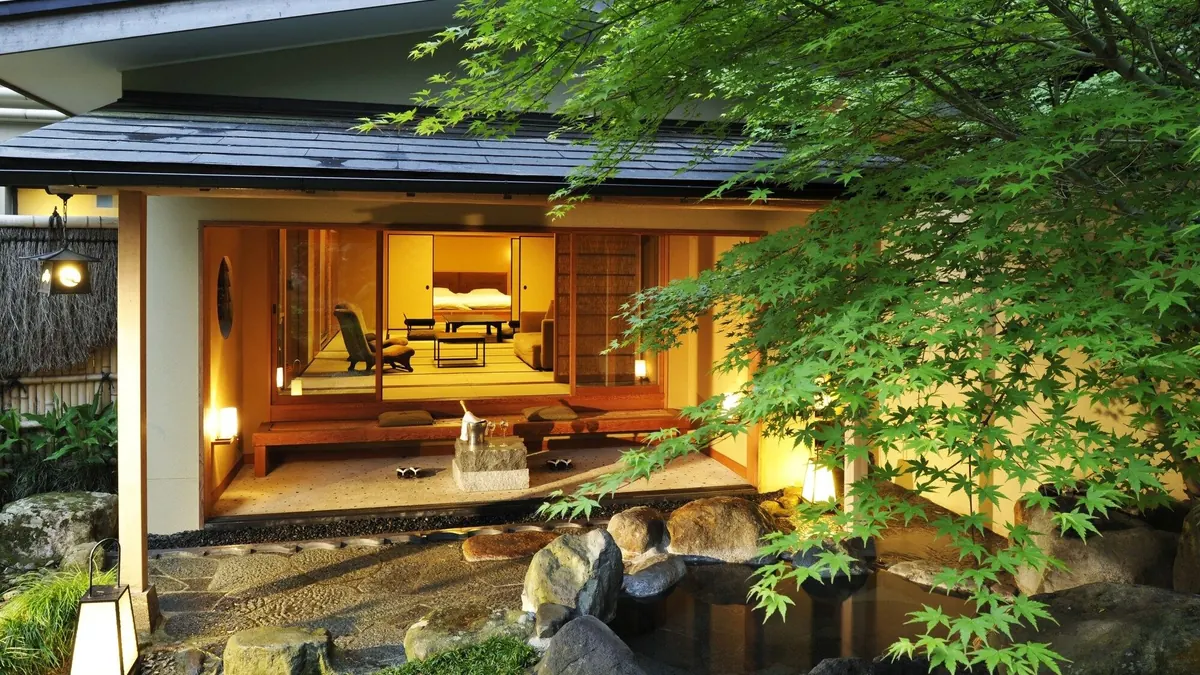
In this photo: Gora Kadan, Hakone
Rates are for two adults with dinner and breakfast unless noted, converted at about 150 yen to the dollar.
The quick answer
The best luxury ryokan in Japan for most travellers is Gora Kadan in Hakone: a former imperial family retreat three minutes from Gora Station, 42 rooms, free station pick up, kaiseki in the room and suites with private rock baths, with rooms from about $880 for two. The best ryokan in Hakone for a private onsen is Hakone Ginyu, where all 20 rooms have their own open air bath above the Hayakawa gorge from about $570 for two. The best ryokan in Kyoto that can actually be booked online is Hiiragiya, founded in 1818, bookable online, with rooms from about $1,690; Tawaraya across the street is the purist's choice but has no website and cannot be booked online. The best value is Hakone Kowakien Ten-yu, a modern onsen resort with in room baths from about $490 a night in early November. For a once in a lifetime private onsen, go north to Zaborin in Niseko, where each of 15 villas has both an indoor and an outdoor spring fed bath.
What a ryokan actually is, and the rules
A ryokan is a traditional Japanese inn: tatami floored rooms, futon laid out after dinner, communal or private baths, and a set multi course dinner and breakfast included in the price. Japan Guide puts the average cost at 15,000 to 30,000 yen per person per night and notes that stays "usually include an elaborate dinner in the evening, followed by breakfast the next morning," typically kaiseki ryori built around local seasonal produce. The luxury tier in this guide runs three to ten times that average, and the extra buys space, privacy, a private bath and a kitchen that could hold its own against a Michelin restaurant.
The rules that catch first timers:
- Shoes come off at the entrance. Slippers are provided for corridors; even slippers come off before stepping on tatami. Separate toilet slippers live inside the bathroom door.
- Yukata is the uniform. The cotton robe in your room is worn to dinner, to the bath and, in onsen towns like Kinosaki, through the streets. Left side over right; the reverse is for funerals.
- Meals are at fixed times. Dinner starts at 18:00 or 19:00 at Hakone Ginyu and between 18:00 and 19:00 at Gora Kadan; breakfast runs 8:00 to 9:30 and 8:00 to 9:00 respectively. Arriving late for dinner is the single most common guest mistake.
- Check in windows are narrow. Check in is 14:00 at Hakone Ginyu and Zaborin and 15:00 at Gora Kadan and Hiiragiya, with check out at 11:00 across all four. Aim to arrive between check in and 17:00 so there is time for a bath before dinner.
- Tattoos may be refused in communal baths. The workaround is a room with a private onsen; see the tattoo section below.
- Wash before you soak. Communal baths are for soaking only, no swimwear, hair tied up, small towel kept out of the water.
Comparison table: all 15 ryokans
| Ryokan | Region | Rooms | Private onsen in room | Meals | From (two, per night) | Book online | Rates |
|---|---|---|---|---|---|---|---|
| Hakone | 42 | Suites only | Kaiseki included | $880 | Yes | Check rates | |
| Hakone | 20 | All rooms | Kaiseki included | $570 | Yes | Check rates | |
| Hakone | 20 | All rooms | Included | $470 | Yes | Check rates | |
| Hakone | 23 | All rooms | Kaiseki included | $430 | Yes | Check rates | |
| Hakone | ~150 | Most rooms | By plan | $400 | Yes | Check rates | |
| Kyoto | 18 | No onsen | Kaiseki included | $1,100 (est) | Direct only | Direct only | |
| Kyoto | 28 | No onsen, indoor bath | Kaiseki included | $1,690 | Yes | Check rates | |
| Kyoto | 25 | No | Dinner extra | $1,000 (est) | Yes | Check rates | |
| Kyoto | ~22 | No onsen | By plan | $500 (est) | Yes | Check rates | |
| Kinosaki | 14 types | 8 room types | Kaiseki, crab Nov to Mar | $600 (est) | Yes | Check rates | |
| Yamashiro, Kaga | 16 | All rooms | Kaiseki included | $1,050 | Yes | Check rates | |
| Niseko | 15 villas | All villas, indoor and outdoor | Kaiseki included | $990 | Yes | Check rates | |
| Yufuin | 12 | All rooms | Included | $700 (est) | Yes | Check rates | |
| Nikko | 48 | No | Kaiseki style | $500 (est) | Yes | Check rates | |
| Shuzenji, Izu | 17 | Indoor only | Kaiseki included | $600 | Yes | Check rates |
"Est" marks a rate the property does not publish, estimated from booking site ranges. Tawaraya takes bookings by phone or fax only.
Hakone: the classic weekend from Tokyo
Hakone is 90 minutes from Shinjuku on the Odakyu Romancecar and sits inside a national park, so it has the deepest bench of luxury inns in Japan. Rates jump in the first weeks of November, peak autumn leaf season, when Hakone Suishoen was quoting $1,537 a night for two. Book Hakone for November or Golden Week six months out.
Gora Kadan
-
1 of 5Gora Kadan, garden pavilion exterior with maples and stone lanterns, Hakone -
2 of 5Gora Kadan, tatami guest room looking onto the garden, Hakone -
3 of 5Gora Kadan, open air onsen bath under the eaves with greenery, Hakone -
4 of 5Gora Kadan, private open air rock bath at dusk, Hakone -
5 of 5Gora Kadan, rock pool bath in the garden, Hakone
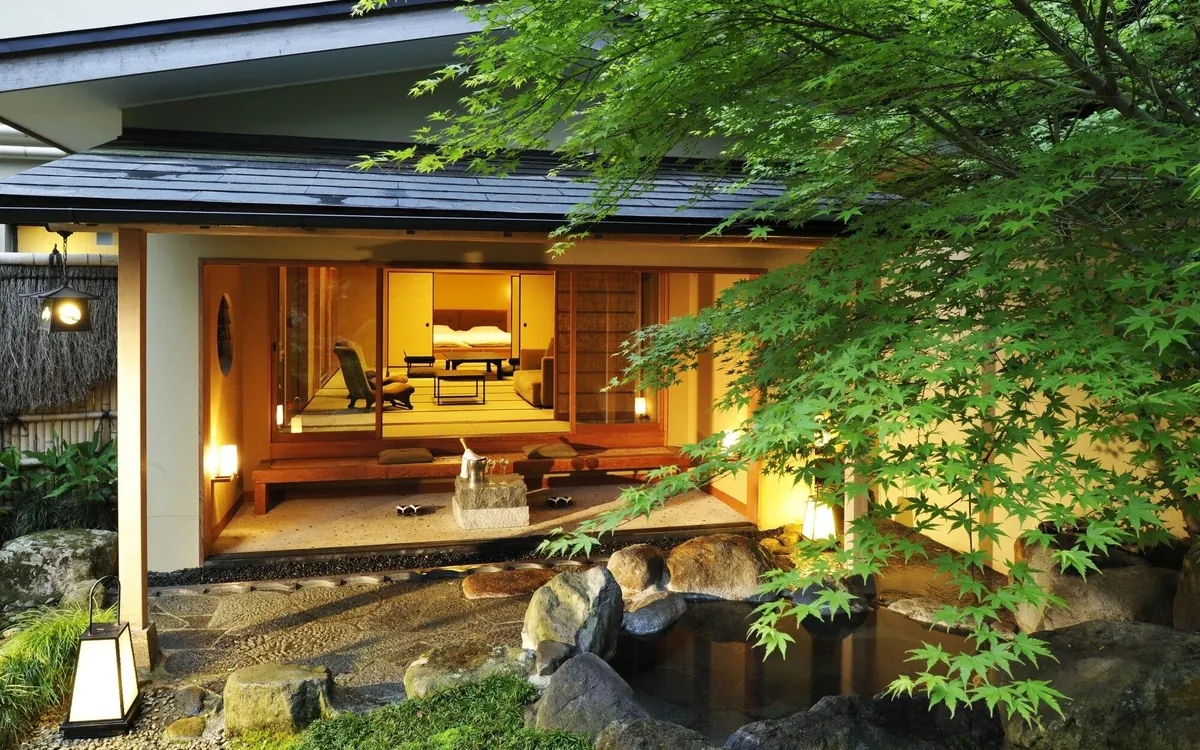
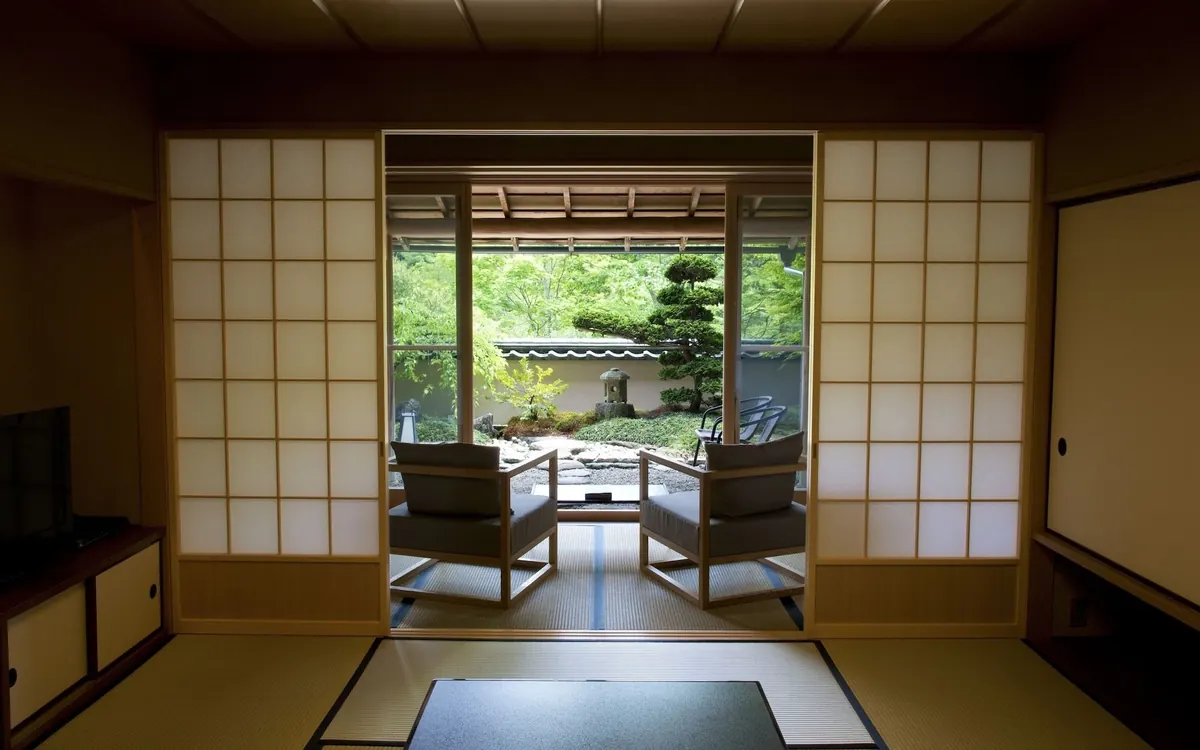
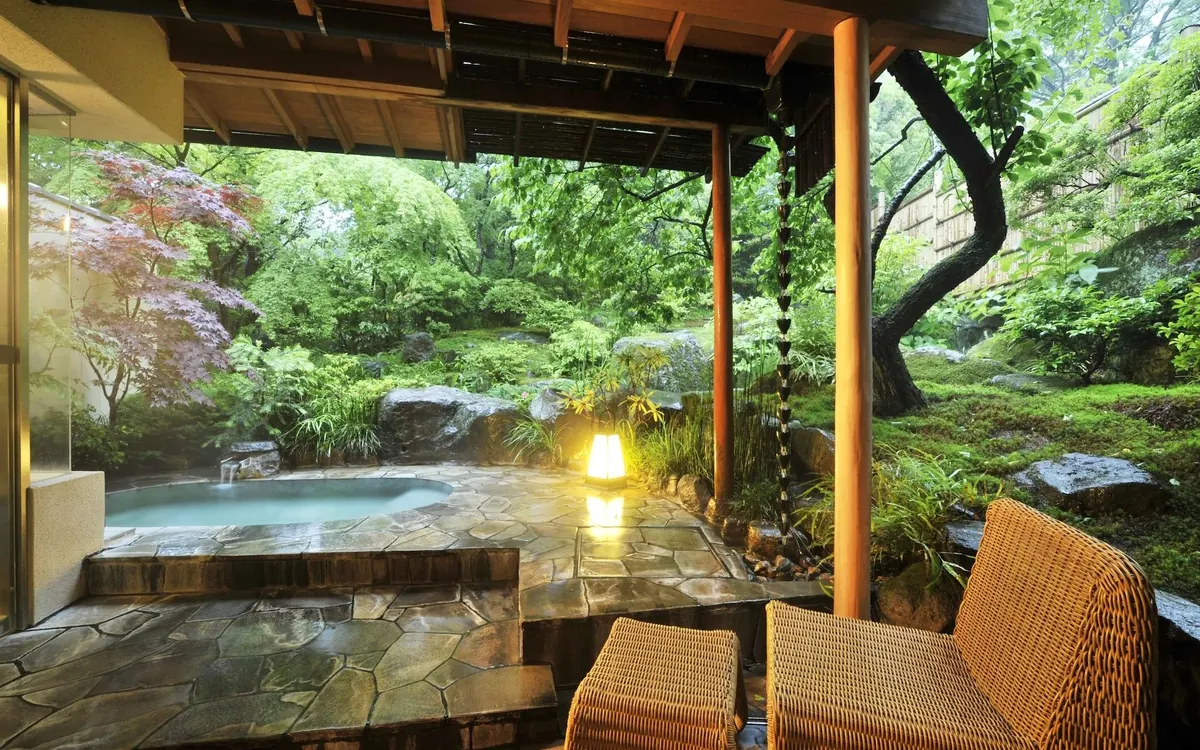
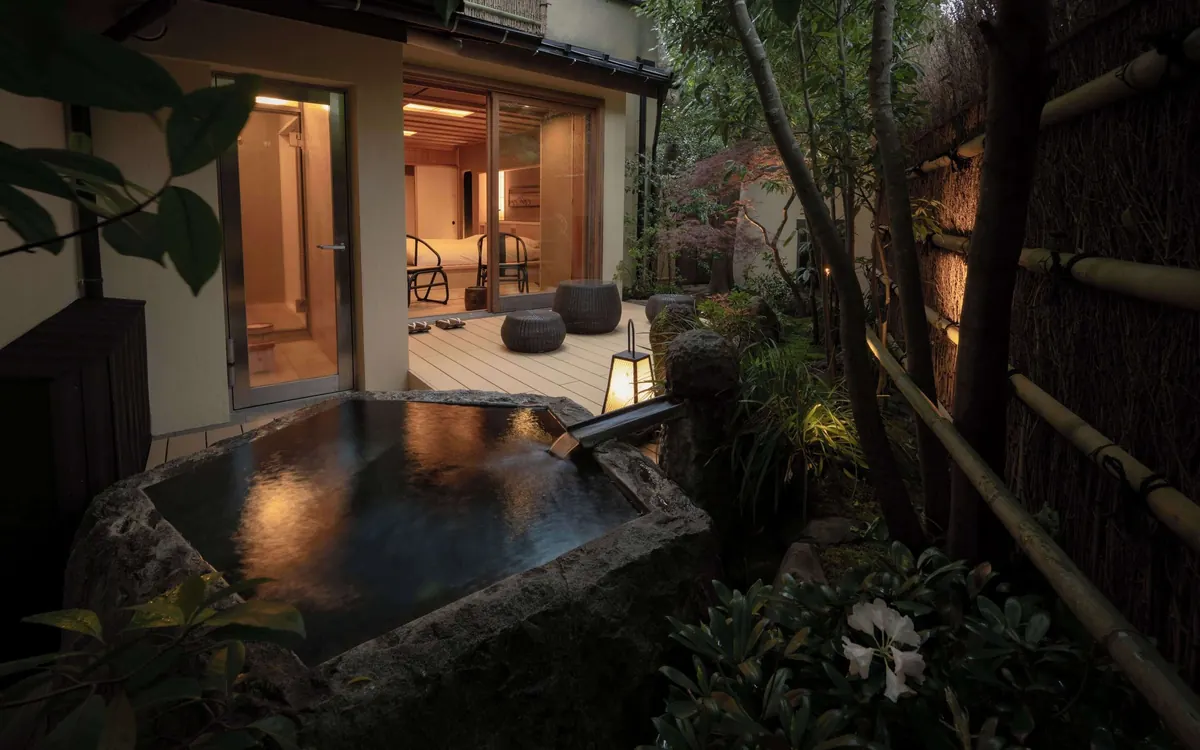
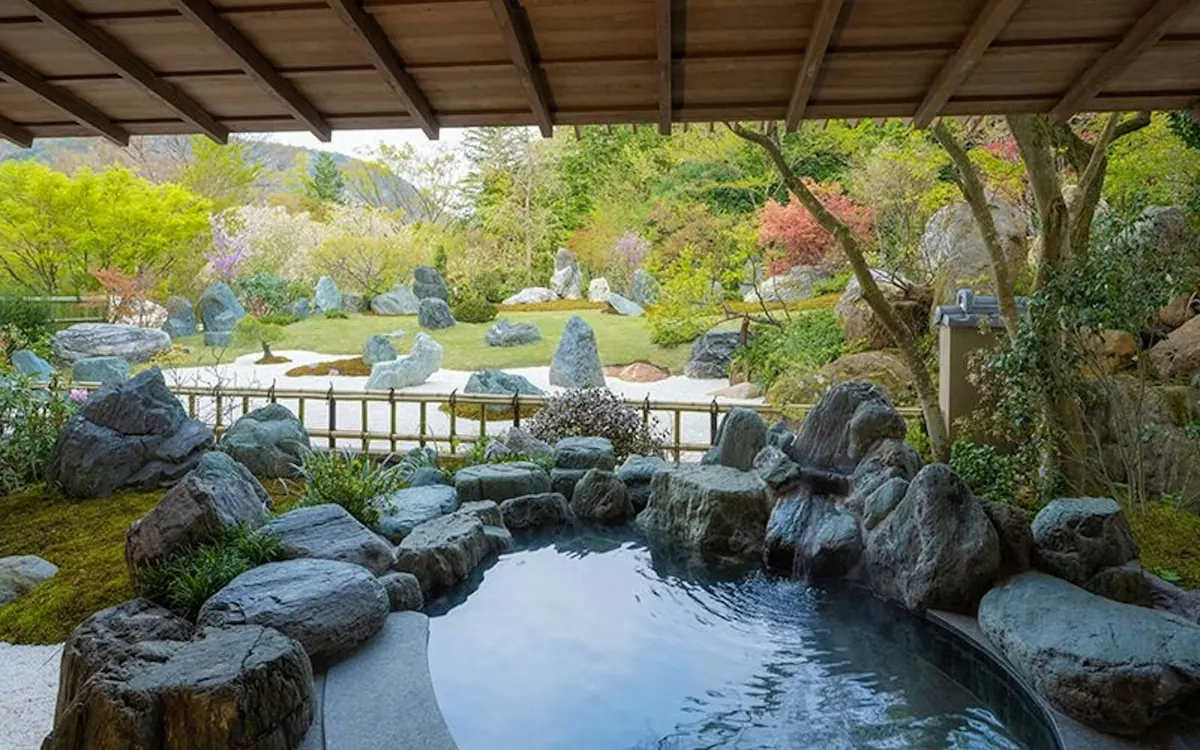
Gora Kadan began as a weekend retreat of the Kaninnomiya imperial family and became an inn in the 1950s. Today it has 42 rooms across 22 categories, from Standard Rooms A to D with indoor baths only to the Bettei and Annex suites with private open air stone, rock or hinoki baths, and four Kadan Panoramic suites with half open hinoki observation baths. Published rates run from 66,000 yen per person for a Standard B or C room to 229,000 yen for the Bettei Suite Akatsuki, dinner, breakfast, service and tax included. It is three minutes on foot from Gora Station, the terminus of the Hakone Tozan railway, and offers free pick up from the station by advance reservation. Reddit's r/FATTravel consensus is blunt: "Gora Kadan is thought to be the best". The honest caveat is that the cheapest rooms have no open air bath and the spa and pool were listed as "coming soon" at the time of research, so pay for a suite or go elsewhere.
Hakone Ginyu
-
1 of 5Hakone Ginyu, ryokan exterior against the Hakone mountains, Hakone -
2 of 5Hakone Ginyu, tatami guest room with shoji and garden view, Hakone -
3 of 5Hakone Ginyu, open air onsen bath in bamboo garden, Hakone -
4 of 5Hakone Ginyu, room terrace with private bath and valley view, Hakone -
5 of 5Hakone Ginyu, guest room terrace with round wooden bath, Hakone
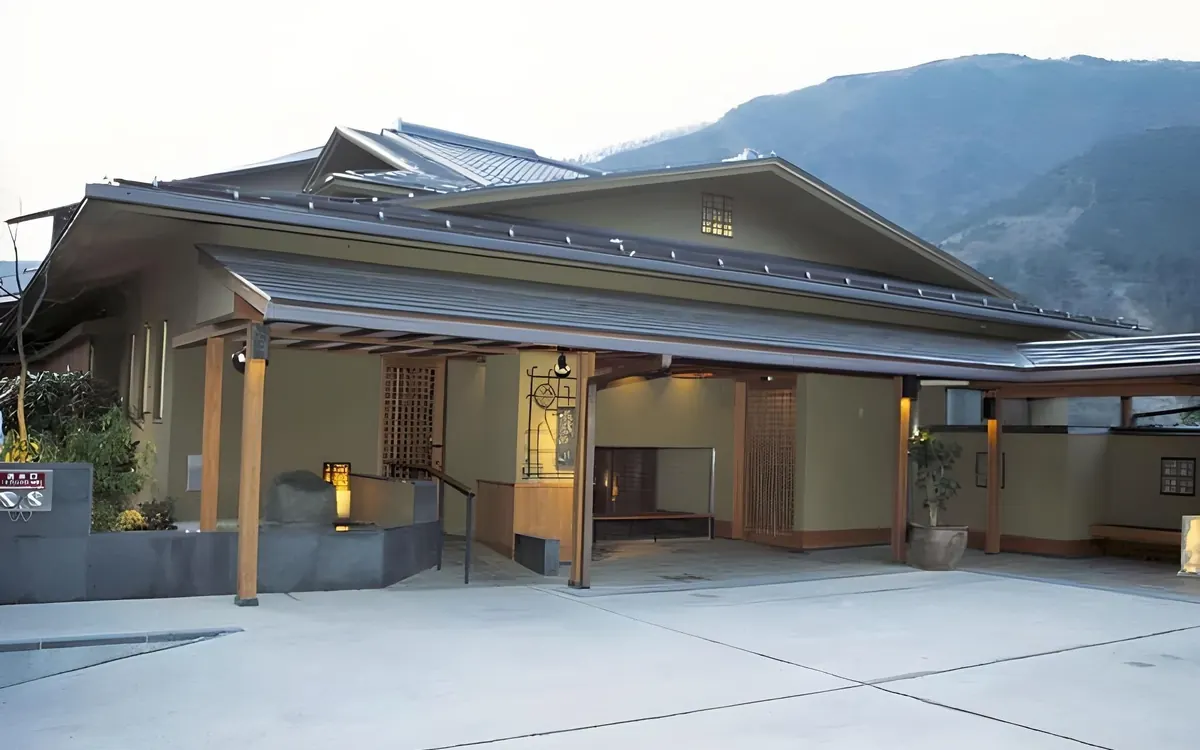
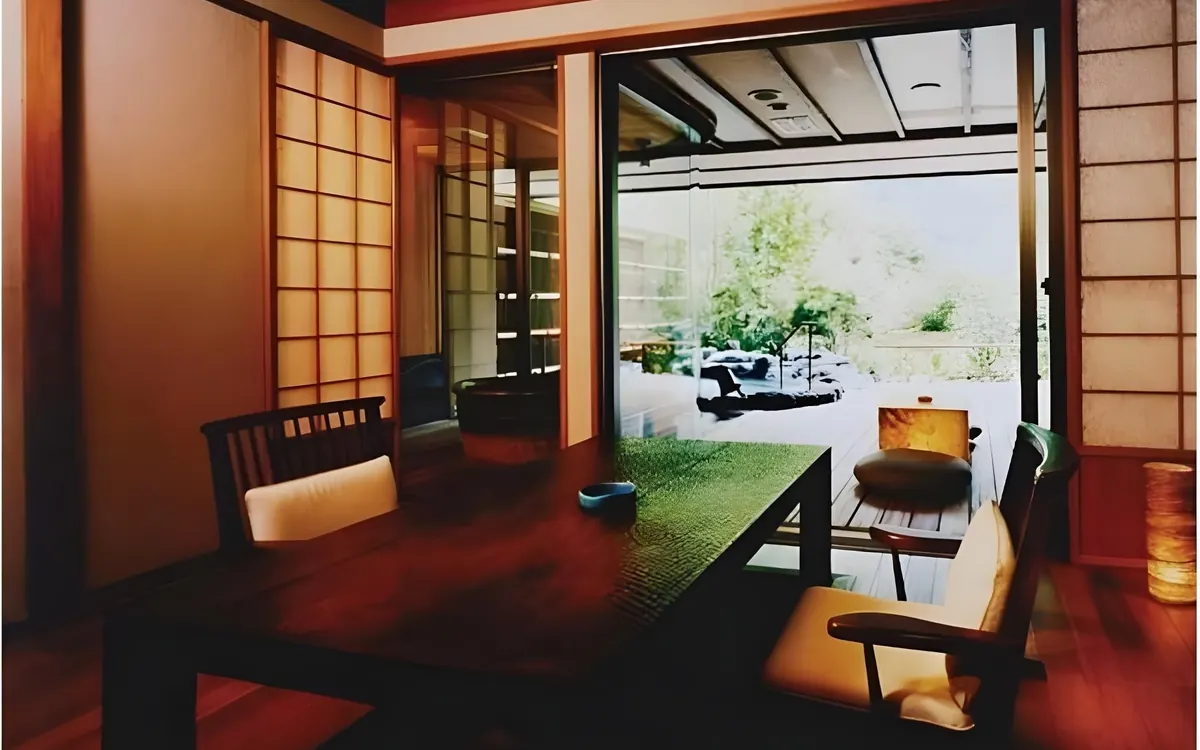
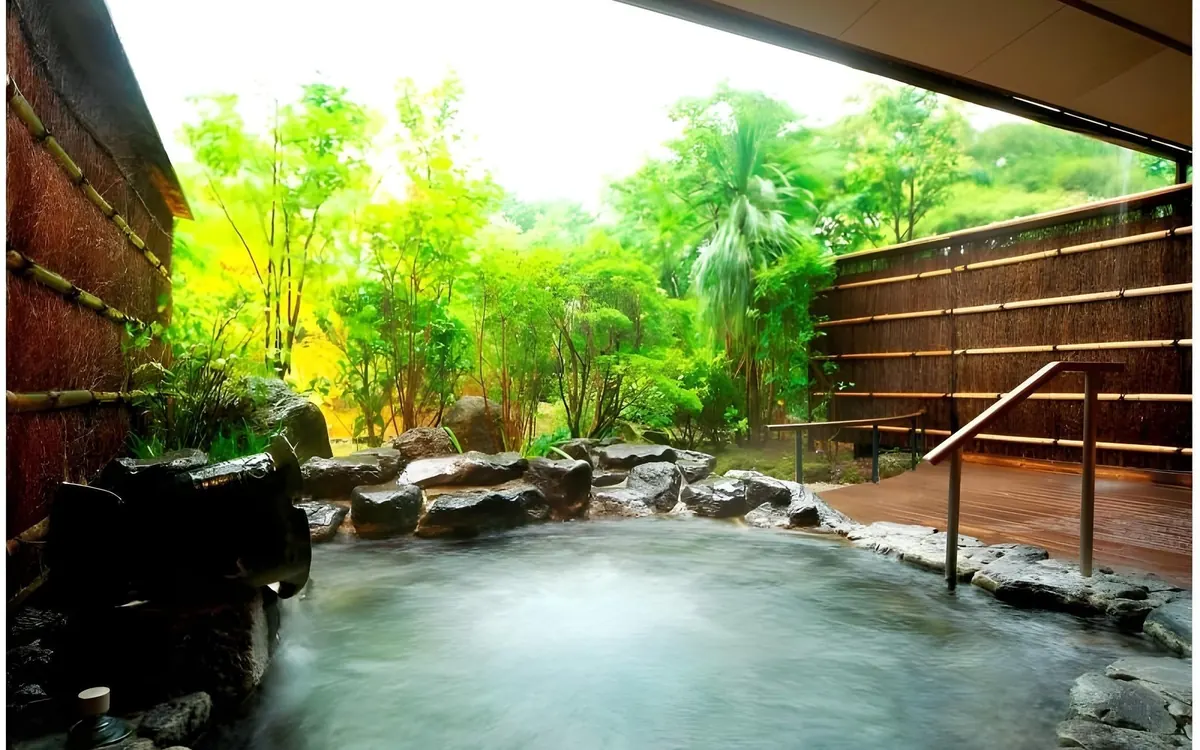
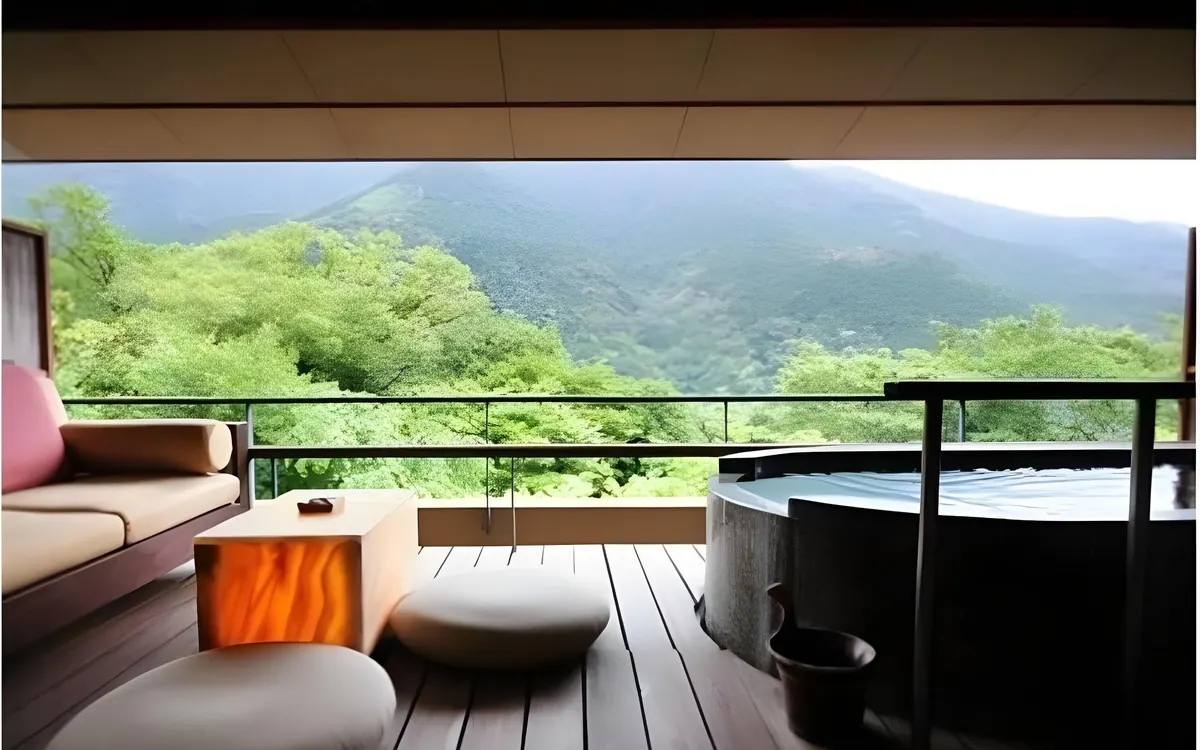
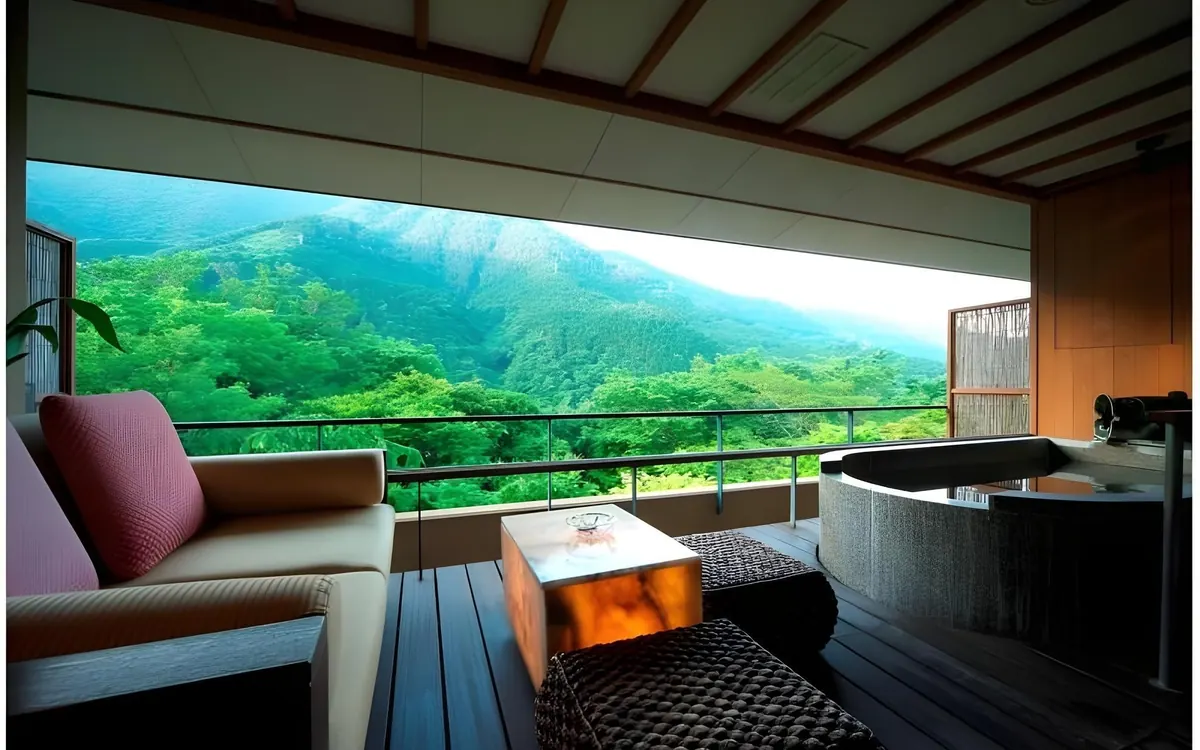
Hakone Ginyu is the private onsen pick. All 20 rooms, from the 68 square metre Sora to the 102 square metre Tsuki, have a private open air hot spring bath, and the communal bath has a sheer dark stone edge that seems to float above the Hayakawa gorge. Rates start at 42,500 yen per person for Sora and 54,600 yen for Tsuki, with dinner at 18:00 or 19:00, breakfast from 8:00 to 9:30 and vegan menus available. The Teppanyaki Yuan counter adds wagyu or Ise lobster courses for an extra fee, and the open air Bar Myojo pours drinks over the valley until midnight. Access is a three minute walk uphill from Miyanoshita Station on the Hakone Tozan Line; there is no pick up service, and the hillside site means stairs. Fodor's readers have debated Ginyu versus Gora Kadan on price for over a decade; Ginyu wins on room baths, Kadan on history and service depth.
Gora Hanaougi
-
1 of 5Gora Hanaougi, entrance porte cochere and timber facade, Hakone -
2 of 5Gora Hanaougi, tatami guest room with low table and mountain view, Hakone -
3 of 5Gora Hanaougi, open air onsen bath with Hakone mountain view, Hakone -
4 of 5Gora Hanaougi, private open air bath on the room terrace, Hakone -
5 of 5Gora Hanaougi, tatami dining room with mountain view window, Hakone
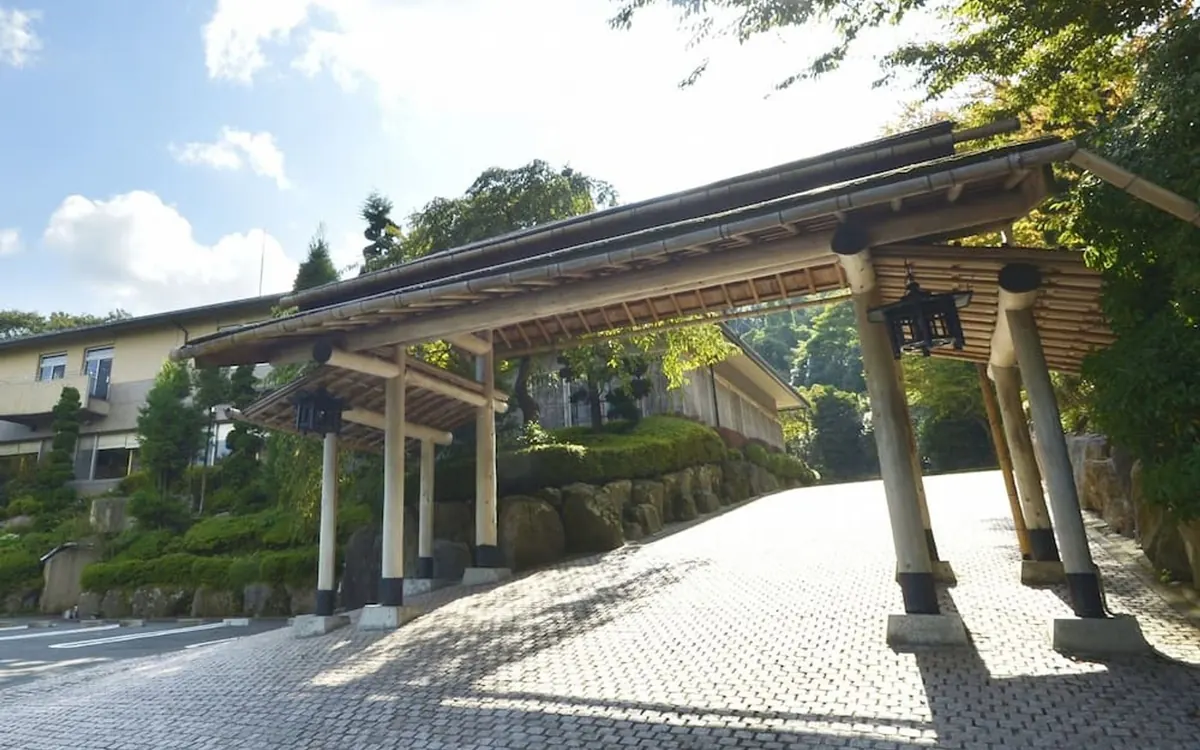
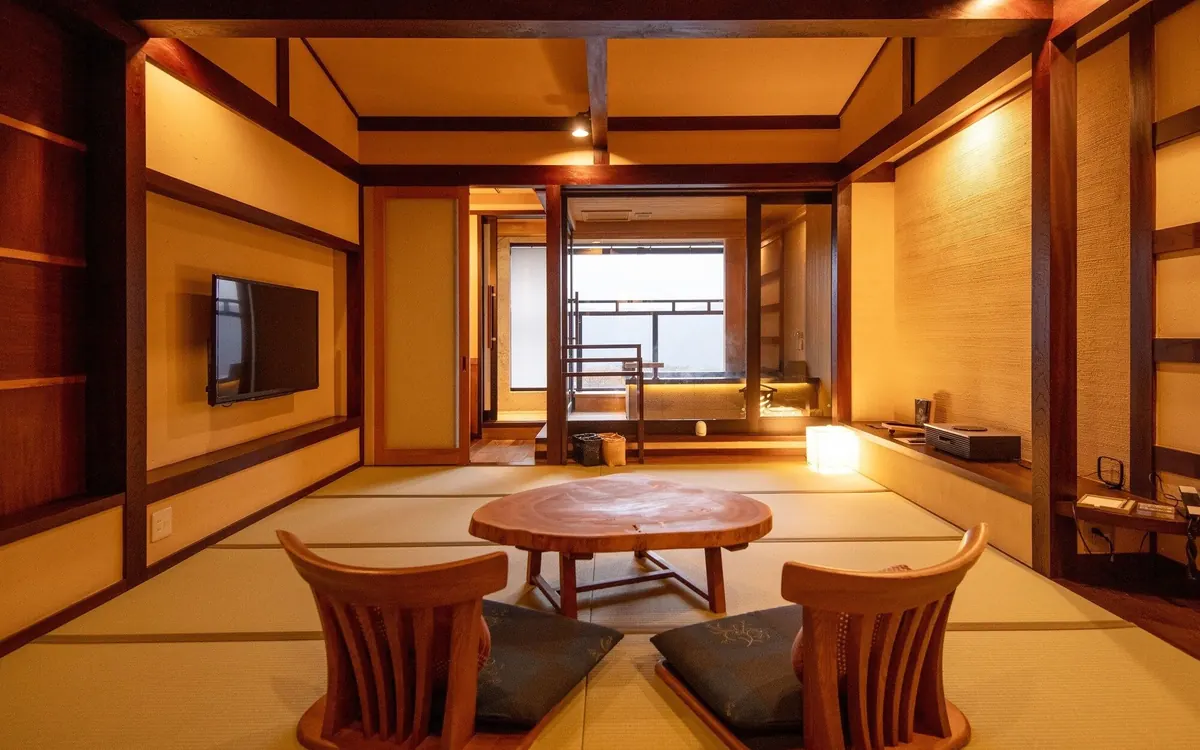
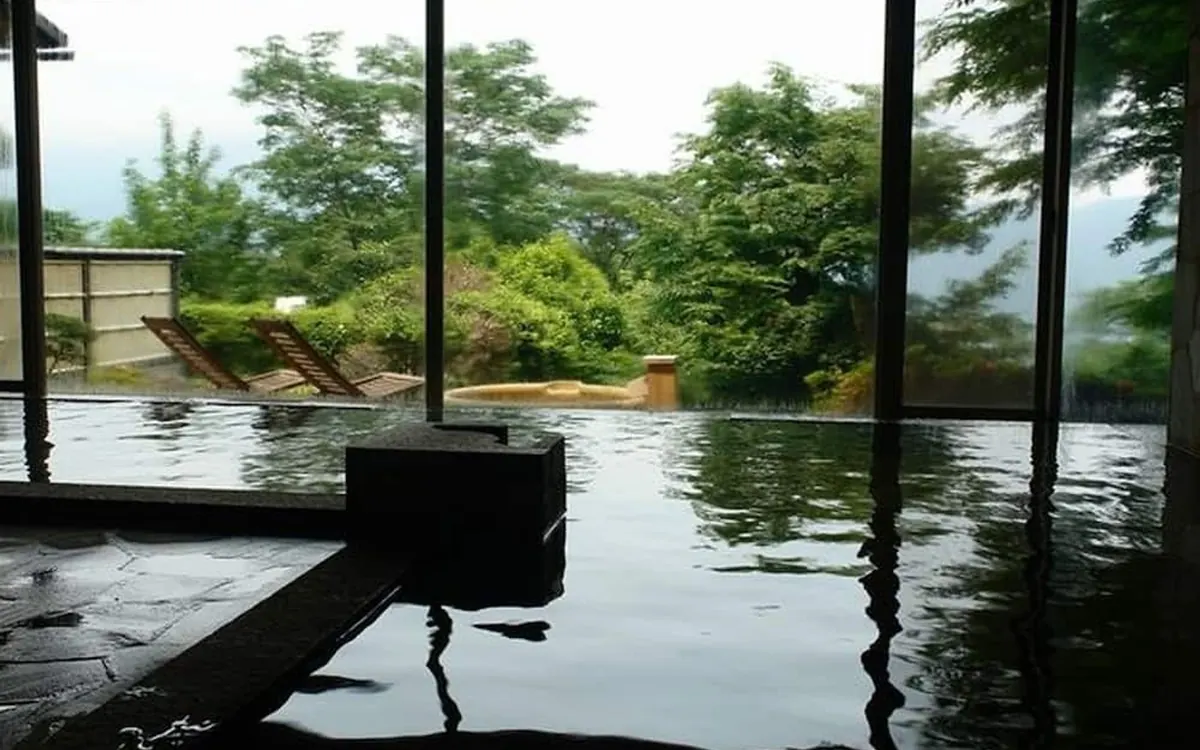
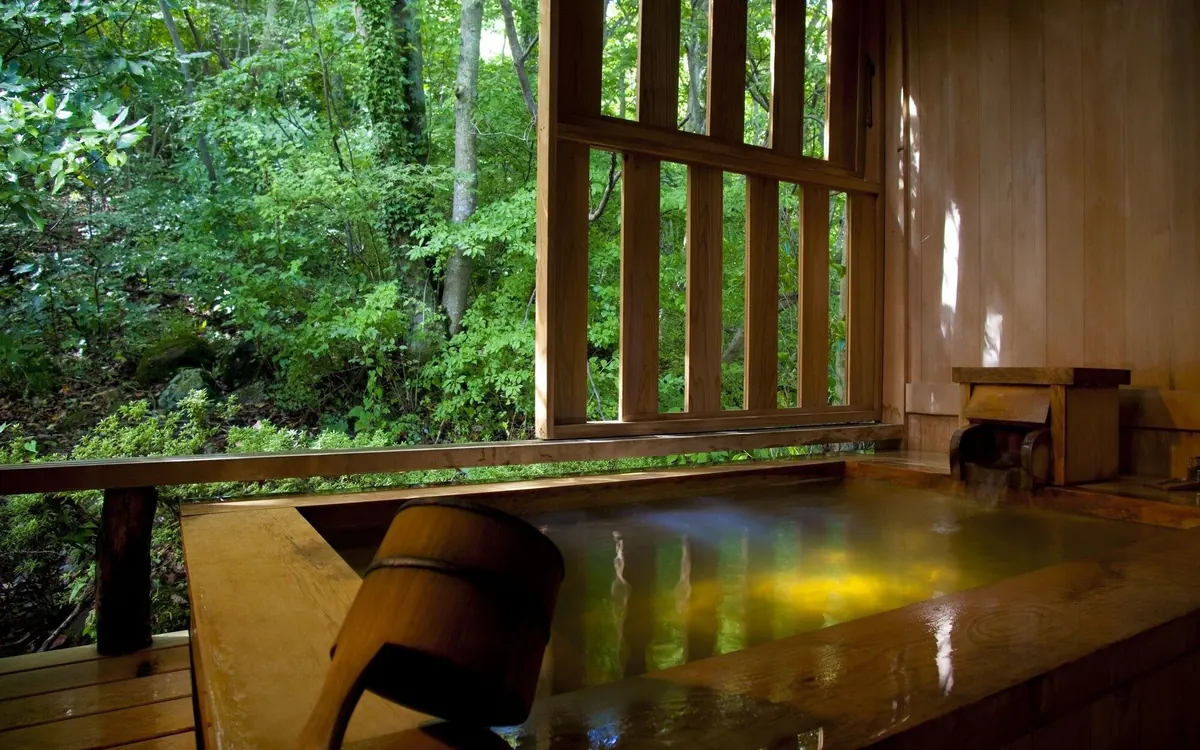
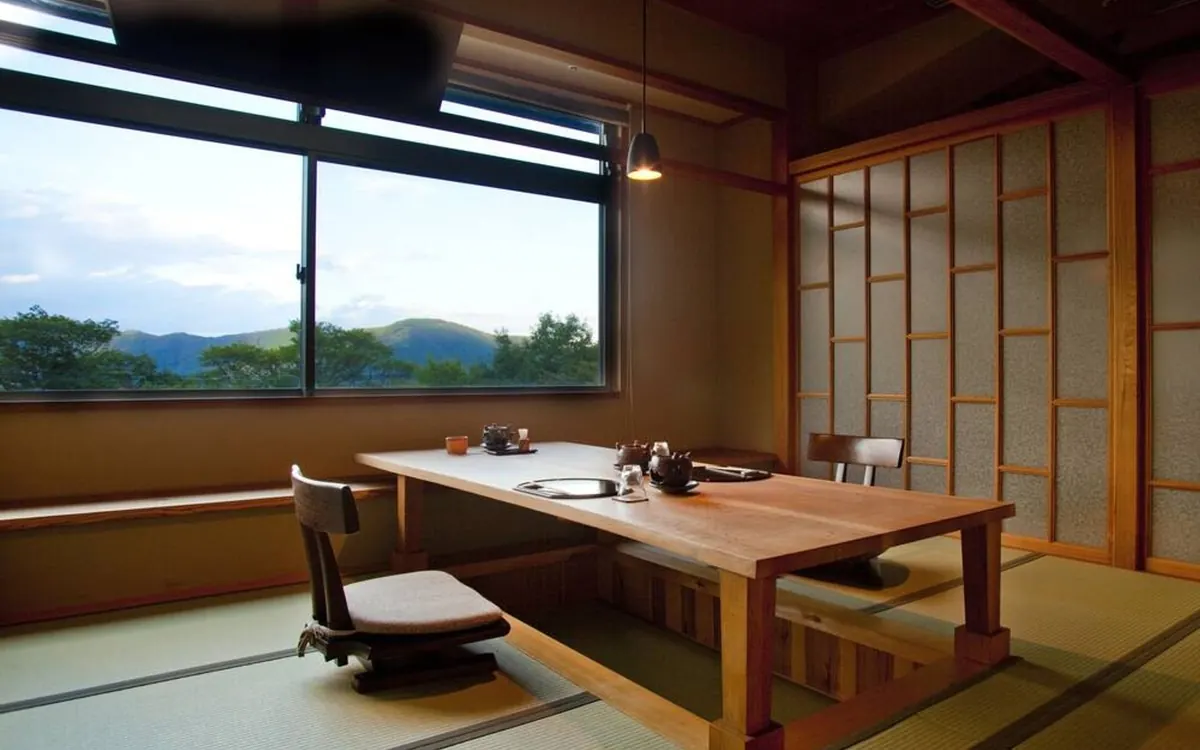
Gora Hanaougi is a 20 room inn where every room has a private open air bath facing Garin mountain and its own dining area for dinner and breakfast. Listed rates are roughly 70,000 to 100,000 yen per night for two with meals, and it quoted $671 for the first weekend of November, with a 4.7 guest rating from 585 Google reviews, the highest of any Hakone inn here. A courtesy car collects guests from Gora Station. It is listed on Expedia, which makes it the most practical Hakone private onsen booking for anyone who wants free cancellation. Families do book it, and children are welcome. The drawback is atmosphere: the building is modern and public spaces are small, so it reads as a boutique hotel with onsen rather than a historic inn.
Hakone Suishoen
-
1 of 5Hakone Suishoen, main building exterior and garden, Hakone -
2 of 5Hakone Suishoen, tatami style guest room opening onto the garden, Hakone -
3 of 5Hakone Suishoen, open air onsen bath with wooden screens, Hakone -
4 of 5Hakone Suishoen, private stone bath with garden window, Hakone -
5 of 5Hakone Suishoen, entrance approach with garden and pine, Hakone
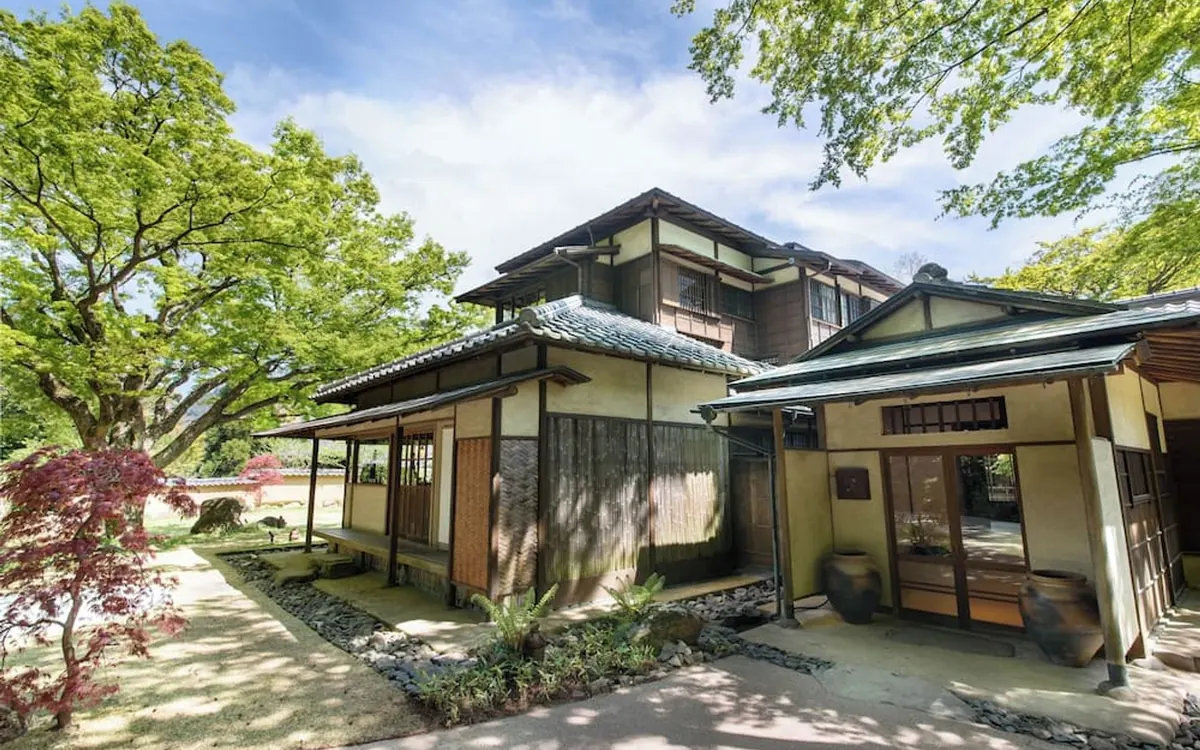
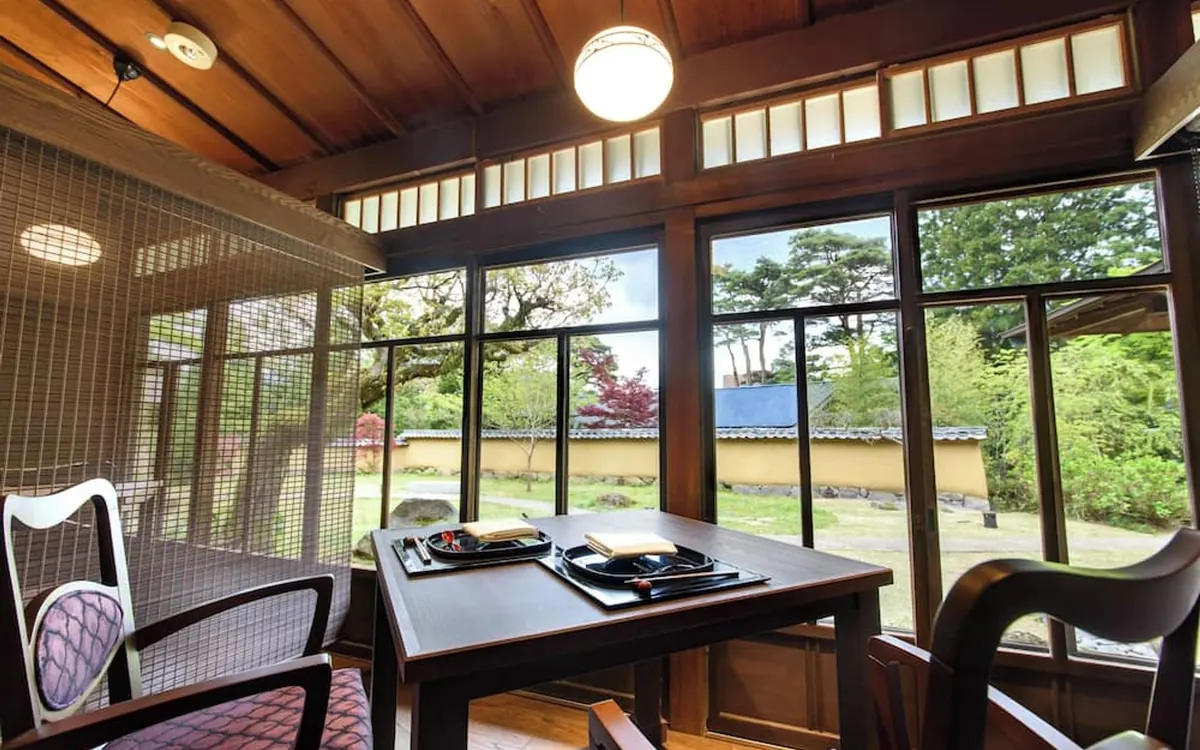
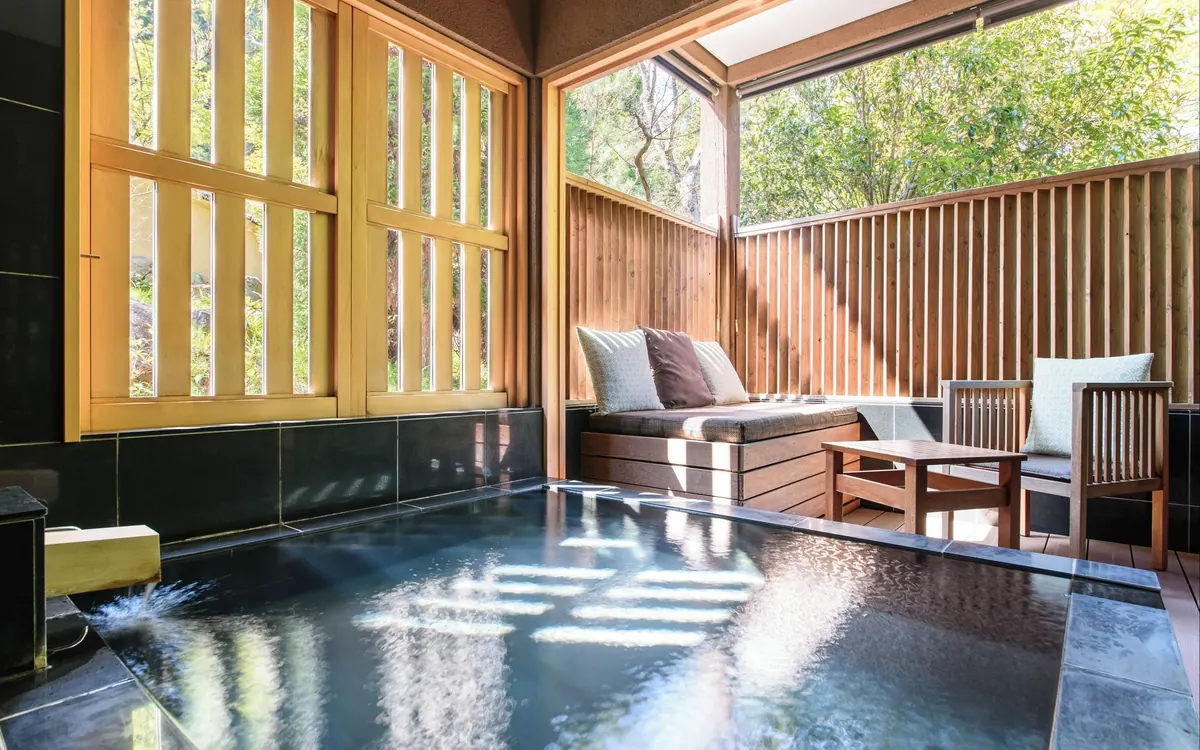
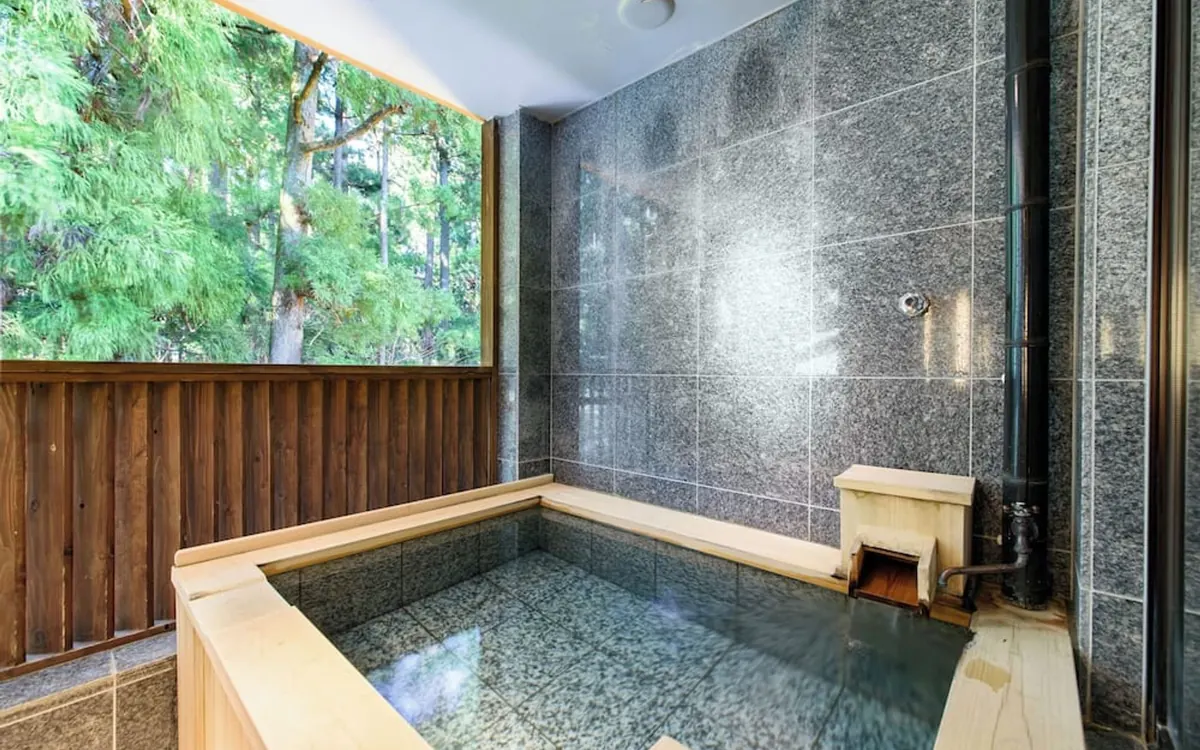
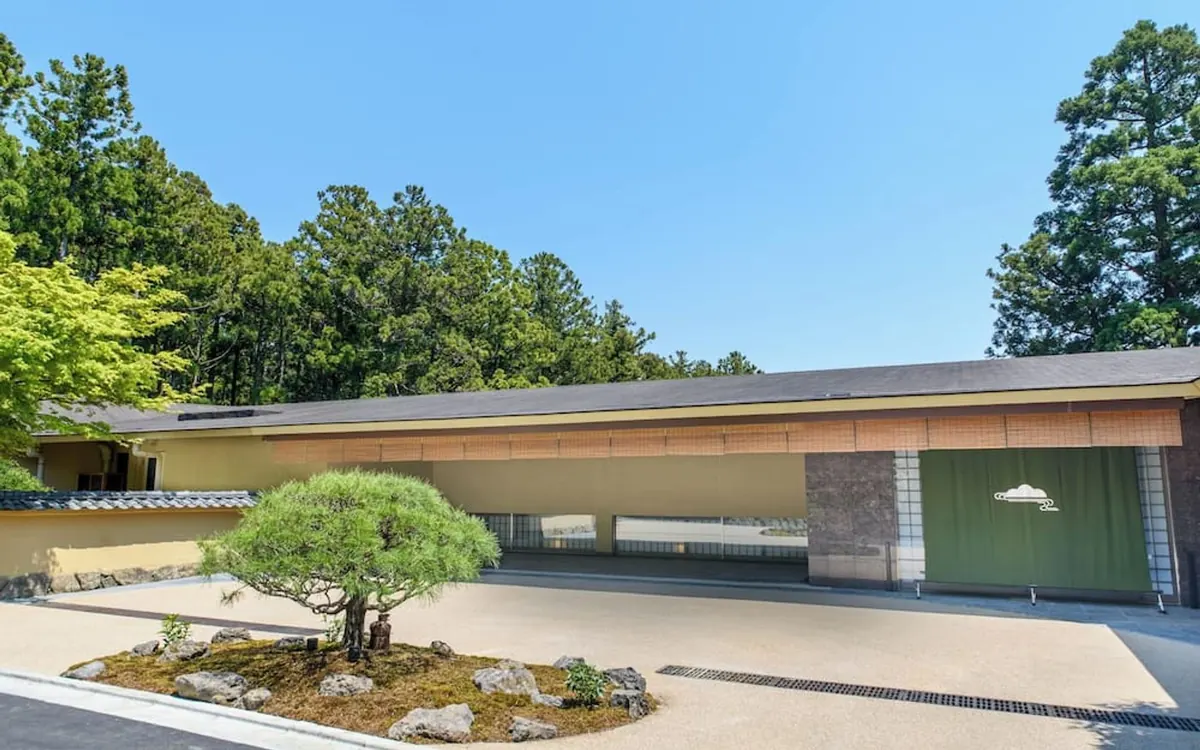
Hakone Suishoen has 23 rooms, all with open air hot spring baths, plus a large communal outdoor bath, saunas, a library and a bar, and sits beside the Hakone Open Air Museum near Kowakudani Station. Kaiseki dinner and breakfast at the restaurant are included, and listed rates run 65,000 to 125,000 yen per night. It is bookable on both Expedia and Booking.com, which is rare at this level. The catch is seasonal pricing: it quoted $1,537 for 1 to 2 November 2026, a leaf season premium that puts it above Gora Kadan's entry rate. In shoulder months it is one of the best value private onsen rooms in Hakone.
Hakone Kowakien Ten-yu
-
1 of 5Hakone Kowakien Ten-yu, main building exterior with mountain backdrop, Hakone -
2 of 5Hakone Kowakien Ten-yu, tatami guest room with lantern and garden view, Hakone -
3 of 5Hakone Kowakien Ten-yu, open air onsen bath with autumn foliage, Hakone -
4 of 5Hakone Kowakien Ten-yu, open air bath beside the waterfall rock garden, Hakone -
5 of 5Hakone Kowakien Ten-yu, restaurant dining room with garden view, Hakone
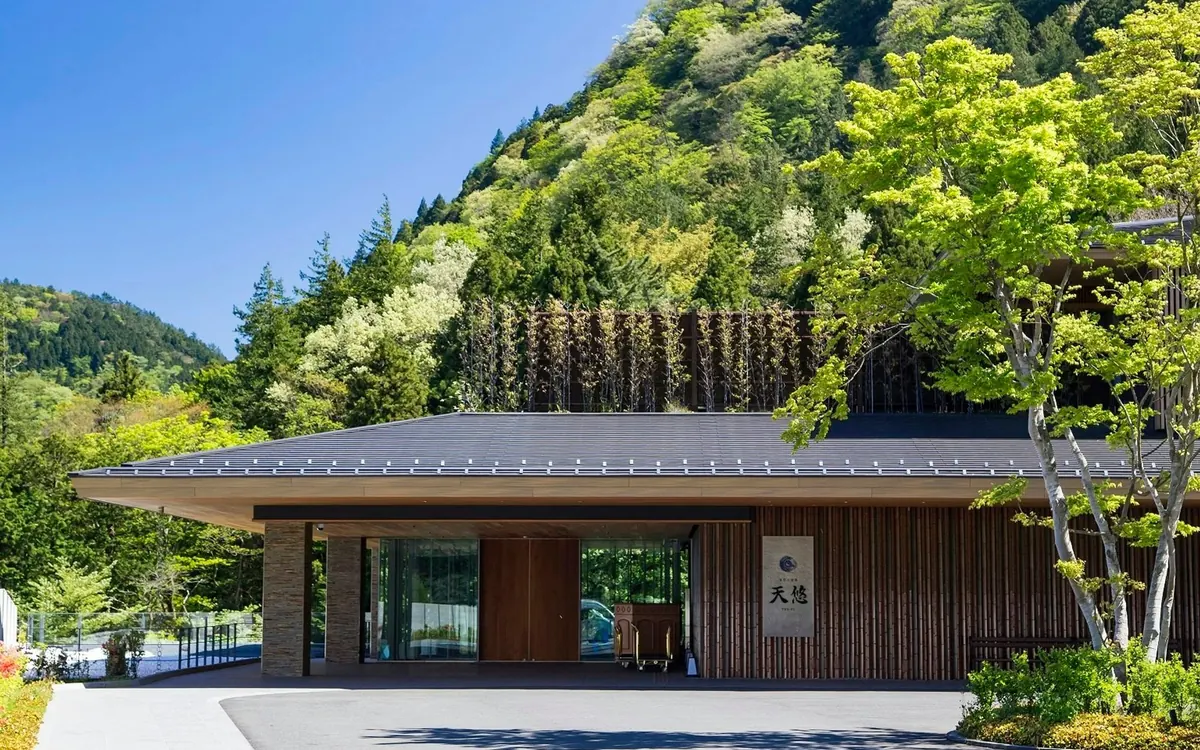
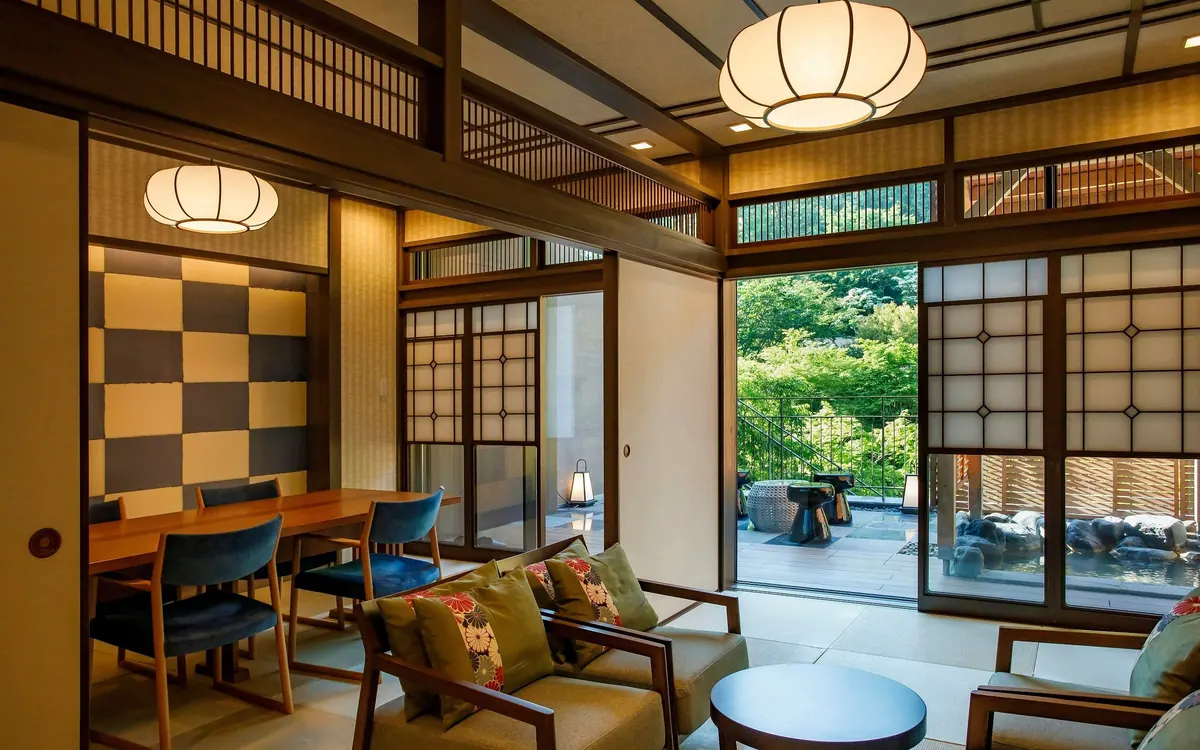
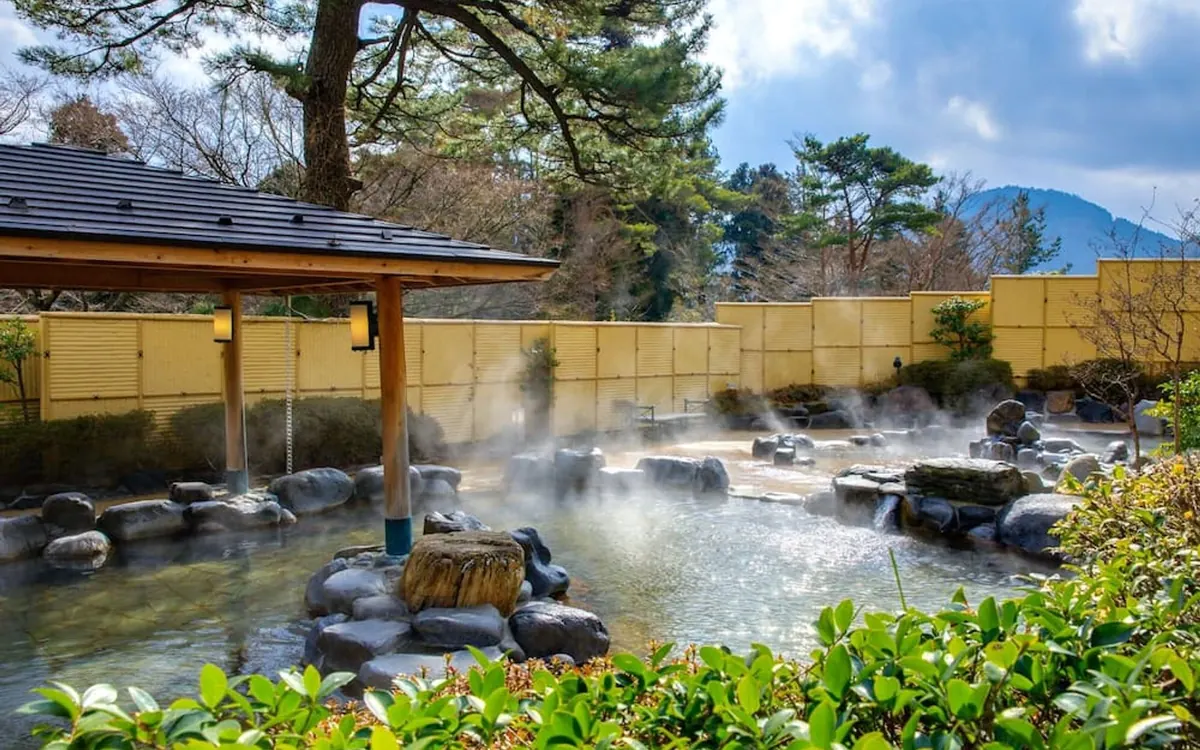
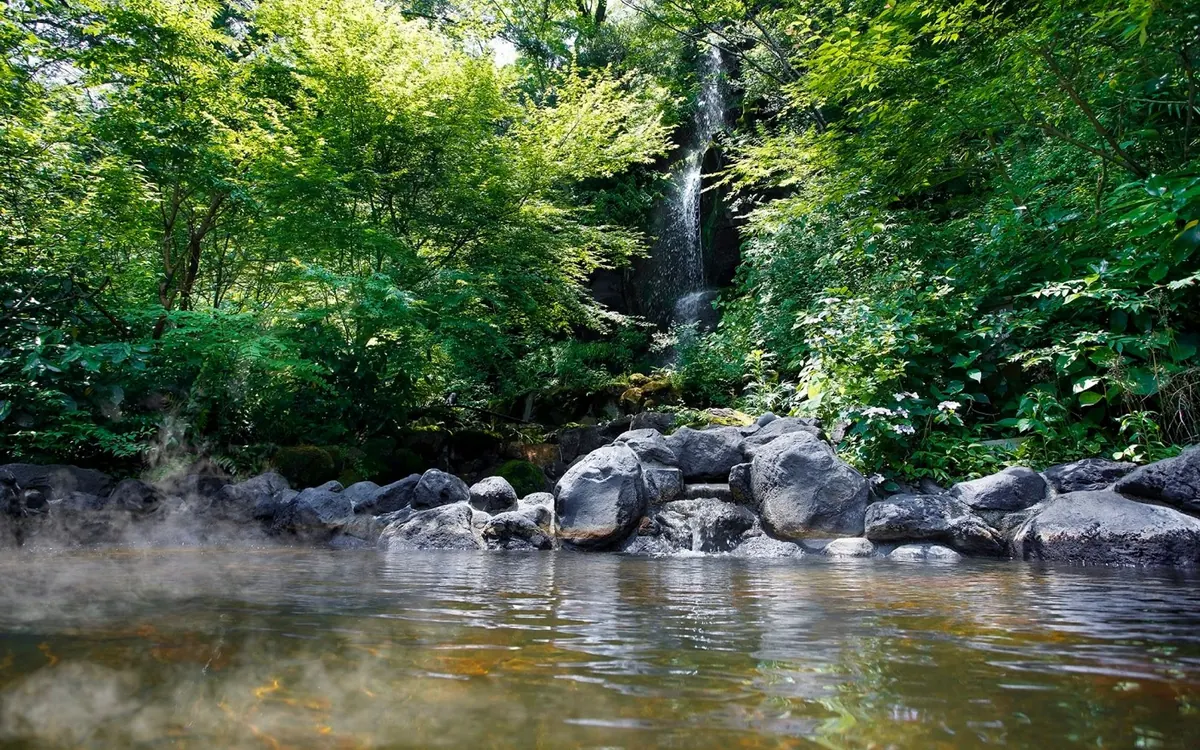
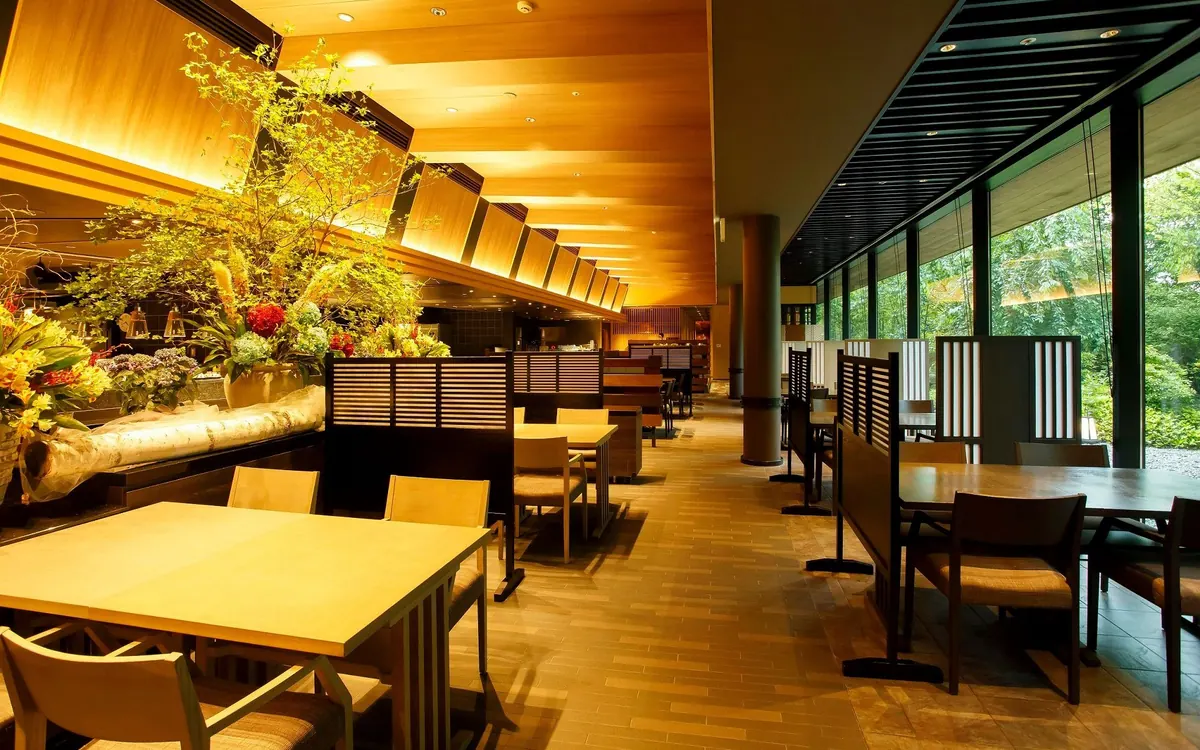
Hakone Kowakien Ten-yu is the value pick. It opened in 2017 as part of the Kowakien resort next to the Yunessun water park, with in room open air baths in most categories and a dramatic infinity edge communal bath. It quoted $487 for early November and scores 4.3 from 2,400 Google reviews. It is a resort hotel with roughly 150 rooms, buffet options and a busy lobby, so it lacks the hush of a 20 room inn, but for families or a first ryokan night it removes most of the etiquette anxiety and sells with free cancellation on both Expedia and Booking.com.
Kyoto: history over hot springs
Kyoto has no natural onsen worth the name, so Kyoto ryokans sell architecture, gardens, kaiseki and service. The two great houses, Tawaraya and Hiiragiya, face each other on Fuyacho Street in the city centre. Children policies are strict here: Hiiragiya does not accept children aged 0 to 12.
Tawaraya
-
1 of 5Tawaraya, tawaraya street facade in Kyoto, Kyoto -
2 of 5Tawaraya, tatami guest room looking onto a maple garden, Kyoto -
3 of 5Tawaraya, private hinoki bath with garden window, Kyoto -
4 of 5Tawaraya, tatami guest room with red lacquer table and garden, Kyoto -
5 of 5Tawaraya, inner courtyard garden, Kyoto
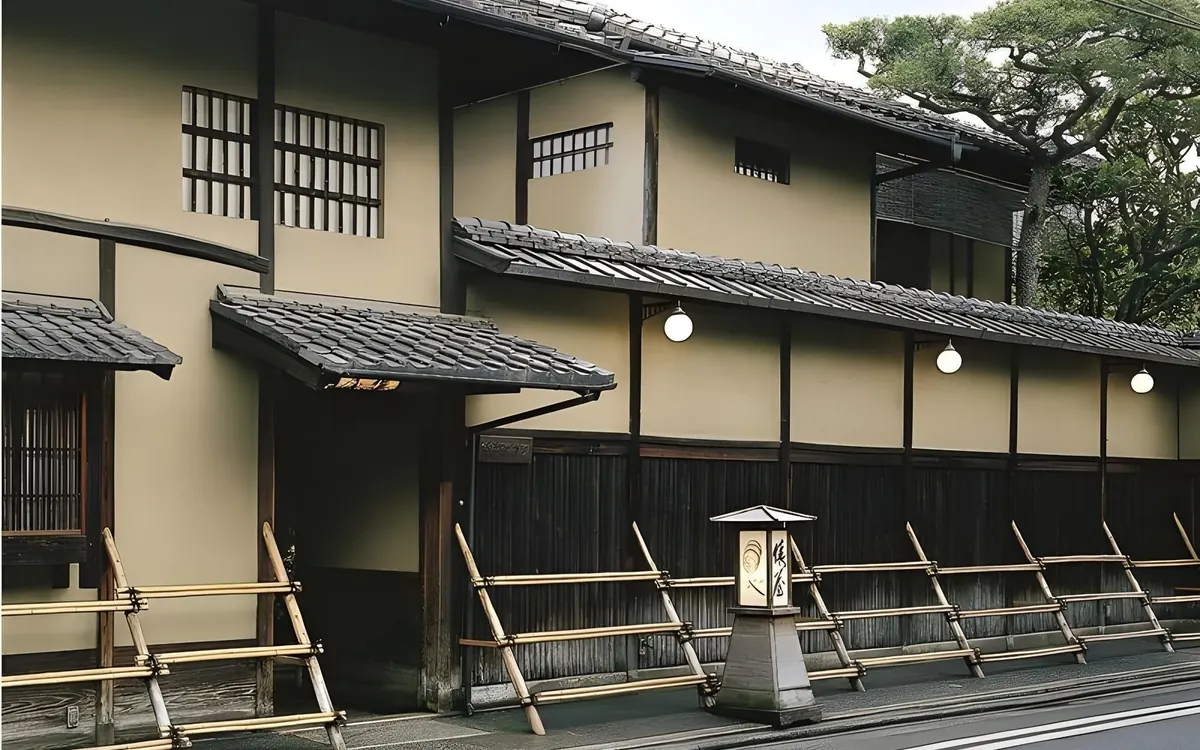
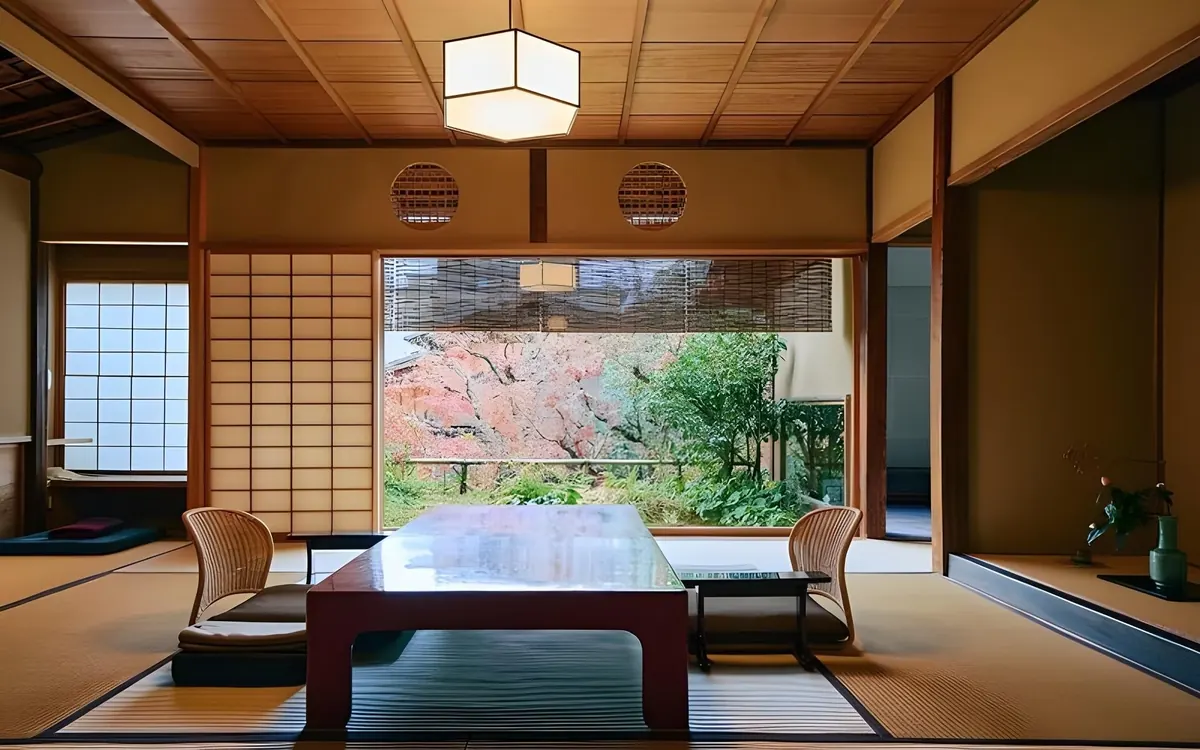
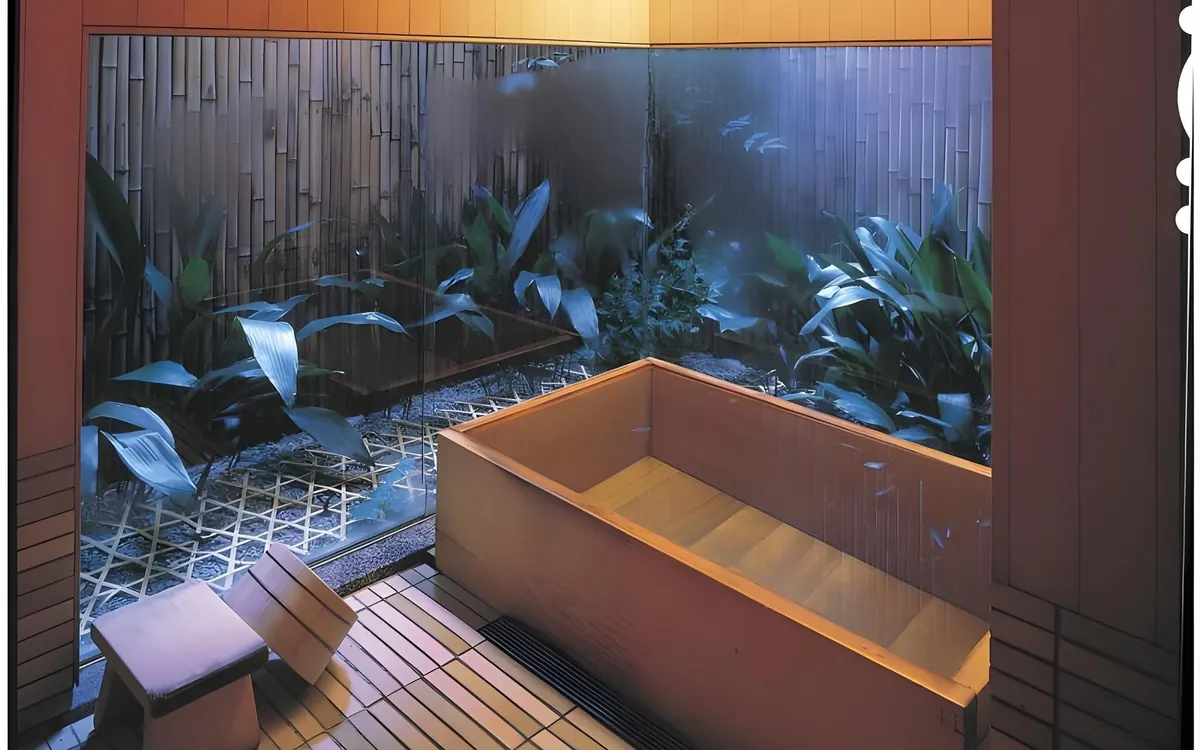
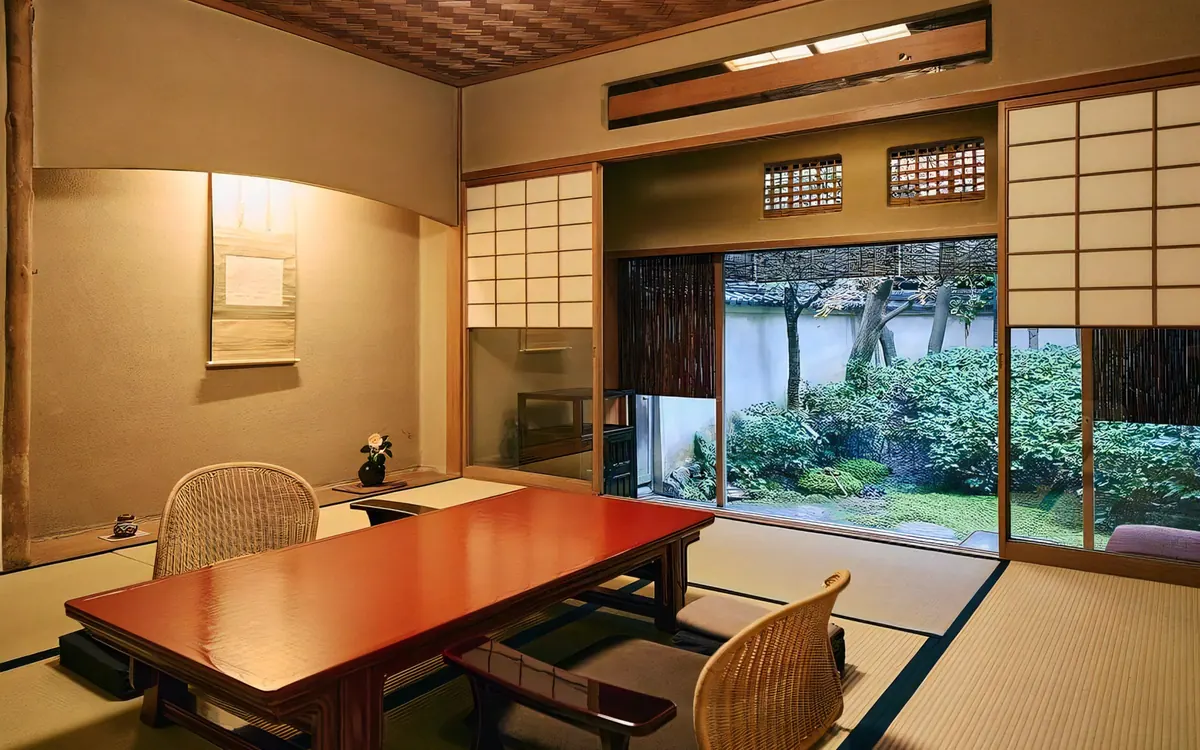
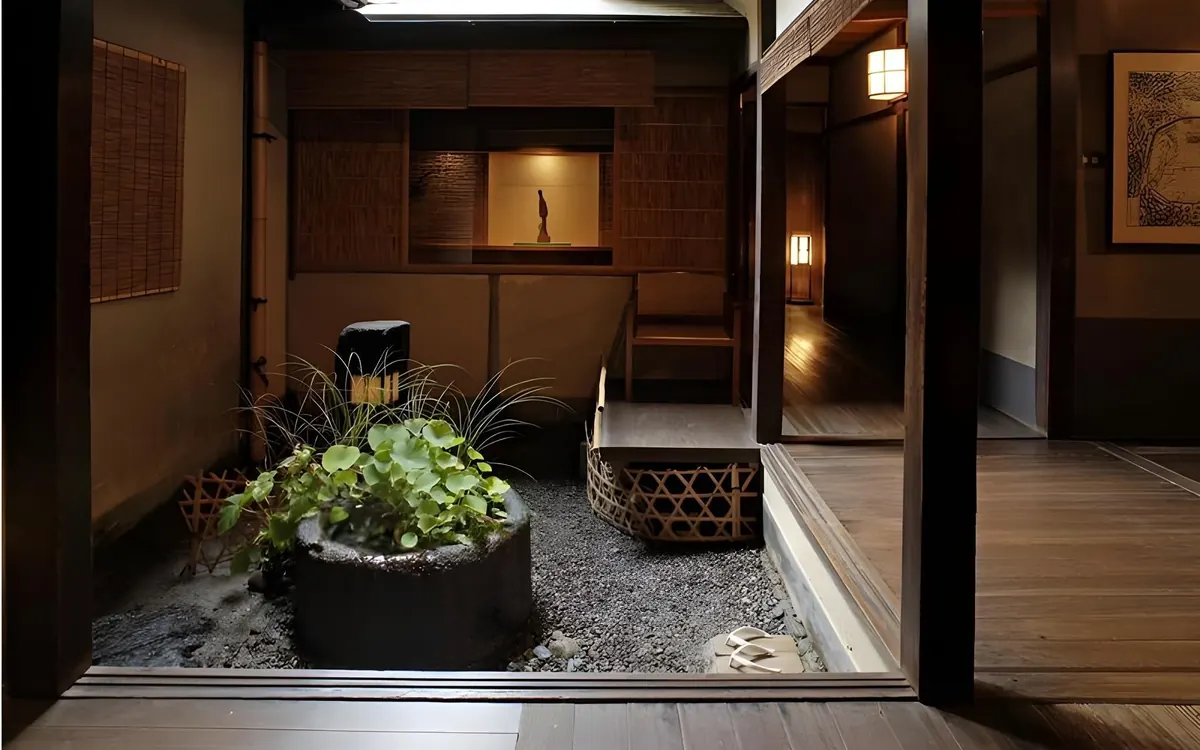
Tawaraya is the name every expert list reaches for first, including the FlyerTalk luxury ryokan primer and the 130 comment Reddit thread on the best ryokan in Japan. It is reported to have 18 rooms and to have been run by the same family for about three centuries, with kaiseki served in the room and private wooden baths rather than onsen. There is no website and no online booking: reservations are by phone or fax, and comparison sites pit it against Seikoro as the online alternative. Expect roughly $1,100 to $2,000 for two. The drawbacks are the booking friction, the absence of a hot spring and the lack of published prices, so confirm rates directly before committing.
Direct only, by phone or fax
Hiiragiya
-
1 of 5Hiiragiya, hiiragiya entrance gate on the Kyoto street, Kyoto -
2 of 5Hiiragiya, tatami guest room with low table and garden window, Kyoto -
3 of 5Hiiragiya, guest room veranda opening onto a private garden, Kyoto -
4 of 5Hiiragiya, inner garden with moss and stone wall, Kyoto -
5 of 5Hiiragiya, a tatami room with black lacquer table open to the corridor, Kyoto
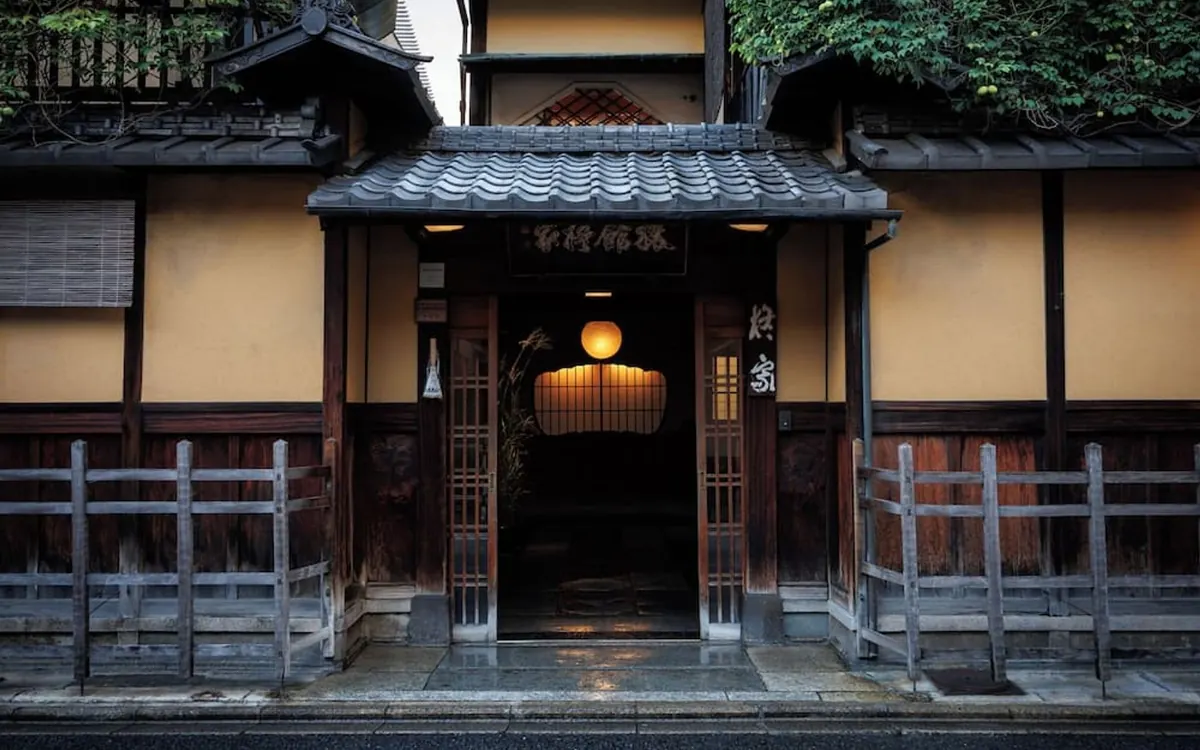
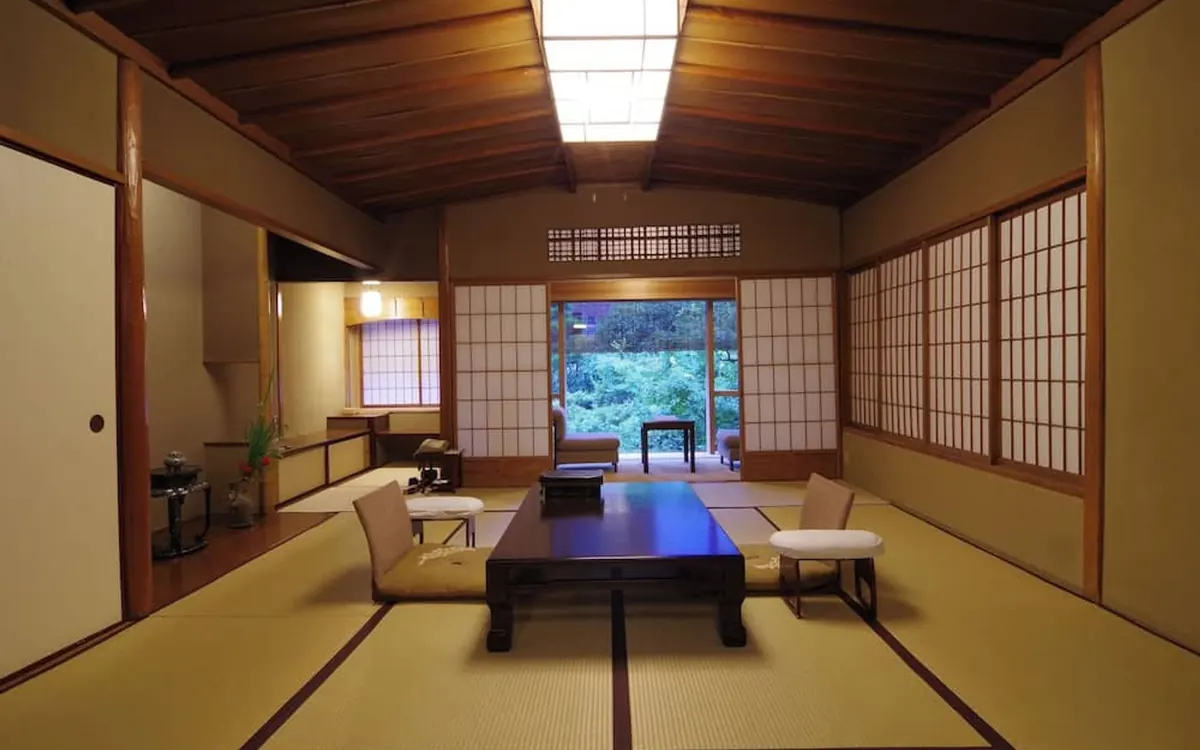
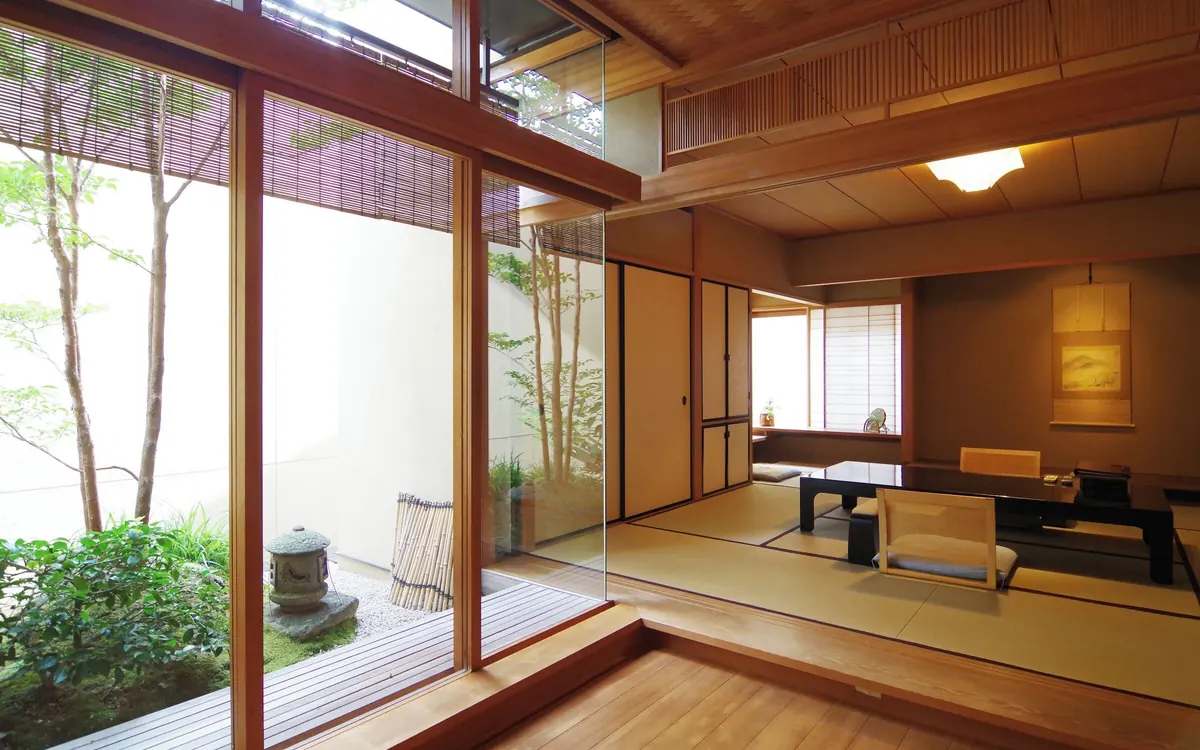
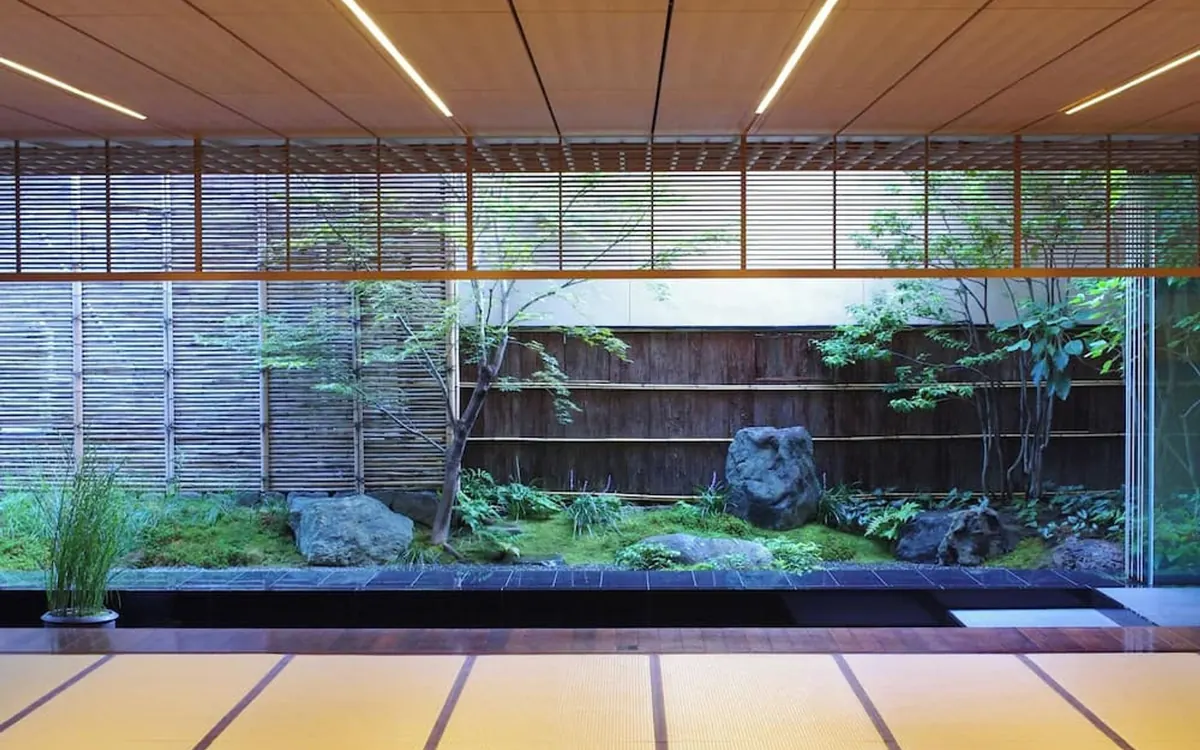
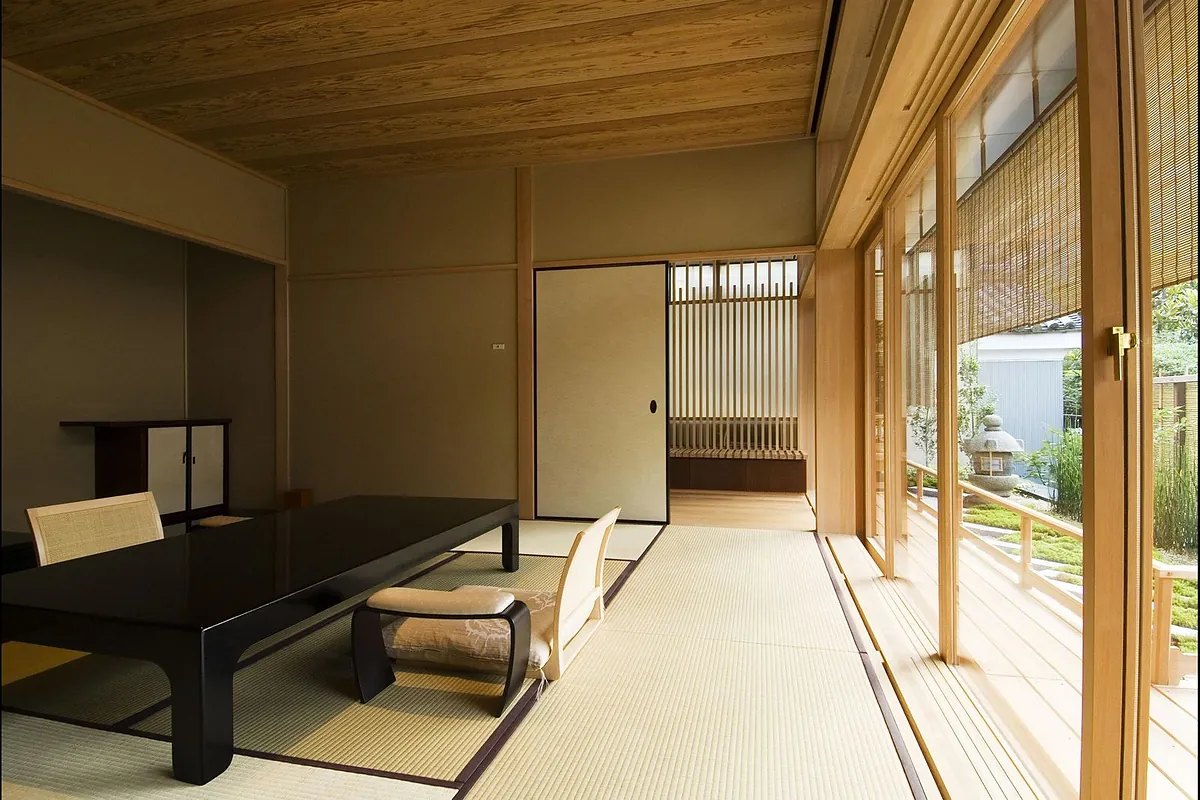
Hiiragiya was founded in 1818 and has 28 rooms across a Main Building (80, 60 and 50 square metre rooms) and a New Wing (53, 50 and 45 square metres), each with a private indoor bath in lacquer, marble or tile, plus two reservable private baths with stained glass and lacquered ceilings by noted artisans. Rates start at 126,500 yen per person for a 45 square metre New Wing room and reach 210,100 yen for the 80 square metre Imperial Size room, meals included. Kaiseki dinner starts at 18:00 and breakfast runs 7:00 to 9:00 with a Western option. It is about ten minutes by taxi from Kyoto Station with no pick up. Hiiragiya is the only one of the two great Kyoto houses you can book online, on Expedia and Booking.com. Children under 13 are not accepted and the New Wing rooms are noticeably smaller for only a modest saving.
HOSHINOYA Kyoto
-
1 of 5HOSHINOYA Kyoto, traditional boat on the Oi river with cherry blossom (the arrival approach), Kyoto -
2 of 5HOSHINOYA Kyoto, tsukihashi guest room with tatami and river view window, Kyoto -
3 of 5HOSHINOYA Kyoto, garden path in autumn colours leading to guest pavilion, Kyoto -
4 of 5HOSHINOYA Kyoto, hanami zen special kaiseki dinner, Kyoto -
5 of 5HOSHINOYA Kyoto, water garden, Kyoto
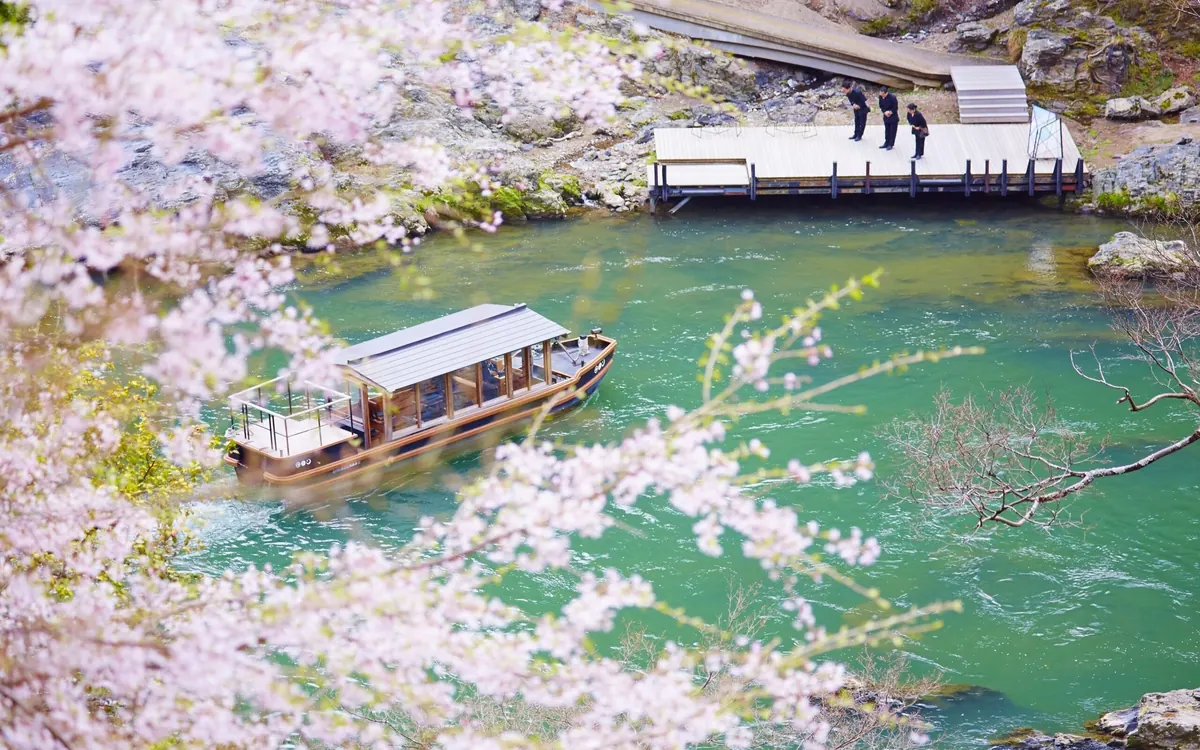
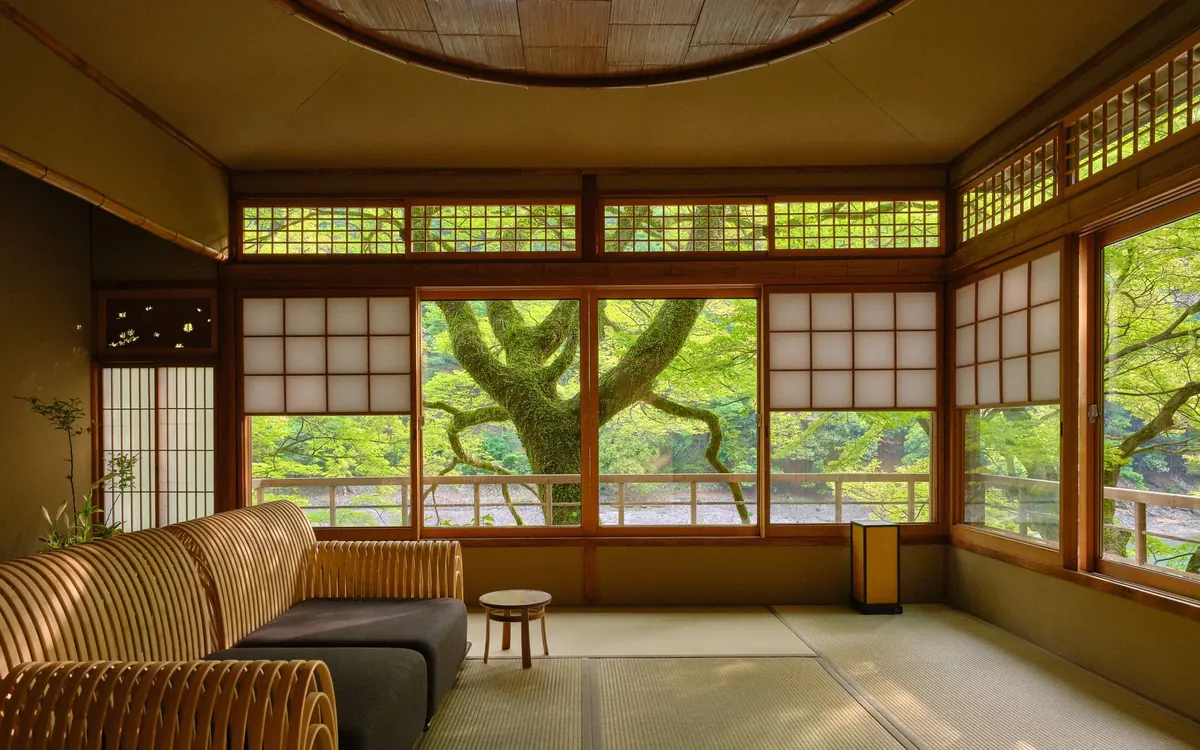
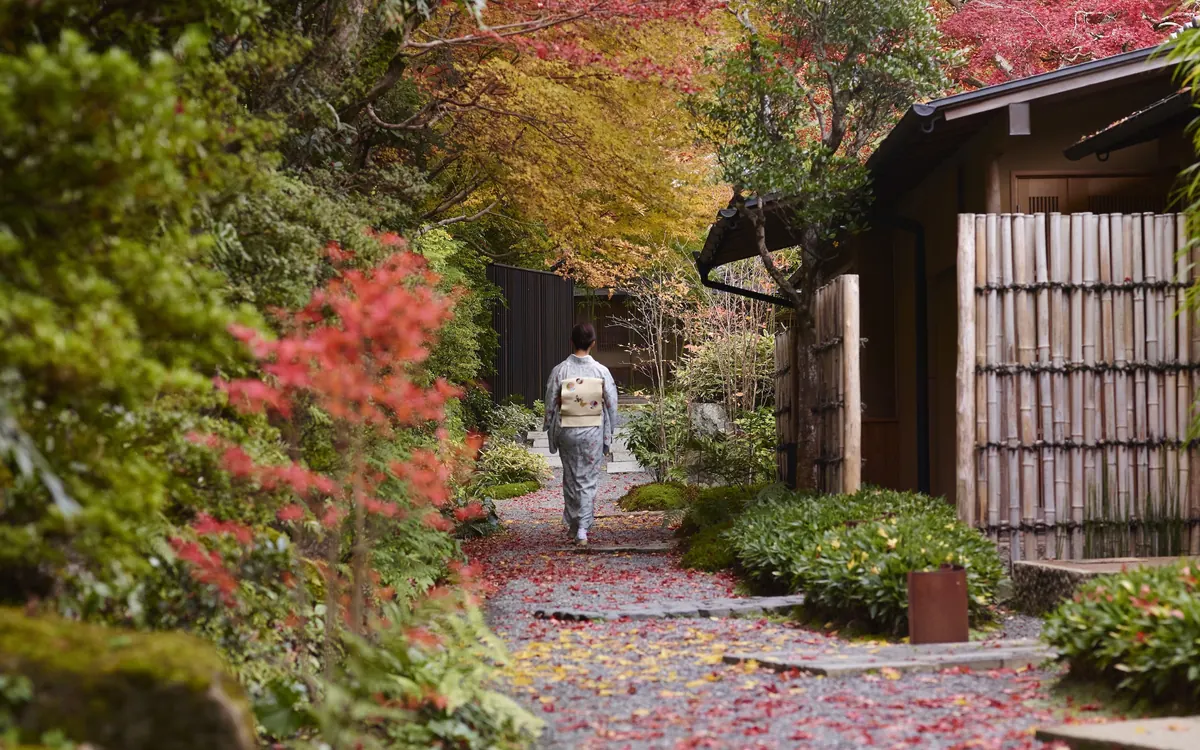
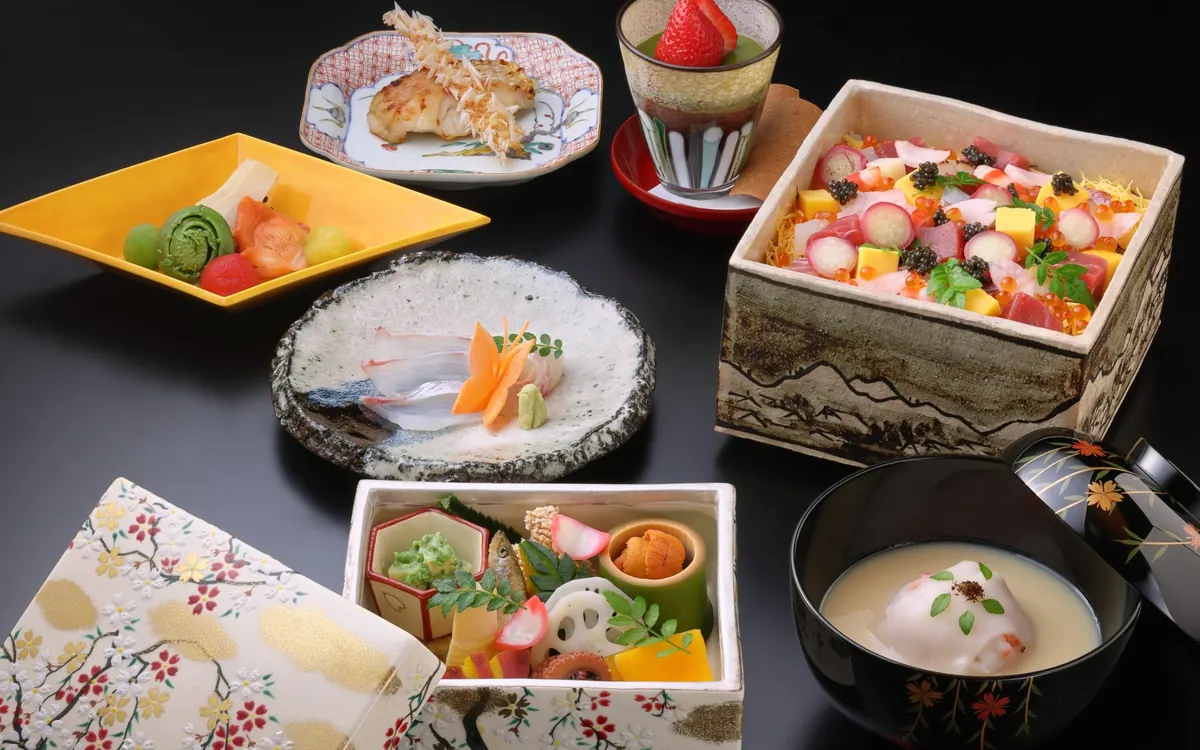
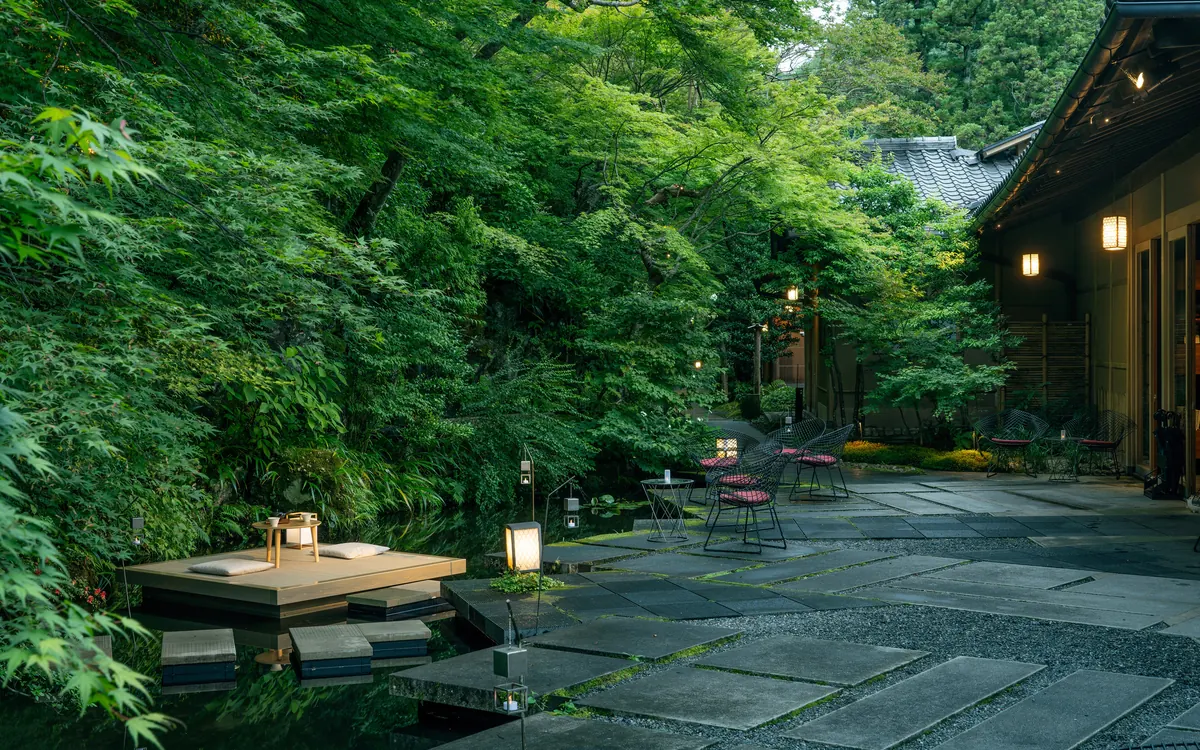
HOSHINOYA Kyoto is reached by private boat from Togetsukyo Bridge in Arashiyama to a 25 room hillside retreat where every window frames the Oi river gorge. Check in is 15:00 and check out a generous 12:00; luggage can be delivered from Kyoto Station or Kansai Airport, and there is a playroom, so children are welcome. Ampersand Travel ranks it among Japan's ten best luxury ryokans. Two things separate it from a classic ryokan: dinner is sold separately rather than bundled, and there is no onsen. Rooms run roughly $1,000 to $2,200 before meals. It is the easiest Kyoto "ryokan" for first timers, with brand standard English and wide OTA distribution, and the one to recommend to anyone who wants design and a 12:00 check out more than two centuries of lineage.
Seikoro Ryokan
-
1 of 5Seikoro Ryokan, seikoro entrance lantern and facade at dusk, Kyoto -
2 of 5Seikoro Ryokan, tatami guest room with low table and shoji, Kyoto -
3 of 5Seikoro Ryokan, hinoki cypress bath, Kyoto -
4 of 5Seikoro Ryokan, inner garden view from the lounge, Kyoto -
5 of 5Seikoro Ryokan, garden corridor with courtyard view, Kyoto
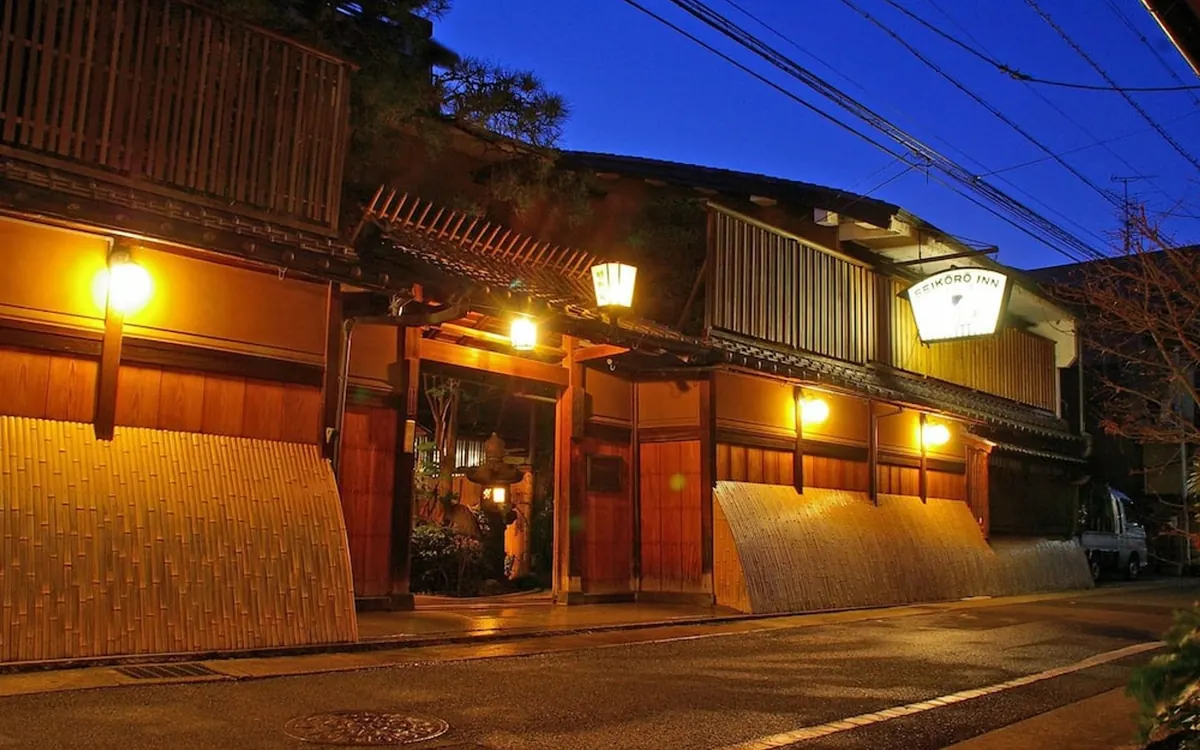
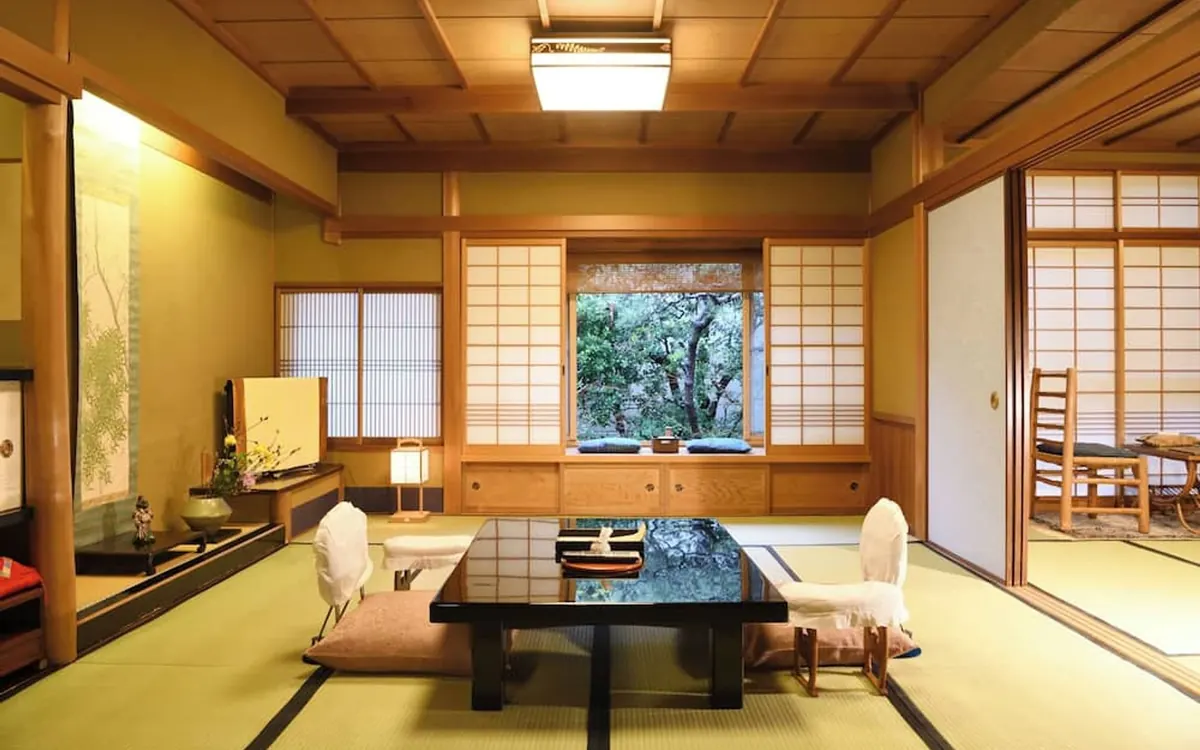
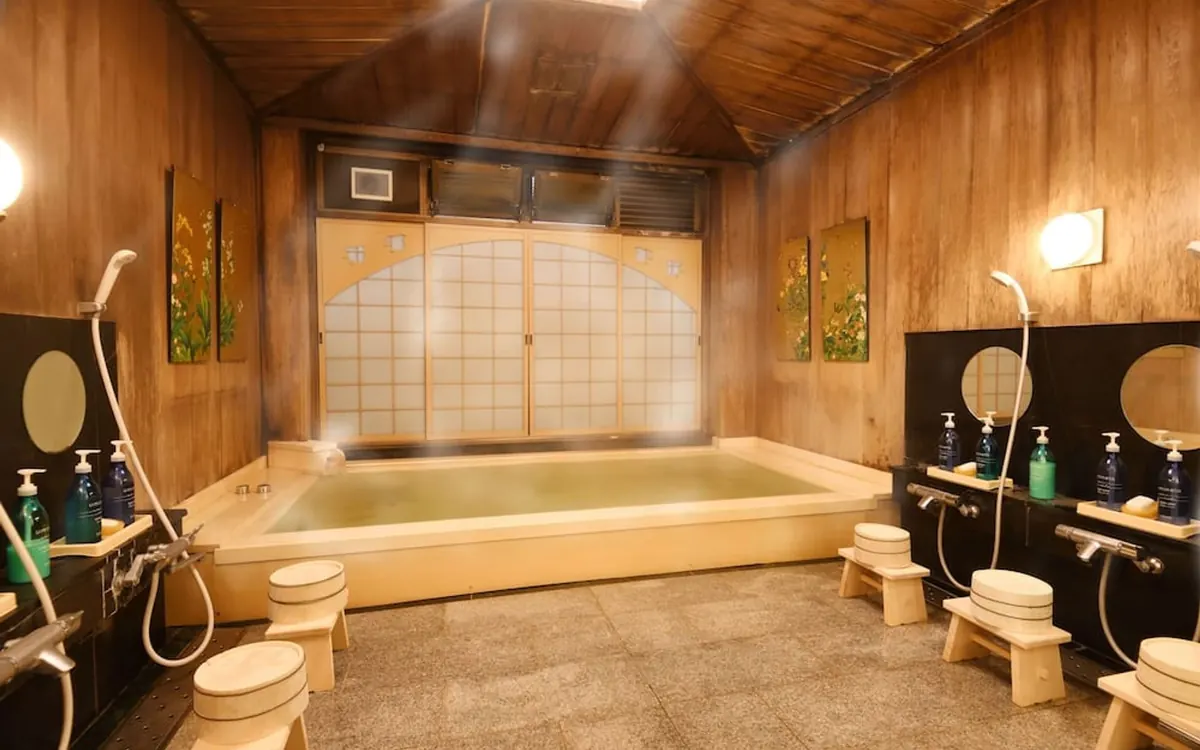
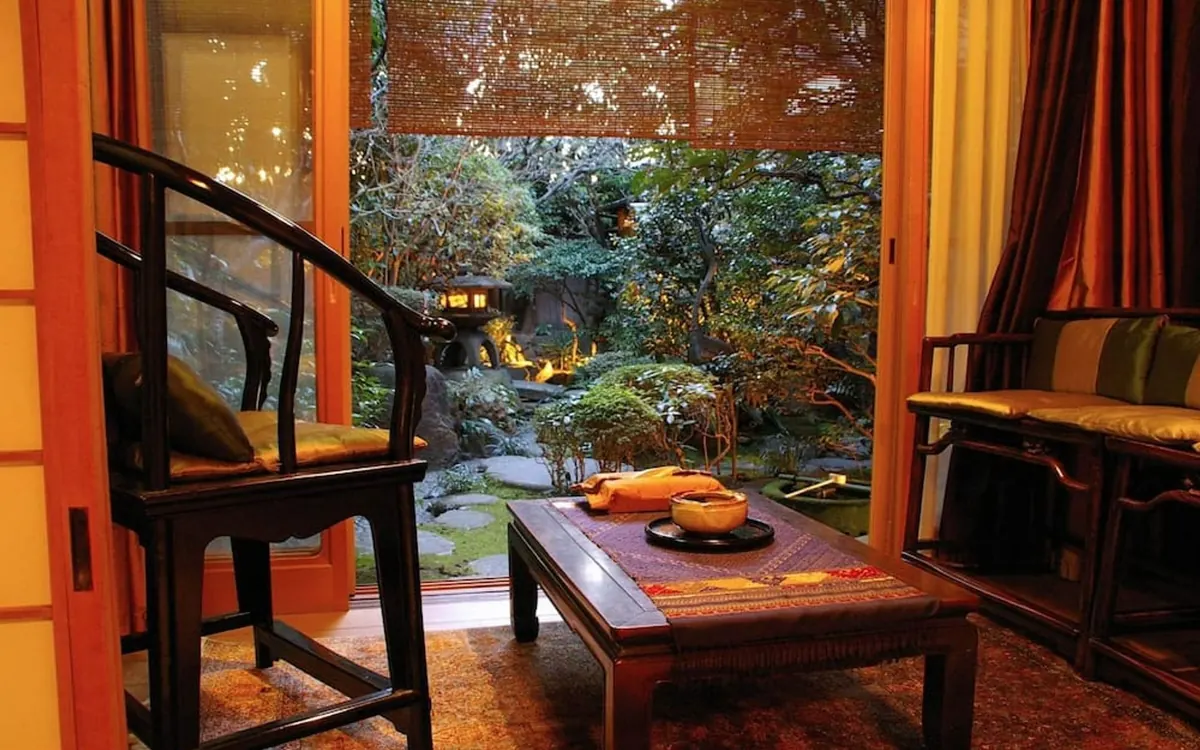
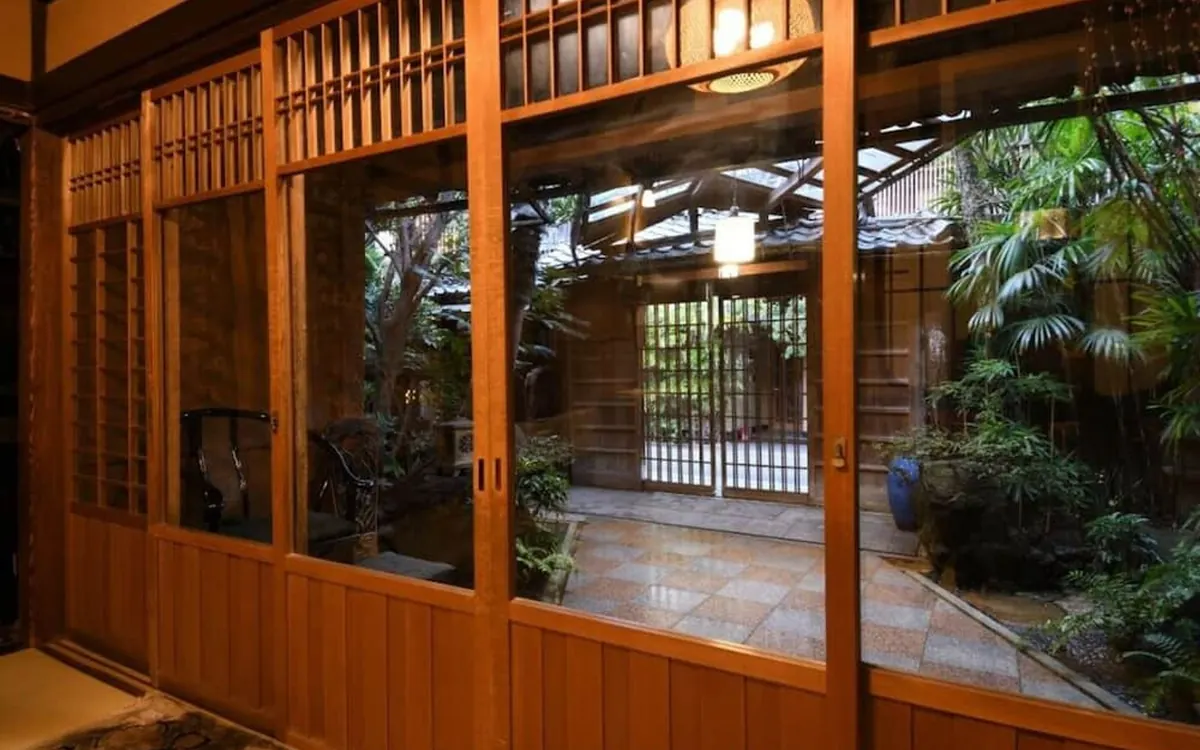
Seikoro Ryokan is the hybrid: a historic Higashiyama inn near Kiyomizu Gojo Station that you can book online and that is routinely compared with Tawaraya. It appears in mai-ko's luxury Kyoto ryokan list and is reported to date from 1831 with around 22 rooms, kaiseki plans or room only, and a long record of foreign guests. Rates sit around $500 to $1,200 for two depending on plan. The Gojo location is less scenic than Gion or Arashiyama and the room count, founding year and rates were not confirmed from an official page in this research pass, so treat them as a guide. For a traditional Kyoto night with online booking at half the Hiiragiya price, it is the sensible pick.
Beyond Hakone and Kyoto
Nishimuraya Honkan, Kinosaki Onsen
-
1 of 5Nishimuraya Honkan, garden exterior with pines and traditional building, Kinosaki Onsen -
2 of 5Nishimuraya Honkan, tatami guest room with low table and garden window, Kinosaki Onsen -
3 of 5Nishimuraya Honkan, open air onsen bath in the garden, Kinosaki Onsen -
4 of 5Nishimuraya Honkan, kaiseki dish with crab and sake, Kinosaki Onsen -
5 of 5Nishimuraya Honkan, private hinoki cypress bath, Kinosaki Onsen
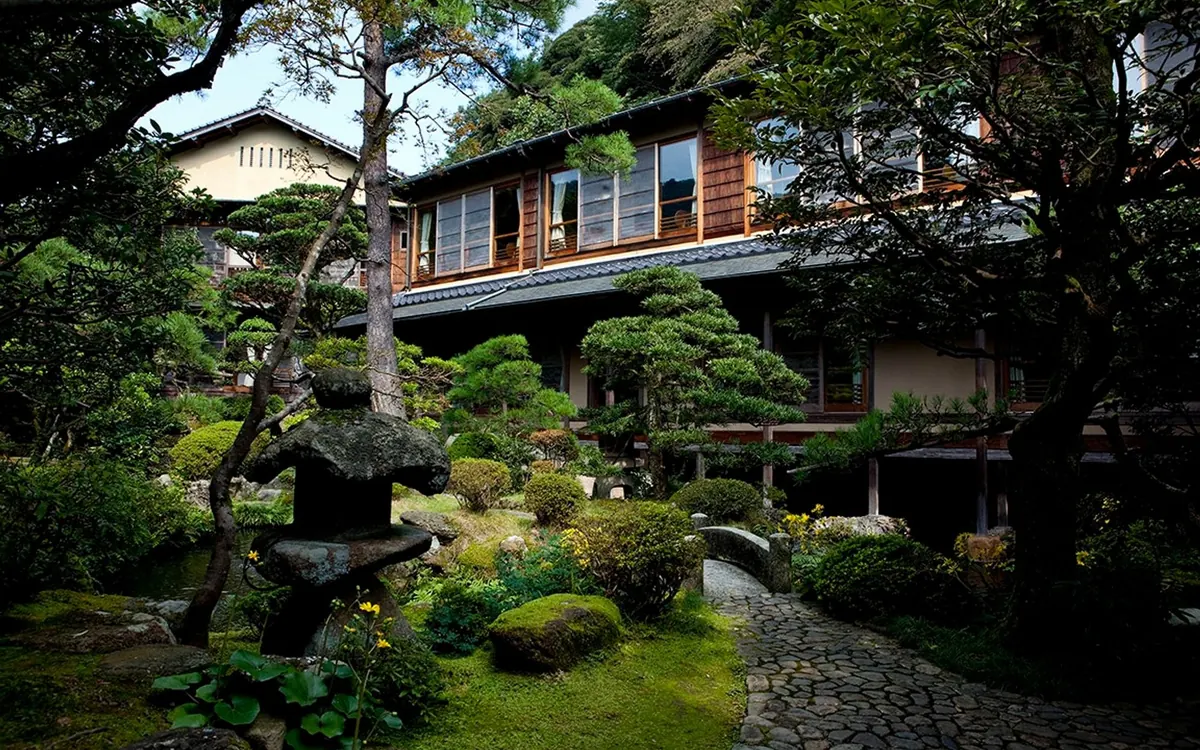
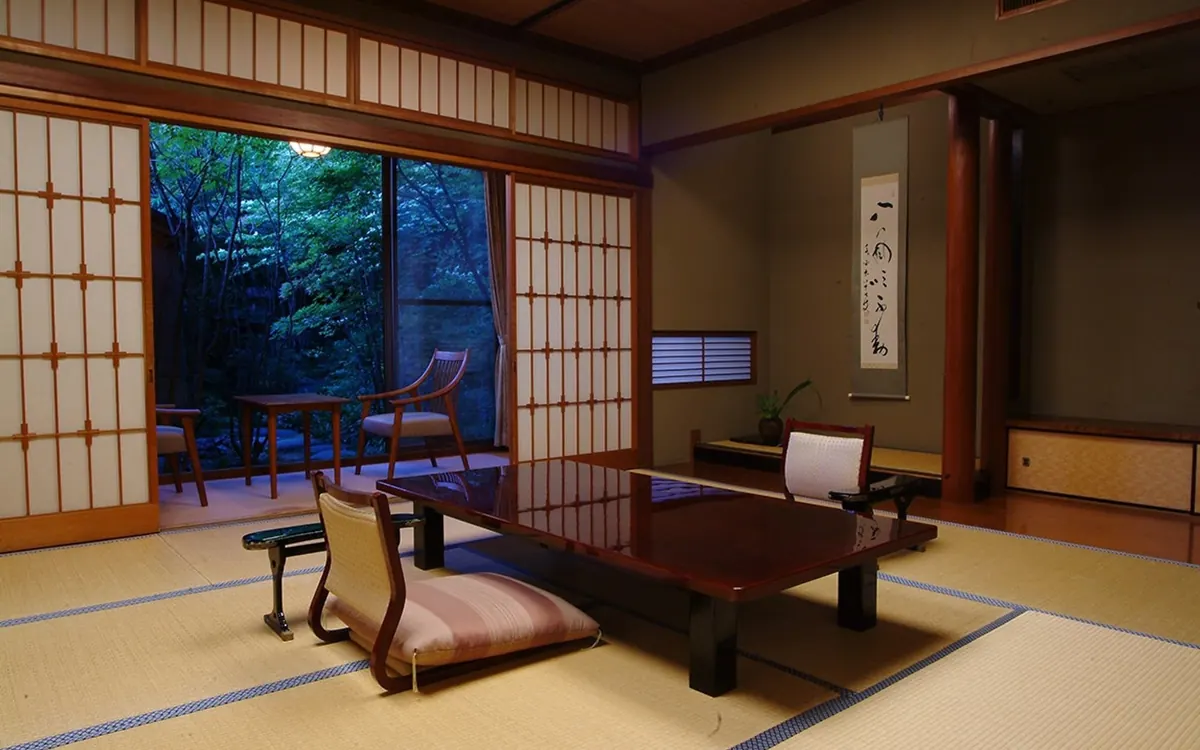
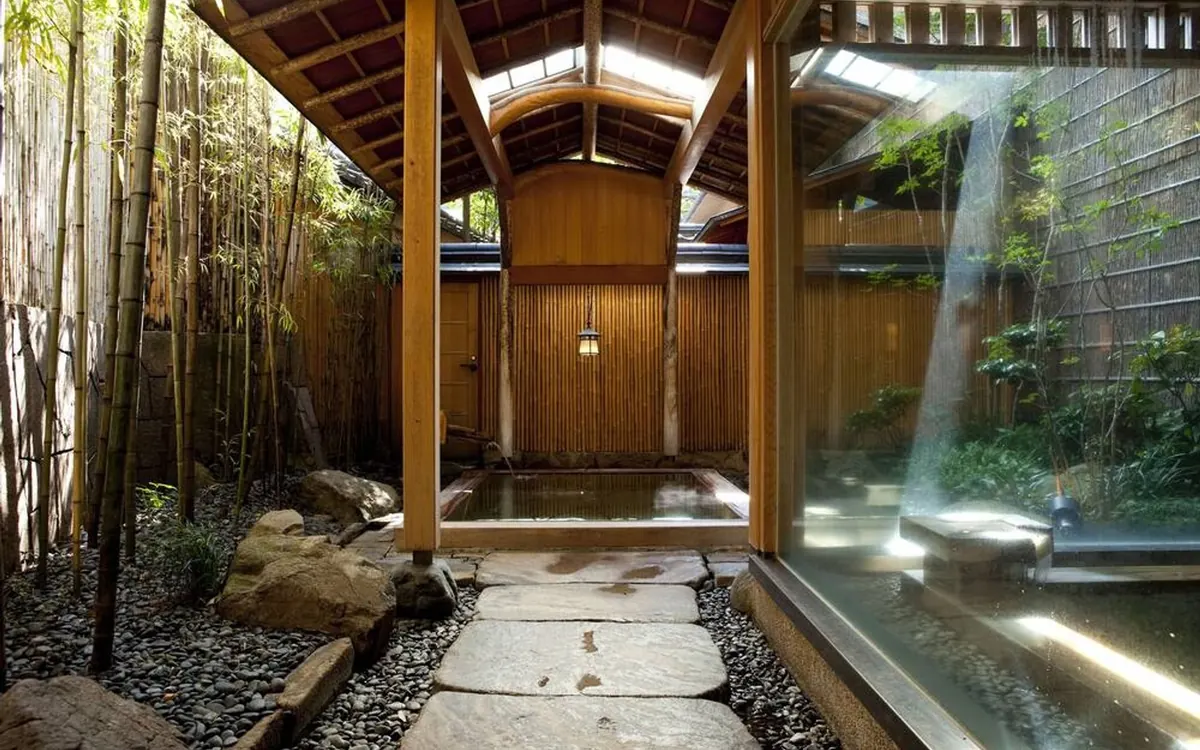
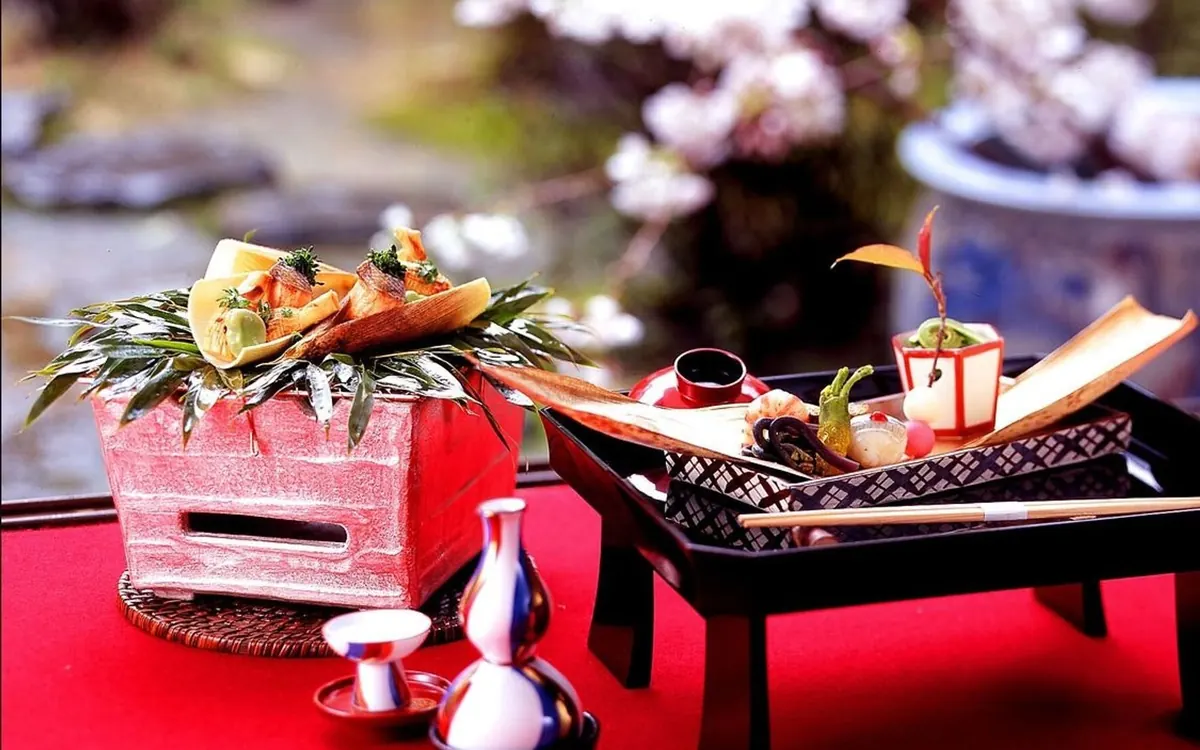
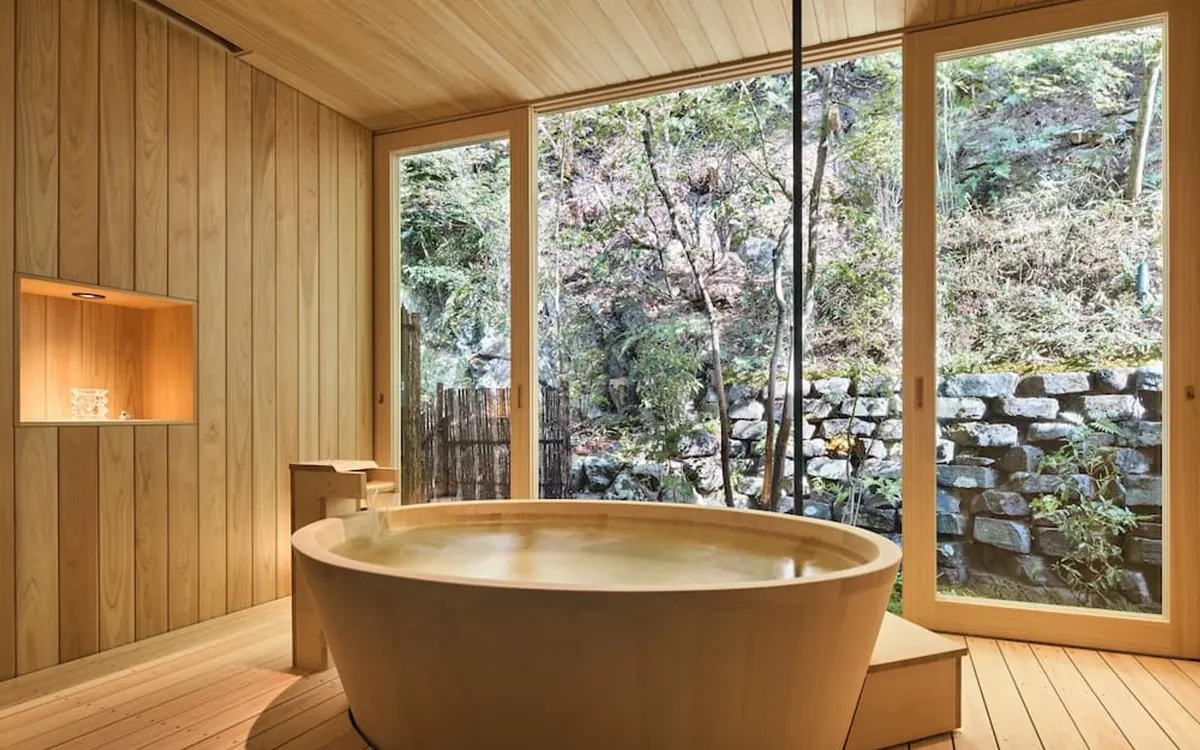
Nishimuraya Honkan was founded in the Ansei era of the Edo period, has a 165 year history and has been run by more than six generations of one family. Of its 14 room types, eight have open air baths: Hatsune, Asuka, Sakura and the Botan, Horai, Kangetsu, Kumoi and Honjin suites. Dinner is seasonal kaiseki from April to November and Matsuba crab from November to March, the season that doubles demand. Guests receive a free pass to Kinosaki's public bathhouses, Ichino yu, Goshono yu, Jizou yu, Kouno yu, Yanagi yu and Mandara yu, and stroll between them in yukata along the willow lined canal. The Hiratakan annex was designed by Hirata Masaya. Minimum guest age is 10. It is about 2.5 hours from Kyoto by limited express and listed on Expedia under Toyooka.
Beniya Mukayu, Yamashiro Onsen
-
1 of 5Beniya Mukayu, garden path through the forest to the entrance, Yamashiro Onsen -
2 of 5Beniya Mukayu, tatami guest room with low table and garden view, Yamashiro Onsen -
3 of 5Beniya Mukayu, private open air bath on the room terrace, Yamashiro Onsen -
4 of 5Beniya Mukayu, open air onsen bath with forest view, Yamashiro Onsen -
5 of 5Beniya Mukayu, kaiseki dinner presentation, Yamashiro Onsen
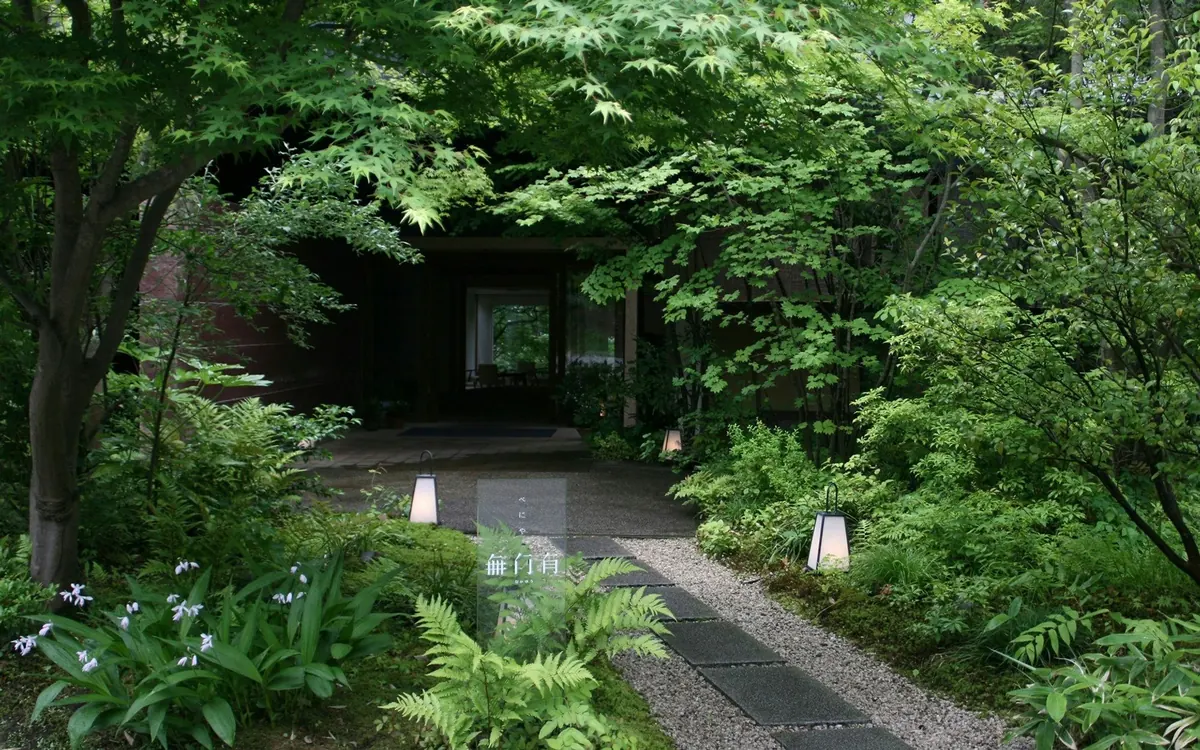
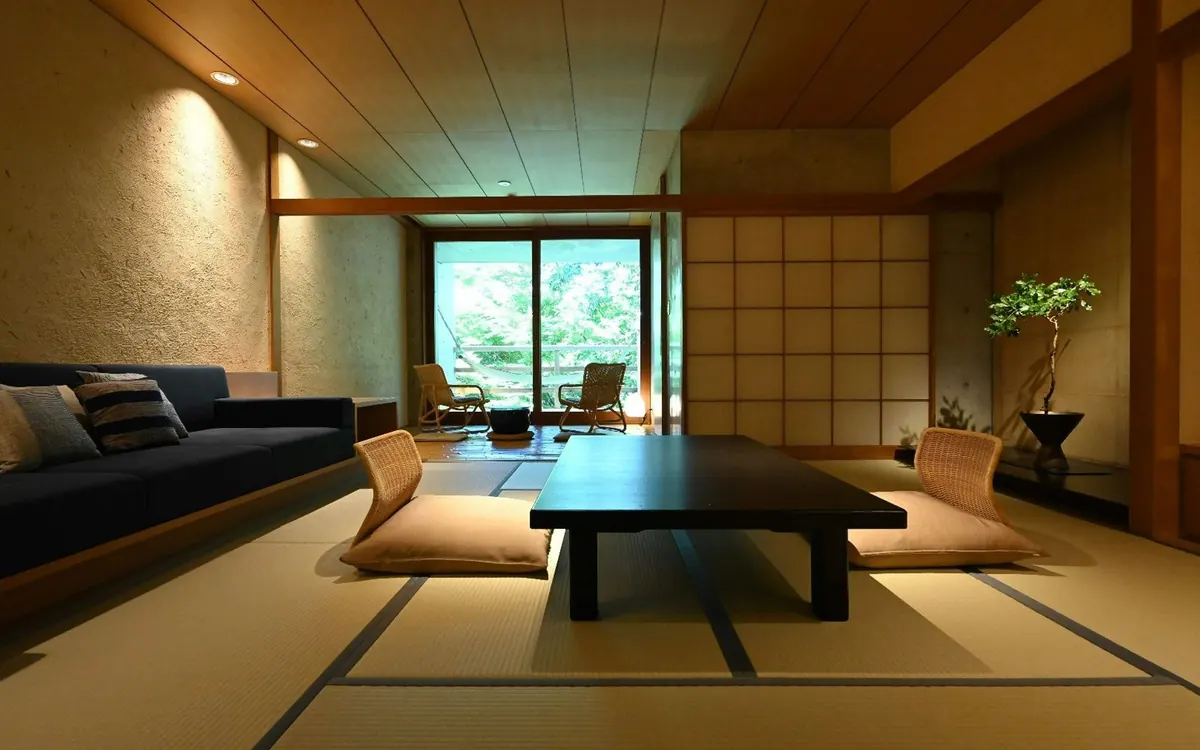
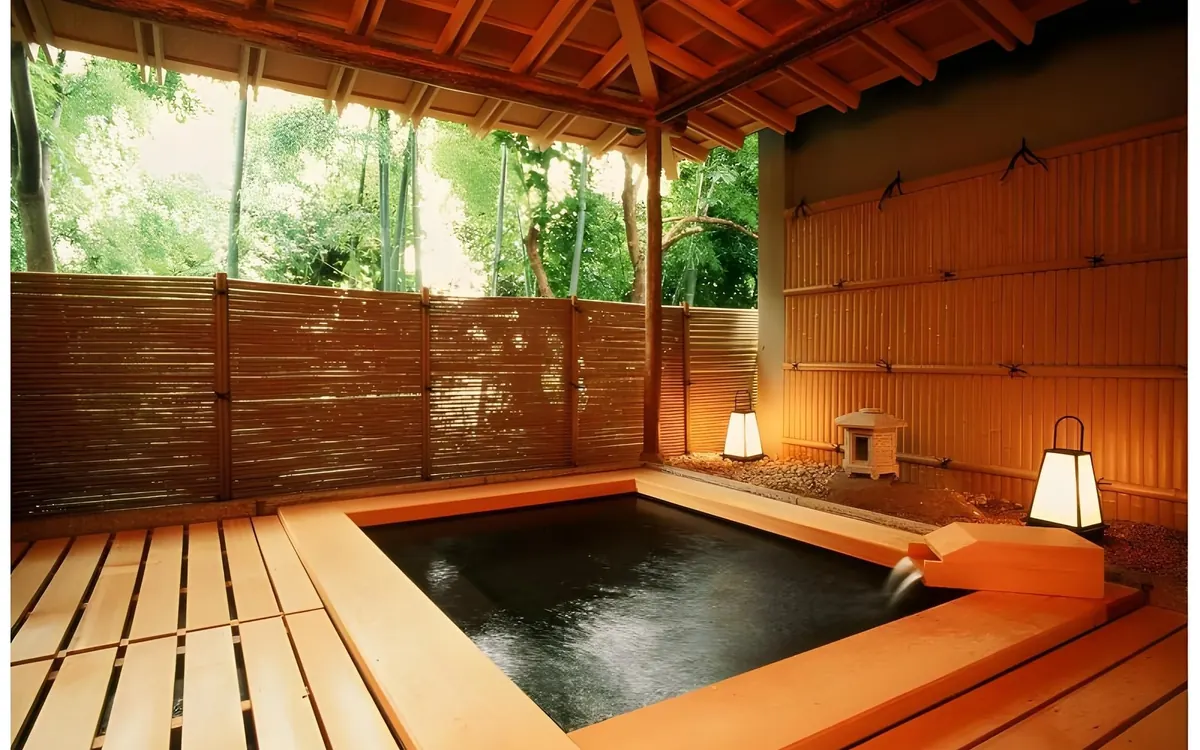
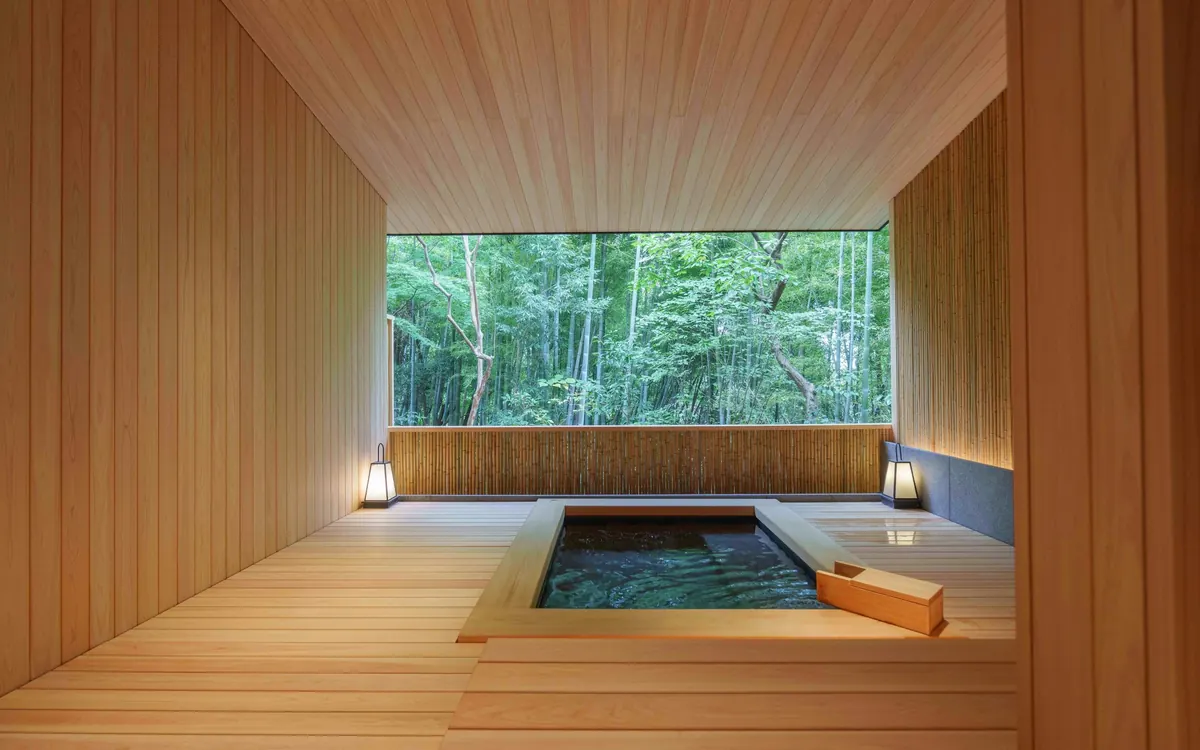
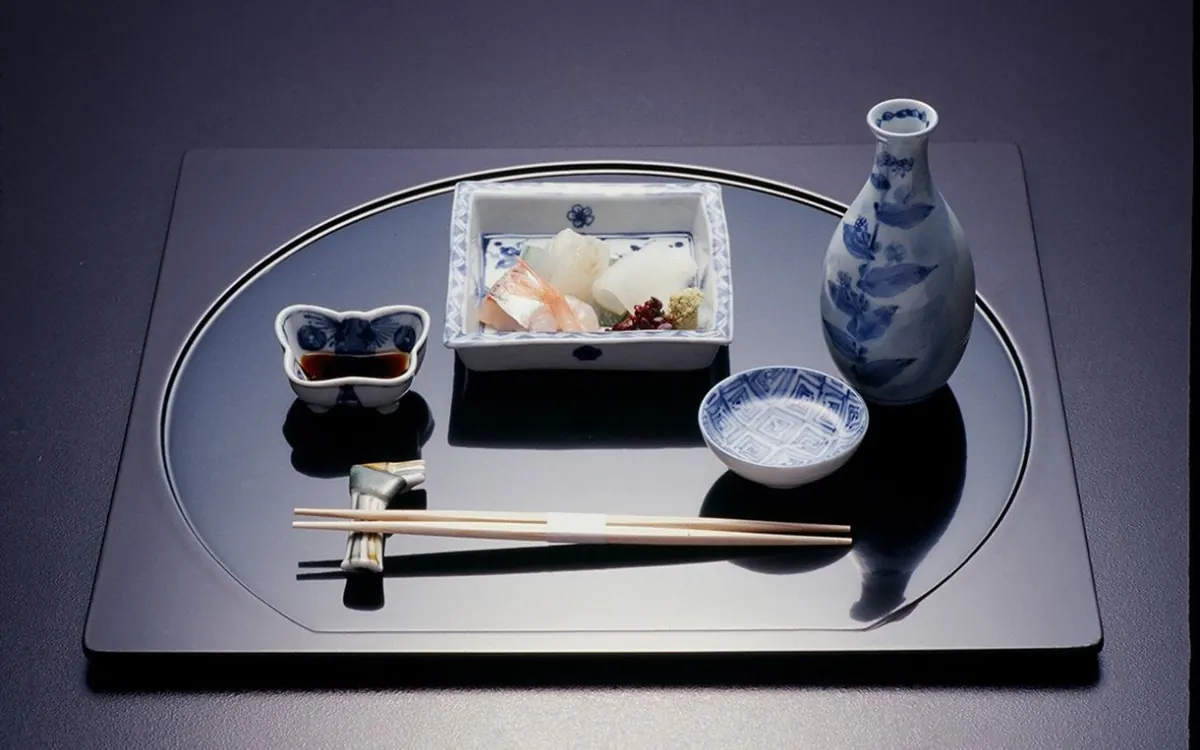
Beniya Mukayu perches on a hill above Yamashiro Onsen in Kaga, 25 minutes by train from Kanazawa, with 16 rooms that each have a private outdoor hot spring bath overlooking a moss garden of pines, maples and cherries. Kaga style kaiseki is served at the Horin restaurant and Spa Entei uses local hot spring water and medicinal herbs. Rates start at 78,650 yen per person for a Western Premier Garden View room and reach 114,950 yen for the Byakuroku Terrace Suite. A complimentary shuttle meets guests at Kaga Onsen Station between 14:20 and 18:00 by reservation and returns between 8:45 and 11:15; staff also meet flights at Komatsu Airport. Ampersand ranks it number one among Japan's luxury ryokans. With only 16 rooms and a fixed shuttle window, late arrivals from Kanazawa need a taxi, and its OTA presence is thinner than the Hakone names.
Zaborin, Niseko
-
1 of 5Zaborin, zaborin villas from above in winter with Mt Yotei behind, Niseko -
2 of 5Zaborin, private open air onsen bath with autumn birch forest, Niseko -
3 of 5Zaborin, indoor onsen bath with snowy forest view, Niseko -
4 of 5Zaborin, kaiseki dinner course with Hokkaido beef and crab, Niseko -
5 of 5Zaborin, villa bedroom and lounge with forest view, Niseko
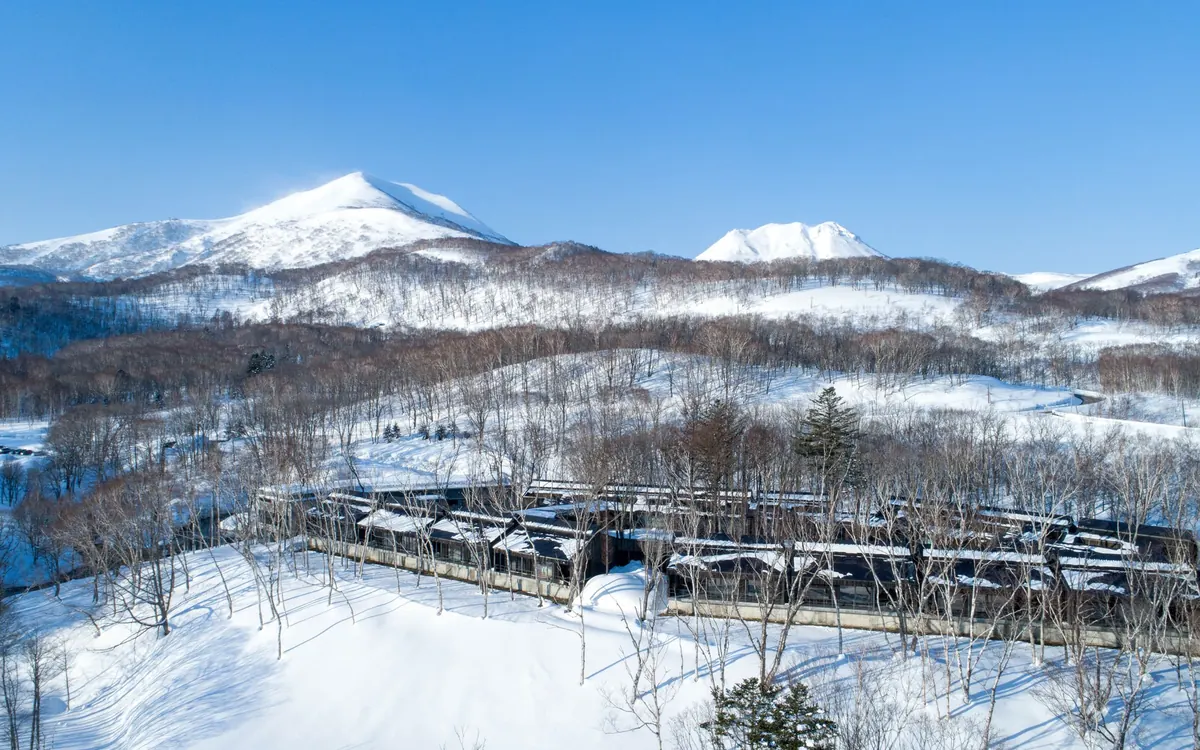
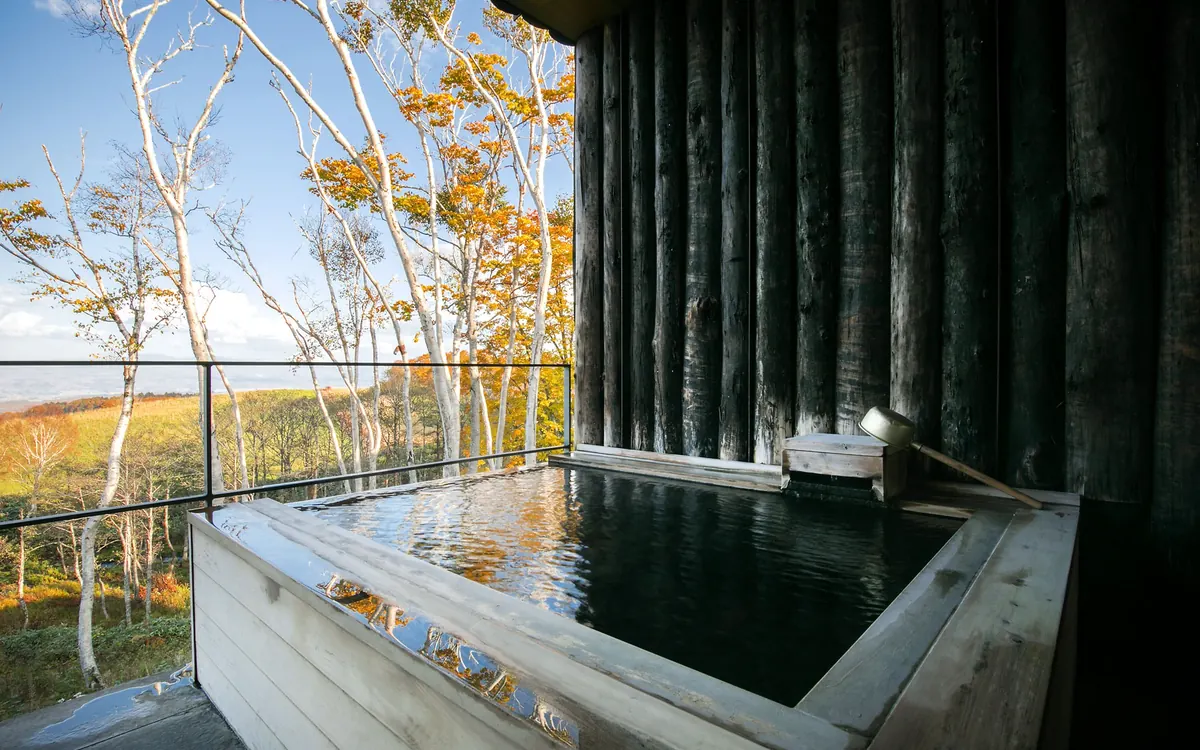
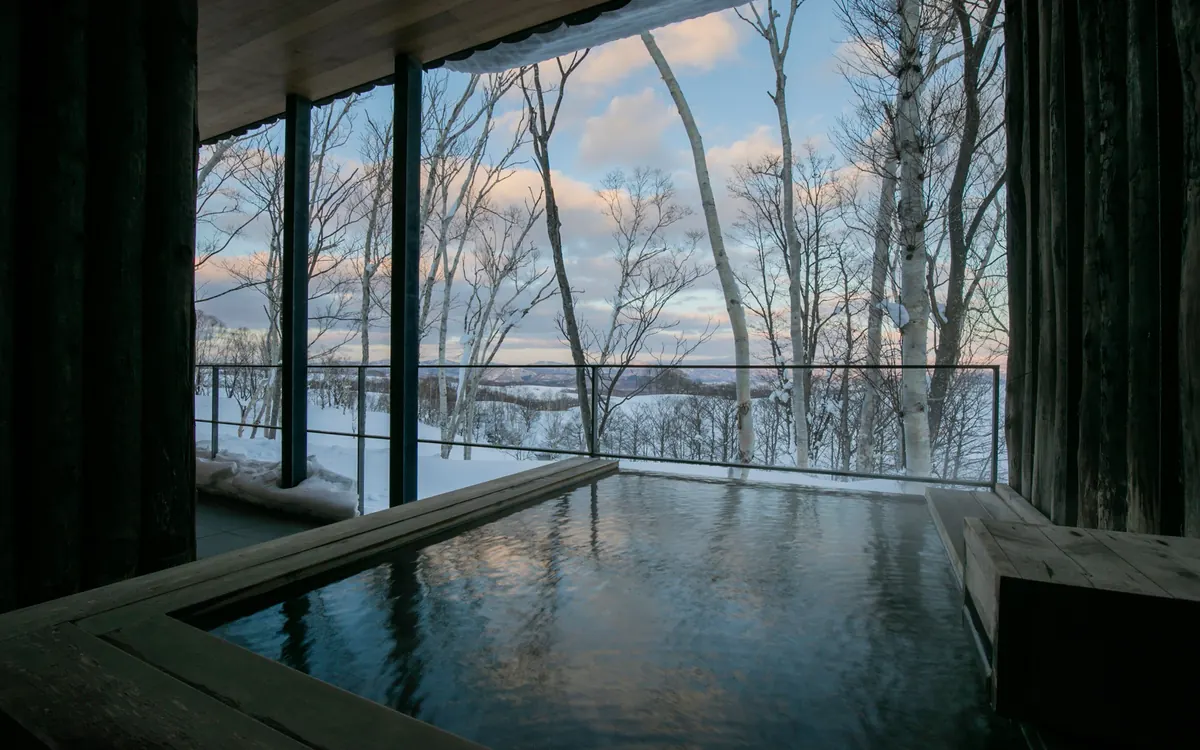
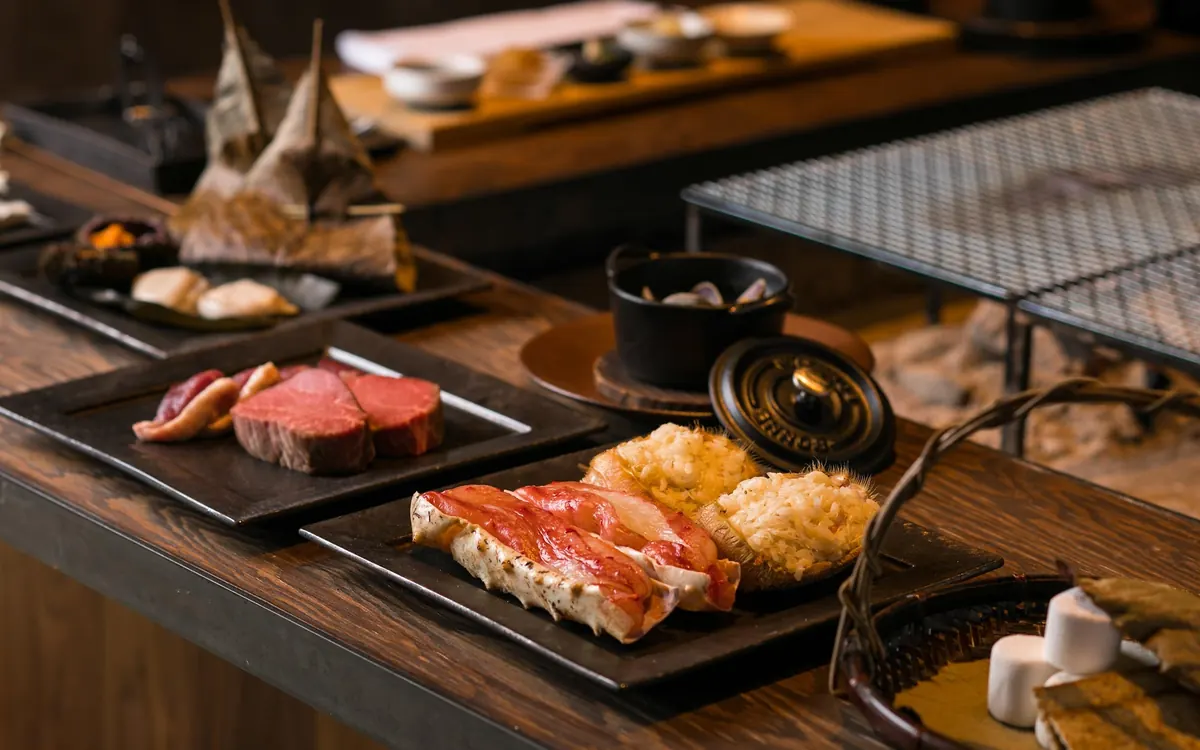
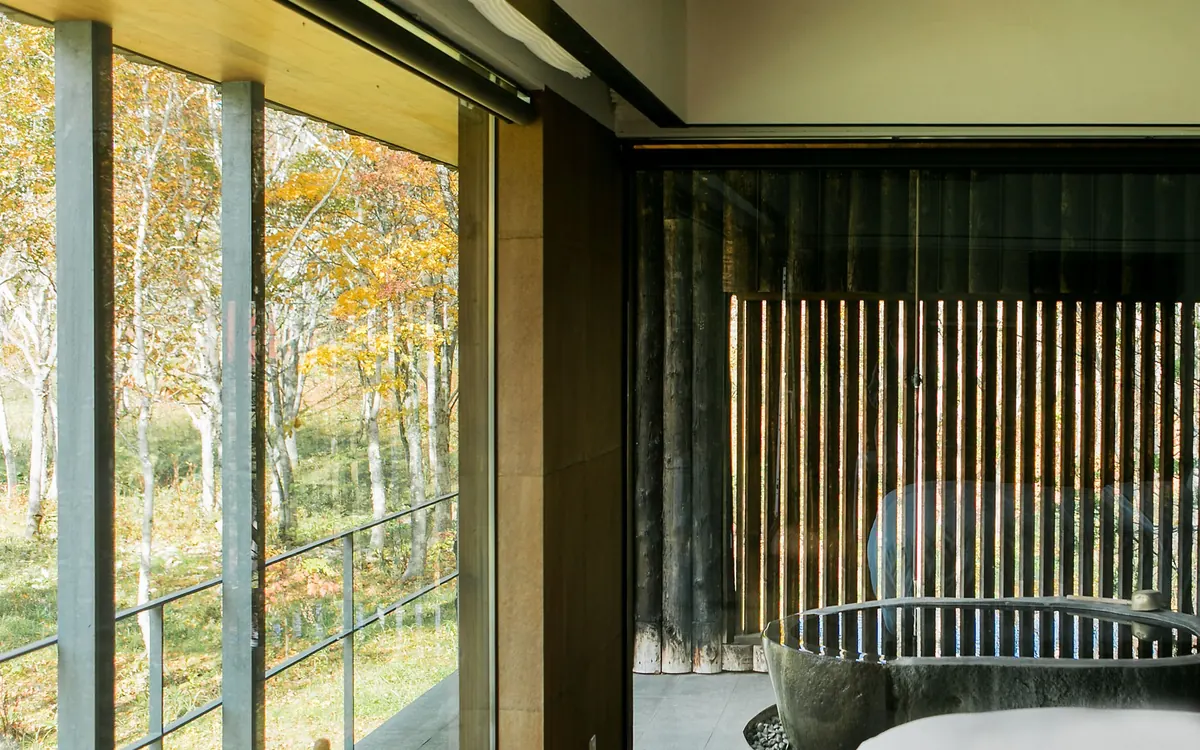
Zaborin has 15 villas in a birch forest at Hanazono with views of Mount Yotei, and each villa has a private indoor and a private outdoor onsen fed by the inn's own spring, free flowing in the gensen kakenagashi tradition. Architect Nakayama designed it around Zen meditation ideas; the bar is carved from a single piece of wood and the living room has open fireplaces. Kita kaiseki dinner runs 18:00 to 20:00 and breakfast 7:30 to 10:00, both included, from 74,000 yen per person. A free ten minute transfer from Kutchan Station must be reserved. It is bookable on Expedia. The drawbacks are distance, roughly 2.5 hours by road from New Chitose Airport, and January to February ski rates far above the published floor.
Sanso Murata, Yufuin
-
1 of 5Sanso Murata, private open air onsen bath against a stone wall (Higashi room), Yufuin -
2 of 5Sanso Murata, guest room lounge with garden view through shoji, Yufuin -
3 of 5Sanso Murata, private indoor onsen bath with garden window (Kyu room), Yufuin -
4 of 5Sanso Murata, tatami sitting room with low table (Higashi room), Yufuin -
5 of 5Sanso Murata, guest room with tatami area and garden window, Yufuin
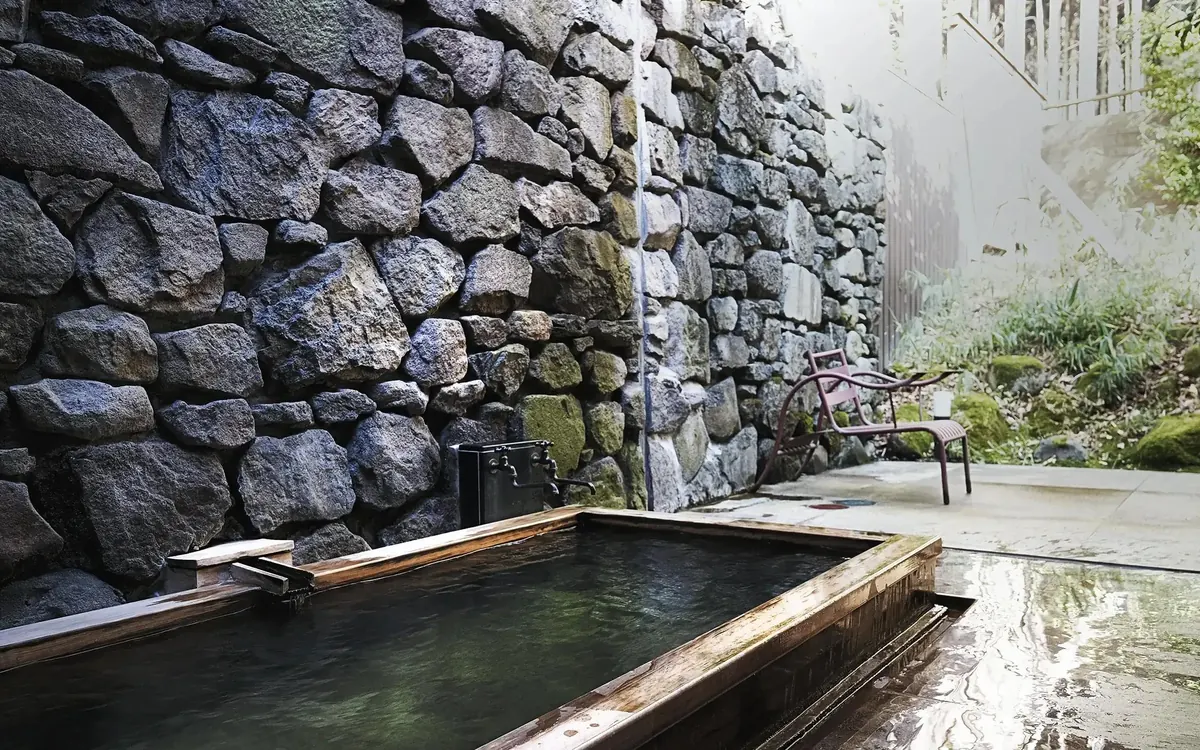
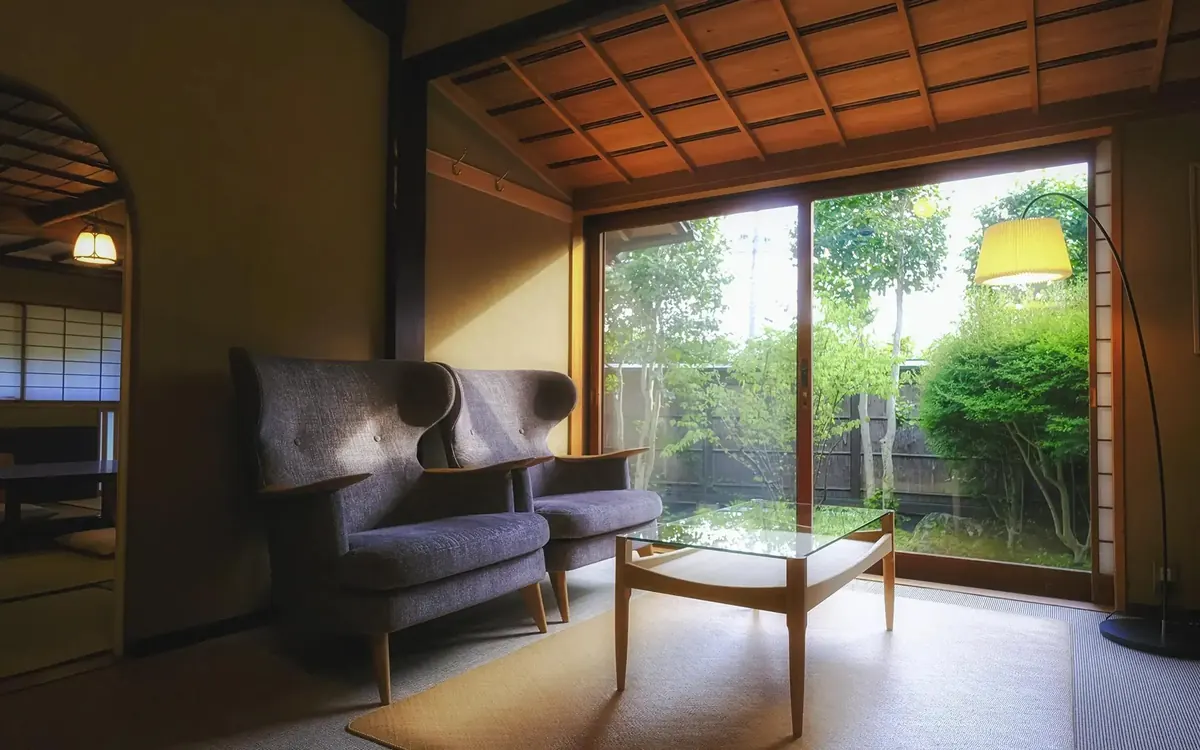
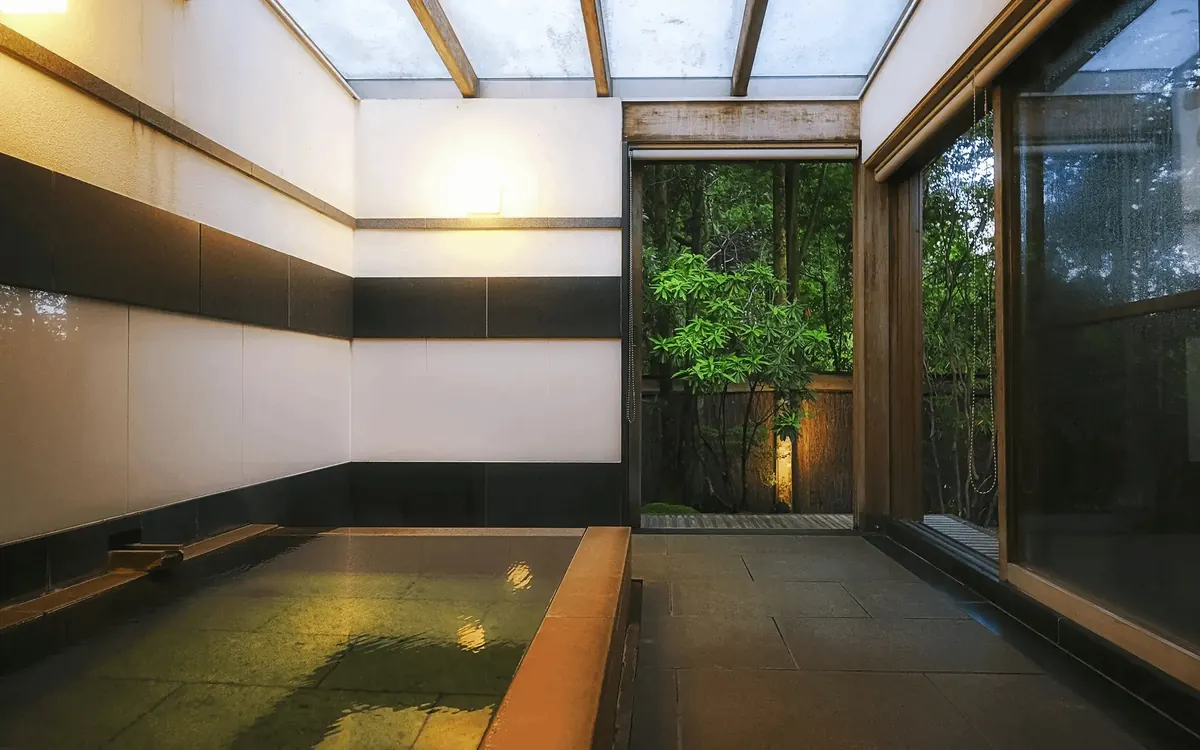
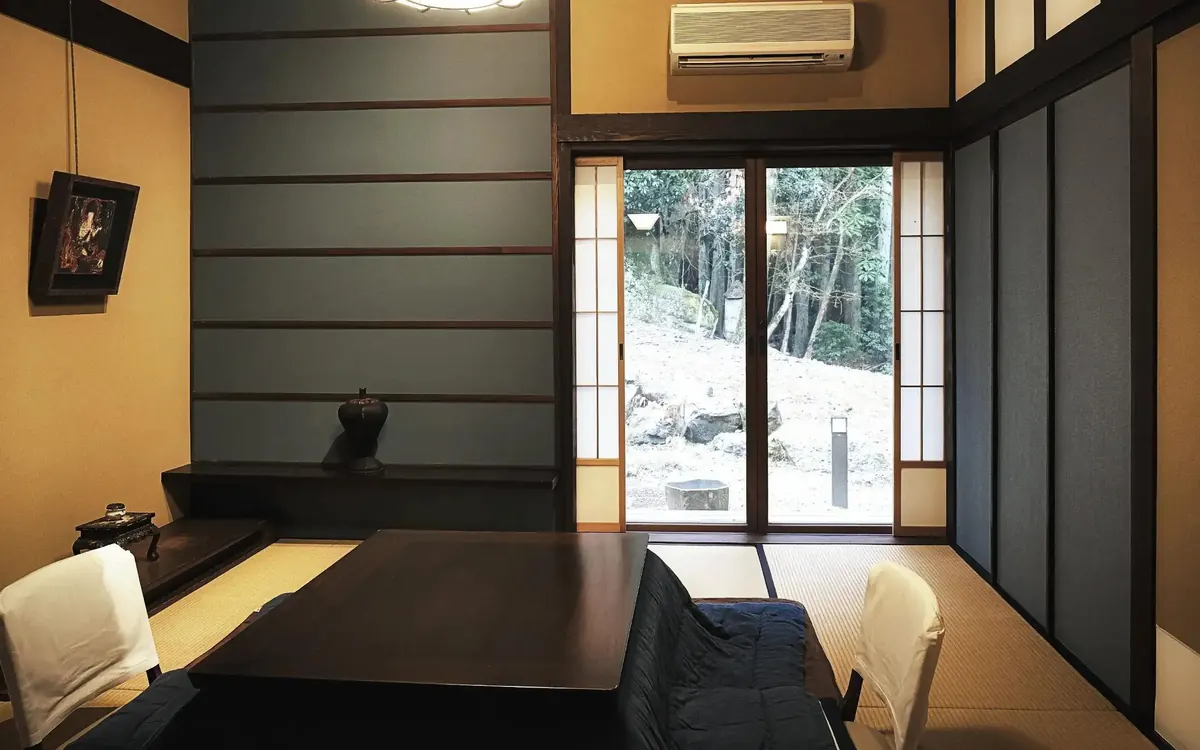
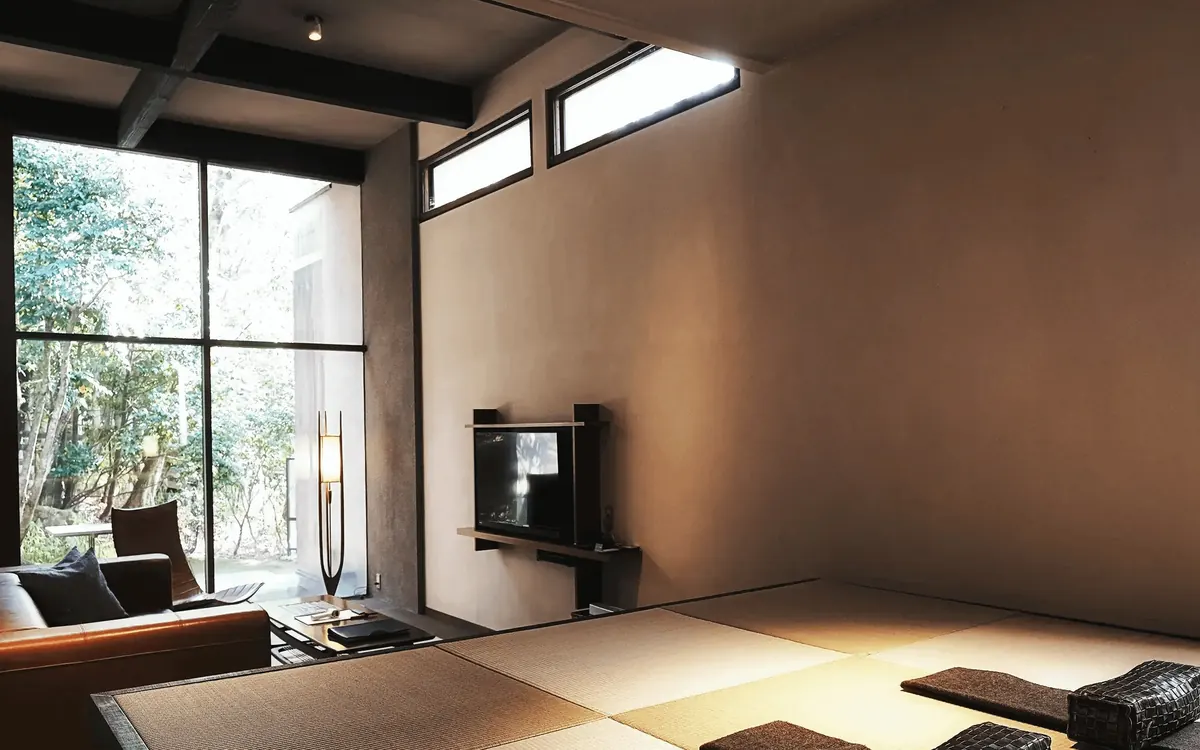
Sanso Murata is Kyushu's reference luxury ryokan, with 12 individually styled rooms for two to eight guests in a rural compound outside Yufuin that also holds Tan's bar, the Artegio museum of sound, the theomurata chocolatier, a soba restaurant and the B Speak roll cake shop. Rooms have private onsen; dinner and breakfast are served at Saryo Saibido for guests only. The children's policy is unusually clear: 13 and over pay adult rates, 7 to 12 pay half the room rate plus a children's breakfast, 6 and under stay free, and a child dinner upgrade costs 20,900 yen. A complimentary shuttle serves Yufuin Station. It replaces KAI Aso in this guide because Hoshino Resorts' official page states that KAI Aso closes permanently on 27 October 2026. The compound's day visitor shops mean afternoons are lively rather than silent.
KAI Kinugawa, Nikko
-
1 of 5KAI Kinugawa, exterior at dusk with illuminated timber facade and trees, Nikko -
2 of 5KAI Kinugawa, guest room washitsu with tatami and twin beds overlooking river, Nikko -
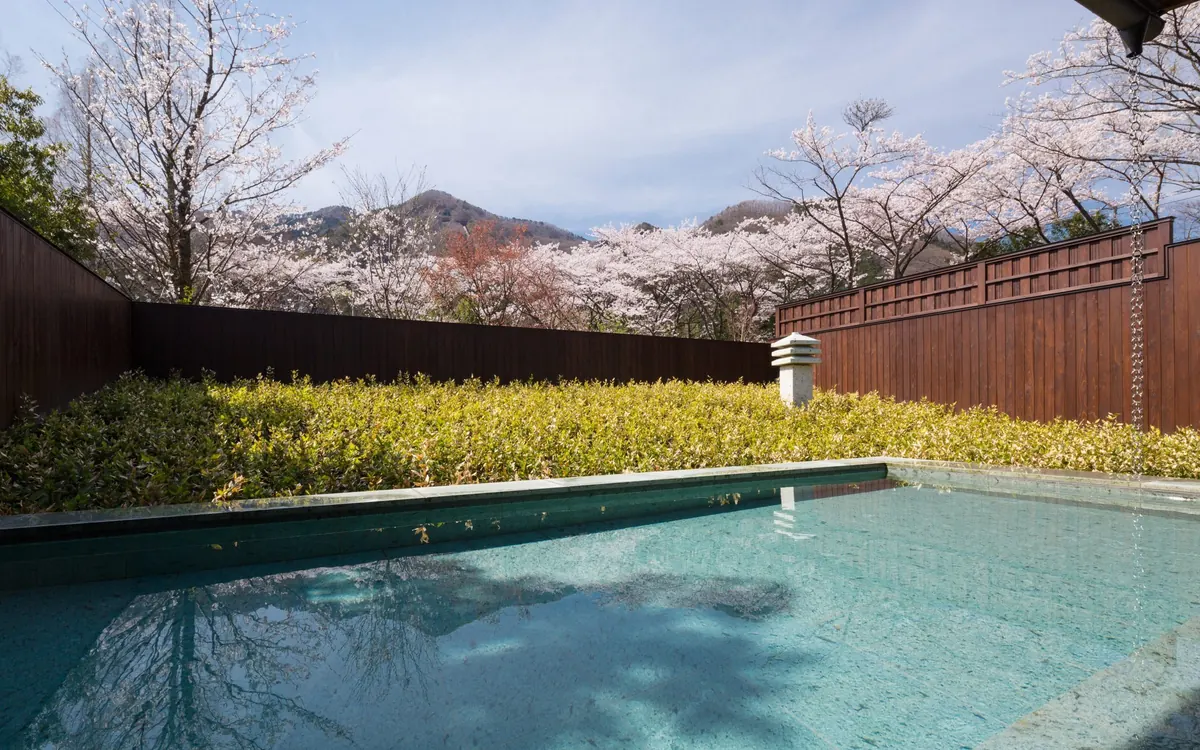
3 of 5KAI Kinugawa, public open air onsen bath with cherry blossom and mountains, Nikko -
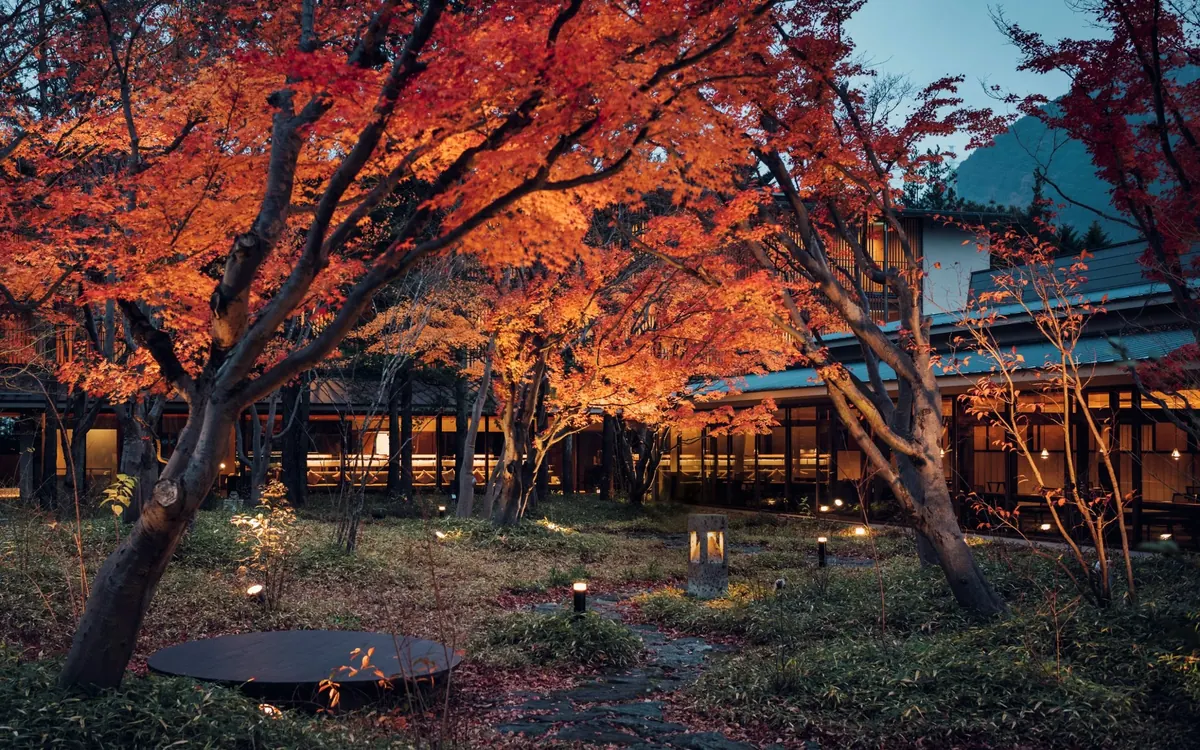
4 of 5KAI Kinugawa, courtyard in autumn with red maples and Kinugawa river, Nikko -
5 of 5KAI Kinugawa, seasonal kaiseki dinner, Nikko
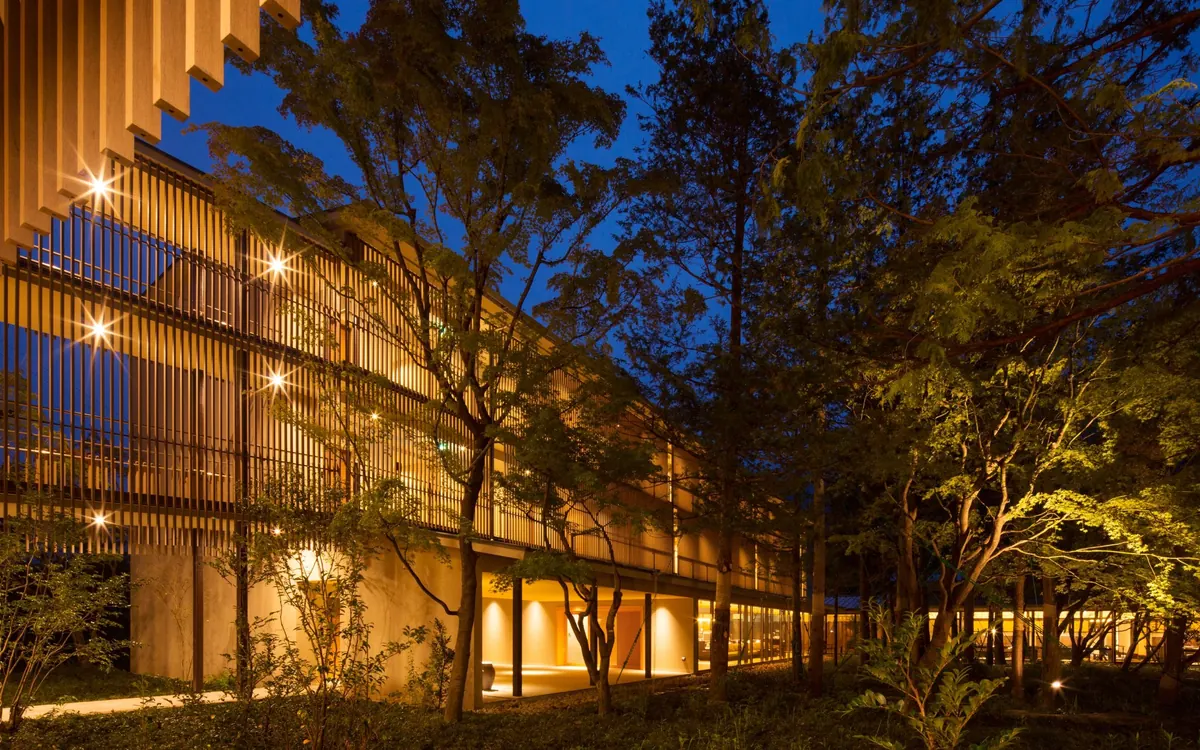
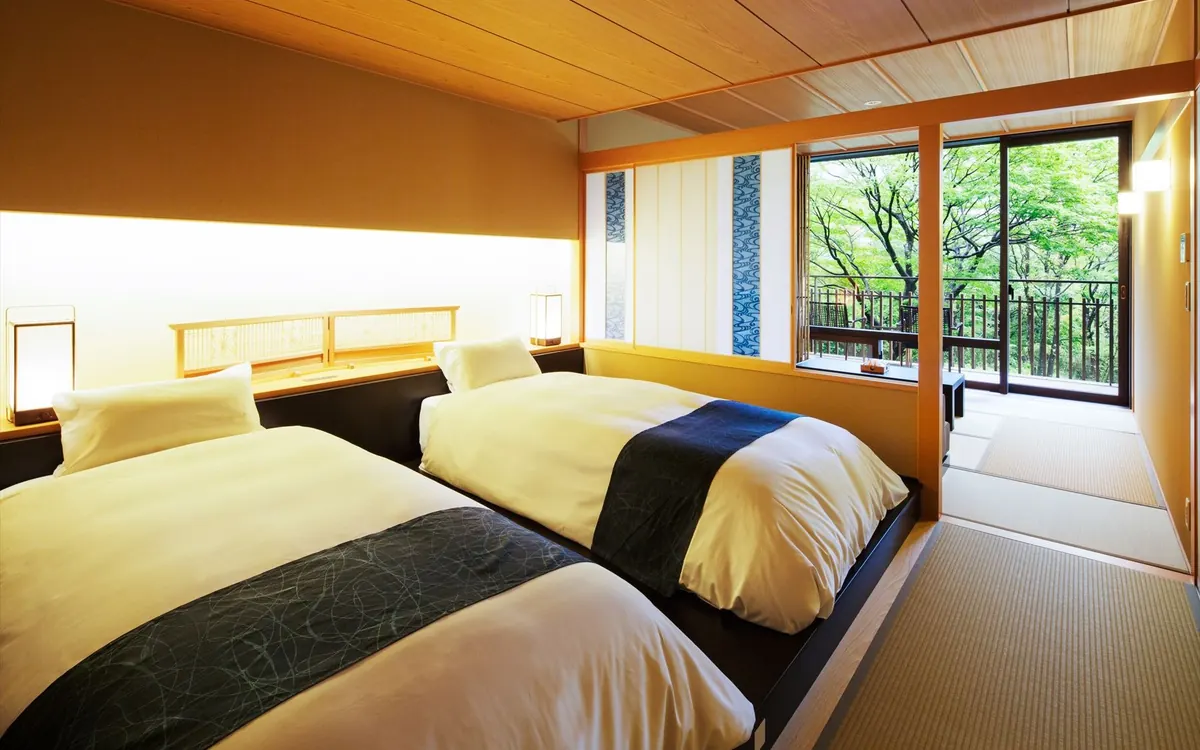
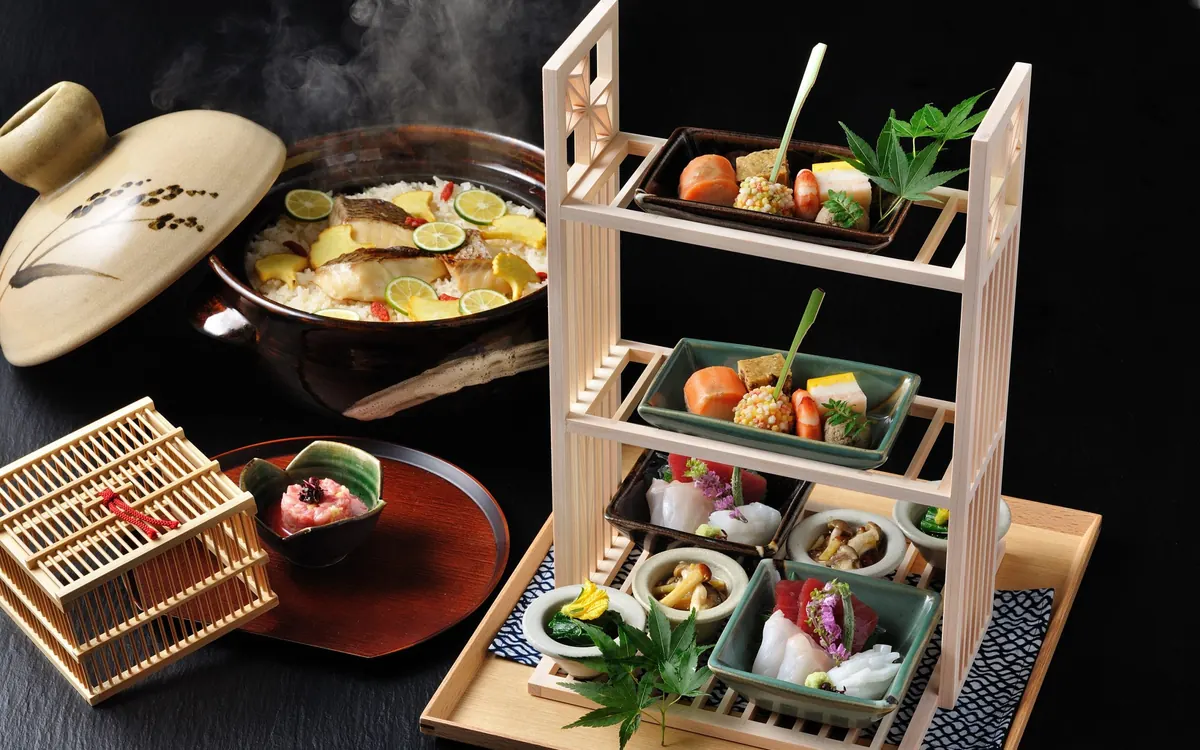
KAI Kinugawa is Hoshino Resorts' Tochigi inn, 48 rooms about 15 minutes on foot from Kinugawa Onsen Station, two hours from Asakusa on the Tobu line. Dinner is a kaiseki style meal built around the U Kamo Nabe duck hot pot served in Mashiko ware, and guests can take a Mashiko ceramics masterclass; KAI Signature Rooms are decorated with indigo dyeing and stoneware. Check in is 14:30, check out 11:00, children up to six may share a bed and pets are allowed. It is the easiest ryokan brand for first timers thanks to consistent English and full OTA distribution, and a natural base for Nikko's World Heritage shrines. The limits are no private in room onsen and a 48 room scale that feels like a polished hotel.
ASABA, Shuzenji
-
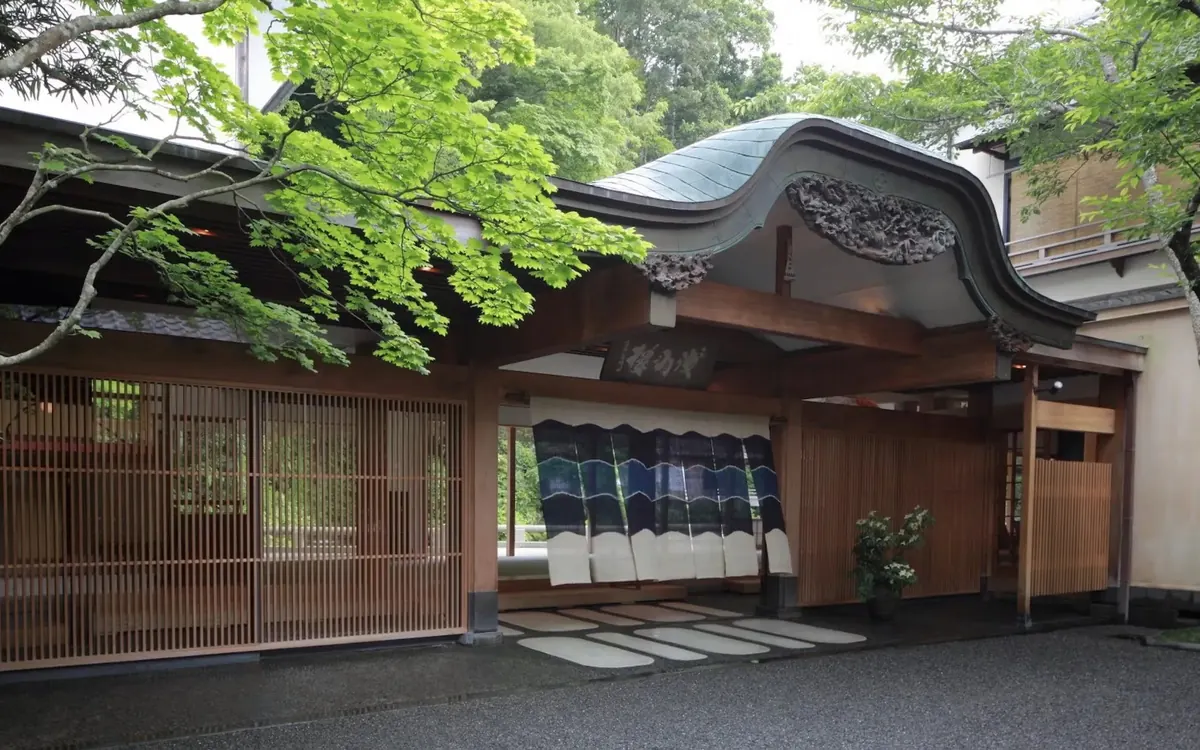
1 of 5ASABA, asaba entrance gate and traditional facade, Shuzenji -
2 of 5ASABA, noh stage over the pond lit at night, Shuzenji -
3 of 5ASABA, private open air bath overlooking the pond and Noh stage, Shuzenji -
4 of 5ASABA, tatami guest room opening onto the pond garden, Shuzenji -
5 of 5ASABA, kaiseki course of Ise lobster, Shuzenji
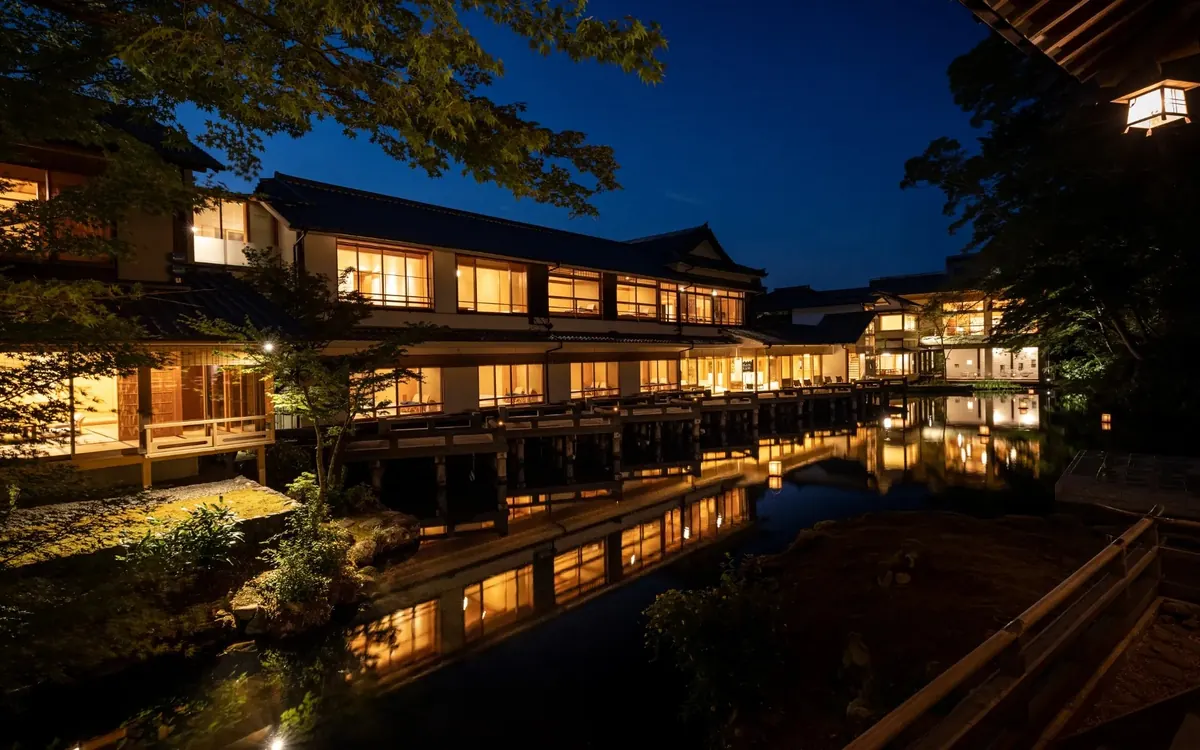
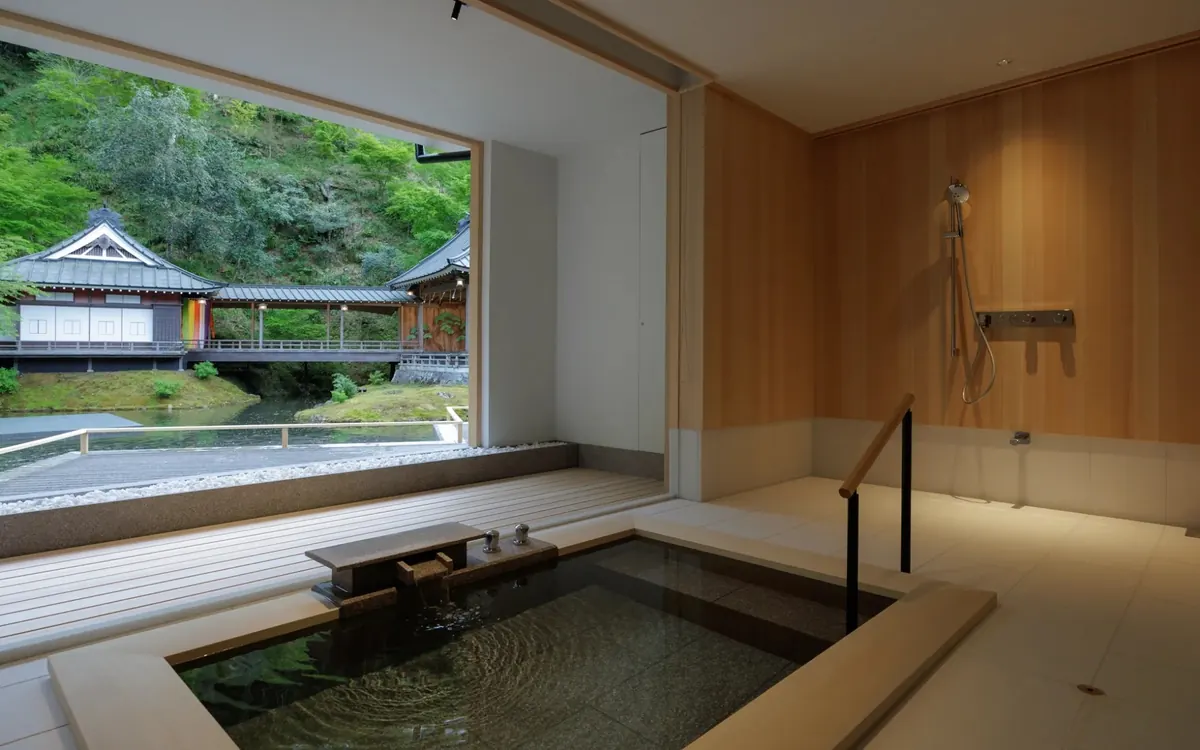
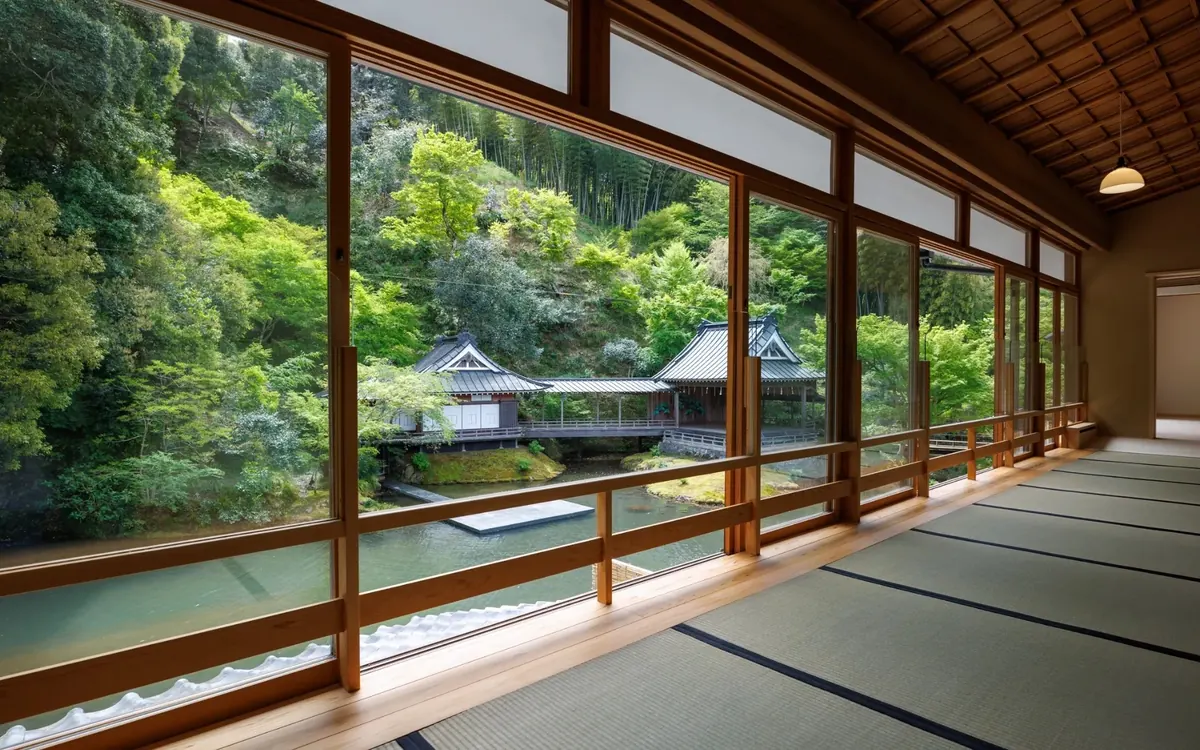
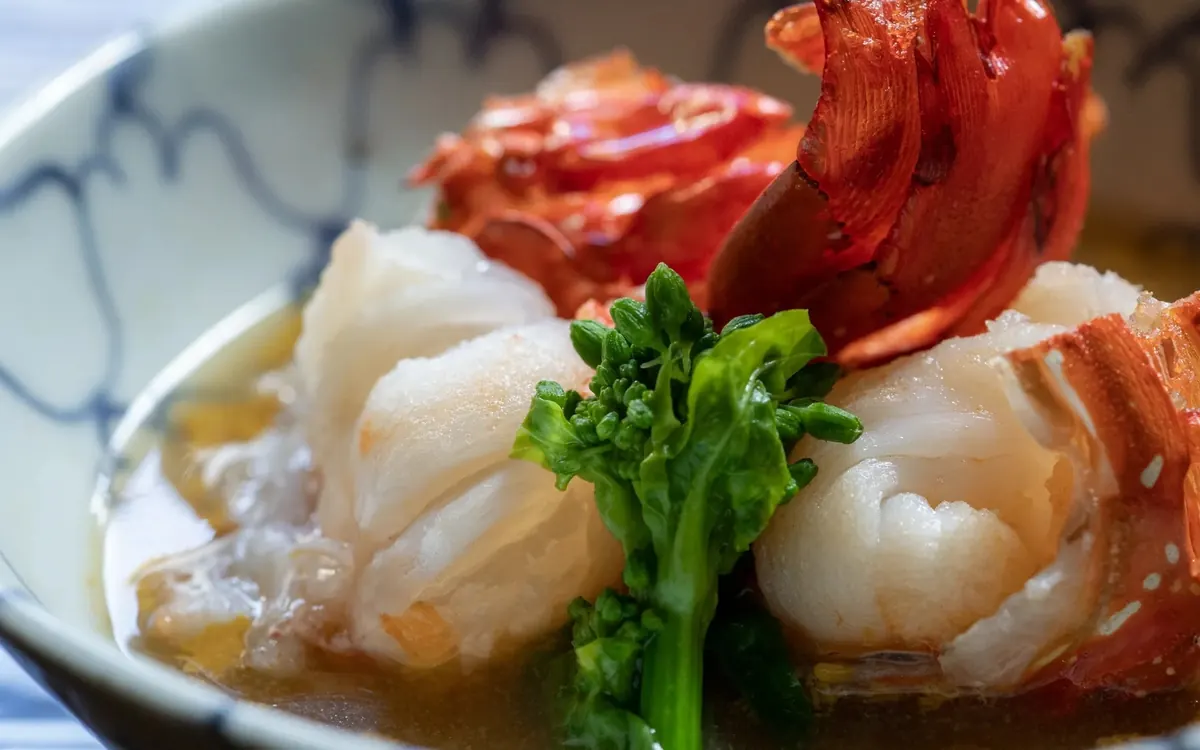
ASABA was founded in 1484 when Asaba Yakuro Yukitada opened a lodging house in front of Shuzenji temple, and the family has run it for over five centuries. Its 17 rooms face a pond and the Gekkeiden Noh stage, moved from Tokyo in the Meiji era, which hosts the Asaba Cultural Journey of Noh, Kyogen, Shinnai and Bunraku performances watched from the rooms. Kaiseki built on Izu seafood is served in the room; rates run about 90,000 to 180,000 yen per night. It is a Relais & Chateaux member and is bookable on Expedia. Shuzenji Station is 35 minutes from Mishima on the shinkansen. The drawback at this price is that room baths are indoor hot spring baths, not open air, and the founding year varies by source; the inn itself gives 1484.
Ryokan vs luxury hotel
| Luxury ryokan | Luxury hotel | |
|---|---|---|
|
Price
|
$500 to $3,000 for two, meals included | $400 to $1,500, meals extra |
|
Dinner
|
Fixed kaiseki at a fixed hour | Choice of restaurants, any time |
|
Room
|
Tatami, futon laid out at dinner | Bed, desk, sofa |
|
Bath
|
Communal onsen or private room onsen | Ensuite, maybe a spa |
|
Check in
|
14:00 or 15:00, aim to arrive before 17:00 | 15:00, flexible |
|
Check out
|
11:00 (12:00 at HOSHINOYA Kyoto) | 11:00 or 12:00 |
|
Children
|
Often restricted (Hiiragiya none under 13, Nishimuraya none under 10) | Welcome |
|
Best length
|
One or two nights | Three nights plus |
The rule of thumb used by Reddit's FATTravel members and the FlyerTalk primer is one ryokan night, or two at most, inside a longer hotel based trip. The fixed dinner hour and the 11:00 check out suit a slow day in an onsen town, not a sightseeing base. Kyoto is the exception: Hiiragiya and Tawaraya are city centre and work as a two night stay with daytime sightseeing, but you give up the onsen that makes a ryokan night feel complete.
How to book a ryokan
Direct versus Expedia. Several of the inns above publish rates only to members of The Ryokan Collection or through their own booking engines with a best rate guarantee (Nishimuraya Honkan, HOSHINOYA Kyoto, KAI Kinugawa). Others are fully on Expedia and Booking.com with free cancellation: Hakone Suishoen is on both, and Gora Hanaougi, Hiiragiya, Zaborin and ASABA are on Expedia. Tawaraya has neither a website nor OTA inventory. Booking through Expedia is the simplest path for anyone who wants a card held rather than a wire transfer, English confirmation emails and a cancellation window; booking direct tends to unlock the full menu of room types (Gora Kadan lists 22 categories on the Ryokan Collection site but far fewer on OTAs) and the meal upgrades.
Deposits. Direct bookings at the top houses often ask for a deposit or full prepayment by card or bank transfer, and Tawaraya style phone bookings run on trust and a confirmation letter. OTA bookings usually hold a card and charge at the property.
Cancellation. Japanese inns apply steep late cancellation scales, typically 20 to 50 percent within a week and 100 percent on the day, because dinner is bought and prepared per guest. Free cancellation on Expedia is usually cut off several days earlier than a hotel's would be.
Timing. In the first weekend of November 2026, peak autumn colour, Hakone Suishoen was quoting $1,537 and Yama No Chaya $877. Book autumn, cherry blossom and New Year six months ahead; shoulder months (June, September, early December) are where the published from rates actually appear.
Transfers. Confirm pick up when booking. Gora Kadan collects from Gora Station, Zaborin from Kutchan, Beniya Mukayu from Kaga Onsen within set hours; Hakone Ginyu, Hiiragiya and HOSHINOYA Kyoto do not collect.
Ryokan etiquette
- Arrive between check in and 17:00. Staff plan dinner service around arrivals.
- Shoes off at the genkan, slippers in corridors, bare feet or socks on tatami, toilet slippers only in the toilet.
- Yukata left over right, tied at the hip. Wear the haori jacket over it in winter.
- Do not move the room's furniture; staff lay futon while you dine or bathe.
- Bathe before dinner. Rinse at the shower stools first, keep the small towel out of the water, tie up long hair, no swimwear.
- Eat what arrives when it arrives. Kaiseki is sequenced; warn the inn of dietary needs at booking. Hakone Ginyu and Hiiragiya both list vegan menus.
- No tipping. Service is included in the rate at every inn listed here.
- Quiet after 22:00. Walls are paper and wood.
- Check out at 11:00, earlier if you have a shuttle slot (Beniya Mukayu's runs until 11:15).
Tattoos and onsen
Many Japanese communal baths still refuse visible tattoos, a legacy of their association with organised crime, and the rule is applied at the discretion of each inn. Three practical routes exist. First, book a room with a private onsen, which sidesteps the issue entirely: every room at Hakone Ginyu, Gora Hanaougi, Hakone Suishoen, Beniya Mukayu and Zaborin has one, as do the suites at Gora Kadan and eight room types at Nishimuraya Honkan. Second, reserve a private rental bath: Hakone Ginyu offers one from 21:00 to 23:00 for 11,000 yen per two hours, limited to one group a day, and Gora Kadan has a rental open air bath available from 6:15 to 22:40 for a fee. Third, email the inn before booking; none of the official pages fetched for this guide publishes a tattoo policy, which means the answer is case by case and small cover patches are often accepted. Kinosaki's seven public bathhouses are generally tattoo tolerant, which is one more reason Nishimuraya Honkan suits inked travellers.
FAQs
What is a ryokan stay in Japan?
A night in a traditional inn with a tatami room, futon bedding, Japanese baths and a set kaiseki dinner and breakfast included in the price. At the luxury tier covered here, add a private onsen, in room dining and 20 or fewer rooms.
How much does it cost to stay at a ryokan in Japan?
Japan Guide gives an average of 15,000 to 30,000 yen per person per night. Luxury ryokans in this guide run from about $430 for two at Hakone Suishoen in shoulder season to over $3,000 for Gora Kadan's Bettei Suite Akatsuki.
What is the best ryokan in Japan?
Gora Kadan in Hakone for the complete package; Zaborin for private onsen villas; Hiiragiya or Tawaraya for Kyoto history. Reddit's largest thread on the question runs to 130 comments without consensus, which is why this guide splits the answer by need.
What is the best ryokan in Hakone with a private onsen?
Hakone Ginyu, where all 20 rooms have open air baths from 42,500 yen per person. Gora Hanaougi and Hakone Suishoen also put a bath in every room and can be booked on Expedia.
Is Gora Kadan worth it?
Yes for a suite with a private open air bath; no for a Standard Room, which has an indoor bath only and misses the spa, listed as coming soon. The service, station pick up and imperial history are the premium.
Which ryokans in Kyoto have onsen?
None of the classic houses: Kyoto has no meaningful natural hot spring. Hiiragiya has private indoor baths in every room and two artisan built reservable baths; HOSHINOYA Kyoto lists a public bath but no onsen in rooms.
Can you book Tawaraya online?
Do ryokans allow children?
It varies sharply. Hiiragiya does not accept children aged 0 to 12; Nishimuraya Honkan sets a minimum age of 10; Sanso Murata lets children six and under stay free; KAI Kinugawa lets children up to six share a bed.
Can you stay at a ryokan alone?
Usually, at a single supplement, because rates are quoted per person on two sharing. KAI Kinugawa's rooms are sold for one to three guests; the small inns prefer couples, so ask direct.
How many nights should you spend at a ryokan?
One or two. The fixed 18:00 dinner and 11:00 check out suit a slow onsen day; longer stays feel repetitive unless the inn, like HOSHINOYA Kyoto or Hiiragiya, is a city base.
Can you wear a tattoo in a ryokan onsen?
Often not in the communal bath. Book a room with a private onsen (Hakone Ginyu, Gora Hanaougi, Hakone Suishoen, Beniya Mukayu, Zaborin) or a rental bath such as Hakone Ginyu's 11,000 yen two hour slot.
Is KAI Aso still open?
No. Hoshino Resorts states KAI Aso closes permanently on 27 October 2026 after a closing programme that ran from 1 September. Sanso Murata in Yufuin is the Kyushu alternative in this guide.
Sources
- Ryokan Collection, Gora Kadan
- Ryokan Collection, Hakone Ginyu
- Ryokan Collection, Hiiragiya
- Ryokan Collection, Beniya Mukayu
- Ryokan Collection, Zaborin
- Ryokan Collection, member index
- mai-ko, Gora Kadan
- mai-ko, Hakone Ginyu
- mai-ko, Gora Hanaougi
- mai-ko, Hakone Suishoen
- mai-ko, Hiiragiya
- mai-ko, ASABA
- mai-ko, luxury ryokans in Kyoto
- Nishimuraya Honkan official
- Hoshino Resorts, HOSHINOYA Kyoto
- Hoshino Resorts, KAI Kinugawa
- Hoshino Resorts, KAI Aso closure
- Sanso Murata official
- ASABA official
- Ampersand Travel, Top Ten Luxury Ryokans
- Japan Guide, Ryokan
- Wild Junket, Hakone Kowakien Ten-yu
- Reddit r/FATTravel, Hakone ryokan
- Reddit r/JapanTravelTips, best ryokan in Japan
- FlyerTalk, Japan Luxury Ryokans primer
- Fodors, Ryokan in Hakone
- TripExpert, Seikoro vs Tawaraya
- Facebook, Japan With Kids, Fufu Hakone vs Gora Hanaougi
- Expedia, Gora Hanaougi
- Expedia, Hakone Suishoen
- Expedia, Hakone Ginyu (confirm ID)
- Expedia, Hiiragiya
- Expedia, Zaborin
- Expedia, ASABA
- Expedia affiliate, Nishimuraya Honkan
- Hotels.com, Gora Kadan
- Booking.com, Hakone Suishoen
- Kayak, HOSHINOYA Kyoto
- HotelsCombined, Sanso Murata
- Google Hotels prices for 1 to 2 November 2026, checked 23 October 2026