Travel essentials · Priority Pass · 2026
Is Priority Pass worth it in 2026? My verdict after nine airports
Yes, Priority Pass is worth it in 2026 if you take four or more lounge visits a year outside the United States and no card you hold already includes it. For most people the tier to buy is Standard at $99.
 LHC Verdict7.8/ 10
Standard at $99 pays for itself in four visits. Prestige only wins above roughly 14 lounge visits a year.
Check price
In one paragraph. Priority Pass is a lounge membership independent of any airline, covering more than 1,600 lounges in 148 countries. I have held it since 2024 and logged 47 visits across 9 airports. It breaks even at roughly six visits a year, and it works far better outside the United States.
Top pick: Standard at $99, or free via a premium card. Priority Pass costs $99, $329 or $469 a year in 2026, with a $35 fee for every guest on all three tiers. Buying Prestige outright only wins above roughly 14 lounge visits a year, so most travellers should take the $99 Standard tier or get the membership free through a Chase Sapphire Reserve, Amex Platinum or Capital One Venture X. Coverage is excellent in Asia, the Middle East and Europe, and thin at US domestic terminals.
Priority Pass is worth it in 2026 if you take four or more lounge visits a year outside the United States and no card in your wallet already includes it, and for most people the tier to buy is Standard at $99. Prestige only overtakes Standard at roughly 14 visits a year, and guests cost $35 each on every tier, which catches most couples out. The network is strongest in Asia, the Middle East and Europe, weakest across United States domestic terminals where Centurion, Sky Club and United Club still win. If you hold a Chase Sapphire Reserve, an Amex Platinum or a Capital One Venture X, you already have Priority Pass Select and should not pay for it separately. Every tier, fee and per visit charge is set out in my Priority Pass prices and plans guide.
I have held a paid membership since 2024 and logged 47 visits. Below: the full pricing maths, the break even table, the airports where I was refused entry, the cards that include it free, and the alternatives worth considering.
I pay for Priority Pass and I would buy it again, but not at the tier most people assume. The $99 Standard membership plus $35 a visit beats the $469 Prestige tier until you pass roughly 14 visits a year, and if you hold a Chase Sapphire Reserve, an Amex Platinum or a Capital One Venture X you should not be paying for it at all. What you are buying is coverage, not consistency. The Plaza Premium at Changi T3 and an eight chair room at a US regional airport are both Priority Pass.
Last verified 6 August 2026 against Priority Pass published rates and current issuer terms.
There is a particular kind of travel stress that no amount of first class upgrades can fully eliminate: the airport. The queues, the noise, the overpriced meal deal at the terminal cafe. Whether you are connecting through Dubai at 2am or killing three hours at Heathrow Terminal 5, a decent lounge changes the entire experience.
Priority Pass promises to solve this. For an annual fee you get access to over 1,600 airport lounges worldwide, regardless of which airline you are flying or what class you booked. No business class ticket required, no elite status, no alliance loyalty.
I have been a paying member since 2024. Over that time I have logged 47 lounge visits, been denied entry twice at Singapore Changi on a Friday evening, and watched the programme quietly get worse in two specific ways that most reviews still do not mention. This is the honest version. If you want the wider picture on every route into a lounge, including day passes and airline clubs, read my airport lounge access guide.
What Is Priority Pass?
Priority Pass is an independent airport lounge membership programme. Founded in 1992 and now owned by Collinson Group, it is the world's largest independent airport lounge network, covering over 1,600 lounges across 700 cities in 148 countries.
The key word is independent. Airline lounge access ties you to one carrier or alliance. Credit card lounge access ties you to one issuer's own rooms. Priority Pass works regardless of which airline, alliance or cabin class you are flying. Book an economy seat on a budget carrier and you can still walk into a top Priority Pass lounge. That flexibility is the entire value proposition. One practical note if you fly economy to use the lounges: those carriers weigh cabin bags, so the empty weight of your case matters, and my tested suitcase comparison lists every case by weight against the usual 7 kg allowance.
The network is not only lounges. It also includes sleep pods, airside spas, minute suites and a number of airside restaurants, although the restaurant side of the programme has been gutted for card holders since 2024. More on that below.
What You Actually Get For The Money
The membership is sold as lounge access, but the app now carries a set of benefits that most reviews never mention because they were added quietly. Here is everything a 2026 membership includes, and which parts I have actually used.
Lounge access
1,600+ lounges and airside experiences in 700 cities across 148 countries, on any airline and any cabin class.
Food and drink
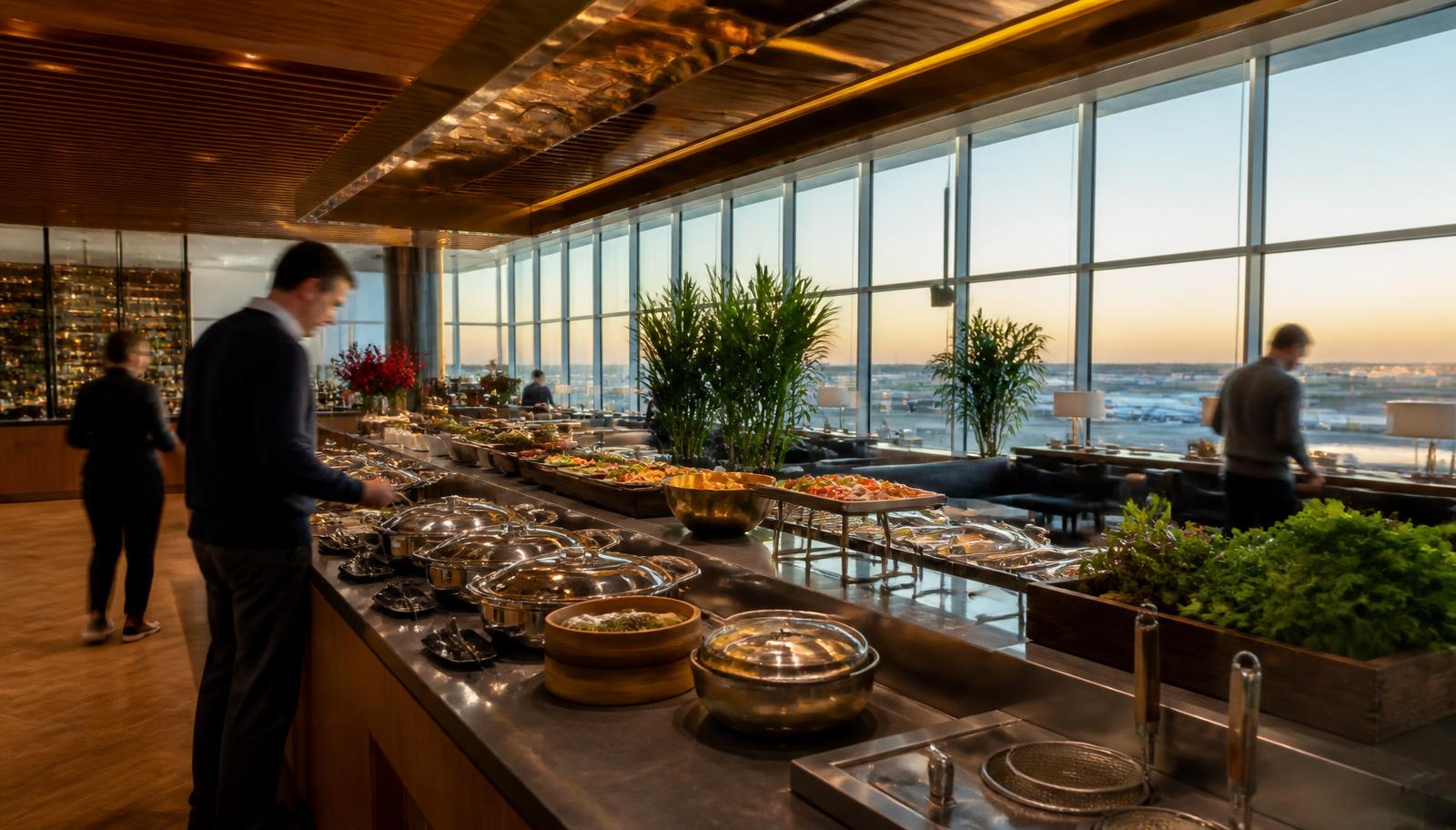
Complimentary buffet or a la carte food, soft drinks, and free beer, wine and spirits at most non US lounges.
Wifi and workspace
Free wifi everywhere, usually faster than terminal wifi, plus desks, power and printing at larger lounges.
Showers and sleep
Shower suites, quiet zones and sleep pods at the bigger hubs. The single most valuable inclusion on a redeye.
Lounge pre booking
Reserve a slot in the app at busy lounges for a small fee. The only reliable defence against capacity denials.
Be Relax spa offers
Discounted treatment packages at airside spas. Useful, but almost always a paid extra rather than an inclusion.
WithU fitness
A complimentary premium fitness app membership through the Priority Pass app. Genuinely free, rarely used.
Airport transfers and car hire
Preferential rates on private transfers and car rental booked through the app. Worth checking, not worth planning around.
Airside pre order
Order takeaway food and drink from participating terminal outlets in the US and UK. Paid, not credited, since the dining credits ended.
Spa treatments, massages, premium champagne, some cocktails at US lounges, and anything ordered from a restaurant menu since the dining credits were withdrawn. Guests are never included: $35 a head, on every tier, every time. If a benefit sounds like it should be free, check the lounge listing in the app before you order.
Priority Pass Pricing in 2026
There are three membership tiers. Every price here is in US dollars and every tier charges $35 per guest per visit, including the unlimited one.
| Plan | Annual Fee | Included Visits | Cost After Allowance | Guest Fee | Best For |
|---|---|---|---|---|---|
| Standard | $99 | None | $35 per visit | $35 per guest | 1 to 8 visits a year |
| Standard Plus | $329 | 10 per year | $35 per visit | $35 per guest | 10 to 14 visits a year |
| Prestige Unlimited | $469 | Unlimited for the member | $0 | $35 per guest | 15+ visits a year |
| Priority Pass Select via card | $0 on top of the card fee | Usually unlimited | $0 | $0 to $35 depending on card | Anyone holding a premium travel card |
Prestige is unlimited for you, not for your household. At $35 a head, a couple flying 12 times a year pays $469 plus $420 in guest fees. Two Standard memberships at $99 each plus 24 visit fees at $35 comes to $1,038 by comparison, so Prestige plus guest fees at $889 is still the cheaper route for a travelling couple. Run your own numbers before you assume the top tier is the wasteful one.
Prices are set in US dollars and converted locally, so UK, Australian and European members see small variations with the exchange rate and local tax. Promotional pricing appears a few times a year, typically 15 to 25 percent off the first year on Standard Plus and Prestige.
The Break Even Maths, Worked Through
The only honest way to answer whether Priority Pass is worth it is to compare each tier against paying the $35 visit fee, and against a typical $50 to $60 walk up day pass bought at the lounge door.
| Visits per year | Standard $99 | Standard Plus $329 | Prestige $469 | Cheapest tier |
|---|---|---|---|---|
| 2 | $169 | $329 | $469 | Standard |
| 5 | $274 | $329 | $469 | Standard |
| 8 | $379 | $329 | $469 | Standard Plus |
| 12 | $519 | $399 | $469 | Standard Plus |
| 15 | $624 | $504 | $469 | Prestige |
| 25 | $974 | $854 | $469 | Prestige |
| 47 (my 2026 usage) | $1,744 | $1,624 | $469 | Prestige |
Three things fall out of that table. Below eight visits a year, Standard wins and it is not close. Between eight and fourteen, Standard Plus is the sweet spot. Above fifteen, Prestige is the only sensible answer and the saving grows fast: on my own 47 visits it saved $1,275 against Standard.
Now compare against not being a member at all. At a $55 average walk up rate, those same 47 visits would have cost $2,585. Against a $469 Prestige membership that is $2,116 back in my pocket, before counting the food and drink I did not buy in the terminal. That number is why I renew.
Open the Priority Pass app or website, search your home airport and your two most common connecting airports, and count how many participating lounges actually sit in the terminals you use. If the answer is fewer than two, no tier is worth buying. This five minute check is the single highest value thing you can do before spending anything.
What Is A Lounge Visit Actually Worth In Dollars?
Every review tells you a visit is worth it. Almost none of them price it. So I logged what I would have spent in the terminal on ten consecutive visits and compared it against the $35 visit fee.
| What I used | Terminal price | In the lounge | Notes |
|---|---|---|---|
| Hot meal | $22 to $34 | Included | Cooked to order in most Asian and Middle Eastern lounges |
| Two coffees and water | $12 to $16 | Included | The single most reliable saving on a short layover |
| Two alcoholic drinks | $24 to $38 | Included at most non US lounges | Assume beer and wine only inside the US |
| Shower | $18 to $30 where sold | Included where available | Not offered at all in most small European lounges |
| Reliable wifi and a power point | $0 to $12 | Included | Terminal wifi is usually throttled after 30 minutes |
| A seat you do not have to hunt for | Priceless, or a $9 massage chair | Included | The real product on a delayed evening |
Median value across ten logged visits was $54 against a $35 visit fee. The spread matters more than the median: an Asian hub visit cleared $70, a small European morning lounge cleared $18.
That spread is the whole argument. Priority Pass is excellent value where lounges are big, staffed and food led, and marginal value where they are a room with a cold buffet. If most of your flying is the second kind, buy Standard and pay per visit, so a weak lounge costs you $35 rather than being pre paid at $469.
How to Get Priority Pass Free Through a Credit Card
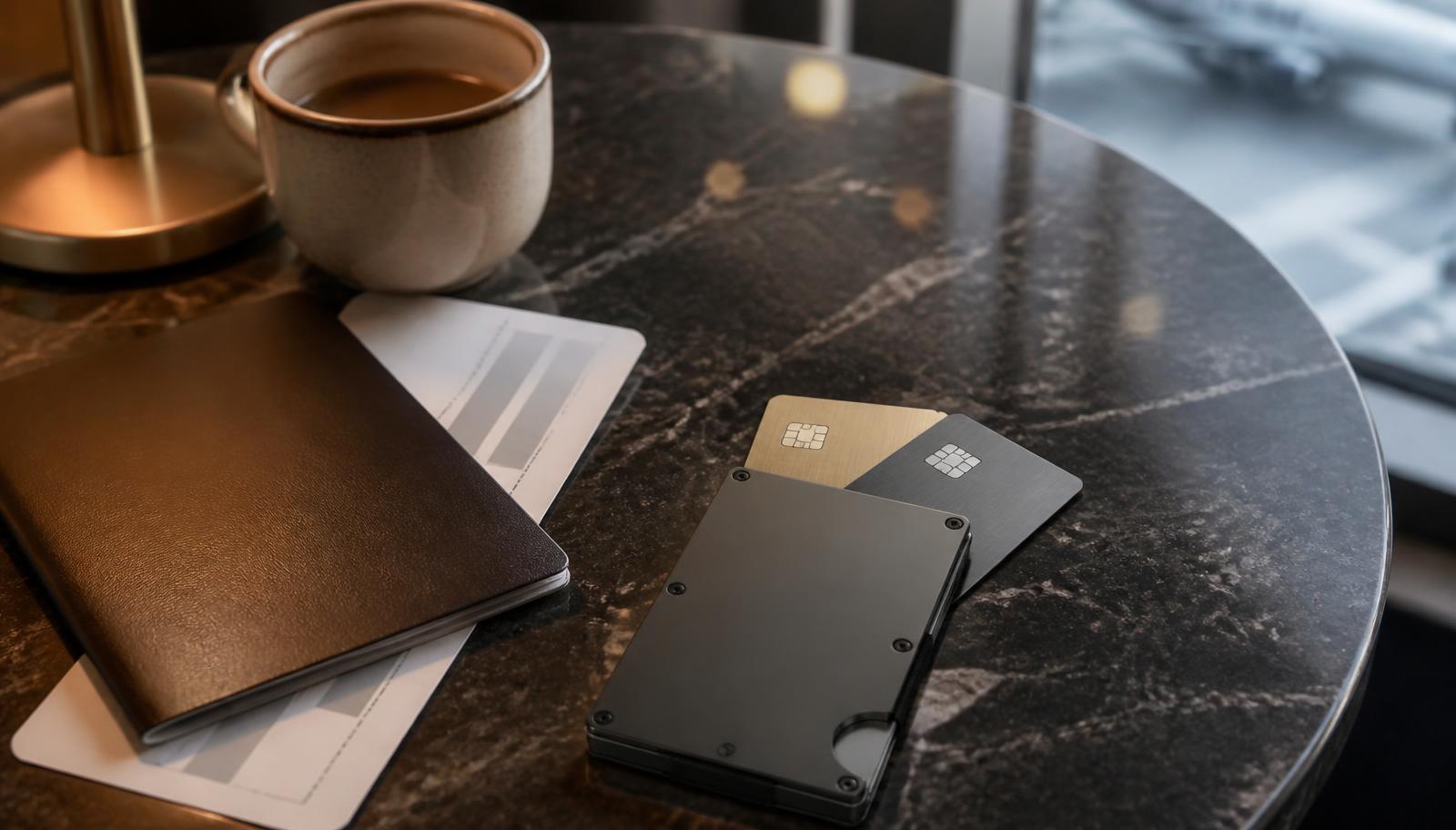
Most people in the US, UK and Australia should never buy Priority Pass directly. A premium travel card bundles the unlimited Priority Pass Select membership into an annual fee you may already be paying for other reasons.
| Card | Annual Fee | Priority Pass Tier | Guest Policy | Dining Credits |
|---|---|---|---|---|
| American Express Platinum (US) | $895 | Unlimited member visits | Guest fee applies | Removed in 2024 |
| Chase Sapphire Reserve | $795 | Unlimited member visits | Two guests included, then $35 | Removed July 2024 |
| Capital One Venture X | $395 | Unlimited member visits | $35 per guest since February 2026 | Never included |
| Amex Platinum (UK) | USD$830 | Unlimited member visits | Guest fee applies | Not included |
| Amex Platinum (Australia) | A$1,450 | Unlimited member visits | One guest included | Not included |
Every route into a lounge, priced side by side
The table below is the one I wish someone had shown me in 2019. It puts the three Priority Pass tiers next to the cards that bundle the membership, with the annual cost in three currencies, what the fee actually buys and my honest call on each.
| Card or Membership | Annual Cost (USD) | Lounges Included | Guest Policy | Verdict |
|---|---|---|---|---|
| Priority Pass Standard | $99 | 1,600+ lounges in 148 countries, no visits included, $35 per entry | $35 per guest per visit | The value pick below eight visits a year. Buy this one first and upgrade later if you outgrow it. |
| Priority Pass Standard Plus | $329 | Same 1,600+ network, 10 visits included, then $35 per entry | $35 per guest per visit | Right for eight to fourteen visits a year. At ten visits the effective cost is $32.90 each. |
| Priority Pass Prestige | $469 | Same 1,600+ network, unlimited visits for the member | $35 per guest per visit, including on this tier | Only wins above roughly fifteen visits a year. It is the tier I pay for on 47 visits. |
| Amex Platinum (US) | $695 | Priority Pass Select unlimited, plus Centurion Lounges and Delta Sky Club on Delta flights | 2 guests included, then $35 each | Worth it for the Centurion network and the travel credits, not for Priority Pass alone. Restaurant credits are gone. |
| Chase Sapphire Reserve | $795 | Priority Pass Select unlimited, plus Sapphire Lounges at 8 US airports | 2 guests included | The best card route if you fly US domestic, because the Sapphire Lounges fill the gap Priority Pass leaves. |
| Capital One Venture X | $395 | Priority Pass Select unlimited, plus Capital One Lounges and Landings | $35 per guest since February 2026 | Cheapest way into unlimited Priority Pass Select, provided you no longer need the free guest slots. |
| Amex Platinum (UK) | About $825 | Priority Pass Select unlimited, plus Centurion Lounges when you travel | 1 guest included, then USD$40 each | The usual UK route. The lounge access is a side benefit of the travel insurance and hotel status. |
| DragonPass | From $99 | 1,300+ lounges, strongest in mainland China and Southeast Asia | From $32 per guest per visit | Better than Priority Pass if most of your flying is inside Asia. Weaker everywhere else. |
All prices are shown in US dollars, as published by each provider and checked 24 August 2026. Your card issuer will bill the local equivalent on the day.
The enrolment trap
Every one of these cards requires you to enrol manually. The membership does not appear on its own. Log into your issuer account, find the Priority Pass benefit, activate it, then download the Priority Pass app and add the digital card. I have watched two friends stand at a lounge desk discovering their benefit was never switched on.
When buying direct still makes sense
Buy direct if you do not want a $400 to $900 card annual fee, if you are outside the US, UK and Australia where these cards are hard to hold, or if you want a second membership so your partner is not paying $35 a visit. For that second membership the $99 Standard tier is almost always the right choice.
The Restaurant Credits Are Effectively Dead
This is the change that stings most and the one competing reviews still bury. Priority Pass used to include airside restaurant credits, typically $28 to $30 per person, redeemable at participating terminal restaurants when no lounge was available or when the lounge was full.
Between 2023 and 2025 every major US issuer removed that benefit. American Express dropped restaurant access in 2024. Chase removed it from the Sapphire Reserve in July 2024. Capital One never offered it on the Venture X. The restaurants are still listed inside the Priority Pass network, so some directly purchased memberships can still redeem, but if your access comes from a card you should assume the credit is gone.
The restaurant credit was the fallback plan. At airports where the Priority Pass lounge is mediocre, or sits in a terminal you cannot reach, the $28 credit turned a bad situation into a decent meal. Now there is no fallback. You either get into the lounge or you get nothing, and that changes the value calculation at every weak US airport in the network.
What Lounges Can You Actually Access?
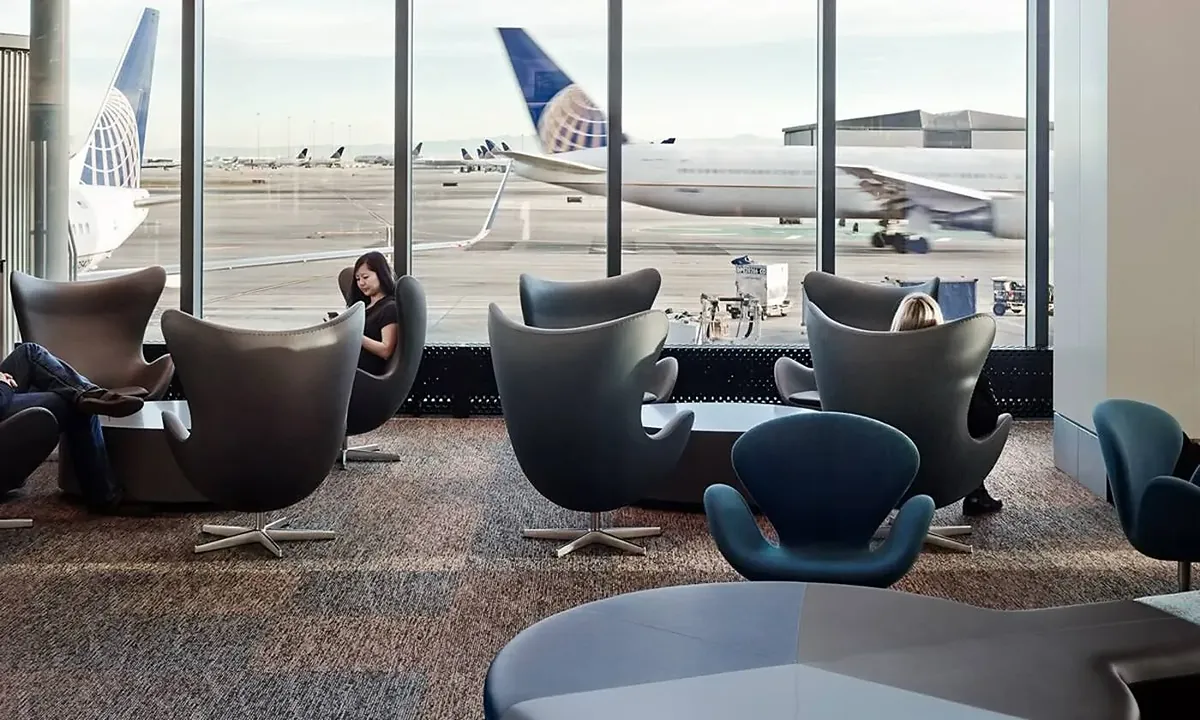
The network covers 1,600+ locations in 700 cities across 148 countries: independent lounges, select airline lounges opened to members, hotel lounges airside, spa facilities and sleep pods.
| Region | Strength | What to expect |
|---|---|---|
| Asia Pacific | Excellent | Changi, Hong Kong, Incheon, Bangkok and Sydney all have multiple strong lounges. Hot food cooked to order is the norm. |
| Middle East | Excellent | Dubai T3, Doha and Bahrain have large, well staffed lounges that absorb peak traffic. |
| Europe | Variable | Heathrow, Gatwick and Edinburgh are strong. Many secondary European lounges are small rooms with cold buffets. |
| United States, international terminals | Good | Reliable at JFK, LAX, SFO and MIA international piers. |
| United States, domestic terminals | Weak | The best US domestic lounges belong to Centurion, Delta Sky Club, United Club and Admirals Club, none of which are Priority Pass. |
| Latin America and Africa | Patchy | Strong in Sao Paulo, Johannesburg and Cape Town, sparse elsewhere. |
Before every trip I check the app for the specific terminal, not just the airport. Not every lounge in an airport accepts Priority Pass, only those contracted to do so, and terminal matters more than most people realise.
Two Visits In Detail, Written Up The Day After
Averages hide the thing you actually want to know, which is what a good visit and a mediocre visit each feel like. These are two write ups from my own notes, one at the top of the network and one in the middle of it.
The Best Case
Plaza Premium Lounge
Singapore Changi, Terminal 3, 5.40pm on a Tuesday
I scanned in at 5.40pm and was seated in under two minutes, which at Changi on a weekday is the difference between arriving before six and arriving after it. The hot section ran a laksa station, chicken rice, two vegetarian curries and a noodle bar cooked to order. I ate properly rather than grazing, which is the honest test of whether a lounge has replaced a terminal meal.
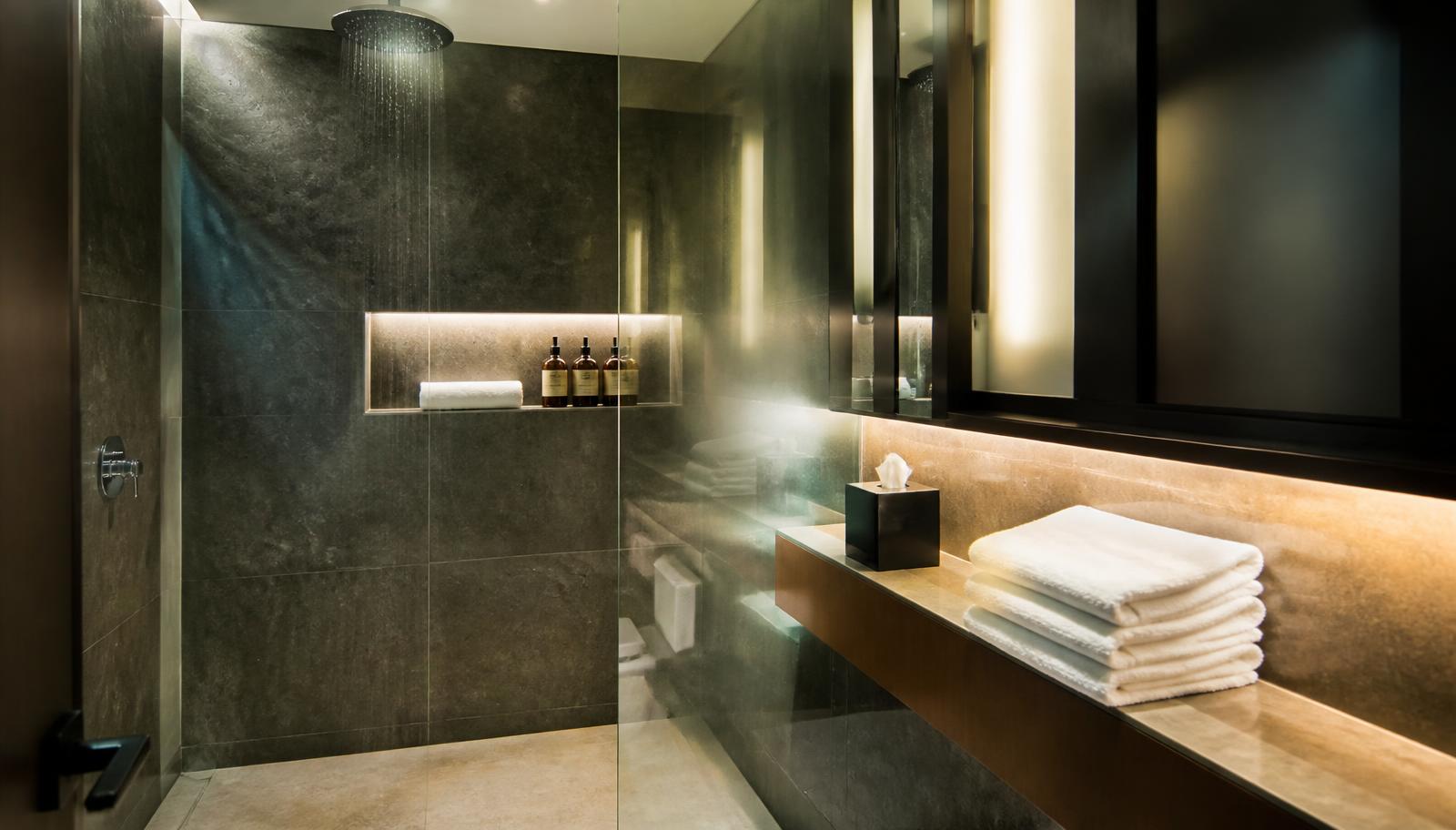
The shower suites are the reason I plan connections around this room. There were four, all free within ten minutes of asking, with towels and amenities restocked between guests. After a nine hour leg from Sydney that is worth more to me than the food.
The catch is the same catch as always here. Come back at 7pm on a Friday and the same lounge has a queue at the door and a capacity hold. I have been turned away twice, both times on Fridays, both times inside that window.
The Middle Case
Aspire Lounge
London Heathrow, Terminal 5, 6.50am on a Monday
This is the visit that explains why I tell people to check the terminal before they buy. I arrived at 6.50am into the worst hour in the network, was admitted with no wait, and then spent twenty minutes failing to find two seats together. The food was a cold buffet with a hot bacon tray, the coffee came from a machine, and the wifi held up fine for a call.
Nothing about it was bad. Nothing about it was worth $35 either. Against a $12 coffee and pastry in the terminal, a visit like this is close to break even, and it is the honest reason I do not recommend Prestige to people whose flying is mostly short haul European mornings.
What saved it was the quiet zone at the back, which most people walk past. If a lounge feels full, walk the whole floor before you judge it. The second room is often half empty.
How To Actually Use It, Step By Step
The programme is simple once you have done it twice, and mildly confusing the first time. This is the sequence I run on every trip.
- Enrol first. If your membership comes from a card, activate it in your issuer account. It does not switch itself on, and the desk cannot fix it for you.
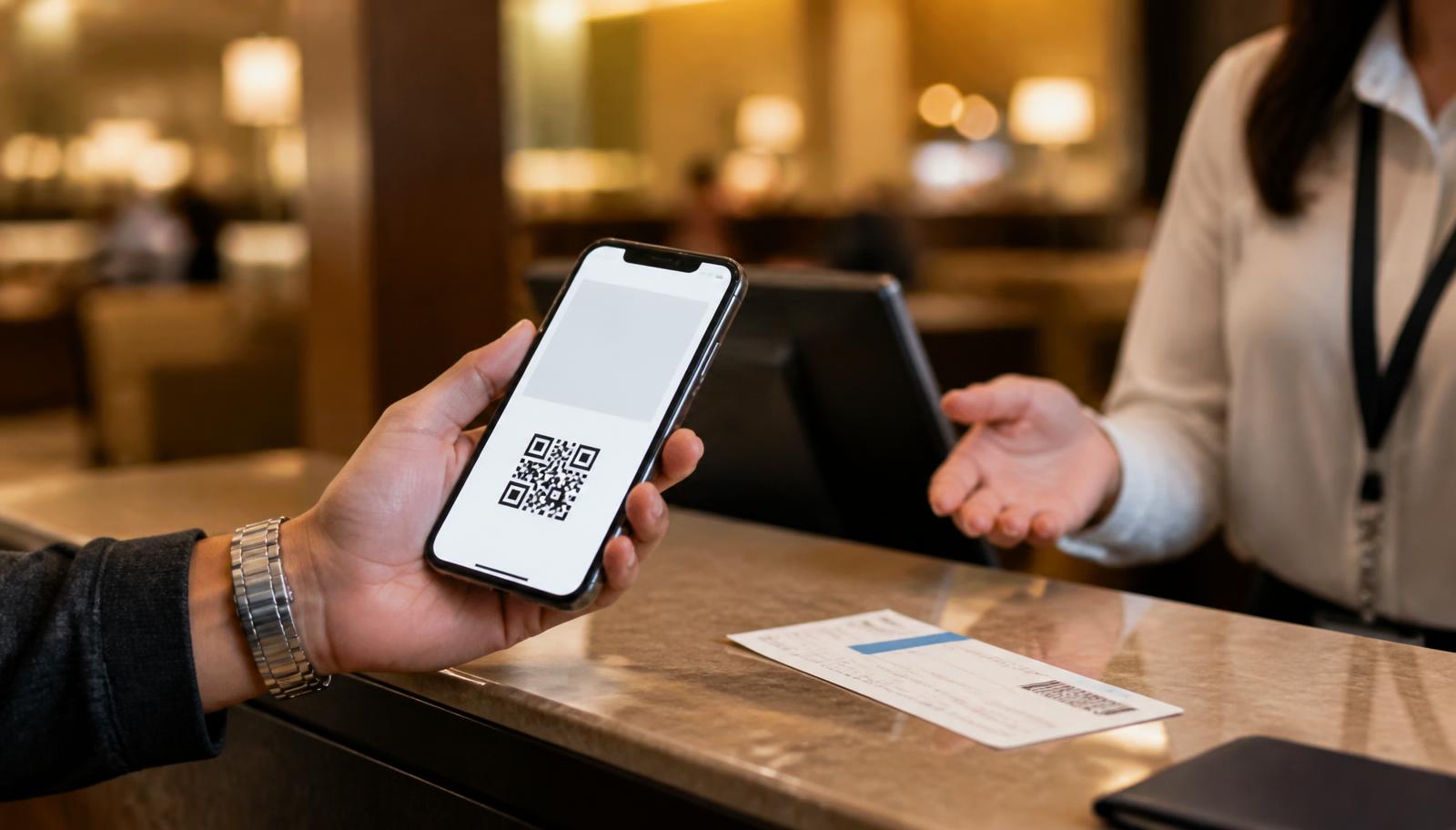
- Add the digital card. Download the Priority Pass app, sign in, and save the card to Apple Wallet or Google Wallet. Screenshot it as a backup for terminals with no signal.
- Search by terminal, not by airport. The app lists the terminal and whether the lounge is landside or airside. This one habit prevents most wasted journeys.
- Read the member ratings and the conditions. Anything under 7.5 out of 10 is usually a small room. The conditions line states the entry window, the stay limit and the child policy.
- Pre book if you are travelling at peak. Reserve a slot one to three months ahead for evening departures out of Asia and morning departures out of Europe.
- Scan in, count your guests honestly. Each guest is $35 and is charged to the card on file, usually within a week.
- Check the charge afterwards. Visit charges occasionally post twice. Two of my 47 visits did, both refunded within a fortnight after a message through the app.
The Rules That Catch People Out
Priority Pass sets the network. The individual lounge sets almost every rule that will affect your visit, which is why two members can have completely different experiences on the same membership.
| Rule | Set by | Typical position | What to do |
|---|---|---|---|
| Entry window | The lounge | Admission only within three hours of departure | Check the conditions line in the app before a long layover |
| Length of stay | The lounge | Three hours from scan in, enforced when busy | Plan a long connection around two lounges rather than one |
| Guests | Priority Pass | $35 per guest per visit on every tier | Budget for it, or hold a second Standard membership at $99 |
| Children | The lounge | Free under two at many, full guest fee above it, excluded at a few | Read the lounge listing before planning a family layover |
| Dress code | The lounge | Smart casual at a small number of airline run rooms | No swimwear, sleepwear or bare feet and you will be fine |
| Multiple lounges in a day | Priority Pass | Allowed, each entry charged separately | On Standard, two lounges in a day costs $70 |
| Alcohol | The lounge | Included at most international lounges, chargeable at some US ones | Assume free spirits abroad, assume beer and wine only in the US |
Every one of these is printed on the individual lounge page inside the Priority Pass app. Thirty seconds of reading there prevents almost every complaint you will find in online reviews.
Where Priority Pass Fails, and How I Work Around It
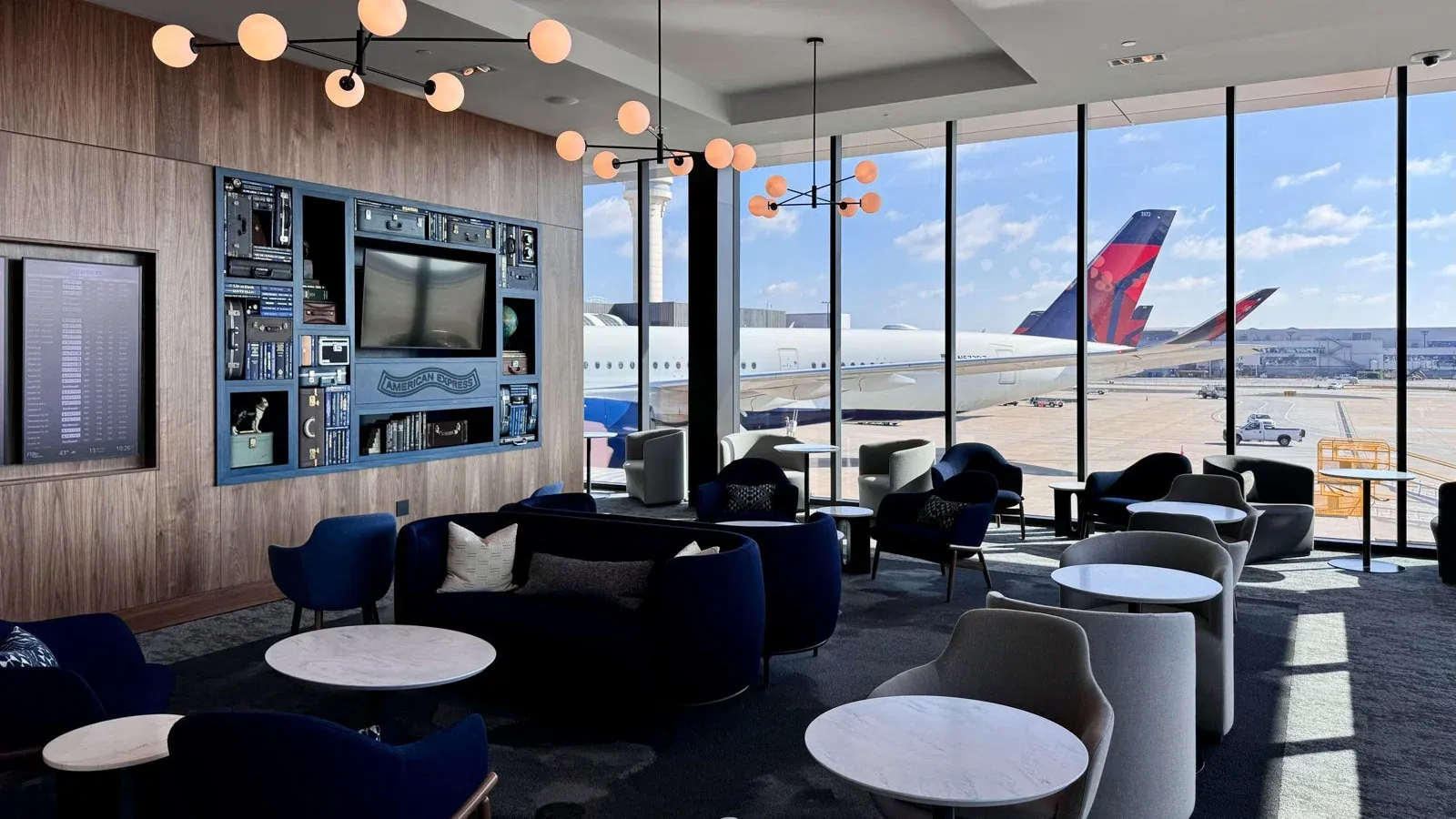
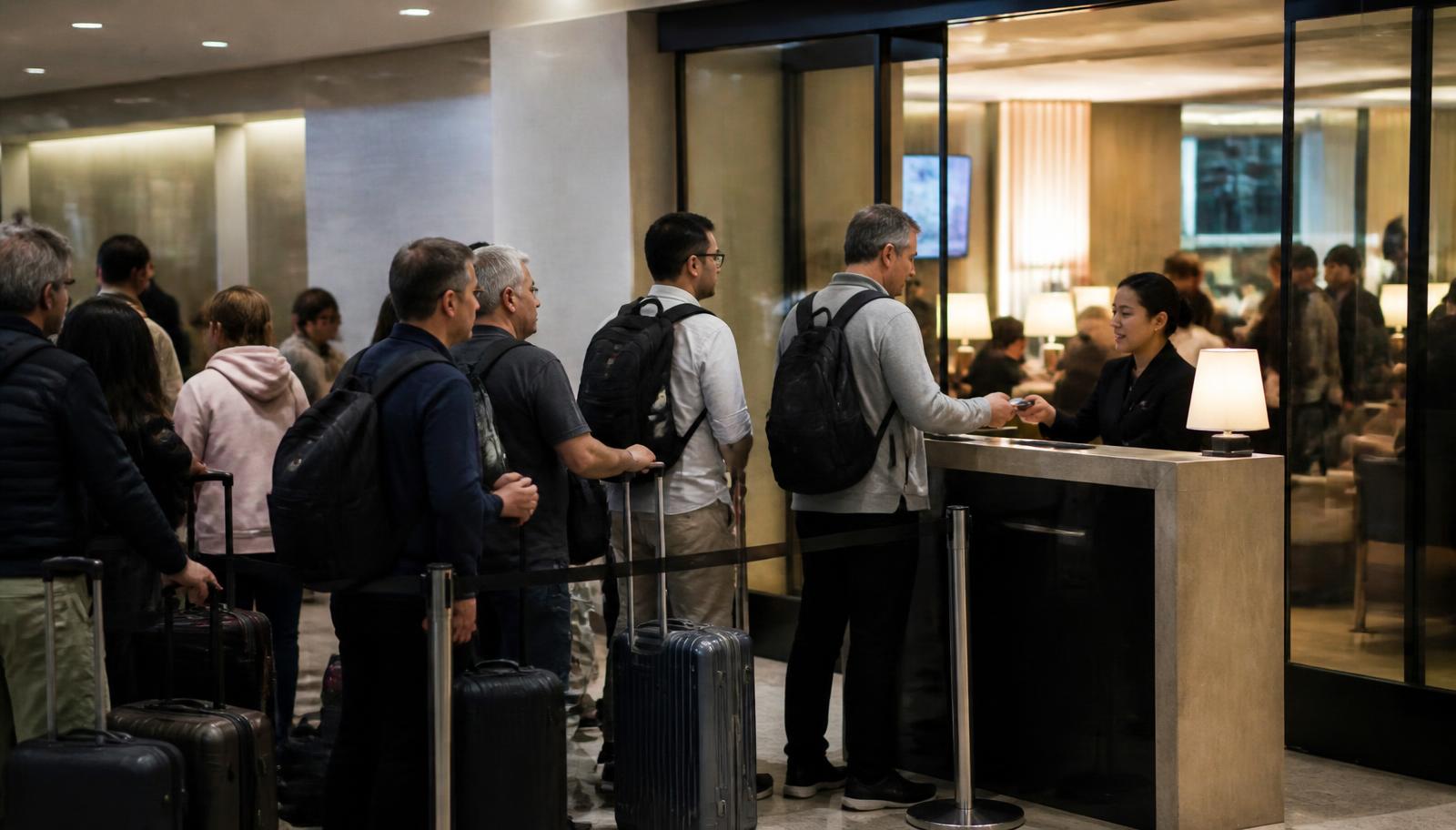
I have been denied entry twice, both at Singapore Changi Terminal 3 on a Friday evening around 7pm. Neither was a mistake by the lounge. These are the four failure modes worth knowing before you spend anything.
1. Capacity denials
Lounges can and do refuse entry when full. The pattern is predictable: 6pm to 9pm at Changi, 6am to 9am at Heathrow, and the late evening bank at Dubai T3. The fix is the pre book function in the Priority Pass app, which reserves your slot for a small fee. Book one to three months out for peak periods, because slots sell out weeks ahead.
2. The three hour rule
Many lounges only admit you within three hours of your scheduled departure. Arrive earlier for a long connection and you can be turned away at the desk with a perfectly valid membership. Check the individual lounge listing in the app, since the rule is set by the lounge and not by Priority Pass.
3. Terminal and airside mismatch
Your lounge may sit in a terminal you cannot reach after security. At sprawling airports such as LAX, Charles de Gaulle and Bangkok this happens often. The app lists the terminal and whether the lounge is landside or airside. Read it before you commit to arriving early.
4. Quality inconsistency
You are not buying a consistent product. The Plaza Premium at Changi T3 and an eight chair room at a US regional airport are both Priority Pass. Member ratings inside the app are genuinely useful here: anything below 7.5 out of 10 is usually a room with crisps and a coffee machine.
Priority Pass vs the Alternatives
Priority Pass is not the only route into a lounge, and for some travellers it is not the best one.
| Option | Typical cost | Network size | Best for | Weakness |
|---|---|---|---|---|
| Priority Pass | $99 to $469 a year | 1,600+ in 148 countries | International and second tier airports | Weak US domestic, guest fees |
| Amex Centurion Lounges | Included with Amex Platinum, $895 fee | A few dozen, mostly large US cities | US based travellers who want the best rooms | Tiny network, heavy crowding |
| DragonPass | Around $99 to $299 a year | 1,300+, strongest in China and Southeast Asia | Travellers focused on Asia | Thinner in Europe and the Americas |
| LoungeKey | Bundled with bank cards | Overlaps heavily with Priority Pass | People whose bank already includes it | Per visit charges are common |
| Walk up day passes | $50 to $60 per visit | Whatever the airport sells | One or two trips a year | No guarantee of space at peak |
| Airline lounges via status or business class | Fare or status dependent | Alliance wide | Loyalists on one alliance | Useless when you fly a different carrier |
If almost all your flying is US domestic on one carrier, an airline club or a Centurion card is the better buy. If you fly internationally across multiple airlines, nothing matches Priority Pass for coverage. My own answer is both: a card that includes Priority Pass Select, plus the app to find the room.
Priority Pass Pros and Cons After 47 Visits
Two years in, this is the balance sheet as I would give it to a friend, not as the marketing copy gives it.
What I Rate
- Airline independent. Economy on a budget carrier still gets you the same room
- 1,600+ lounges in 148 countries, the widest network anyone sells
- Standard at $99 costs less than a single walk up day pass at most large hubs
- The app pre book function genuinely works at Changi, Heathrow and Dubai
- Digital card in Apple Wallet, so no card and no signal is not a problem
- Showers and sleep zones at the bigger lounges, worth more than the food on a redeye
What Frustrates Me
- $35 per guest per visit on every tier, including the unlimited one
- Restaurant credits removed from every major US card between 2023 and 2025
- Quality swings hard, from Plaza Premium Changi to an eight chair room with crisps
- Capacity denials at peak, with no fallback now the dining credit is gone
- US domestic coverage is the weakest part of the network by a distance
- Renewal is always at full price, never at the rate you joined on
Who Is Priority Pass Actually For?
Buy it if:
- You take eight or more flights a year with at least some international or connecting legs
- You regularly transit airports where you hold no airline lounge access
- You fly through Asia, the Middle East or major European hubs, where the network is strongest
- You travel for work and value a quiet room with reliable wifi over a heaving terminal cafe
- You have long layovers even once or twice a year. A four hour connection becomes genuinely pleasant
Skip it if:
- You fly fewer than four times a year. Day passes at $50 to $60 will cost you less
- Almost all your flying is US domestic, where the network is at its weakest
- You always fly business class on one alliance and already have lounge access
- Your home airport has no participating lounge in your terminal. Check the app first
- You always travel as a family of four, where $35 a head per visit erases the saving
Eight to fourteen lounge visits a year, on Standard Plus, travelling mostly solo or with one guest. That profile pays roughly $330 to $400 a year for access that would cost $440 to $770 in walk up fees. Above fifteen visits, move to Prestige. Below eight, take the $99 Standard tier and pay as you go.
The 10 Best Priority Pass Lounges in the World
Not all Priority Pass lounges are created equal. These are the ten I would plan a connection around, based on my own visits and the member ratings inside the app.
Plaza Premium Lounge
Singapore Changi, Terminal 3
Arguably the gold standard of independent airport lounges globally. Spa treatments, noodle bar, private shower suites and exceptional service. I have been turned away here twice at 7pm, so arrive early or pre book.
KAL Business Class Lounge
Seoul Incheon, Terminal 1
Korean Air have opened select Priority Pass access to one of their finest lounges. Bibimbap to order, luxury showers and a design that feels genuinely premium.
No. 1 Traveller Lounge
London Heathrow, Terminal 3
Cocktails, spa treatments and a menu that rivals many central London restaurants. Frequently voted the best independent lounge at Heathrow. Pre booking is close to essential on weekday mornings.
The Bridge Bar and Restaurant
London Gatwick, South Terminal
Full a la carte dining, champagne on request and a surprisingly sophisticated space for Gatwick. Regularly cited as the best non airline lounge in the UK.
Marhaba Lounge
Dubai International, Terminal 3
A 240 metre lounge across two floors. Arabic mezze, full hot buffet, dedicated sleep zones and a spiritual room. The scale alone is impressive and it absorbs peak traffic better than most.
Dnata Lounge
Sydney Airport, International Terminal
The best Priority Pass lounge in Australia by a considerable margin. Local wines, Nespresso, excellent buffet and harbour views from the top floor.
Plaza Premium Lounge
Hong Kong International, Terminal 1
Dim sum, hot showers, private napping chairs and city skyline views. Everything the Hong Kong airport experience should be.
Jade Lounge
Shanghai Pudong, Terminal 2
Serene design, dim sum on demand, private booths and impeccable service. One of the strongest Priority Pass options in mainland China.
Pearl Lounge
Bahrain International Airport
A hidden gem in the Gulf. Traditional Arabic hospitality, private prayer room, exceptional hot food and rarely overcrowded.
Aspire Lounge
Edinburgh Airport
Punches well above its weight for a regional UK airport. Good Scottish whisky selection, reliable hot food and a calmer alternative to Edinburgh's busy terminal.
For lounge by lounge detail at individual airports, including the rooms that are not worth the walk, see my airport lounge access hub. If the lounge you want sits inside a card programme rather than Priority Pass, the choice usually comes down to the $895 Amex Platinum against the $795 Chase Sapphire Reserve, and I weigh the two on the credits that survive contact with a real trip in Amex Platinum versus Chase Sapphire Reserve.
Discounts, Promotions and What They Are Really Worth
Priority Pass discounts a first year membership several times a year. The pattern over the two years I have watched it is consistent: a January push, a northern summer offer, and a Black Friday window, usually 15 to 30 percent off, weighted towards Standard Plus and Prestige because those are the tiers with margin in them.
| Tier | Full price | Typical promo | Year one saving | Renewal price |
|---|---|---|---|---|
| Standard | $99 | $79 to $99 | $0 to $20 | $99 |
| Standard Plus | $329 | $249 to $279 | $50 to $80 | $329 |
| Prestige | $469 | $329 to $399 | $70 to $140 | $469 |
Promotional pricing applies to the first year only. Renewal is charged at the prevailing full rate, so treat a discount as a one off, not an ongoing saving.
Two honest cautions. First, a discount never turns the wrong tier into the right tier: a $329 Prestige promo is still poor value at five visits a year, where Standard plus $175 of visit fees costs $274. Second, if you hold a card that bundles Priority Pass Select, no promotion beats free, and buying a second membership at the discounted Standard rate is usually the better use of the offer than upgrading your own.
I renew in January, not because the offer is always best then, but because it is when I can count the previous year's visits accurately in the app. Open the app, tap your membership, and read the visit history. That number, not the discount, decides the tier.
Pre Booking, Cancelling and Renewals
Three pieces of fine print that catch members out.
Pre booking a slot
The app lets you reserve a place at busy lounges for a small booking fee. Reserve one to three months ahead for peak periods. You can amend a booking as many times as you like, but cancellations are not allowed inside 48 hours of your arrival time. Cancel 48 hours or more ahead and you get a full refund, processed within 10 days.
Cancelling the membership
A first membership bought directly comes with a cooling off period during which you can cancel for a refund. After that the membership runs to the end of its annual term. Outstanding visit charges are still payable when you cancel.
Auto renewal
Memberships renew automatically at the prevailing rate. If you bought at a promotional price, renewal is at full price. Turn renewal off inside your account settings if you want to reassess each year, which is what I do every January.
Frequently Asked Questions
The cheapest way is a premium card you already hold that includes Priority Pass Select, such as the Chase Sapphire Reserve, Amex Platinum or Capital One Venture X, because the lounges cost nothing extra. Without one, Priority Pass Standard at $99 a year plus $35 a visit is the cheapest paid route for anyone making a handful of visits.
In the US, the Chase Sapphire Reserve, the American Express Platinum and the Capital One Venture X all include Priority Pass Select with unlimited member visits. In the UK, Amex Platinum and HSBC Premier World Elite are the common routes. You must enrol manually in your issuer account before the membership activates, and restaurant credits are gone from every major US card.
No tier includes free guests. Every guest costs $35 per person per visit on Standard, Standard Plus and Prestige alike, and Capital One Venture X ended its complimentary guest privileges in February 2026. If you always travel as a couple, budget for the fee on every visit, or consider a second membership, which is often cheaper than paying $35 each trip.
Only marginally. Two or three trips a year means roughly four to six lounge visits, which costs $239 to $309 on the $99 Standard tier once the $35 visit fees are added. That is close to what you would pay at the door. I would buy it at that level only if your home airport has a genuinely good lounge.
The main alternatives are a credit card with its own lounge network, such as the Amex Centurion Lounges, the Capital One lounges or airline clubs like Sky Club and United Club, which are stronger at US domestic terminals. DragonPass is a rival independent network, and single day passes suit anyone who only needs a lounge once or twice a year.
Priority Pass is worth it if you make more than 14 lounge visits a year, or if a premium credit card gives you the membership for free. Buying Prestige outright at $469 needs roughly 14 visits to beat the $35 walk up fee, so most travellers are better served by the $99 Standard tier or by a card that bundles Priority Pass Select. Coverage is strongest in Asia, the Middle East and Europe, and weakest at US domestic terminals.
There are three tiers. Standard is $99 a year with a $35 fee for every visit. Standard Plus is $329 a year with 10 included visits, then $35 each. Prestige is $469 a year with unlimited visits for the member. Guests cost $35 per person per visit on every tier, including Prestige.
On Standard you break even the moment you would have paid a walk up rate higher than $35, which is most large international lounges. On Standard Plus you need 10 visits to bring the effective cost to $32.90 each. On Prestige you need about 14 visits a year at a $35 comparison rate before the membership beats paying per visit.
Priority Pass covers more than 1,600 lounges and airside experiences across 700 cities in 148 countries as of 2026. That includes independent lounges, select airline lounges, sleep pods, spas and a shrinking number of airside restaurants. It remains the largest independent lounge network in the world.
Almost never through a US credit card. Between 2023 and 2025 American Express, Chase and Capital One removed Priority Pass restaurant and dining credits from their cards. The restaurants are still listed in the Priority Pass network, so a directly purchased membership can still use some of them, but if your access comes from a card you should assume the dining credit is gone.
In the US the main routes are the Chase Sapphire Reserve, the American Express Platinum and the Capital One Venture X, all of which include Priority Pass Select with unlimited member visits. In the UK, Amex Platinum and HSBC Premier World Elite are the common routes. In Australia, Amex Platinum and Qantas American Express Ultimate include it. Every card requires you to enrol manually in your issuer account before the membership activates.
Yes, at $35 per guest per visit on every tier, including Prestige. Capital One Venture X ended its complimentary guest privileges in February 2026, so guest fees now apply there too. If you always travel as a couple, budget for the guest fee or hold two memberships, because a second card membership is often cheaper than $35 a trip.
The three common reasons are capacity, timing and terminal. Lounges can refuse entry when they are full, which happens most often between 6pm and 9pm at Singapore Changi, Heathrow and Dubai. Many lounges only admit you within three hours of your departure time. And your lounge may sit behind security in a different terminal you cannot reach airside. Pre booking a slot in the Priority Pass app is the only reliable fix.
Yes, at the international terminals. Sydney, Melbourne, Brisbane, Perth and Adelaide all have participating lounges, with the Dnata Lounge at Sydney International the strongest of them. Qantas Club and Virgin Australia domestic lounges are not part of the network, so Priority Pass adds little on domestic east coast routes.
They solve different problems. Centurion Lounges are better than most Priority Pass lounges but there are only a few dozen, almost all in large US cities. DragonPass has a stronger network in mainland China and parts of Southeast Asia and is often cheaper. Priority Pass wins on raw global coverage, which is what matters if you fly through second tier and international airports.
A first membership bought directly has a cooling off period during which you can cancel for a refund, after which memberships run to the end of the annual term and auto renew unless you turn renewal off in your account. Pre booked lounge slots are a separate transaction: cancel 48 hours or more before your arrival time for a full refund, processed within 10 days. Inside 48 hours the slot is not refundable.
Seating away from the terminal, complimentary food and soft drinks, and in most international lounges a bar with beer, wine and spirits at no extra charge. Wifi is included everywhere and is usually faster than terminal wifi. Larger lounges add showers, quiet or sleep zones, work desks and printing, kids rooms, prayer rooms and family bathrooms. Spa treatments, massages and premium champagne are usually chargeable extras rather than inclusions.
Most lounges apply a three hour limit from the moment you scan in, and many will only admit you within three hours of your scheduled departure. Long layovers are the awkward case: at a six hour connection you may be turned away on arrival, then be inside the window two hours later. A handful of lounges enforce the limit strictly with a timed receipt, most do not enforce it unless the room is full.
Yes. Each entry is recorded as a separate visit and is charged separately on Standard and Standard Plus, so a two lounge day on Standard costs $70. Some lounges apply a minimum gap between scans at the same location to stop re entry being used to reset the three hour clock. On Prestige, multiple lounges in a day cost nothing extra for the member.
Nothing formal at the vast majority of lounges. Smart casual is the written standard at a small number of airline operated lounges inside the network, which in practice means no swimwear, no bare feet and no sleepwear. I have never seen anyone turned away for clothing, only for capacity or timing.
Child policies are set by each lounge, not centrally. Some admit infants and under twos free, some charge the full $35 guest rate for anyone over two, and a small number of business focused lounges do not admit children at all. The individual lounge listing in the Priority Pass app states the policy, and it is worth reading before you plan a family layover around a lounge.
Priority Pass runs promotional pricing several times a year, typically 15 to 30 percent off the first year, concentrated around January, the northern summer and Black Friday. Discounts are usually deepest on Standard Plus and Prestige and thinnest on Standard. Renewal is always at full price, so a promotional first year is a one off saving rather than an ongoing rate.
No. The digital card inside the Priority Pass app is accepted everywhere in the network and can be added to Apple Wallet or Google Wallet, which matters when the lounge is in a terminal with poor signal. Take a screenshot as a backup. A small number of lounges still scan a physical card, and the app card works alongside it.
Yes. I earn a commission when readers join Priority Pass through my affiliate link via AWIN. It does not change the price you pay and it does not change what I recommend. I have written openly here about the tiers I think are poor value and the airports where the network lets you down.
It works on any ticket, but the lounge has to be there. Priority Pass is airline agnostic, so a domestic economy fare gets you the same entry as a business ticket, and in Europe and Asia most domestic terminals have a participating lounge. US domestic is the weak spot: outside about 25 airports the network venue sits in an international terminal you cannot reach airside, and Australian domestic terminals have no participating lounges at all because Qantas Club and Virgin Australia sit outside the network.
If you bought the membership directly, you join at prioritypass.com, then download the app and sign in, and the digital card is live straight away. If your access comes from a credit card you have to enrol separately in your issuer account, which is the step most cardholders miss, and the membership number arrives by email within a few days. At the lounge, present the digital card in the app for scanning, and add it to Apple Wallet or Google Wallet before you fly because terminal signal is often poor at the lounge door.
Centurion Lounges are the better rooms and Priority Pass is the better network. There are only a few dozen Centurion Lounges, almost all in large US cities, with a chef led menu and a proper bar, and access needs an Amex Platinum or Centurion card. Priority Pass gives you 1,600 venues across 148 countries at a much wider range of quality. If you fly mostly US domestic on Amex, Centurion wins. If you fly internationally through second tier airports, Priority Pass wins, and the Amex Platinum gives you both.
Keep reading

Worth It Above Eight Lounge Visits a Year
Take Standard at $99 if you fly occasionally, Prestige at $469 above fifteen visits, or get it free with a premium travel card.
This article contains affiliate links. If you purchase a Priority Pass membership through my links, I may earn a small commission at no extra cost to you. It does not change what I recommend. I pay for my own membership and I have written openly above about the tiers and airports where the programme is poor value.
Keep reading
- Priority Pass vs Amex Centurion vs Capital OneHow the three networks compare
- Airport lounge access hacksSeven ways I get in without status
- Best credit cards for luxury travelCards that bundle lounge access
- Best luxury suitcasesCabin bags that clear every gate
- eSIM data for travellersData before you reach the lounge wifi