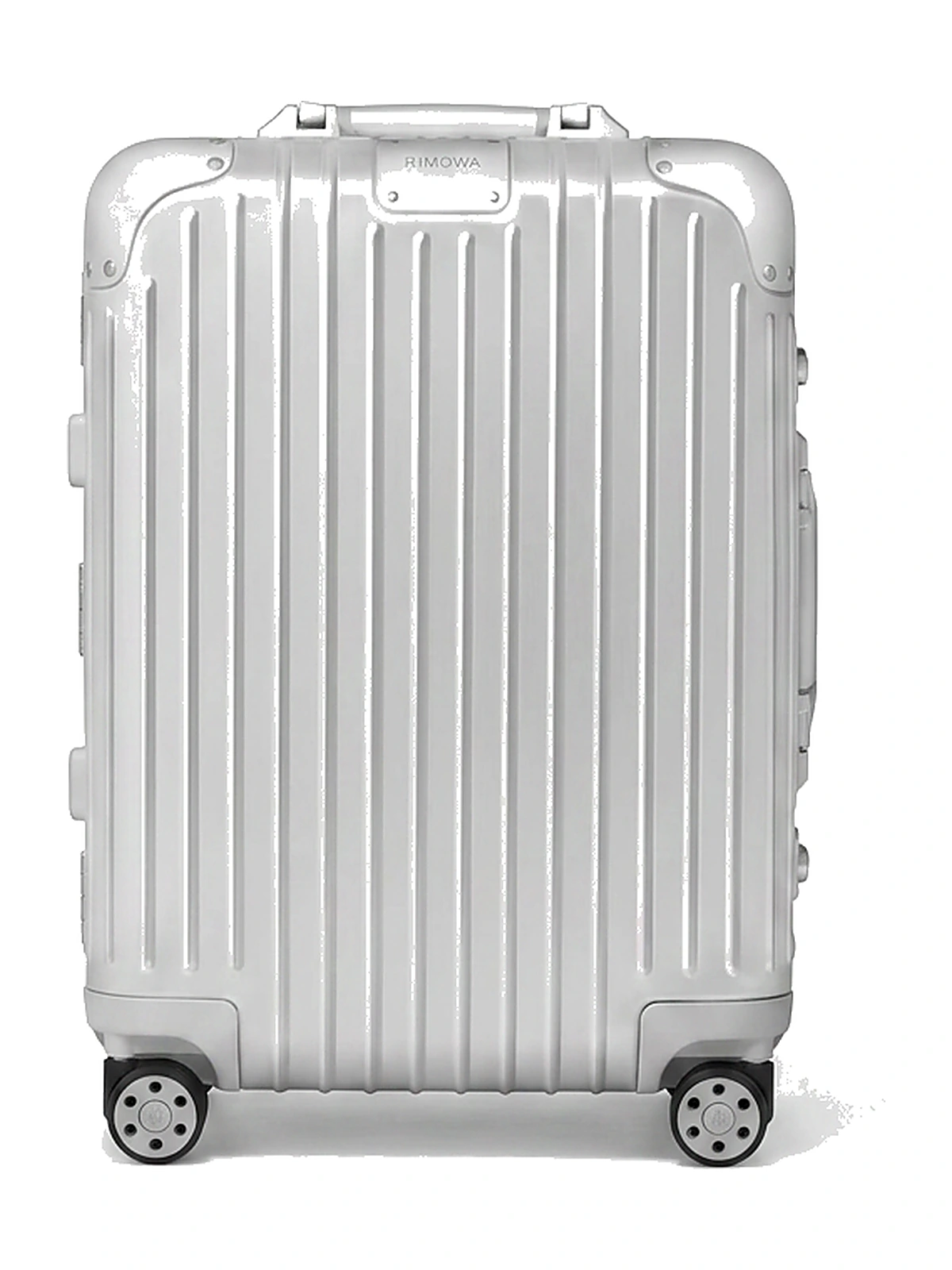
Rimowa Original Cabin
$1,550The aluminium case for long ownership and walk in repairs.
We may earn a commission from links on this page, at no extra cost to you. How rankings and funding work.
Home › Essentials › Luggage
An LHC field report · 25 brands bought · 100,000 plus miles
Updated 15 October 2026
Ten premium suitcases flown, checked, dropped and repaired, with the weights, sizes and warranties that actually matter.
By Jack Williamson, the LHC house pen name · How we workPrices checked 15 October 2026
The aluminium case for long ownership and walk in repairs.
The best checked allowance per dollar.
The lightest case for strict cabin allowances.
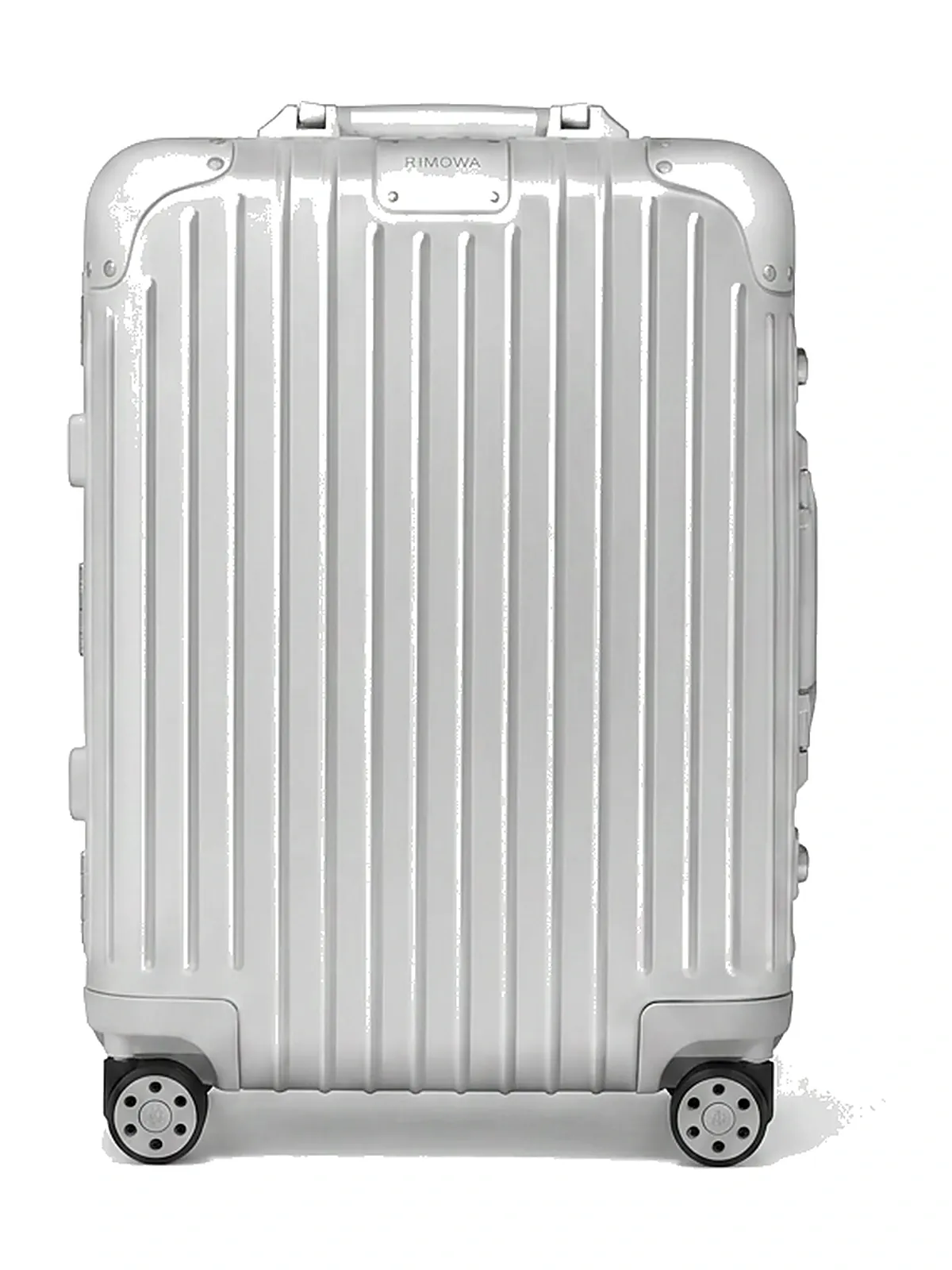
One case for decades, with walk in repairs.
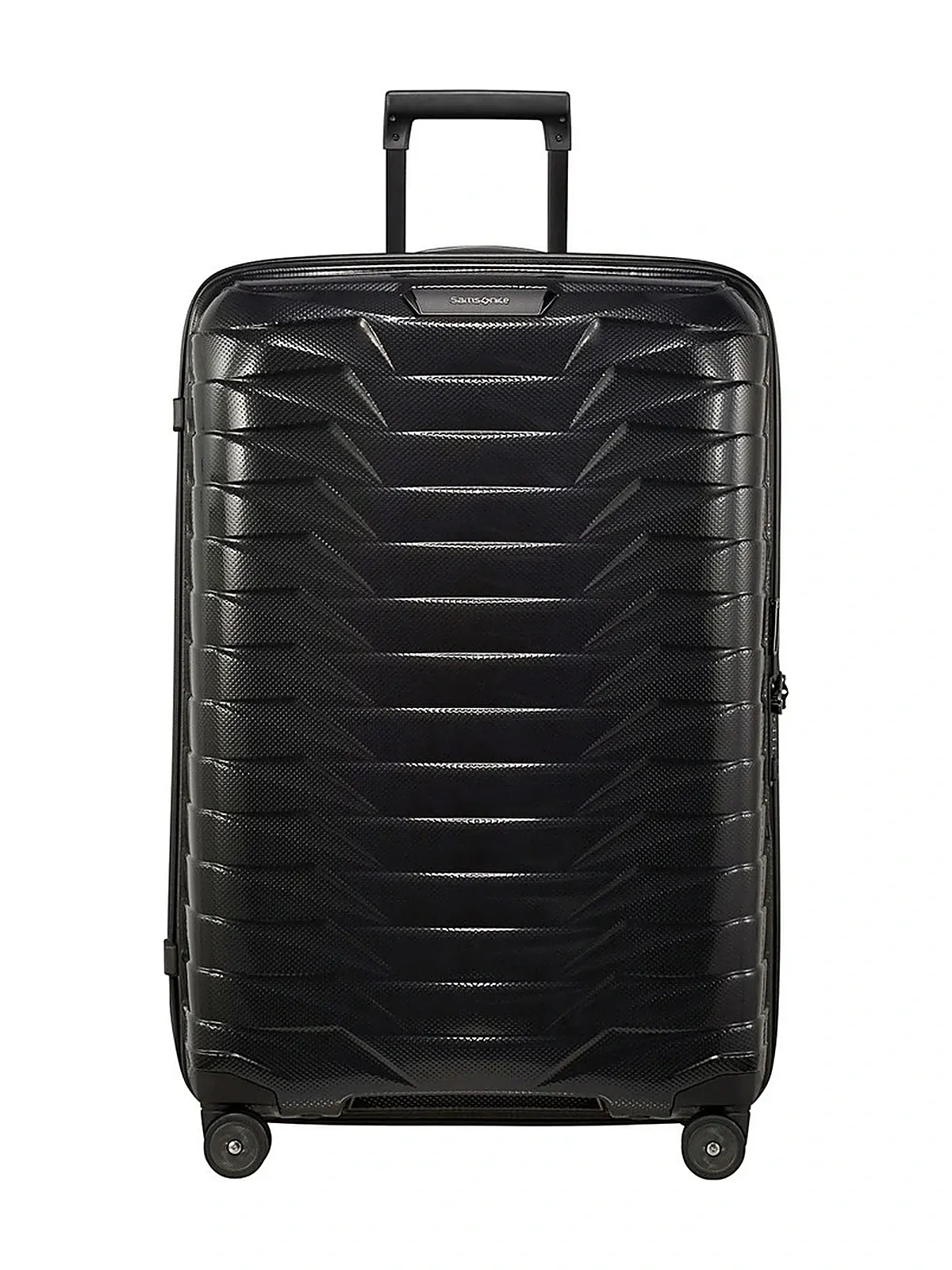
The most packing per dollar.
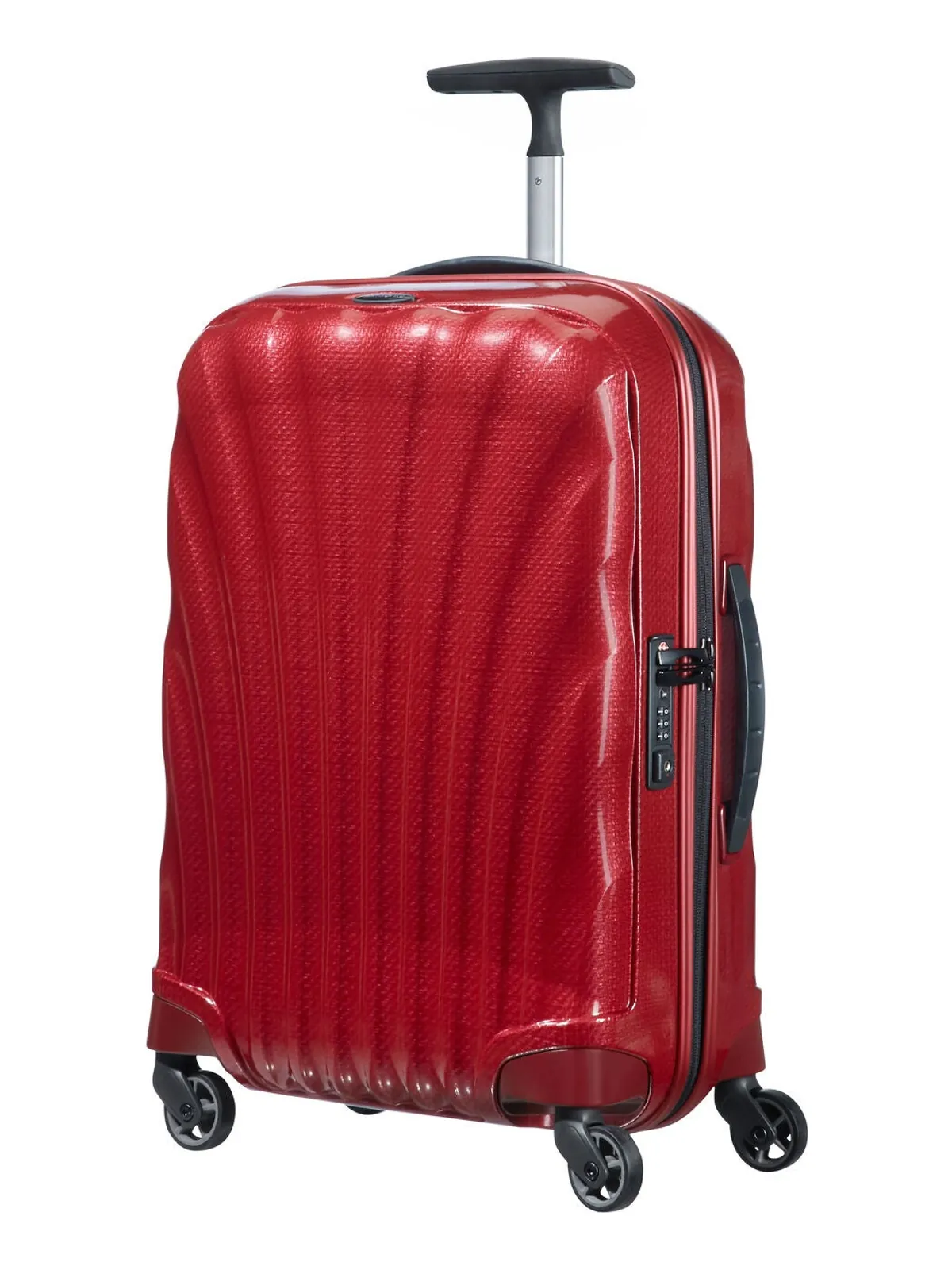
1.7 kg / 3.7 lb, leaving room for your clothes.
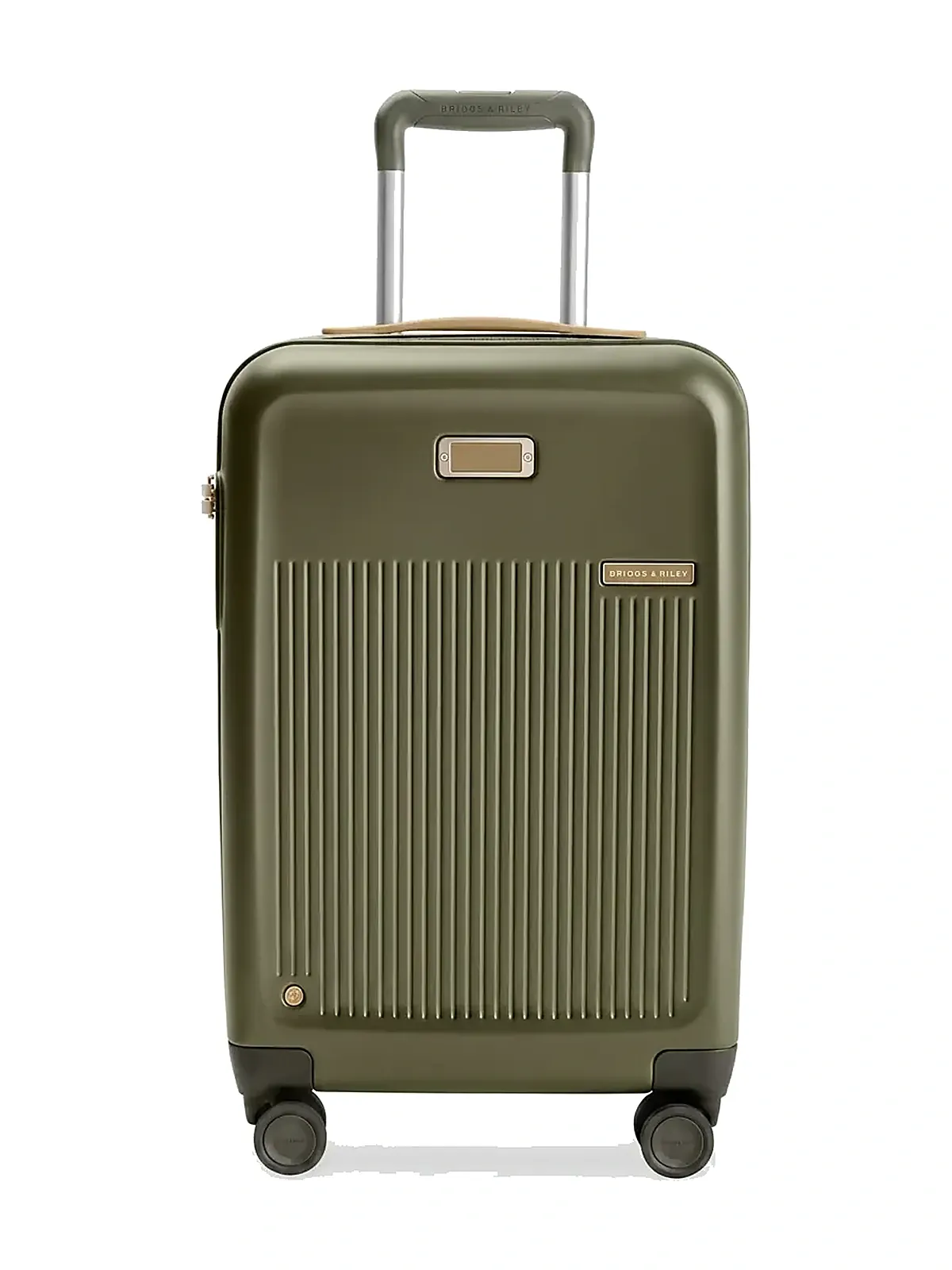
Lifetime repairs, including airline damage.
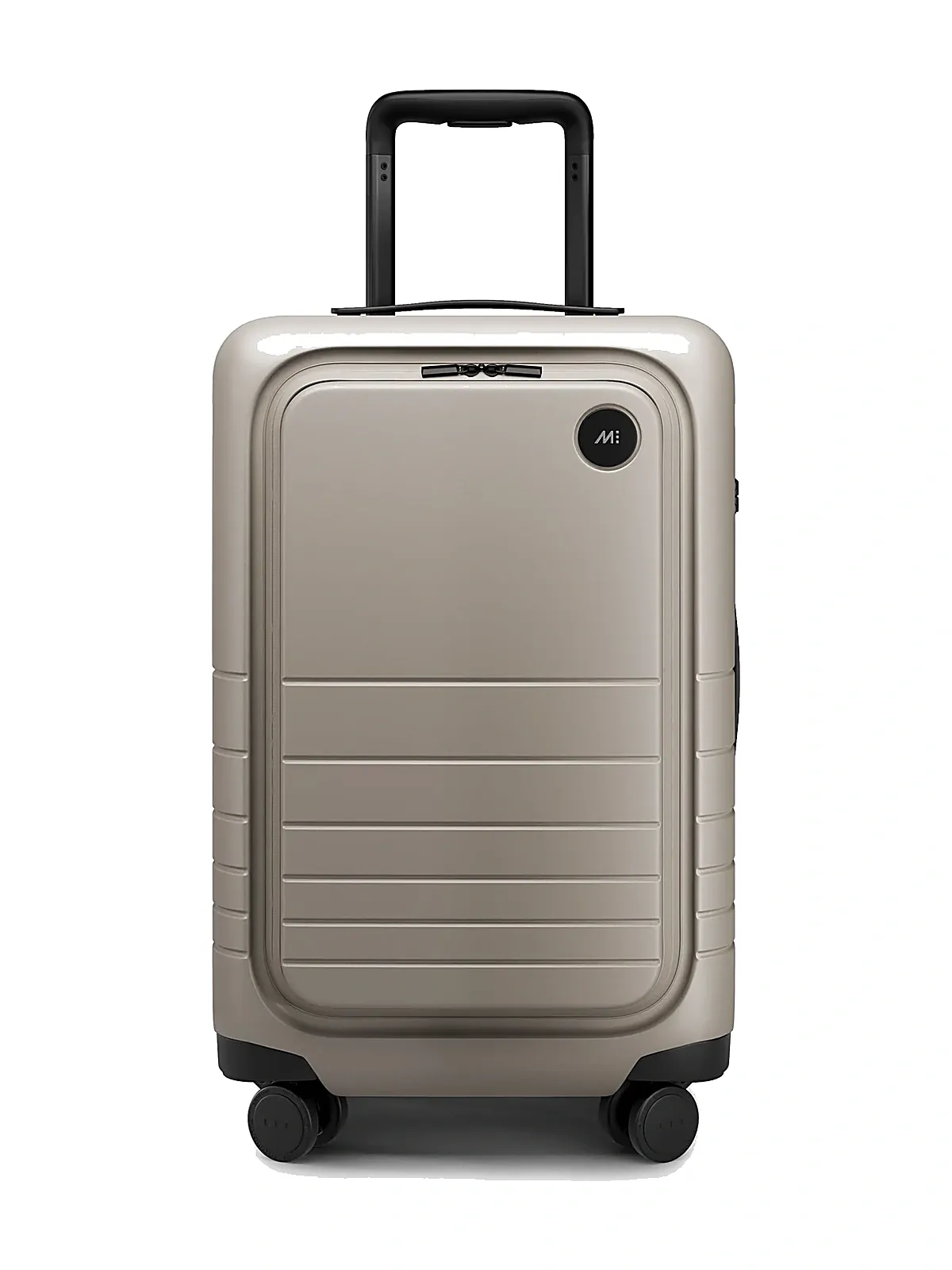
A polished carry on for $295.
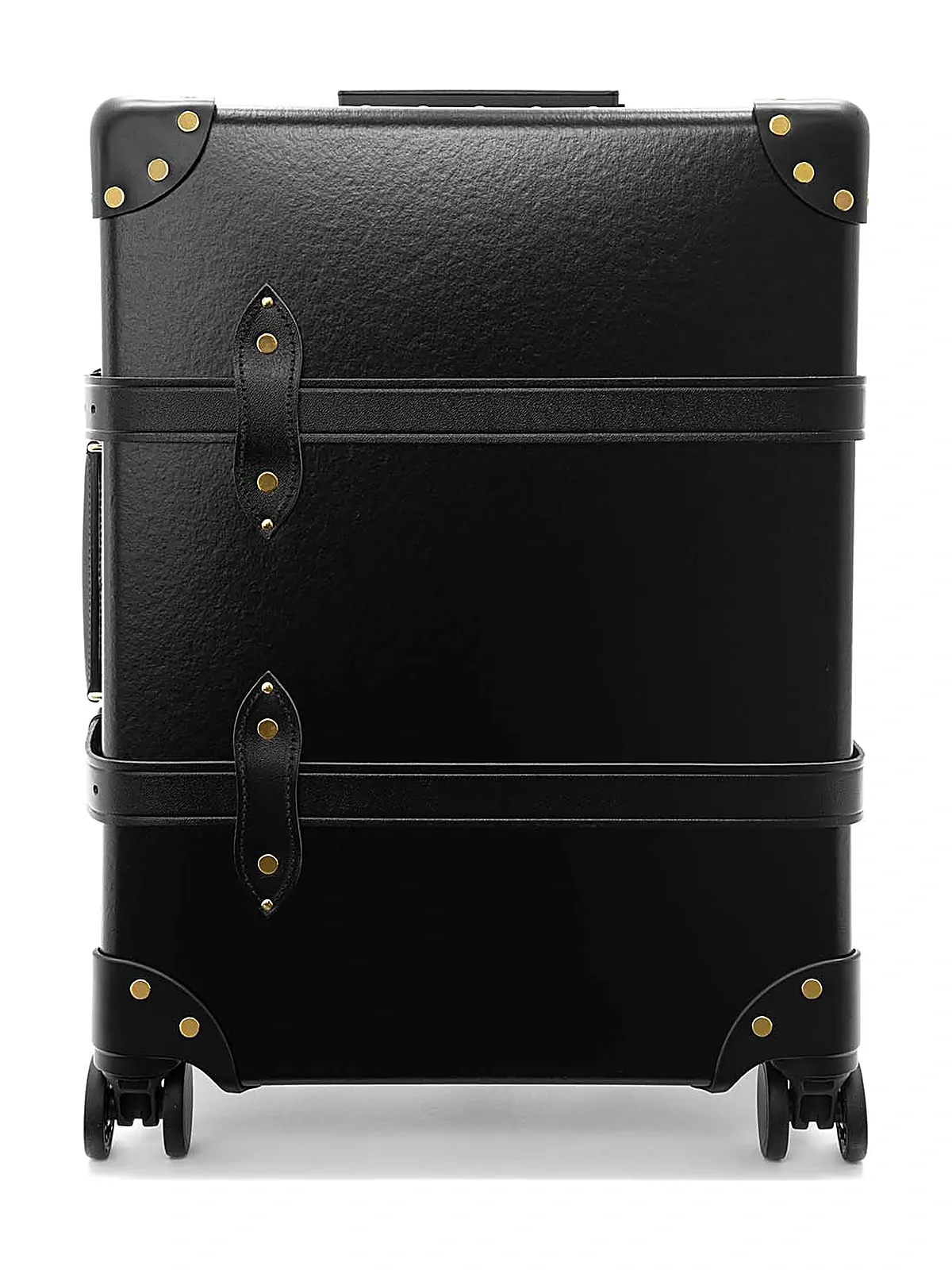
Factory repair and a case to hand down.
Prices are US list prices, with common sale pricing noted. Weight and capacity are the manufacturer figures for the exact size named.
| Case | Type | Price | Weight (kg / lb) | Size (cm / in) | Litres | Shell | Warranty | Best for | Check price |
|---|---|---|---|---|---|---|---|---|---|
| Carry on | $1,550 | 4.3 kg / 9.5 lb | 55 x 40 x 23 cm / 21.7 x 15.7 x 9.1 in | 35 L | Anodised aluminium | Lifetime guarantee on functional damage, transport damage excluded | A case you buy once and keep for twenty years | Check price | |
| Carry on | $500, often $350 | 1.7 kg / 3.7 lb | 55 x 40 x 20 cm / 21.7 x 15.7 x 7.9 in | 36 L | Curv (woven polypropylene) | Limited lifetime | Squeezing the most clothing out of a strict weight allowance | Check price | |
| Carry on | $695 | 3.9 kg / 8.6 lb | 53 x 38 x 23 cm / 20.9 x 15.0 x 9.1 in | 41 L | Polycarbonate with alloy frame | Lifetime, including airline damage | People who fly weekly and cannot afford a case to be out of service | Check price | |
| Carry on | $295 | 3.54 kg / 7.8 lb | 56 x 36 x 23 cm / 22.0 x 14.2 x 9.1 in | 36 L | German Makrolon polycarbonate | Limited lifetime | The best finish per dollar on this page | Check price | |
| Carry on | $645 | 4.85 kg / 10.7 lb | 58 x 37 x 24 cm / 22.8 x 14.6 x 9.4 in | 38 L | Aluminium | LifetimeCare, five years free repairs including airline mishandling, then repair support for life | Aluminium looks without Rimowa money | Check price | |
| Checked | $1,250 | 4.8 kg / 10.6 lb | 77 x 50 x 26.5 cm / 30.3 x 19.7 x 10.4 in | 85 L | High gloss polycarbonate | Lifetime guarantee on functional damage, transport damage excluded | Two week trips where the case still has to look immaculate on arrival | Check price | |
| Checked | $1,595 | 7.3 kg / 16.1 lb | 77.5 x 52 x 28 cm / 30.5 x 20.5 x 11.0 in | 84 L | Aluminium | 5 years | Long trips where the case is part of the outfit | Check price | |
| Checked | $600 | 3.4 kg / 7.5 lb | 78 x 55 x 29 cm / 30.7 x 21.7 x 11.4 in | 88 L | Roxkin | 10 year limited warranty | The most allowance efficient large case you can buy | Check price | |
| Checked | $475 | 5.4 kg / 11.9 lb | 76 x 51 x 30 cm / 29.9 x 20.1 x 11.8 in | 77 L | Recycled polycarbonate, vegan trim | Limited lifetime | Buyers who want the sustainability credentials to be real | Check price | |
| Checked | $3,795 | 6.2 kg / 13.7 lb | 76 x 51 x 38 cm / 29.9 x 20.1 x 15.0 in | 100 L | Vulcanised fibreboard, leather trim | Repairable indefinitely at the Hertfordshire factory | Slow travel, long stays and cases handed down rather than replaced | Check price |
Empty weight matters. Choosing the 1.7 kg (3.7 lb) Samsonite Cosmolite 3.0 instead of the 4.3 kg (9.5 lb) Rimowa leaves 5.3 kg (11.7 lb) rather than 2.7 kg (6.0 lb) for clothes on a 7 kg (15.4 lb) allowance.
These five choices cover low weight, long ownership, warranty protection, finish and aluminium value. For a focused five case test, read the Rimowa, Tumi and Away carry on comparison.
Buy it if you fly full service carriers often enough that the repair network is worth paying for. If you mostly fly Ryanair or Wizz, the weight alone rules it out.
Prices checked 15 October 2026
The rational choice. If your decision is purely about how much you can carry for how little, nothing else on this page beats it.
If your case is a work tool that must never be out of action, this is the one. You are paying for the claims process, and the claims process is genuinely excellent.
Prices checked 15 October 2026
The value pick for people who care how a case looks. Accept the service model based on shipping and it is very hard to beat at $295.
Prices checked 15 October 2026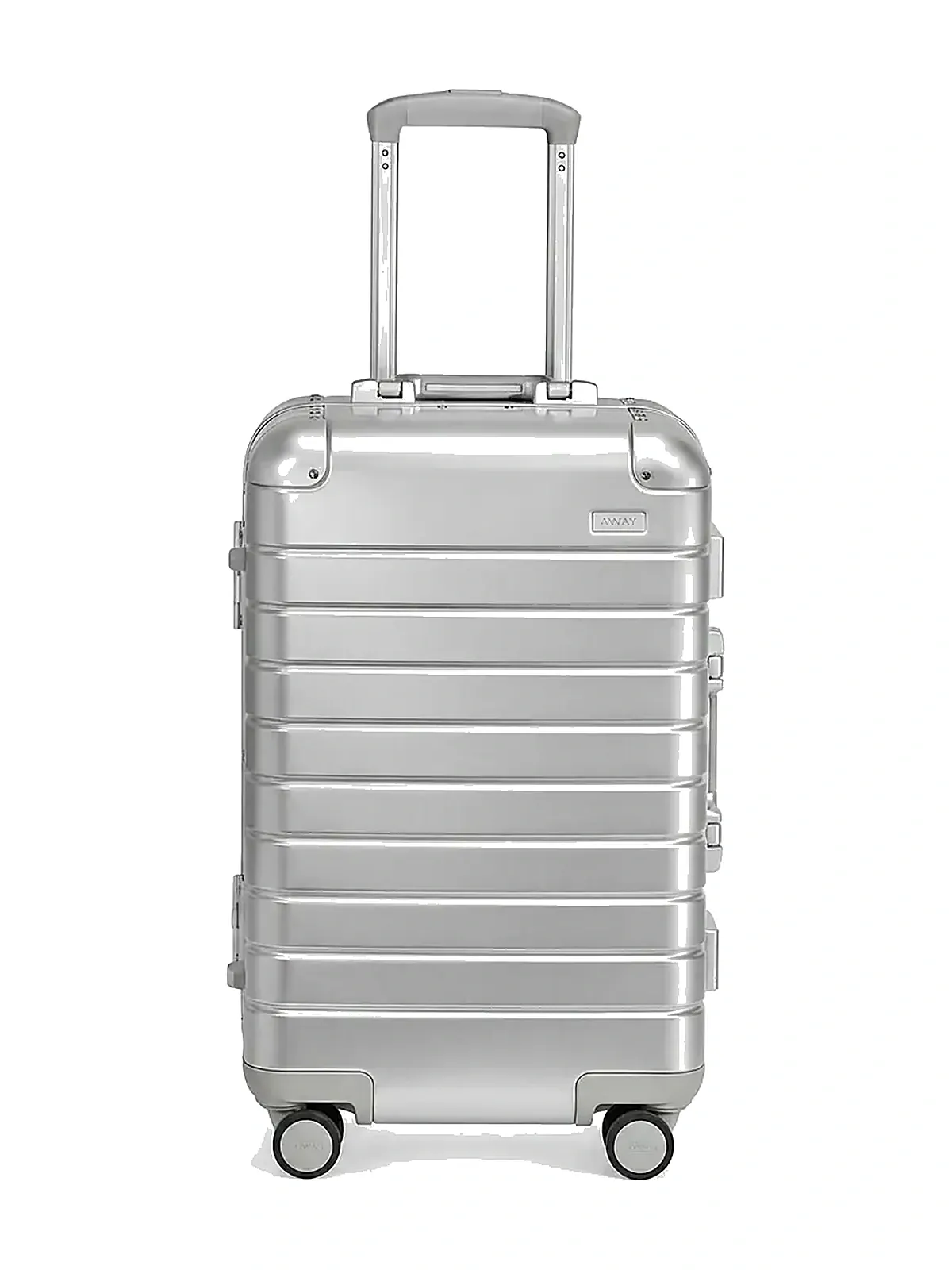
A good first aluminium case, provided you check your airline's cabin dimensions before you buy. On strict carriers it becomes a very smart small checked bag instead.
Prices checked 15 October 2026For checked luggage, empty case weight and repair access matter more than decorative detail.
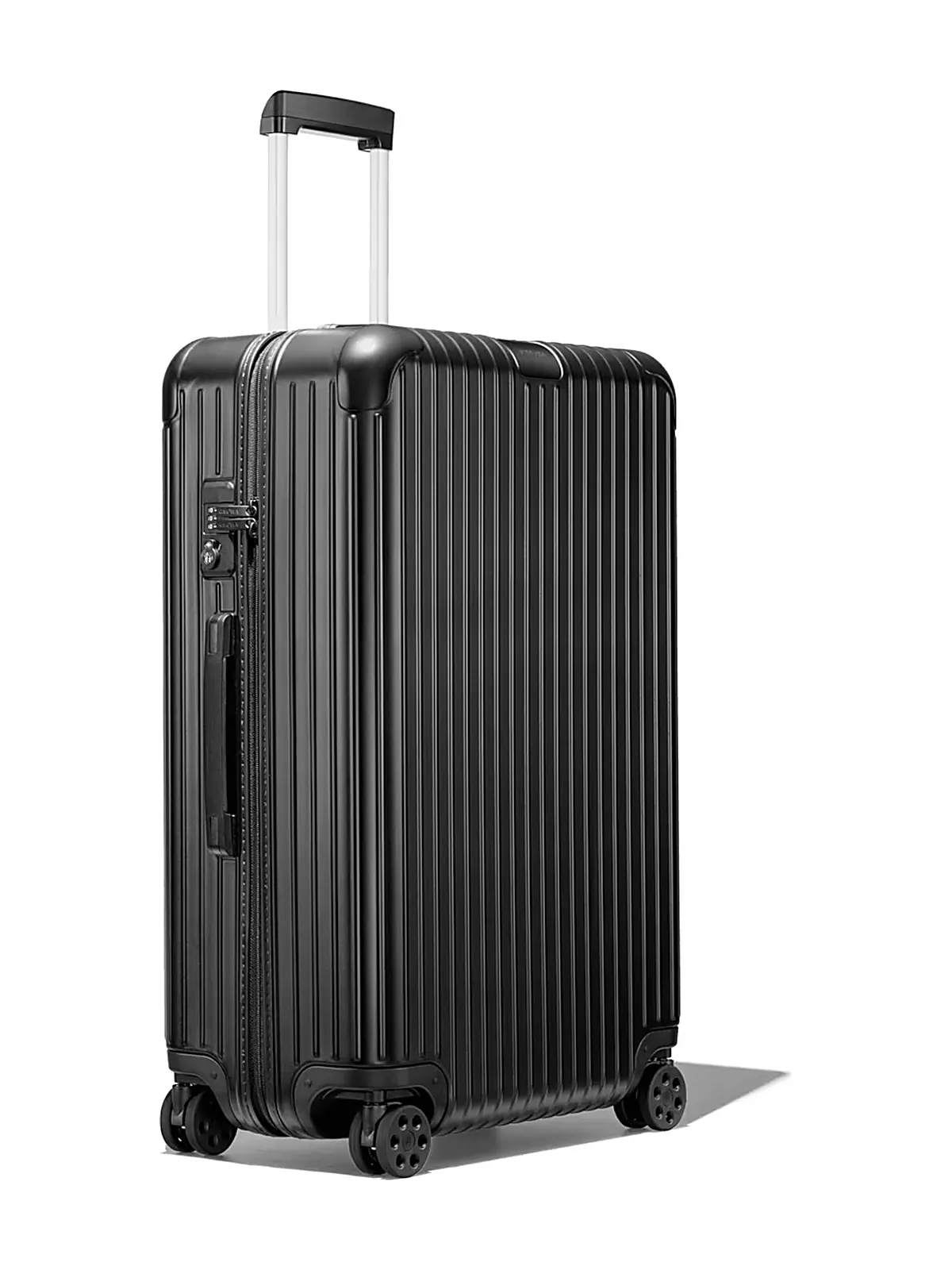
The best all round checked case I have used. Choose the matte finish over gloss if you care about how it looks after year one.
Prices checked 15 October 2026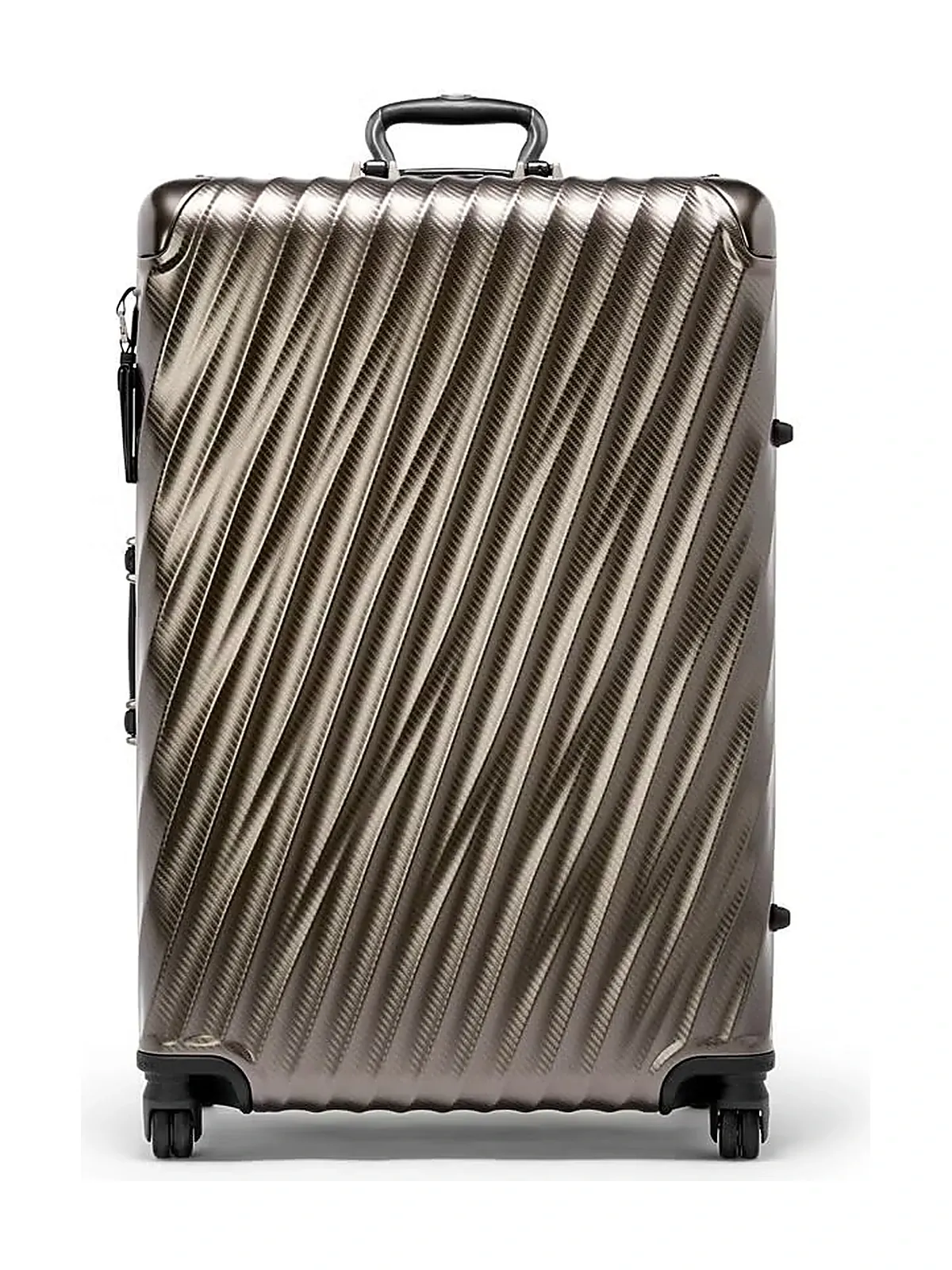
Buy this because you want it, not because the spreadsheet says so. On specification alone the Rimowa Essential is the better checked bag for less money.
Prices checked 15 October 2026
The one I recommend most often to people who simply want the best checked case for the money. Nothing else comes close on usable allowance.
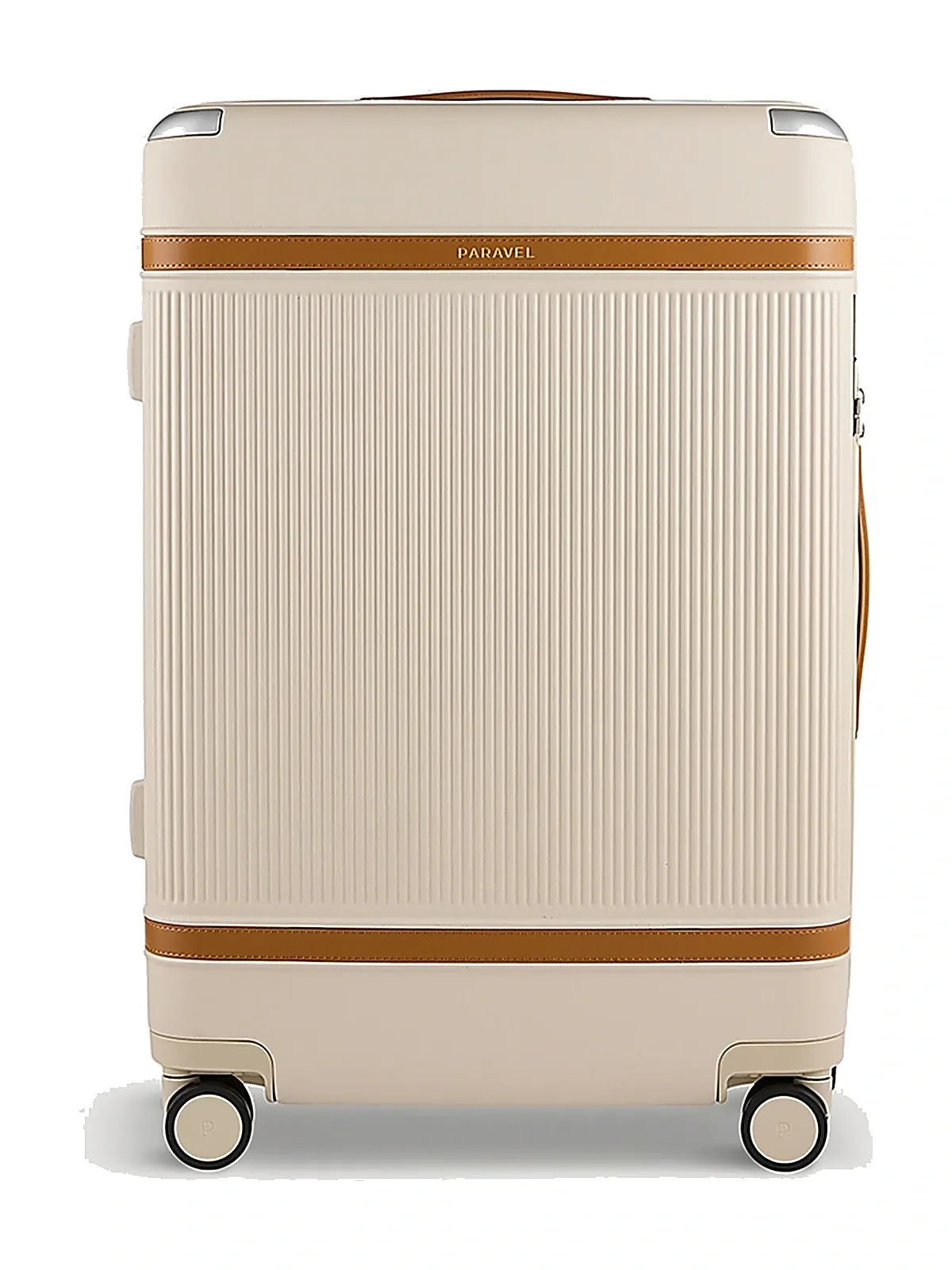
The best choice if sustainability is a real factor in the decision. If it is not, the Samsonite Proxis is lighter and holds more.
Prices checked 15 October 2026
An heirloom rather than a tool. Buy it for the train, the road trip and the long stay, and keep a Proxis for the flights.
Prices checked 15 October 2026| What matters | Rimowa Original Cabin | Samsonite Cosmolite 3.0 |
|---|---|---|
| Price | $1,550 | $500, often $350 |
| Weight | 4.3 kg / 9.5 lb | 1.7 kg / 3.7 lb |
| Warranty | Lifetime functional, transport damage excluded | Limited lifetime |
| Best for | Long ownership and walk in repairs | Strict cabin weight limits and value |
I compare shell weight and repair cover in Rimowa vs Samsonite.
Tumi is the more premium choice, with heavier, more structured cases and a five year warranty. Samsonite is far lighter and cheaper, and the Cosmolite 3.0 weighs less than a third of a Tumi 19 Degree. Choose Tumi for business travel and a polished look. Choose Samsonite if you fly airlines with strict weight limits or want to spend under $600.
| What matters | Tumi 19 Degree Extended Trip | Samsonite Proxis Large |
|---|---|---|
| Price | $1,595 | $600 |
| Weight | 7.3 kg / 16.1 lb | 3.4 kg / 7.5 lb |
| Litres | 84 L | 88 L |
| Warranty | 5 years | 10 year limited |
The look for less
Check priceThe premium alternative
Check priceThe value option
Check priceMonos costs $295 and weighs 3.54 kg (7.8 lb), against Rimowa's $1,550 and 4.3 kg (9.5 lb). Rimowa holds 35 L and Monos 36 L. Globe Trotter is the slower travel heirloom, while Rimowa is the better airport tool.
Lifetime functional guarantee
Airline damage coveredNoLimited lifetime for Cosmolite, 10 years for Proxis
Airline damage coveredNo5 years
Airline damage coveredNoLifetime
Airline damage coveredYesLifetimeCare, 5 years free repairs then lifetime support
Airline damage coveredYesLimited lifetime
Airline damage coveredOnly with paid Lifetime Warranty+Checked 15 October 2026 on each brand's own warranty page.
American, Delta, United, Alaska and JetBlue allow carry ons up to 22 x 14 x 9 inches including wheels and handles. Many premium cases are built to the European 55 x 40 cm size, so they run slightly wider than 14 inches. Gate checks are rare on full service fares but more likely on basic economy.
| Case | Size in inches | Versus 22 x 14 x 9 |
|---|---|---|
| Rimowa Original Cabin | 21.7 x 15.7 x 9.1 in | About 1.7 in wider |
| Samsonite Cosmolite 3.0 Spinner | 21.7 x 15.7 x 7.9 in | About 1.7 in wider |
| Monos Carry On Pro | 22.0 x 14.2 x 9.1 in | Within a quarter inch |
| Away Bigger Carry On, Aluminum Edition | 22.8 x 14.6 x 9.4 in | Slightly over on all sides |
| Briggs & Riley Sympatico Global Carry On Expandable Spinner | 20.9 x 15.0 x 9.1 in | About 1 in wider |
The status pick, several thousand dollars
Minimal aluminium alternative
$268, popular expandable carry on
These are the cases from this review that are discounted at the moment. Everything else we link sits at full list price.
Prices last checked 19 September 2026.
$500.00$350.0030 percent off
$219.99$153.9930 percent off
Shell material determines weight, impact behaviour and repair options. Samsonite uses Curv for low weight and Roxkin for checked capacity.
I compare the same published price, material, weight, capacity, dimensions, warranty and repair information for every case. Affiliate availability does not change the order.
Rimowa is the best all round luxury brand thanks to its aluminium build and walk in repair boutiques. Briggs & Riley wins on warranty, and Samsonite wins on value per kilogram.
Yes, if you fly often and keep cases for years. Repairs and strong resale offset the price, but at 4.3 kg (9.5 lb) the Original Cabin suits full service airlines best.
The Samsonite Cosmolite 3.0 carry on weighs 1.7 kg (3.7 lb). That leaves far more of a strict cabin allowance for your clothes.
Briggs & Riley repairs for life, including airline damage. Away now offers five years of free repairs including airline mishandling, and Rimowa covers functional damage for life.
Aluminium lasts longest and looks better with age, but it is heavier and dents. Polycarbonate and Curv are lighter and flex back after knocks.
Rimowa, Louis Vuitton, Globe Trotter and Tumi are the most common choices. Many frequent flyers also choose Briggs & Riley for the warranty.
The Away Bigger Carry On, Aluminum Edition gives the look for $645. The Tumi 19 Degree is the premium alternative, and Samsonite is the value option.
Tumi is more premium and heavier, with a five year warranty. Samsonite is lighter and far cheaper, so it suits strict weight allowances.
Most US airlines allow 22 x 14 x 9 inches. Many premium cases are built to the European 55 x 40 cm size and run slightly wider, so check your fare rules if you fly basic economy.
Spending $250 to $700 buys an excellent case. Above $1,000 you pay for materials, repair networks and resale value.
Usually, because their wheels, handles and repair support are better. A cheaper case with a strong warranty can still outlast a pricier one.
Our Samsonite links go to the US store and ship within the US. Readers elsewhere should check their local Samsonite site.
Compare all ten, then buy for repair access, empty weight and capacity rather than the badge alone.
Read the Rimowa verdict