
Hotel review · 2026
Aman Tokyo Review: Is the Otemachi Tower Icon Still Worth It in 2026?
Aman Tokyo review for 2026: all seven suite types with sizes, the 30m pool and onsen style spa, real prices by season, drawbacks and when Janu Tokyo is smarter.
The quick answer
Aman Tokyo is still one of the two or three best city hotels in Japan. It fills the top six floors of Otemachi Tower near the Imperial Palace, with 84 rooms from 71 square metres. The 30 metre stone pool, two floor spa and washi paper lobby are the reasons to book. Expect from about US$1,500 a night in quiet months and far more in cherry blossom season. It suits couples who want calm; it does not suit anyone who wants nightlife on the doorstep.
Verdict Aman Tokyo remains the calmest, most architecturally striking luxury hotel in central Tokyo, and the spa alone justifies the price for most couples, but newer rivals now match it on food and energy.
We may earn a commission when you use our links, at no extra cost to you. How rankings and funding work.
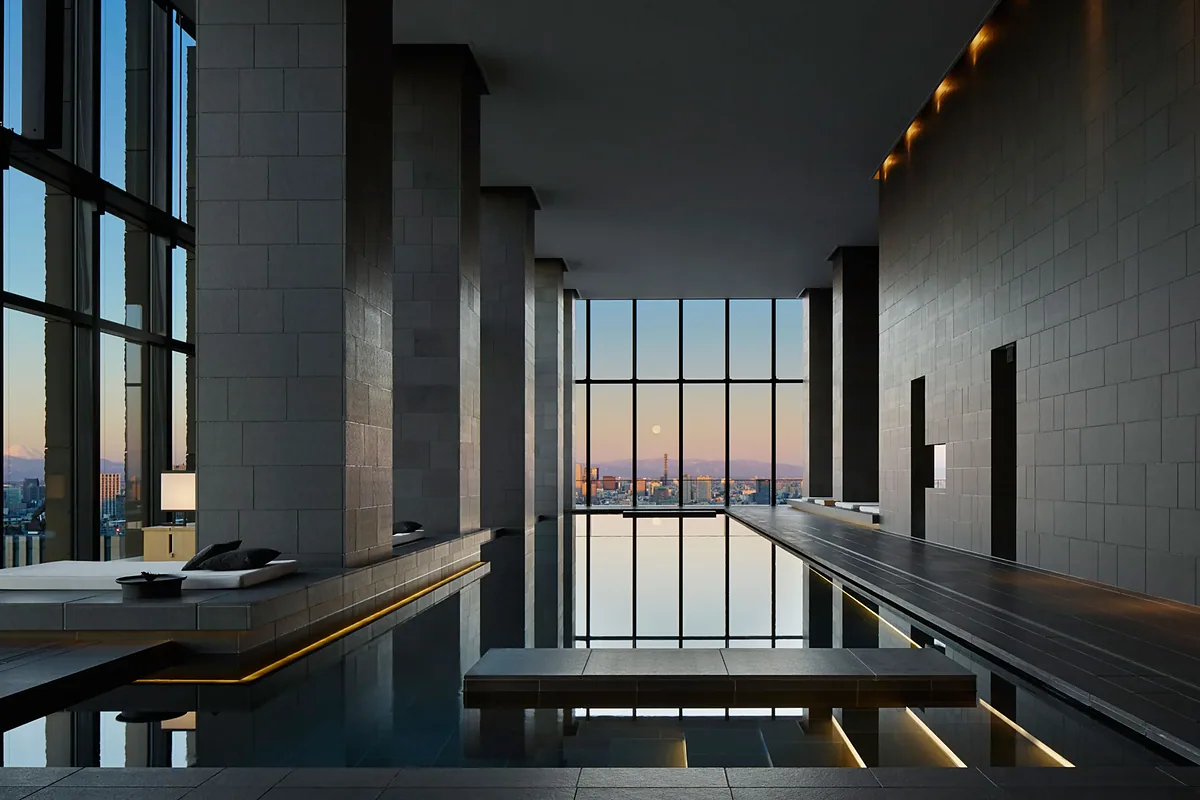
1 of 7The 30 metre basalt lined pool at dusk with city views through full height windows 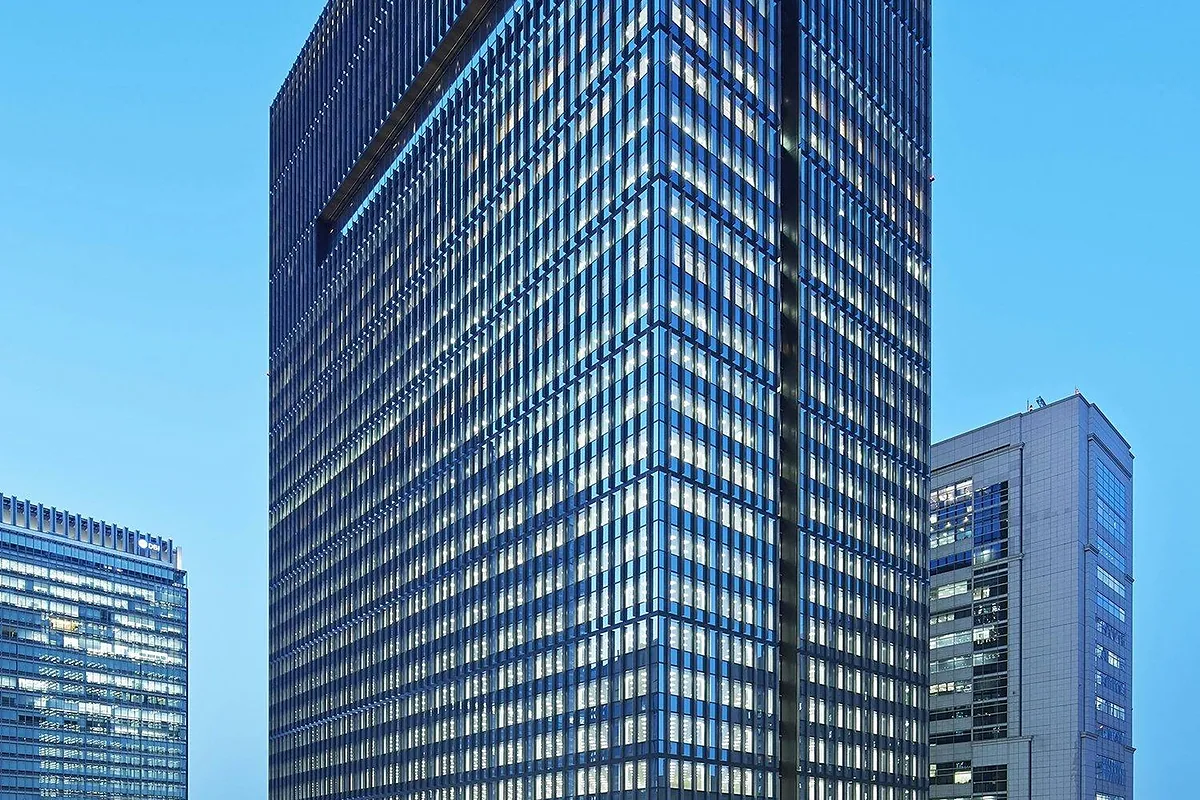
2 of 7The 33rd floor lobby lounge under the soaring washi paper ceiling 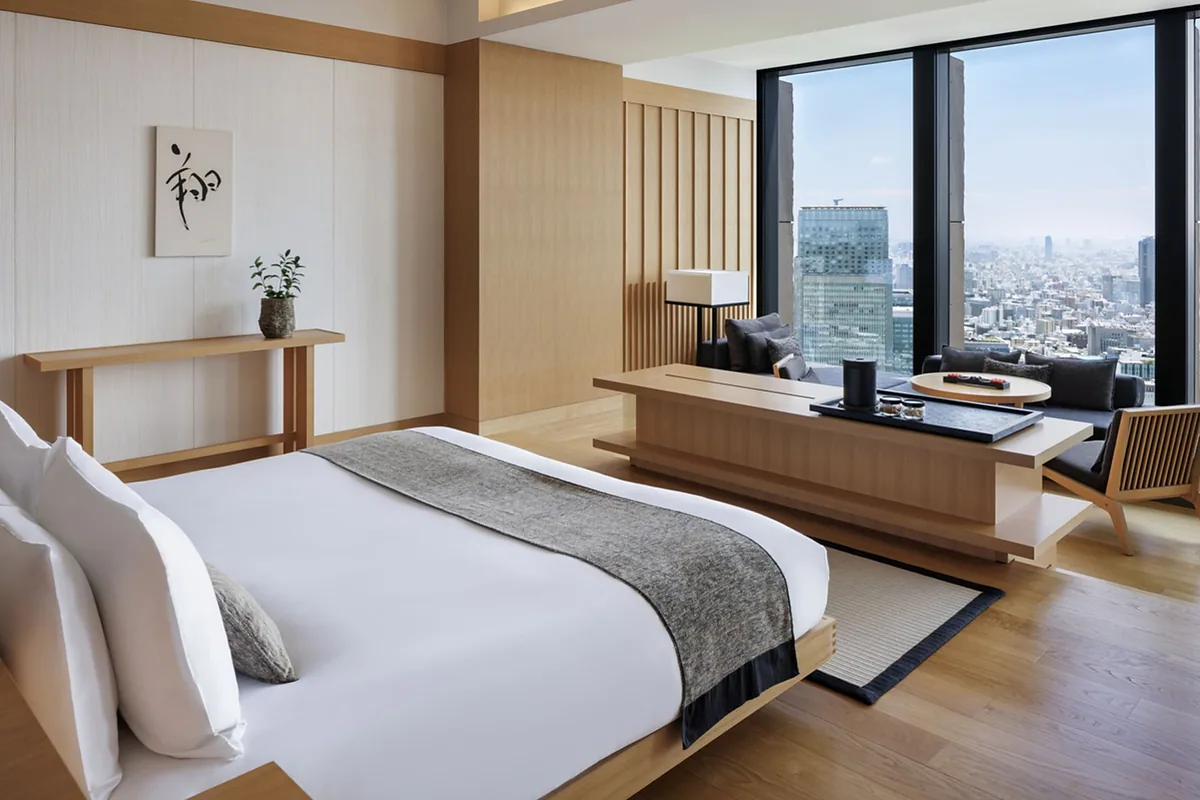
3 of 7Stone furo bathtub beside a window overlooking the Imperial Palace gardens 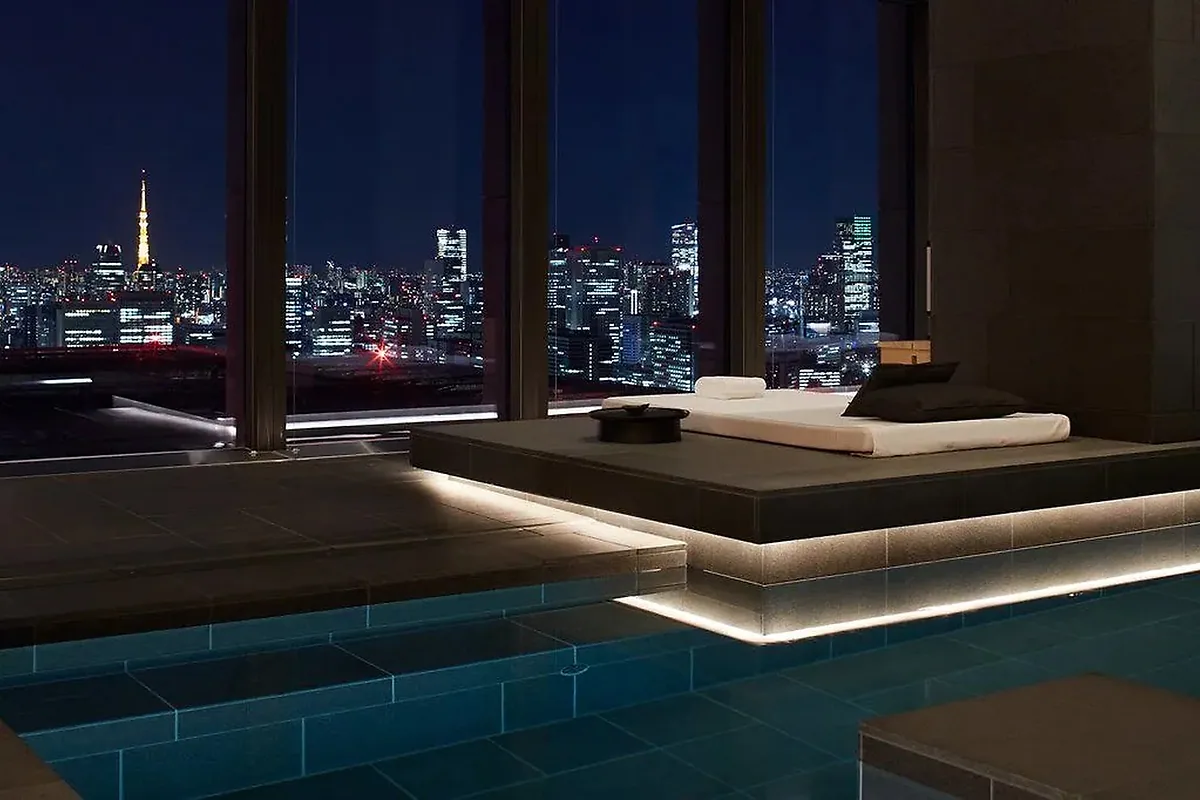
4 of 7Suite bedroom with low platform bed and palace garden views 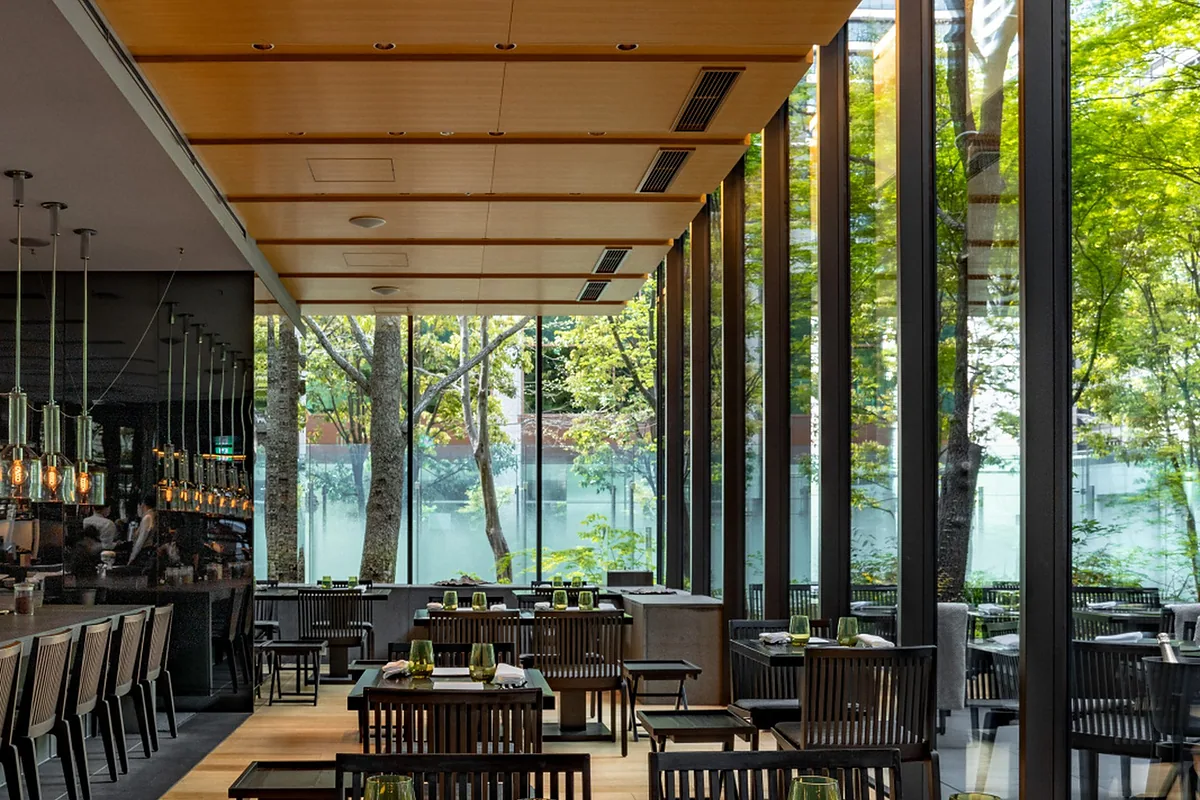
5 of 7Suite living area with sunken sofa and Otemachi skyline 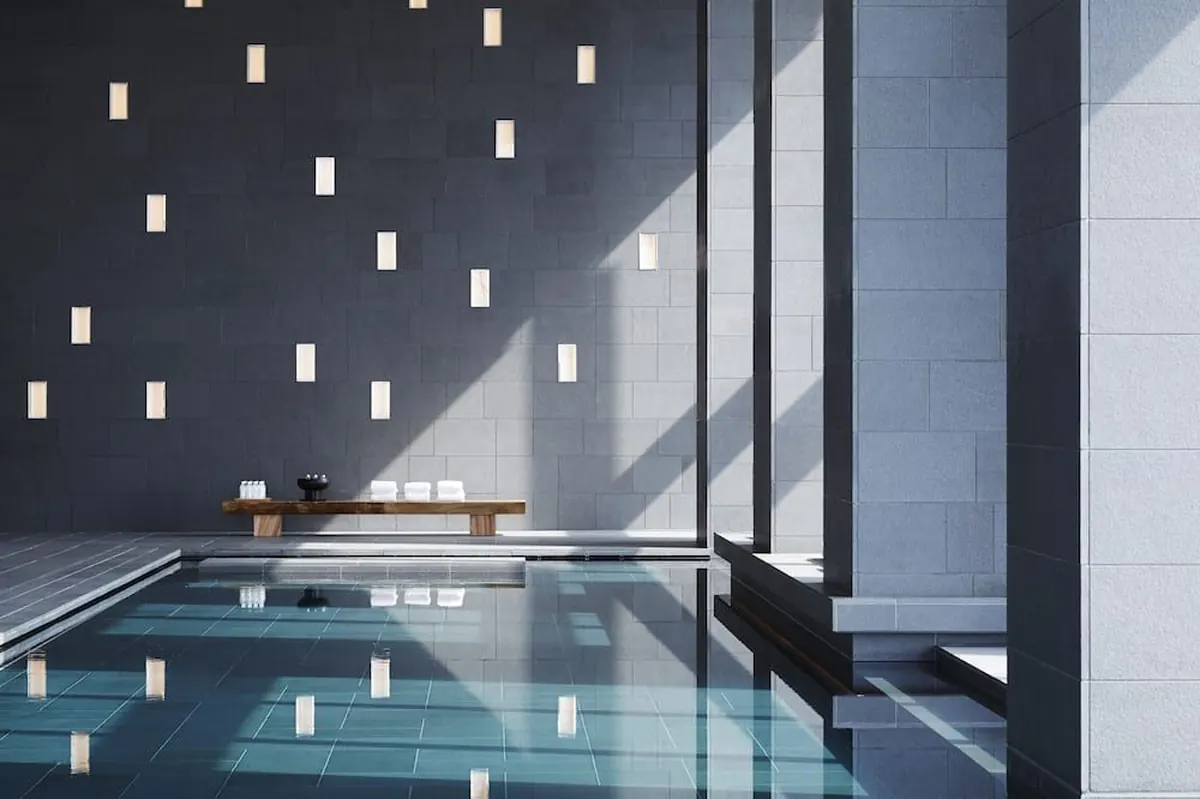
6 of 7Onsen style bathing pool in the spa with stone walls 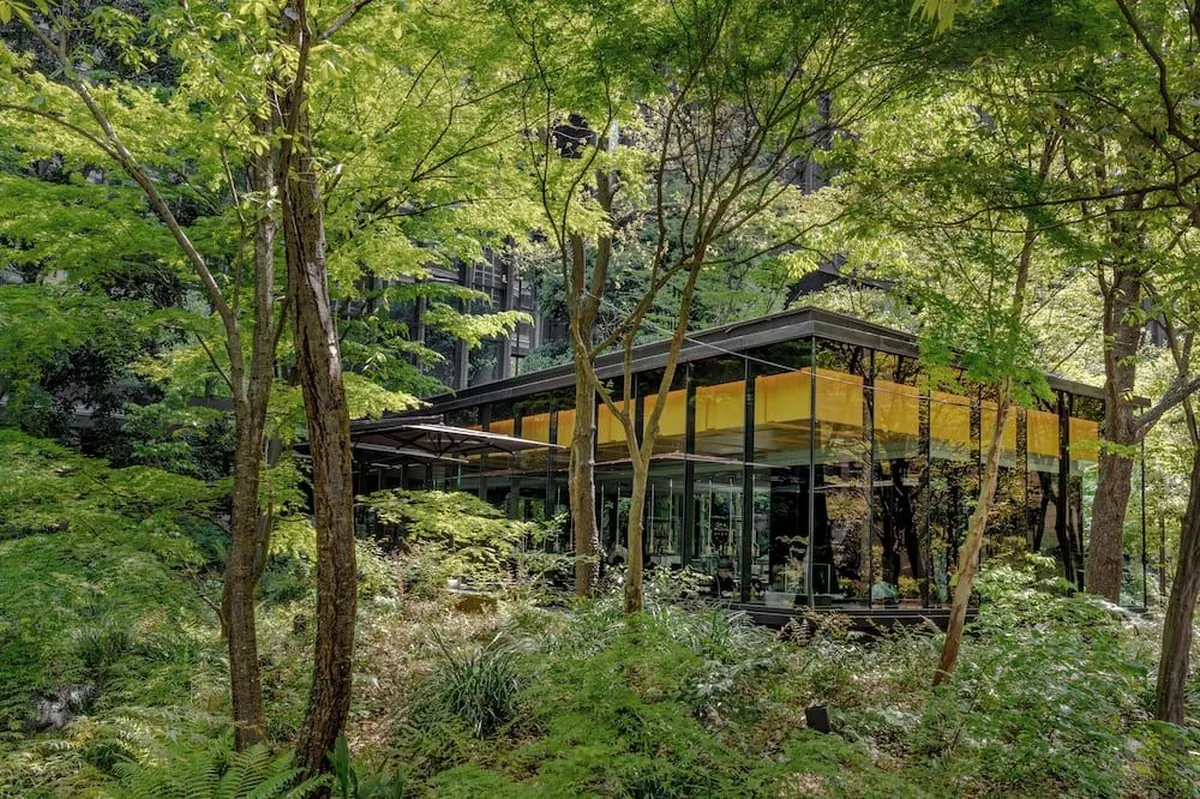
7 of 7The Café by Aman pavilion in the trees of Otemachi Forest
What Aman Tokyo is like
Aman Tokyo opened in late 2014 as Aman's first city hotel, and more than a decade later it still sets the tone for what a quiet, grown up Tokyo stay can feel like. Australian practice Kerry Hill Architects designed it as a modern reading of a traditional Japanese house, only stacked high above the financial district. Basalt, pale wood, washi paper and stone carry through every space.
The arrival is the part everyone remembers. A lift from street level opens onto the 33rd floor lobby, where the ceiling rises roughly 30 metres to a lantern of translucent washi paper. Below it sits a stone garden and a lounge framed by full height windows looking west across the Imperial Palace grounds toward Shinjuku and, on clear winter mornings, Mount Fuji.
The hotel takes floors 33 to 38 of Otemachi Tower, with 84 rooms and suites. That is small for a tower hotel, and the effect is hushed corridors and staff who, in most reviews, learn your preferences quickly. At ground level the tower sits inside Otemachi Forest, a planted urban woodland where The Café by Aman serves tea and pastries under the trees.
Guest feedback is overwhelmingly positive. Trip.com shows a 9.6 out of 10 score across more than 160 verified stays, with location and service rated highest. The recurring caveat is that Aman Tokyo is a mood rather than a scene.
The rooms and suites
Aman renamed its categories in recent years, so every room is now marketed as a suite. Older blog reviews refer to a "Deluxe Room" (71 square metres) and "Premier Room" (about 78 square metres); these correspond broadly to today's Deluxe Suite and Tokyo Suite. Every category has floor to ceiling windows, a low platform bed, shoji screens, washi paper panels and a deep stone furo bathtub set against the glass, which many guests name as the single best feature of the room.
| Category | Size | Views and layout | Best for |
|---|---|---|---|
| Deluxe Suite | 71 sqm (764 sq ft) | Faces west; skyline and sunsets, Mount Fuji on clear days. King or twin | Most couples; best value for the view |
| Garden View Suite | 71 sqm (764 sq ft) | On the 38th floor, looking over the Imperial Palace gardens | Daytime greenery lovers, cherry blossom and autumn visits |
| Tokyo Suite | 77 sqm (829 sq ft) | Faces east over the city; morning light | Early risers and longer stays |
| City Suite | 121 sqm (1,302 sq ft) | Faces northeast; separate bedroom and living room | Couples wanting space to entertain or work |
| Panorama Suite | up to 139 sqm (1,497 sq ft) | Corner suites with windows on two sides; living, dining, powder room | Special occasions, the best views per dollar among the big suites |
| Grand Suite | 141 sqm (1,517 sq ft) | Among the largest; wide city views | Couples who want the most space short of the top suite |
| Aman Suite | 157 sqm (1,689 sq ft) | The largest suite, top level views | Milestone trips where budget is secondary |
Sizes are from the official Aman Tokyo website. Minibar soft drinks are complimentary.
Which room to book
For most couples, the Deluxe Suite on a west facing high floor is the smart buy. It is the same 71 square metres as the Garden View Suite, it catches sunset over the skyline, and Mount Fuji appears on crisp days, especially from December to February. At night the city lights are far livelier than the palace grounds, which go dark.
Book the Garden View Suite if you are coming for cherry blossom or autumn leaves and will be in the room during daylight. Looking down on the palace moats and pines from the 38th floor is quietly spectacular.
Business travellers and anyone staying five nights or more should look at the Tokyo Suite. The extra six square metres help, and the east facing morning light suits jet lag.
Couples on a honeymoon or anniversary get the most from a Panorama Suite. Reviews note that the living rooms in the larger suites can feel more decorative than practical, so if you will not actually use a separate lounge, a Deluxe Suite plus a spa journey is better value.
See Aman Tokyo suite availability
Check the official site: https://www.aman.com/hotels/aman-tokyo (direct and advisor bookings can include breakfast, credits and upgrades)
Food and drink
Aman Tokyo runs five dining outlets.
Arva is the main restaurant, a refined Italian room led by Venice trained chef Masakazu Hiraki, who has worked at the hotel since its early years. It replaced the original Restaurant by Aman. Expect seasonal Japanese produce treated with a light southern Italian touch; some guests find the portions small for the price.
Musashi by Aman is the reason serious food travellers now book. Master chef Hiroyuki Musashi serves Edomae style omakase at a hinoki cypress counter. He grows his own sushi rice in Yamanashi Prefecture, cultivates wasabi, produces his own sake and throws some of the pottery. It opens for dinner from 5pm (last entry 8.30pm), closes Sundays and Mondays, and admits diners aged 13 and over. Note the official site lists a maintenance closure from 26 September to 7 October 2026. Book as soon as your dates are fixed.
The Lounge by Aman sits under the lobby lantern and serves all day, from seasonal afternoon tea to cocktails and a well known wagyu burger.
The Café by Aman at the foot of the tower in Otemachi Forest is the easygoing option, and La Pâtisserie by Aman on the B2 floor sells breads and cakes to take away.
Breakfast is à la carte rather than a buffet, with Western and Japanese sets served until 10.30am. Opinion is split: some reviewers rank it among the best hotel breakfasts in the world, while a minority find the Western menu ordinary.
Spa, pool and activities
The spa is the heart of Aman Tokyo. It spreads across roughly 2,500 square metres on two floors, which Aman bills as the largest and most comprehensive hotel spa in Tokyo.
The pool is 30 metres long, heated and lined in dark basalt, with a wall of glass looking over the city. On clear days you can see Mount Fuji while swimming lengths. Daybeds line the edge and an attendant brings water and towels. The spa facilities, including the pool, open from 6.30am to 10pm.
Separate men's and women's bathing areas follow the onsen tradition: hot baths, steam rooms and showers, used without swimwear. The water is not a natural hot spring, so think onsen style rather than onsen. If you have tattoos, ask the hotel about the current policy before you arrive.
There are eight treatment suites, each with its own changing room, steam shower, bath and relaxation space. Every treatment begins with the Misogi ritual, inspired by Shinto water purification. The Signature Spa Journey pairs a full body scrub with a massage blending shiatsu and Western technique. Recent reviewers report massages and facials around US$350 for 90 minutes, so budget accordingly.
The gym is open 24 hours with new Technogym equipment, and there are dedicated yoga and Pilates studios with Allegro reformers.
What it costs
Aman Tokyo does not publish a rate card, and prices swing hard with season and demand. The ranges below are indicative from searches across booking sites and the official site in 2026, before taxes and charges.
| Season | Months | Deluxe Suite | City or Panorama Suite |
|---|---|---|---|
| Quiet | January to February, June to mid July, midweek | from about US$1,500 | from about US$4,000 |
| Shoulder | May (after Golden Week), September to October, early December | from about US$1,800 to US$2,200 | from about US$4,500 |
| Peak | Late March to mid April, Golden Week, mid to late November, New Year | from about US$2,500 to US$3,000 plus | US$6,000 to US$7,000 plus |
Old reviews quoting around US$800 a night date from the hotel's early years and no longer reflect reality.
What drives the price: cherry blossom dates, autumn foliage, big conferences in the Marunouchi business district, and the yen.
Taxes and fees: Japan adds 10 per cent consumption tax, and luxury hotels typically add a service charge; confirm the exact figure on your booking screen. Tokyo's accommodation tax is currently a flat ¥200 per person per night at this price level. From April 2027 Tokyo plans to switch to a 3 per cent tax on the room charge, which on a US$2,000 night adds about US$60.
Meal plans: rates are room only unless a package or advisor booking includes breakfast. Advisor programmes such as Virtuoso often add daily breakfast, a food and beverage credit, a room upgrade on availability and early check in or late check out.
Getting there
From Haneda Airport the drive takes about 40 minutes. A fixed fare taxi from Haneda to Chiyoda costs about ¥7,600 (roughly US$50) plus tolls, or ¥9,000 late at night. From Narita, allow about 60 minutes by car; a fixed fare taxi runs around ¥26,000 (roughly US$175) plus tolls. The hotel arranges private car transfers; ask for the current price when you book.
Otemachi Station, served by five subway lines, connects directly to the tower. Tokyo Station, with Shinkansen trains to Kyoto, is about 5 minutes on foot. The Imperial Palace East Gardens are roughly a 10 minute walk, Ginza about 20 minutes, and Shinjuku or Shibuya 15 to 25 minutes by taxi.
Best time to go
Late March to early April brings cherry blossom along the palace moats, including Chidorigafuchi, and the highest prices of the year. Mid November to early December is the second peak, with ginkgo and maple colour in the gardens below. January and February are cold but clear, offering the best odds of seeing Mount Fuji from the pool and some of the lowest rates. June to mid July is rainy season and August is hot and humid, though the hotel is an excellent place to wait out the weather. See our best time to visit Japan guide.
The honest drawbacks
- Otemachi is quiet after dark. It is a business district. Great for sleep, less so for evening wandering; you will take taxis for dinner in Ginza, Azabu or Shibuya.
- The lobby can feel busy. Afternoon tea brings in many non residents, which dents the private house feel.
- Limited Japanese dining in house. Musashi is superb but tiny and closed two nights a week; Arva is Italian.
- Service lapses happen. Reviewers mention late turndown and housekeeping timing, and a few say staff did not remember preferences the way resort Amans do.
- Some wear. A handful of recent guest reviews mention a damp wood smell in rooms and small televisions. The hotel is over a decade old and it occasionally shows.
- Stronger competition. Bulgari Tokyo, Janu Tokyo and the newly renovated Park Hyatt Tokyo all opened or reopened after Aman, and some travellers now find Aman more austere by comparison.
Who should book, and who should not
Book Aman Tokyo if you value calm above all, want a spa and pool you will actually use every day, love architecture, or are starting or ending a Japan trip by Shinkansen from Tokyo Station. It is also ideal for Aman loyalists pairing it with Aman Kyoto or Amanemu.
Skip it if you want a lively bar scene downstairs, a large choice of in house Japanese restaurants, kids facilities, or the energy of Shinjuku and Shibuya.
Aman Tokyo vs Janu Tokyo
Janu is Aman's younger, more social sister brand, and Janu Tokyo opened in March 2024 in Azabudai Hills. It has 122 rooms (41 of them suites), eight restaurants and bars including Iigura for sushi, Sumi for charcoal omakase and Hu Jing for Cantonese, and about 4,000 square metres of spa and fitness space with a 25 metre lap pool and two private spa houses. Rooms sit lower in a residential tower and many have balconies.
In short: Aman Tokyo is the sanctuary, Janu Tokyo is the scene. Janu launched from about US$950 a night and typically prices somewhat below Aman Tokyo. Choose Janu for food variety, a younger crowd and Azabu and Roppongi on foot; choose Aman for silence, bigger entry rooms and the lobby view.
Alternatives to Aman Tokyo
- Park Hyatt Tokyo, Shinjuku. Reopened on 9 December 2025 after a 19 month renovation by Studio Jouin Manku, now with 171 rooms. Choose it for the Lost in Translation views and bar culture. See our full Aman Tokyo vs Park Hyatt Tokyo comparison.
- Bulgari Tokyo, Yaesu. High above Tokyo Station in Tokyo Midtown Yaesu; more glamorous and Italian in spirit, with a strong spa and bar.
- Janu Tokyo, Azabudai Hills. Aman's social sister, better for food and energy, usually a little cheaper.
- Palace Hotel Tokyo, Marunouchi. Faces the palace moat directly, with many balcony rooms and a lower price point for similar location.
Check Palace Hotel Tokyo prices
For the full field, see our list of the best luxury hotels in Tokyo.
FAQ
How much does Aman Tokyo cost per night?
Aman Tokyo usually starts from about US$1,500 a night for a 71 square metre Deluxe Suite in quiet months such as February or June. In cherry blossom season and mid November, the same room often exceeds US$2,500 to US$3,000. Consumption tax, a service charge and Tokyo's accommodation tax are added on top, so compare final prices.
Is Aman Tokyo worth the money?
For couples who want calm, space and a genuinely great spa, yes. The 71 square metre entry rooms, the 30 metre pool and the lobby are hard to match in Tokyo. If you mainly want nightlife or many restaurant choices in house, Janu Tokyo, Bulgari Tokyo or Park Hyatt Tokyo may give you more for the same money.
What floor is Aman Tokyo on?
Aman Tokyo occupies the top six floors of the 38 storey Otemachi Tower, floors 33 to 38. You check in at the 33rd floor lobby beneath a 30 metre washi paper ceiling. Rooms run from the 35th floor upward, and the Garden View Suites are on the 38th floor overlooking the Imperial Palace gardens.
Can you see Mount Fuji from Aman Tokyo?
Yes, on clear days. Mount Fuji sits to the west, so west facing Deluxe Suites, the lobby lounge and the pool offer the best chance. Winter mornings from December to February are the most reliable; summer haze often hides it completely.
Does Aman Tokyo have an onsen?
It has onsen style baths rather than a natural hot spring. Separate men's and women's areas include hot baths, steam rooms and showers, used without swimwear in the Japanese tradition. Every room also has a deep stone furo tub by the window, which many guests rate as the highlight.
How far is Aman Tokyo from the Imperial Palace?
The Imperial Palace East Gardens are about a 10 minute walk from the hotel, and the Garden View Suites look straight down over the palace grounds. Tokyo Station is around 5 minutes on foot, and Otemachi Station connects directly to the building.
Is Aman Tokyo good for families?
It welcomes children and provides child friendly amenities, but there is no kids club, Musashi by Aman only admits diners aged 13 and over, and the mood is very quiet. Families with young children may prefer a hotel with more space to play.
What is the difference between Aman Tokyo and Janu Tokyo?
Both belong to Aman. Aman Tokyo has 84 rooms high in Otemachi Tower and focuses on stillness. Janu Tokyo, opened in 2024 in Azabudai Hills, has 122 rooms, eight restaurants and bars and a larger, more social wellness centre. Janu usually costs somewhat less.
Is breakfast included at Aman Tokyo?
Not on standard rates. Breakfast is à la carte, with Western and Japanese sets, served until 10.30am. Booking through a luxury travel advisor programme such as Virtuoso often adds daily breakfast for two, plus a hotel credit and an upgrade when available.
When is the best time to stay at Aman Tokyo?
Late March to early April for cherry blossom and mid November for autumn colour, if you can pay peak prices. For value and Fuji views, January and February are excellent. Avoid Golden Week in early May if you want quieter streets and lower rates.
Keep reading
Sources
- https://www.aman.com/resorts/aman-tokyo
- https://www.aman.com/resorts/aman-tokyo/rooms-suites
- https://www.aman.com/hotels/aman-tokyo/dining
- https://www.aman.com/hotels/aman-tokyo/dining/musashi-aman
- https://www.aman.com/hotels/aman-tokyo/wellness
- https://www.forbes.com/sites/forbes-personal-shopper/article/aman-tokyo-review/
- https://onemileatatime.com/aman-tokyo-review/
- https://theluxurytravelexpert.com/review-aman-tokyo/
- https://dorsiatravel.com/review-aman-tokyo-2025-update/
- https://www.annees-de-pelerinage.com/aman-tokyo-review-best-hotel-tokyo/
- https://www.trip.com/hotels/tokyo-hotel-detail-2479231/aman-tokyo/
- https://www.momondo.com/hotels/tokyo/Aman-Tokyo.mhd2376693.ksp
- https://www.afar.com/hotels/janu-tokyo-review
- https://newsroom.hyatt.com/120925-Park-Hyatt-Tokyo-Reopens-Following-19-Month-Renovation
- https://en.japantravel.com/news/tokyo-to-introduce-3-percent-lodging-tax-from-2027/72095
- https://www.tokyomk.jp/en/airport-rate
- https://nz.kayak.com/Tokyo-Hotels-Aman-Tokyo.2376693.ksp