Santorini vs Mykonos, the honest comparison
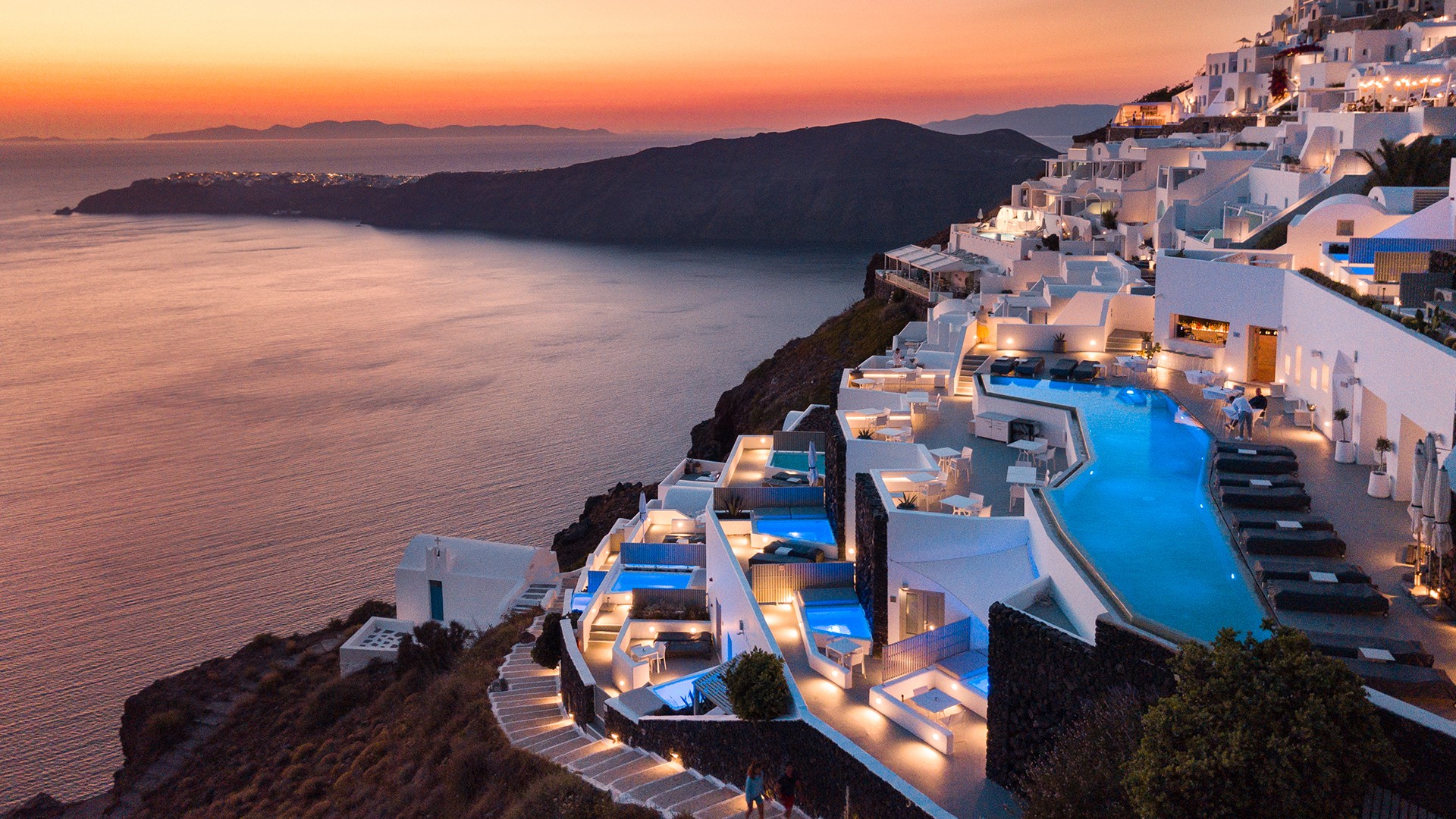
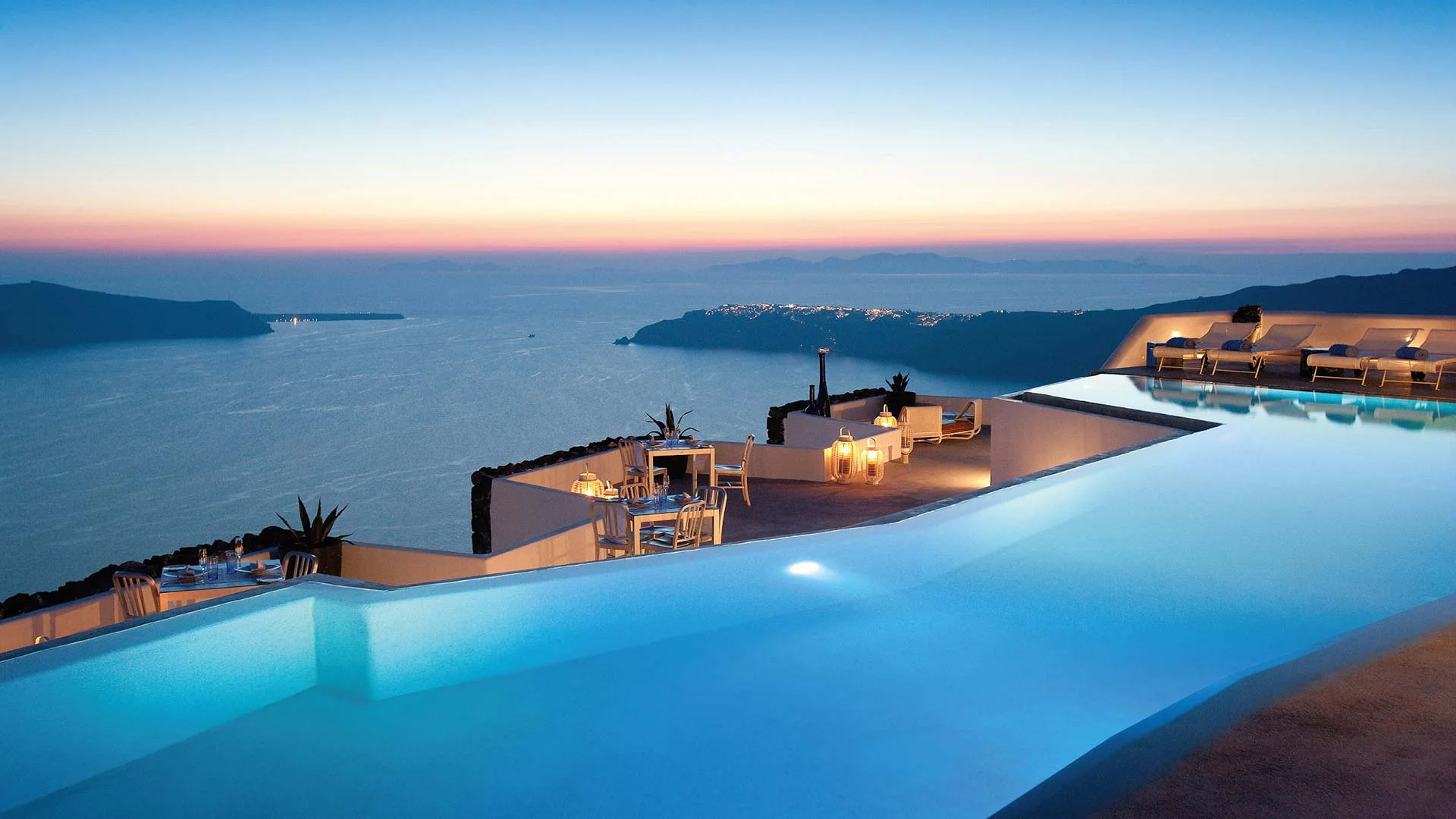
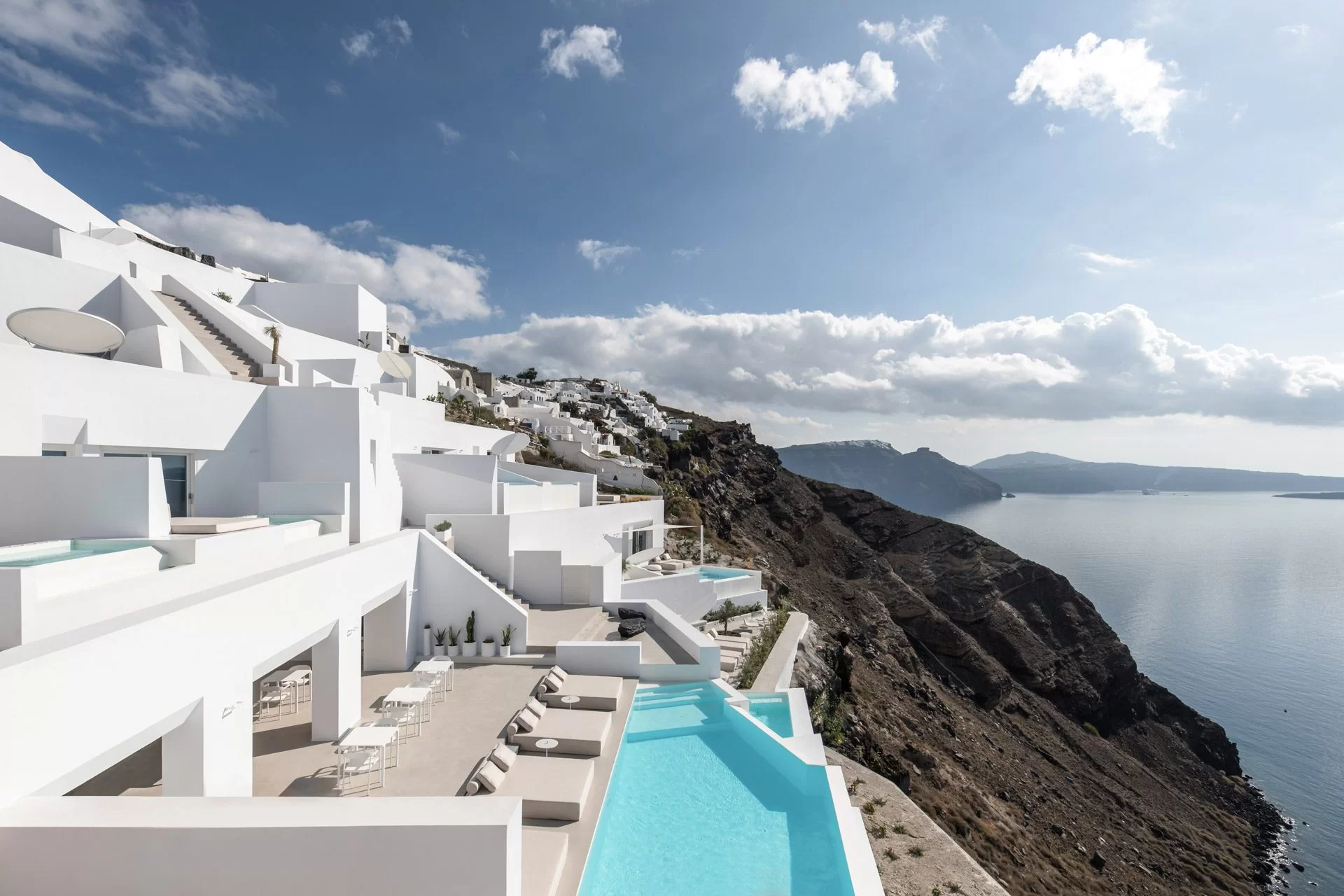
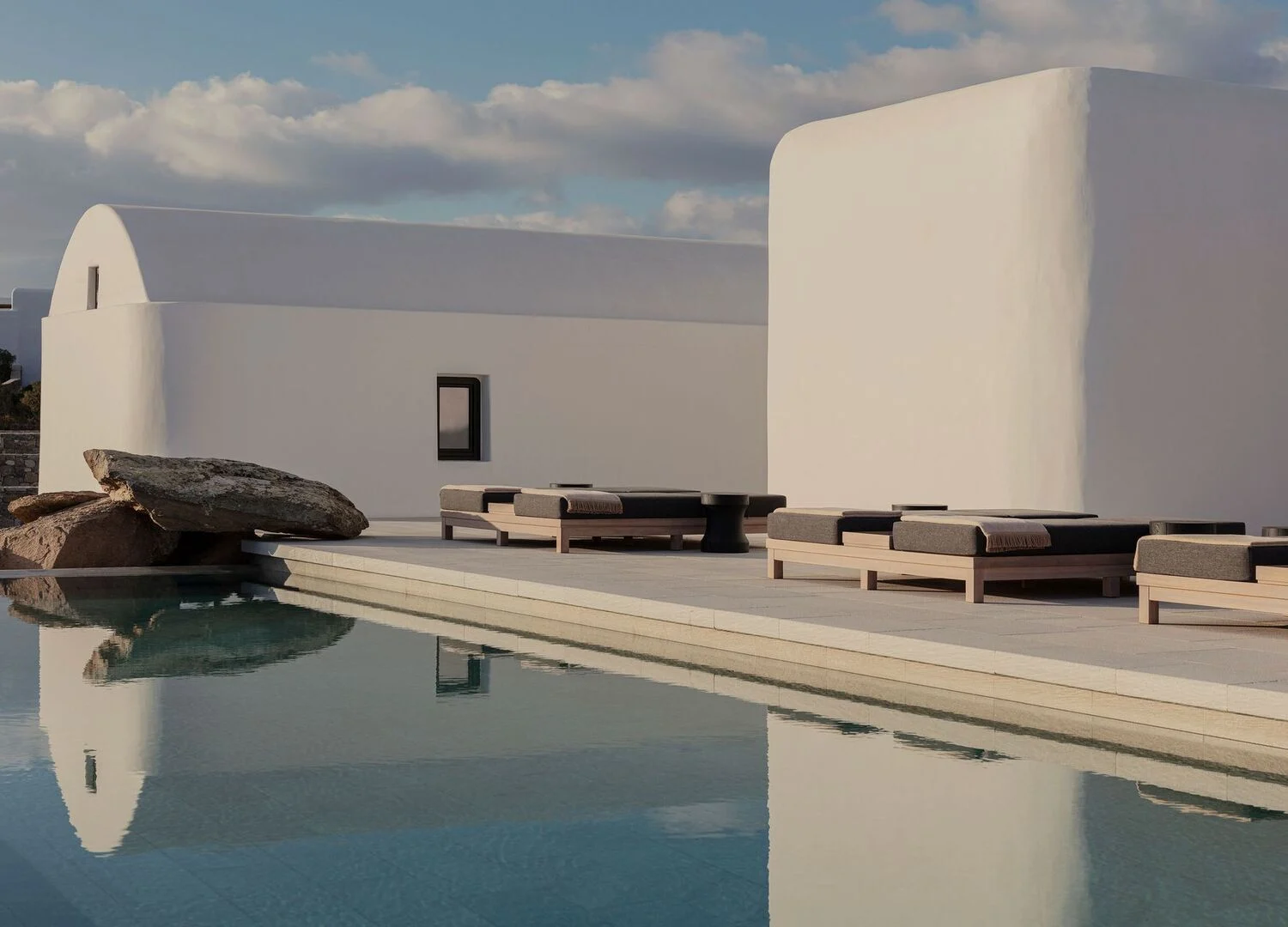
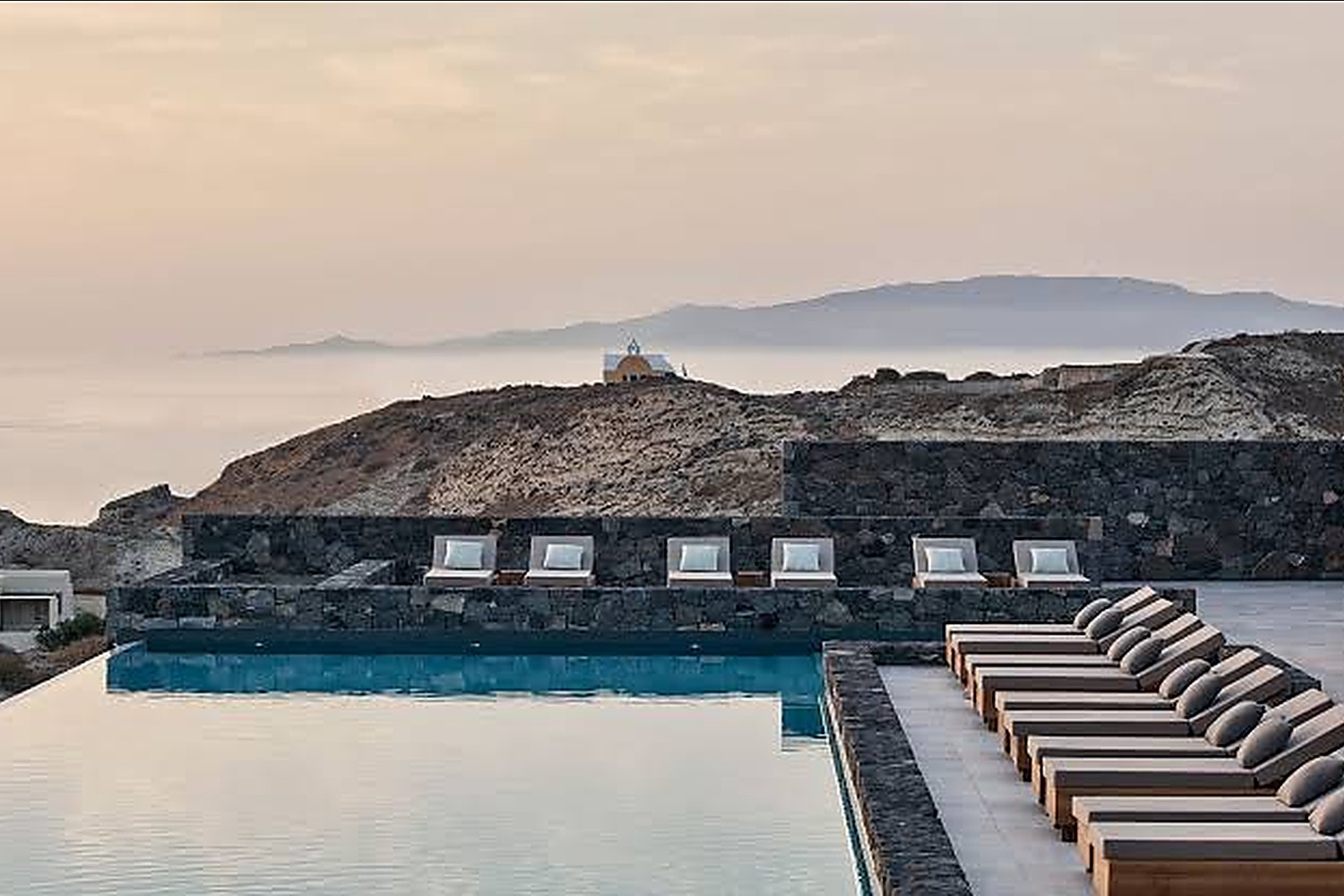
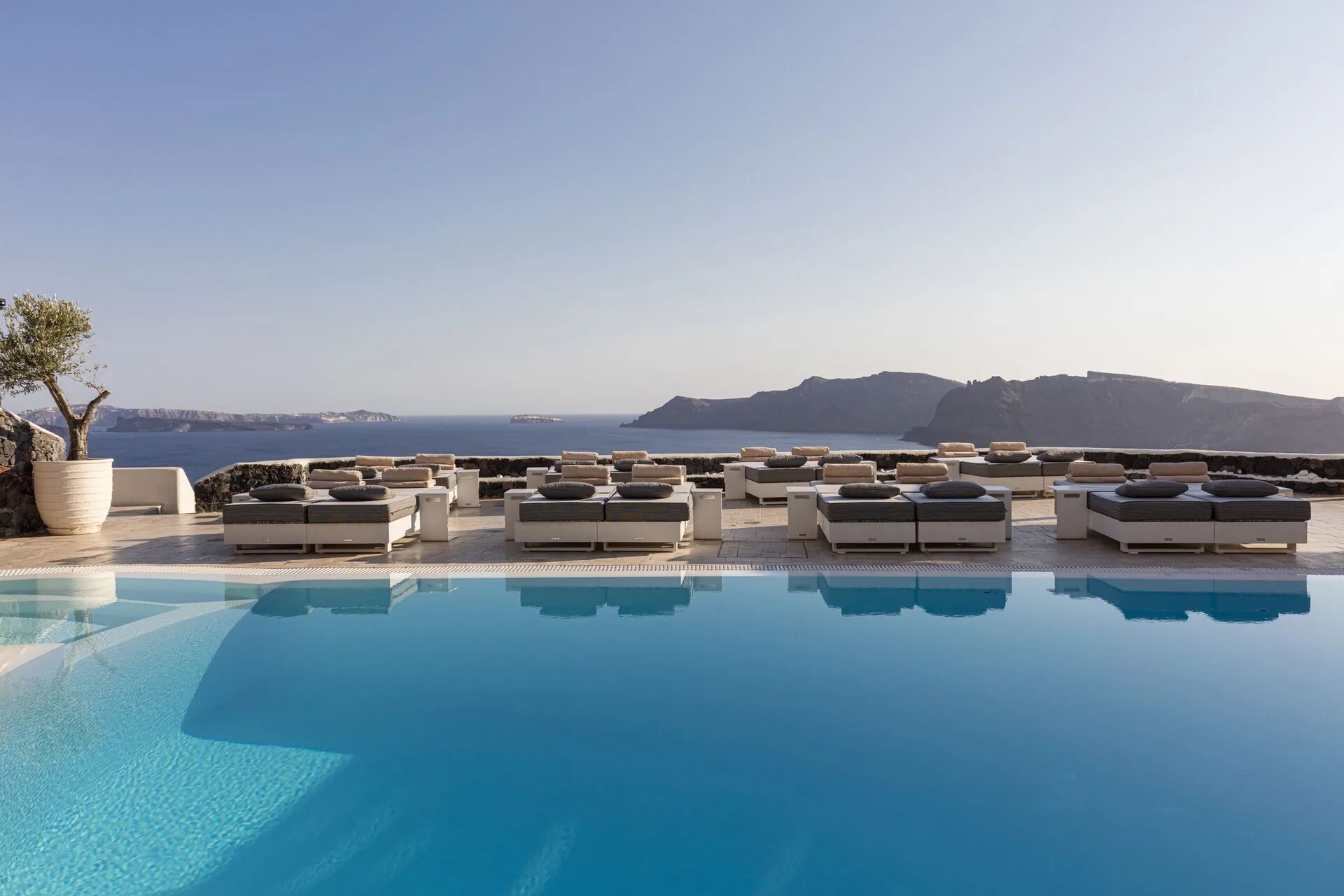
The character. Santorini is a view: the flooded caldera of a still-active volcano, whitewashed villages balanced on a cliff eleven hundred feet above the sea, and a sunset that has become the most reliably photographed twenty minutes in Europe. Mykonos is a scene: a working port town of low white cubes, twenty seven beaches ringed with beach clubs, and the highest concentration of good restaurants in the Cyclades. Santorini is what Greece looks like on a postcard. Mykonos is what Greece feels like when everyone is on holiday.
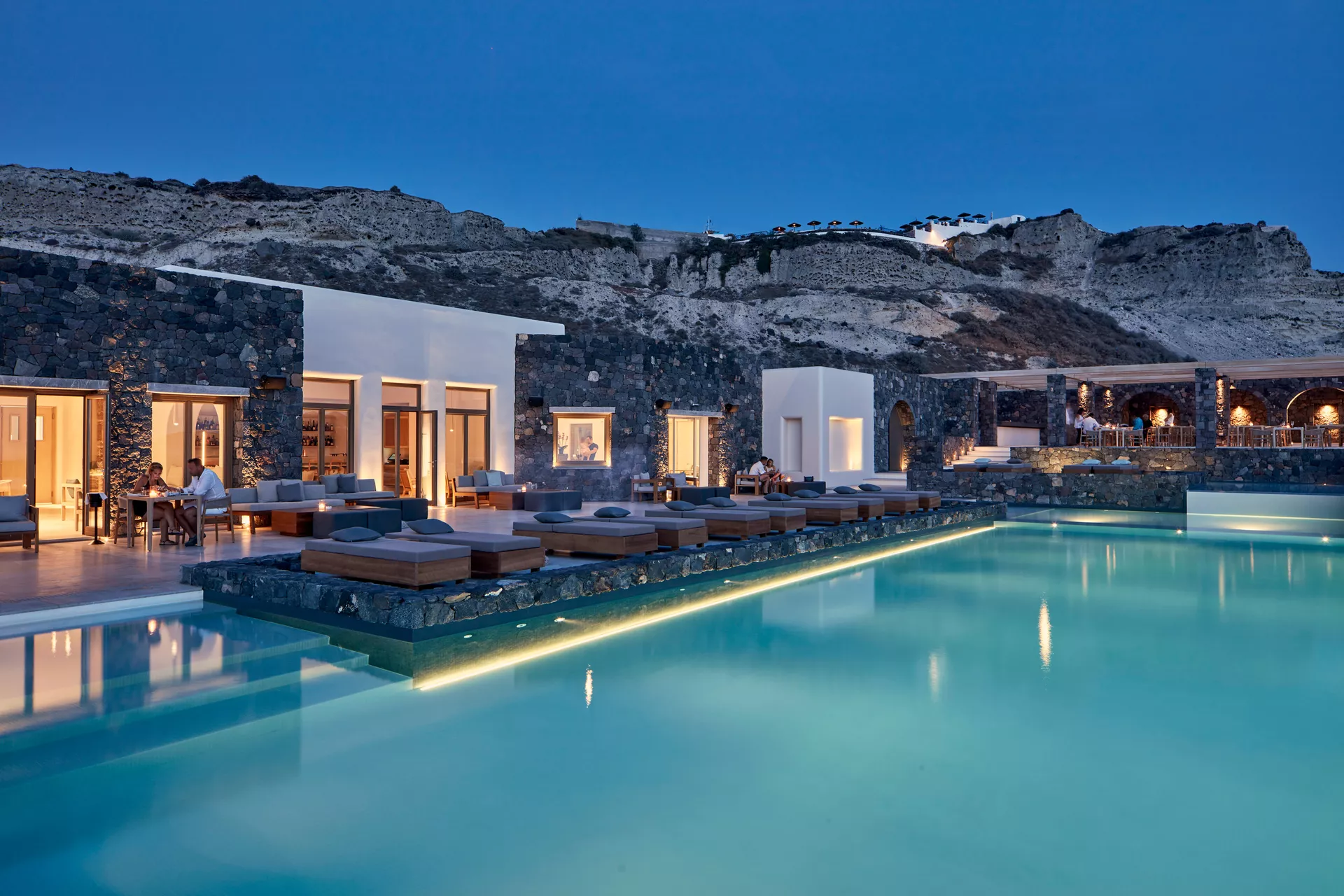
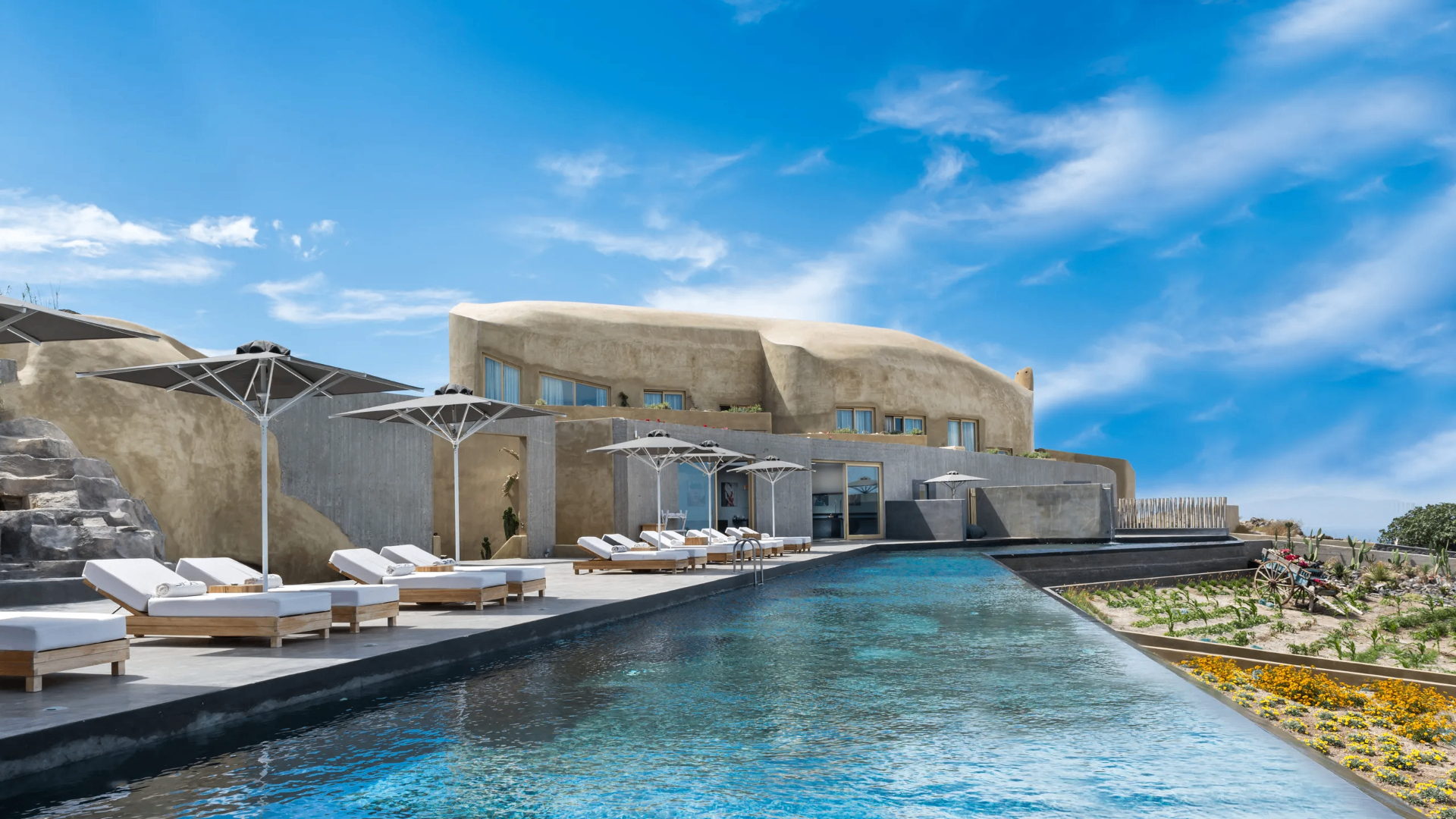
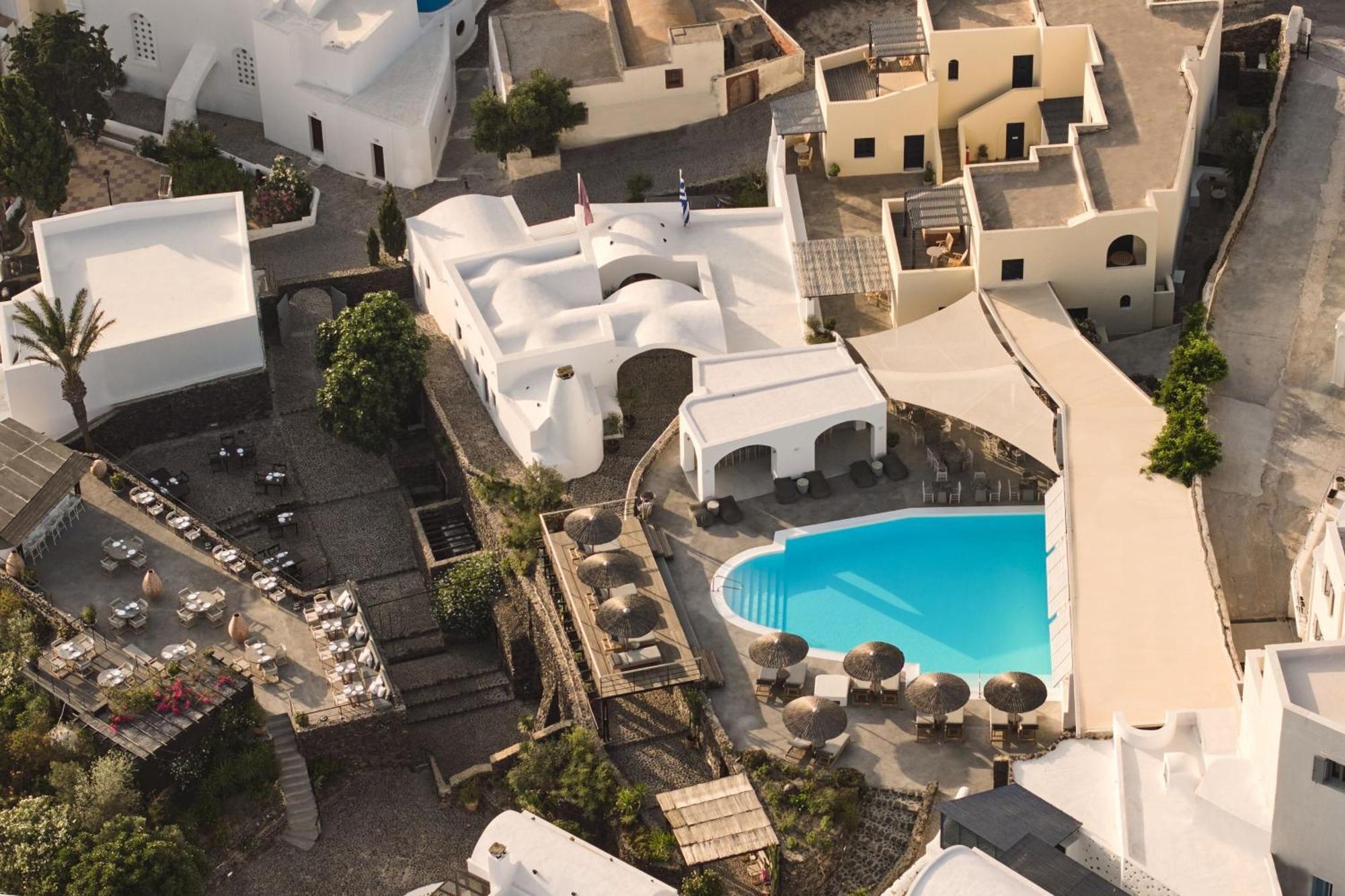
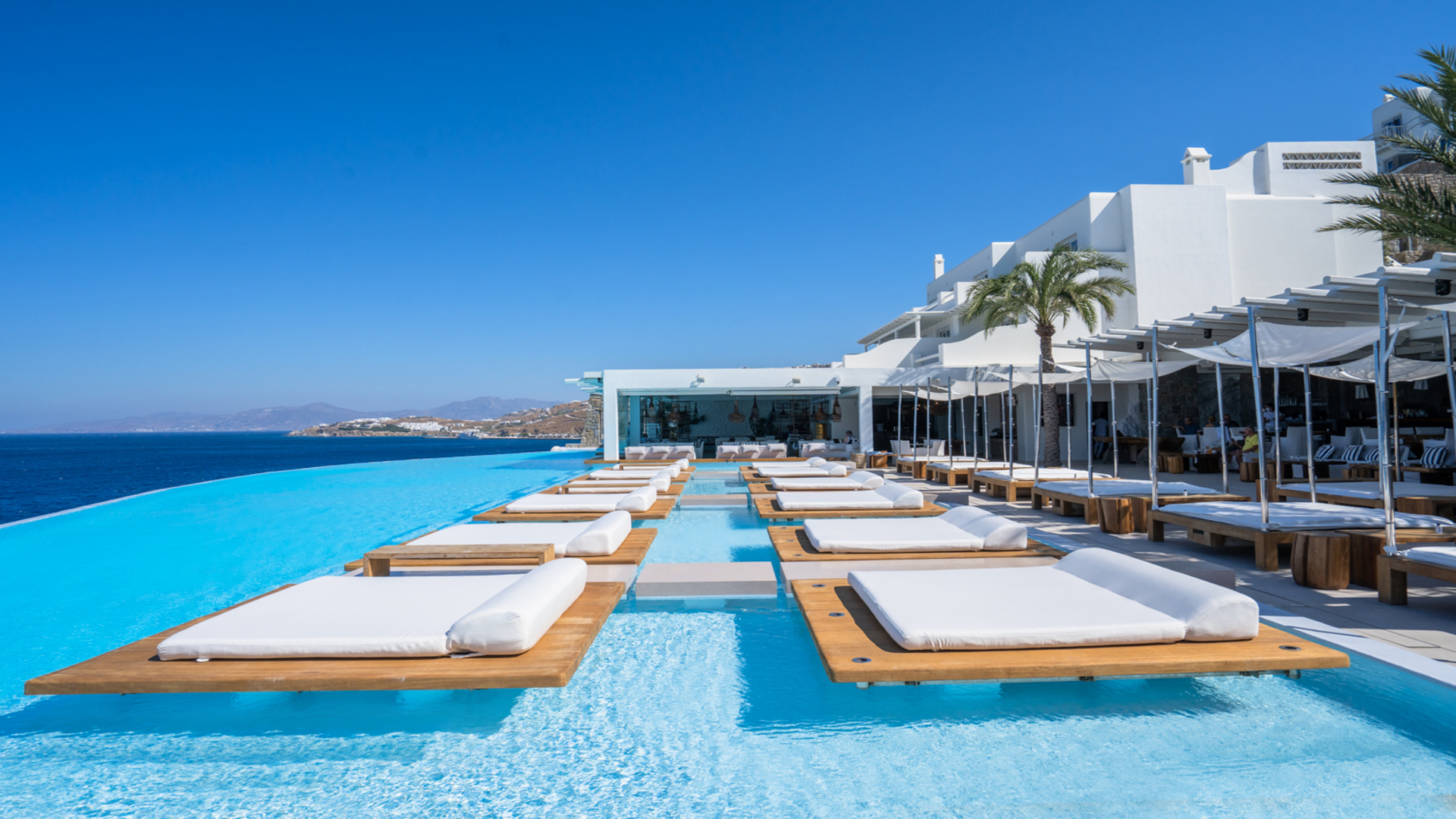
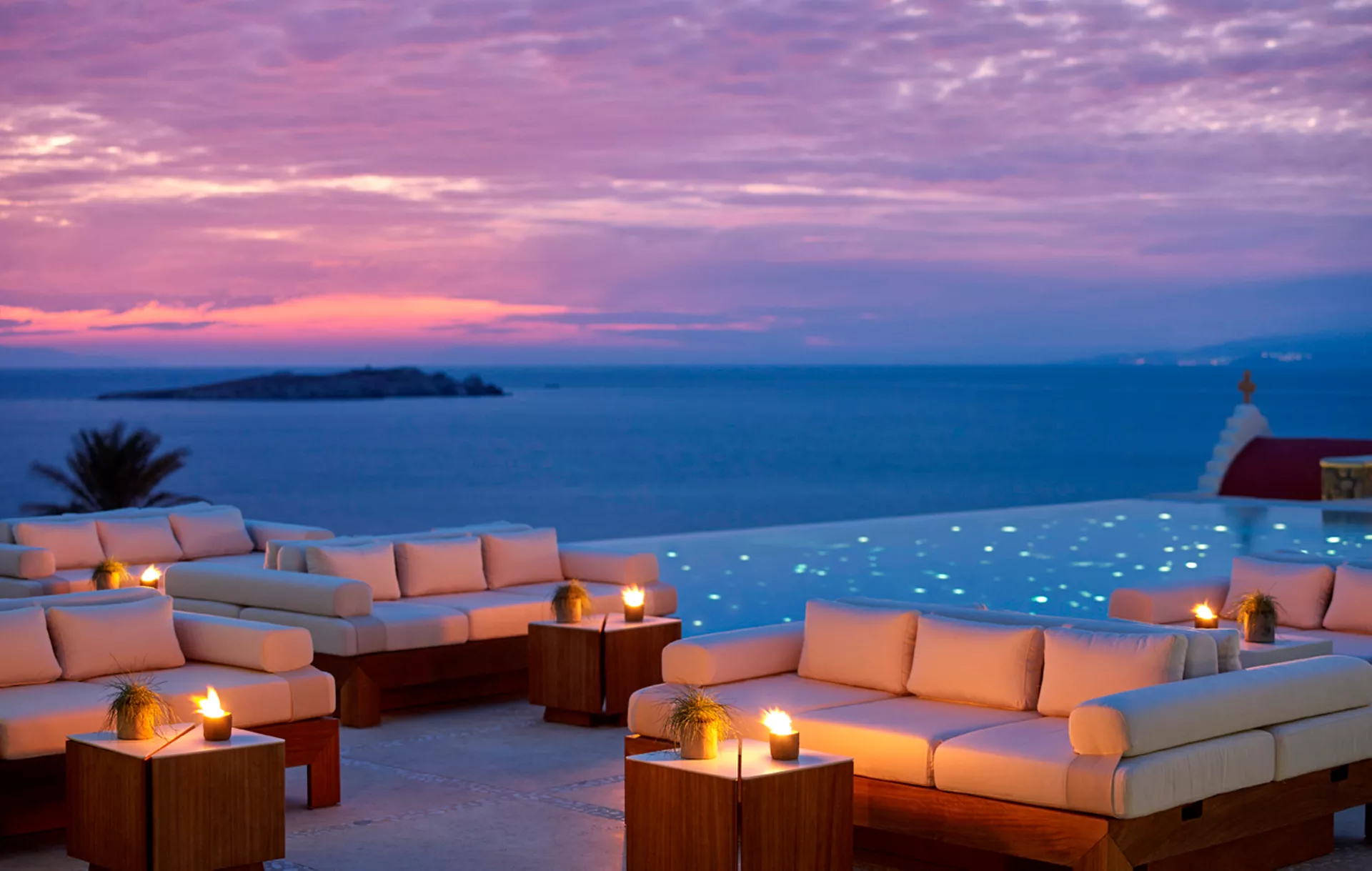
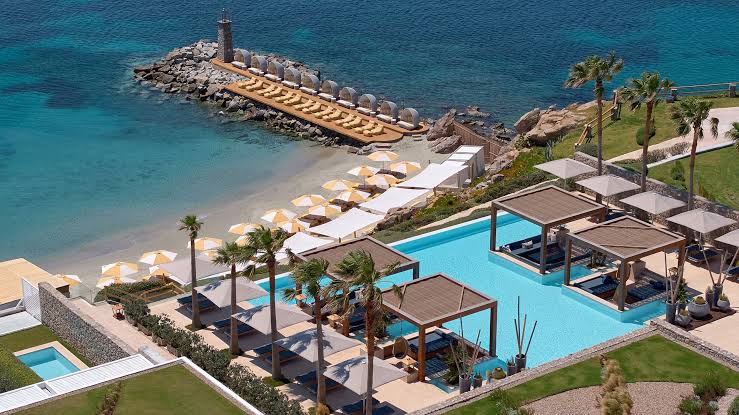
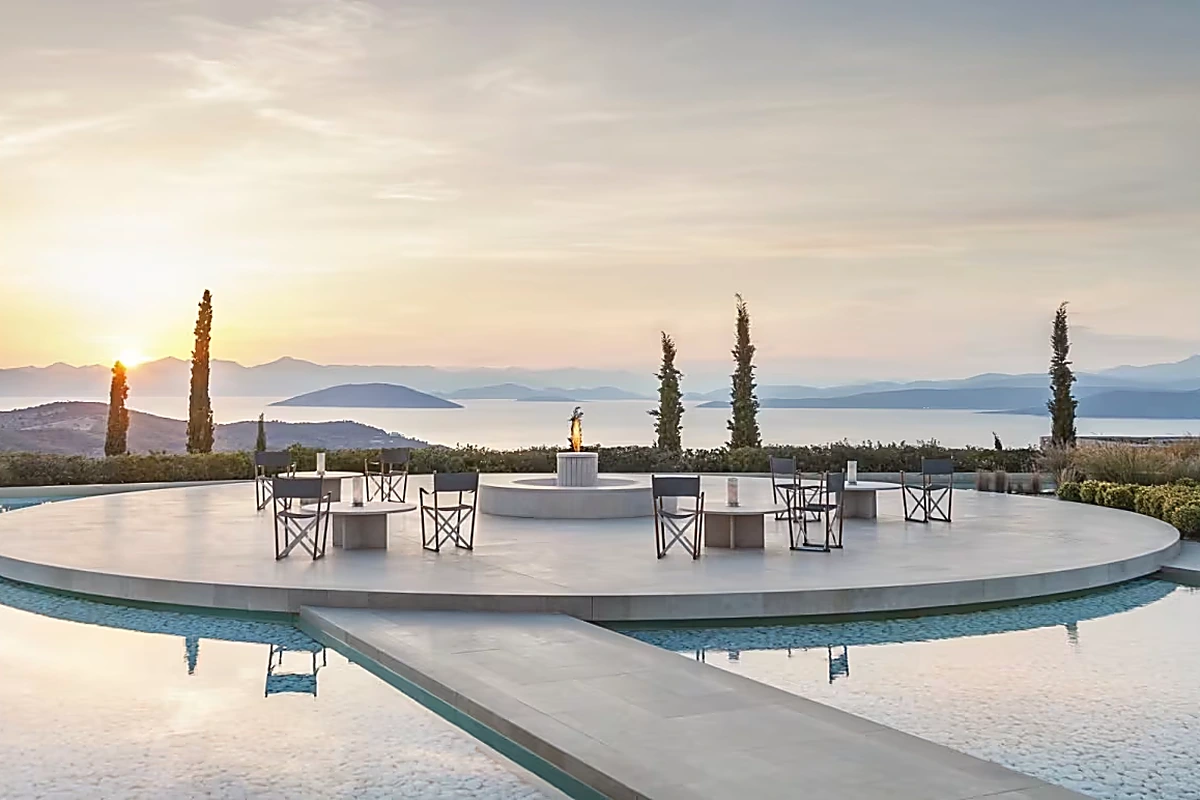
The hotels. Santorini's top hotels are small (twenty to fifty rooms), cave-cut, adults-only, view-obsessed and priced accordingly. Canaves Oia Epitome, Grace Santorini and Katikies are the tent poles. Mykonos hotels are larger (fifty to a hundred and fifty rooms), more design-driven, more food-and-scene-led, and split between in-town Chora hotels and south-coast beach resorts. Belvedere, Cavo Tagoo and Kalesma are the tent poles.
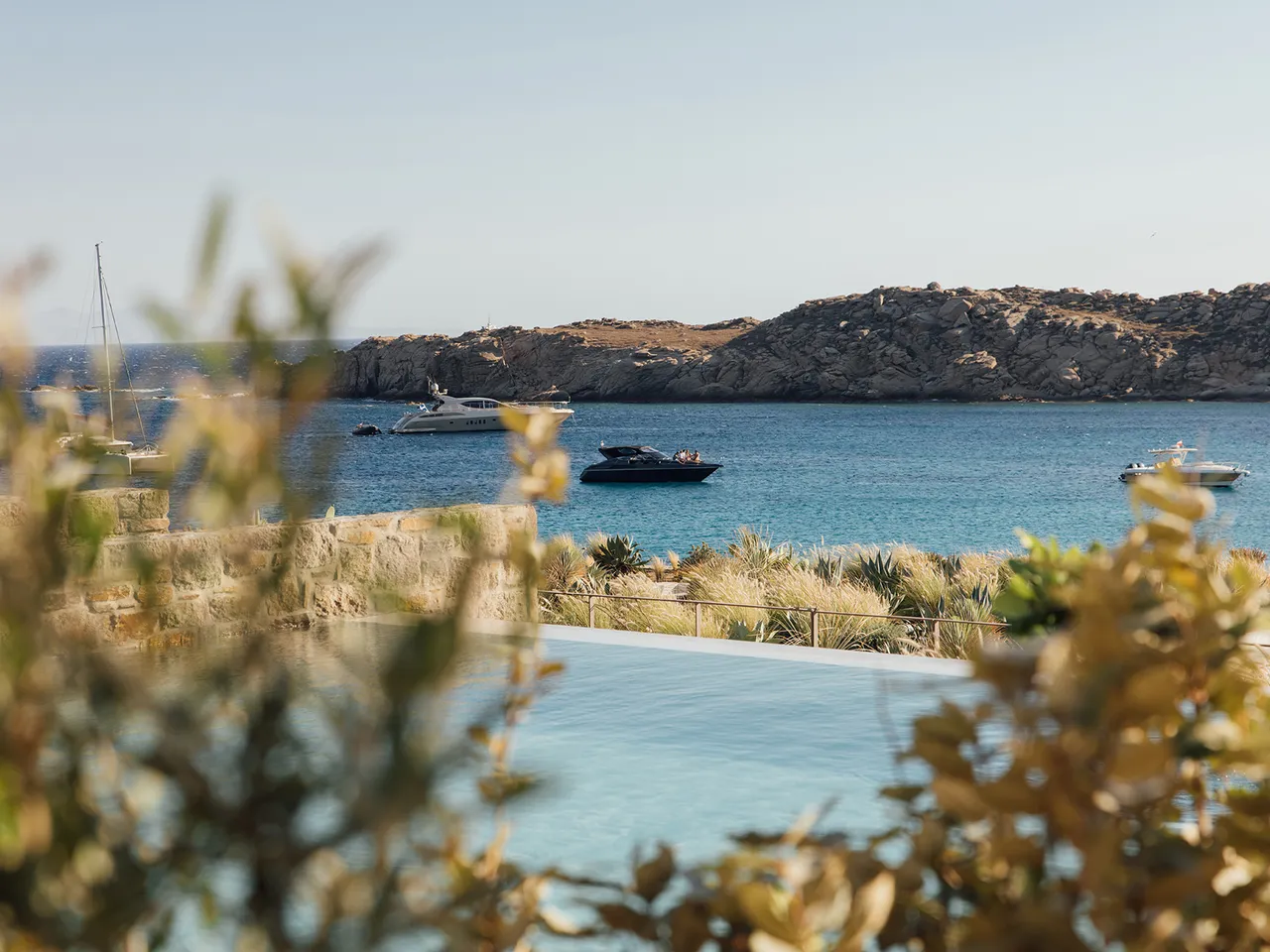
The beaches. This is the biggest single difference. Santorini has no swimmable caldera-side beaches; the volcanic shore is cliff, and the black-sand beaches at Perissa and Kamari sit on the opposite (Aegean) side of the island, a twenty-minute drive with limited luxury infrastructure. Mykonos has twenty seven beaches, at least eight of them world-class, with the country's best beach-club scene at Nammos and Scorpios. If beach days matter, Mykonos wins outright.
The food. Mykonos is the stronger dining island: Matsuhisa at Belvedere, Beefbar and Bill & Coo Sushi, Nammos, Kensho, Scorpios all sit within a fifteen-minute taxi. Santorini's dining scene is thinner but improving: Petra at Canaves and Selene in Pyrgos are Michelin-recognised, and the Assyrtiko wine programme (Estate Argyros, Santo Wines, Domaine Sigalas) is the strongest in Greece.
The weather. Effectively identical. Both islands share the Cycladic microclimate: 30 °C in August, 27 °C in June and September, sea temperature 24 °C through summer. The one meaningful weather variable is the meltemi, the strong northerly wind that runs from mid-July through mid-August: it is markedly more pronounced on Mykonos (which faces north) and can shut down ferries and beach clubs for two or three days at a time. Santorini is somewhat sheltered by its geography.
The best time. Late May through mid-June and the first three weeks of September are the shoulder sweet spots on both islands: sea warm enough to swim, air in the high twenties, hotel rates thirty to forty percent below August, and no cruise-ship crush in Oia. July and August are peak: full scene, full rates, and full meltemi risk on Mykonos. April and October are the value edges: many hotels open (or still open) at half rate, sea just about swimmable at 20 °C, but expect the odd wet day. November through March, both islands effectively close.
The crowds. Santorini's day-tripper problem is well documented: cruise-ship arrivals bring ten to twelve thousand extra people to Oia between 10 am and 6 pm in high season, and the sunset viewing points fill from 5 pm. The fix is straightforward — stay in Imerovigli or Firostefani, not Oia, or book a caldera-facing hotel with a private terrace and skip the village at sunset. Mykonos's crowds are more evenly distributed and less oppressive: the beach clubs are ticketed, the Chora foot traffic peaks after 8 pm, and the northern half of the island (Panormos, Agios Sostis) stays quiet all year.
The verdict. If it is your first Greek trip, if it is a honeymoon or a milestone anniversary, if you have never watched the sun set over the Aegean from a private terrace, book Santorini. If you have done Santorini once, if you are travelling as a group of friends, if beaches or dining matter more than the view, book Mykonos. If you have seven or more nights, do both — four Mykonos first, then six Santorini — and end on the caldera.