How to choose a hotel in Manhattan
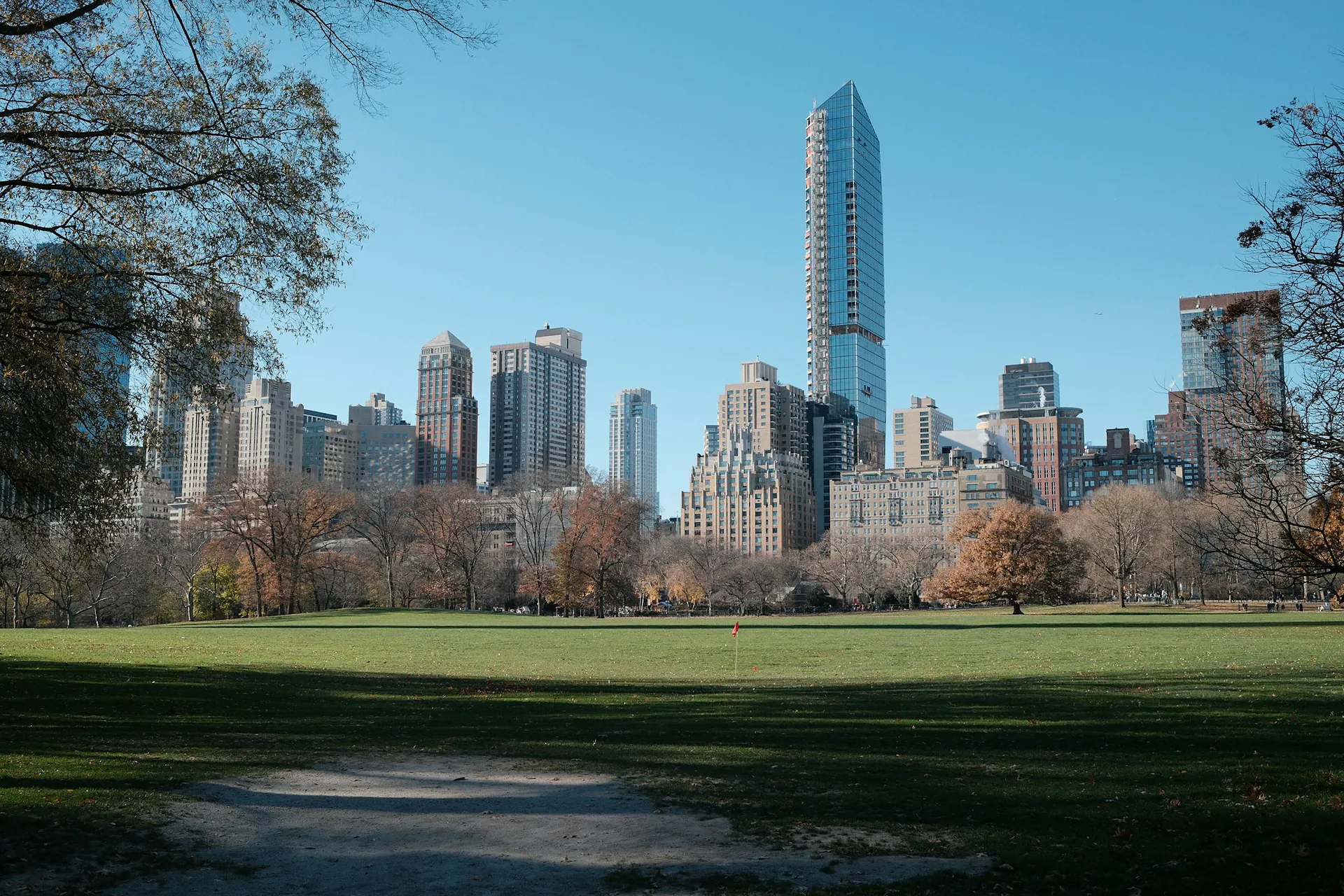
The neighbourhood decides the trip, not the star rating. New York has more five star beds than anywhere in the world, which means the badge tells you almost nothing. What tells you something is which twelve blocks you wake up in. A suite over the Central Park treeline and a cast iron loft in SoHo are two different holidays sold at the same price, and picking the wrong one costs you an hour a day in traffic.
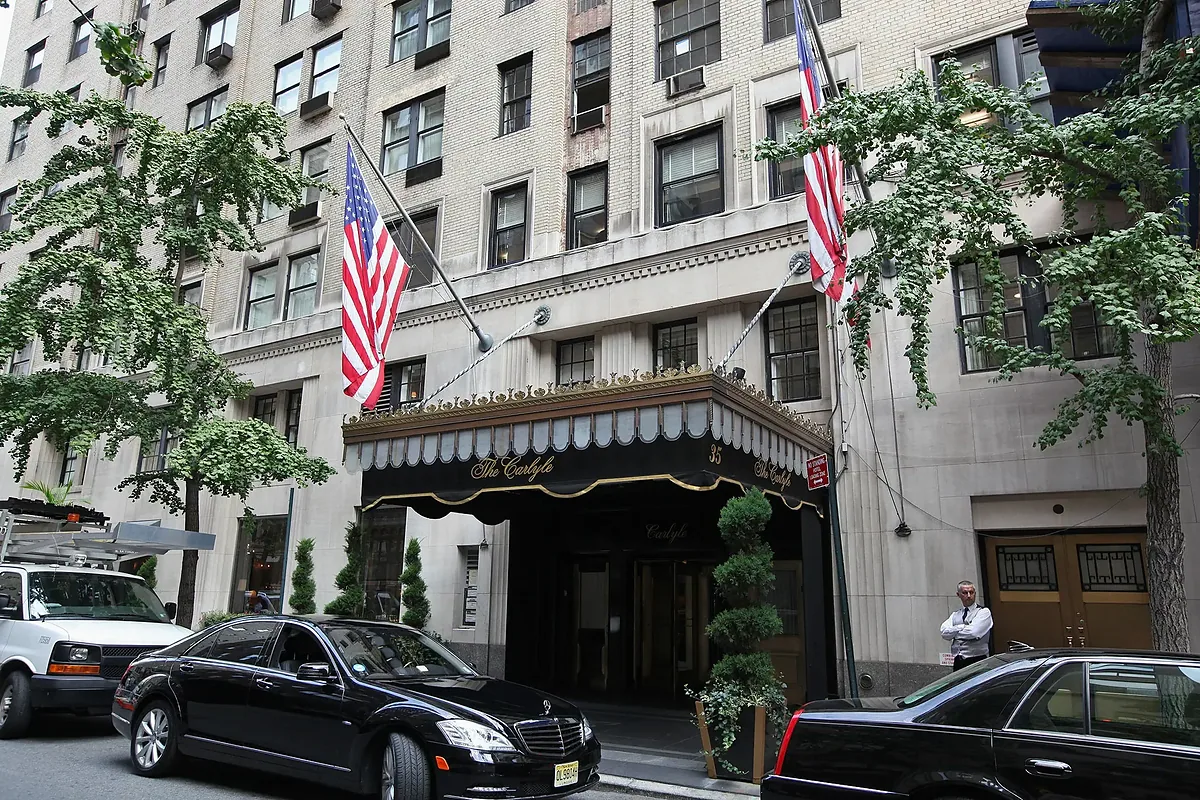
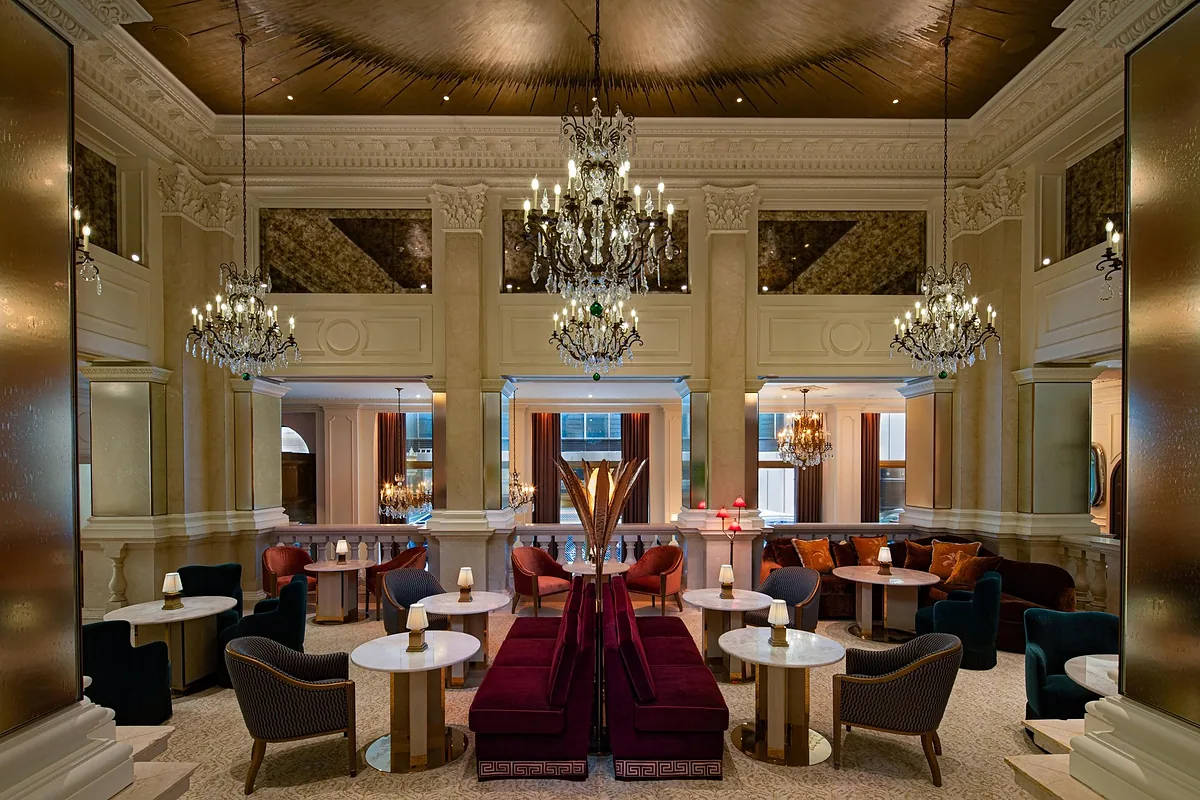
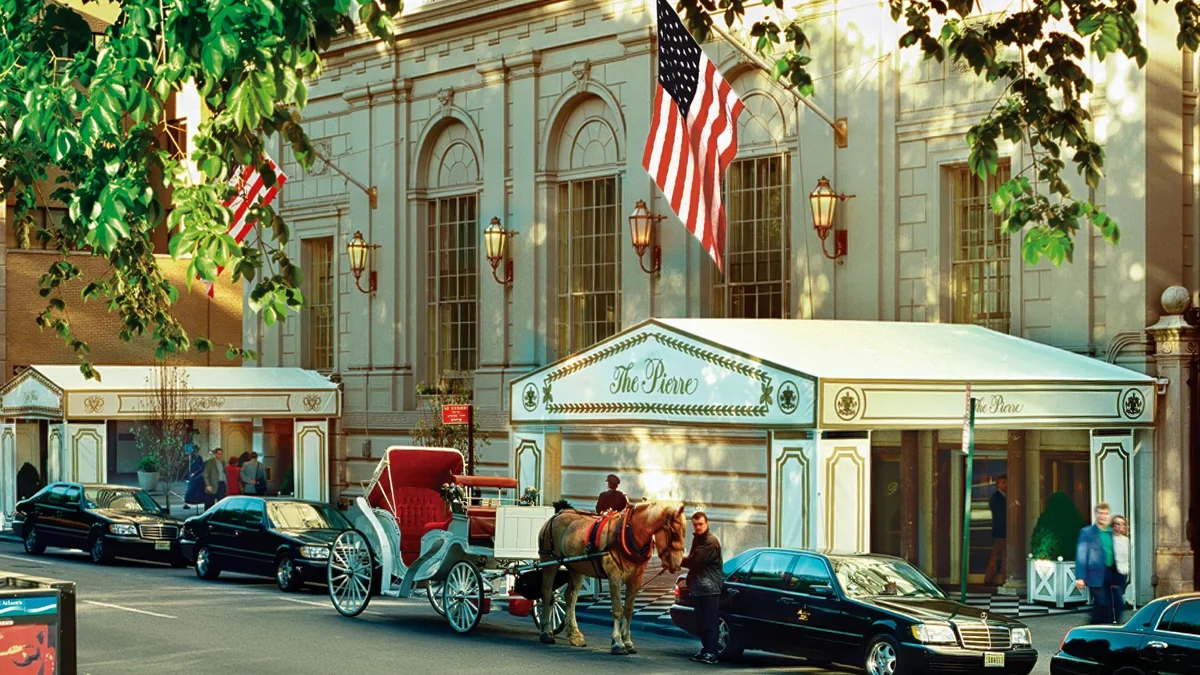
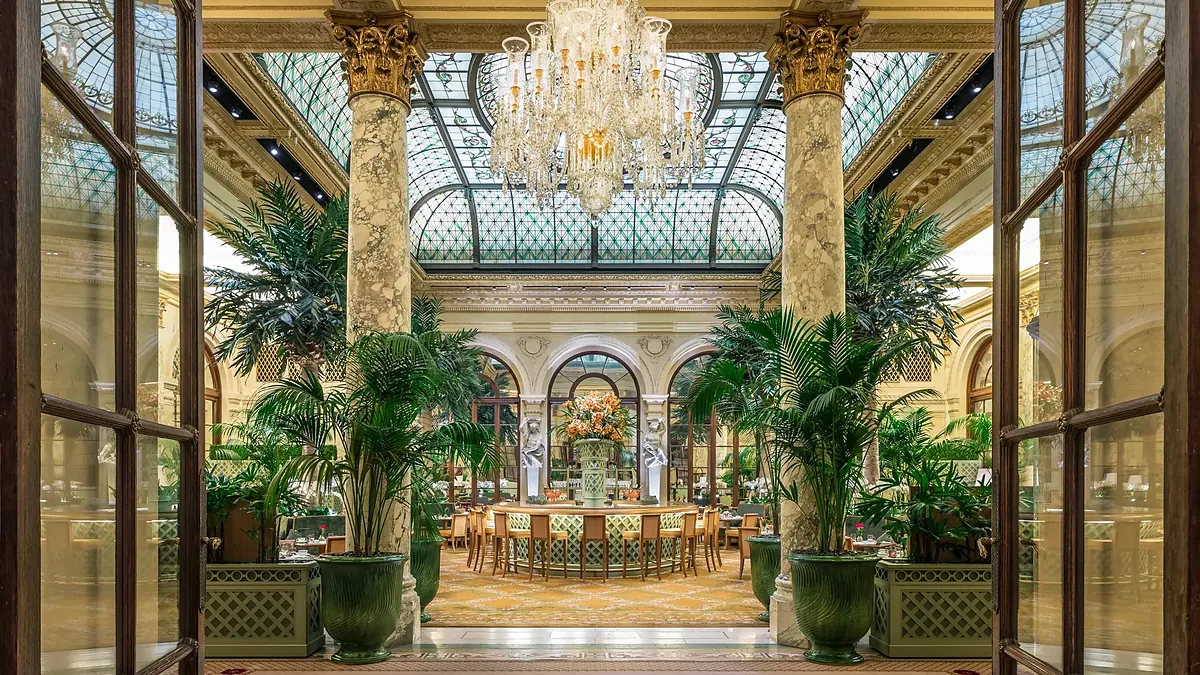
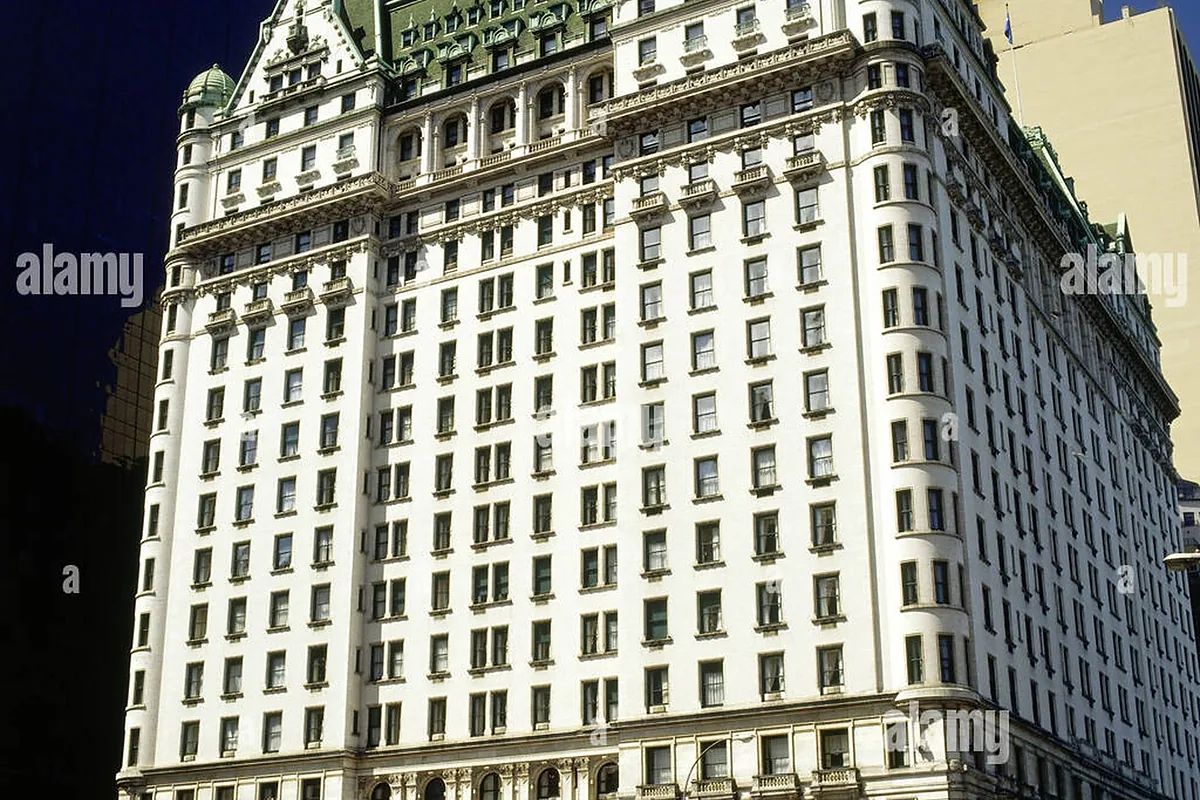
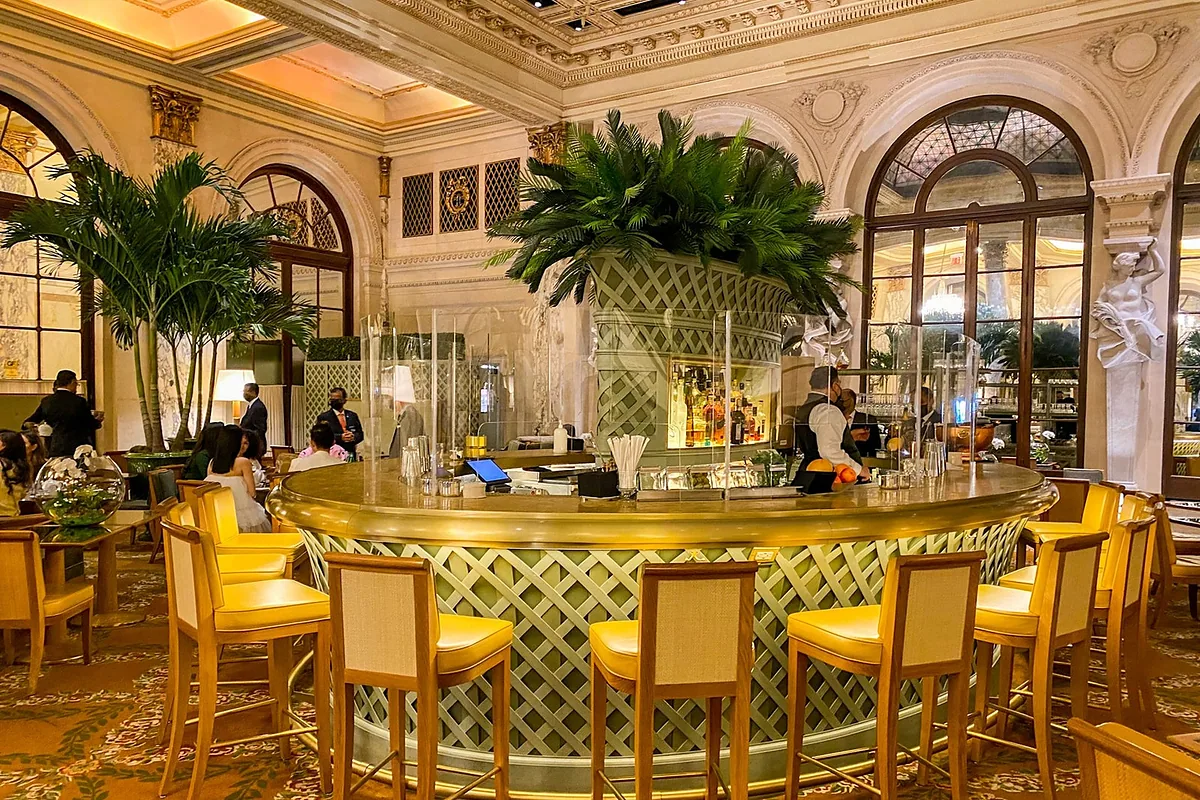
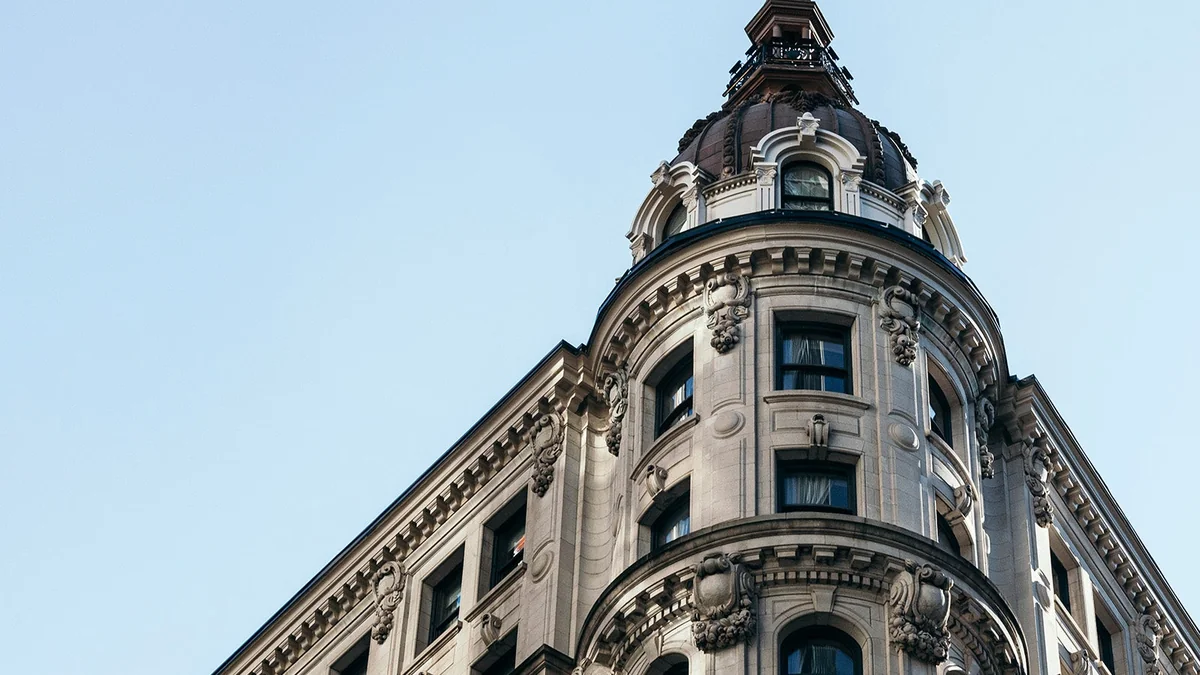
Uptown is quiet, old and early. The Upper East Side and Central Park South are where the museums, Madison Avenue and the doormen in green canvas are. The Carlyle, The Pierre and The Plaza all sit here. The trade is that dinner downtown means a taxi in both directions, and the area closes early by New York standards.
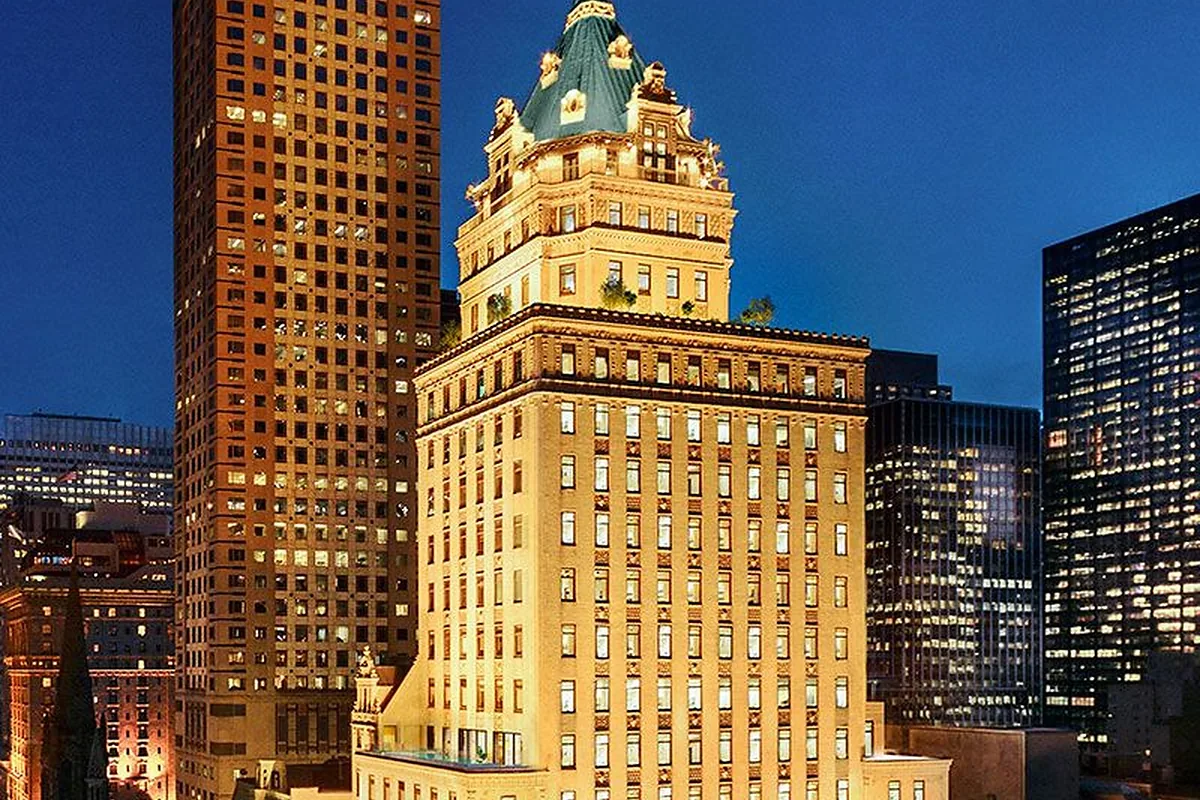
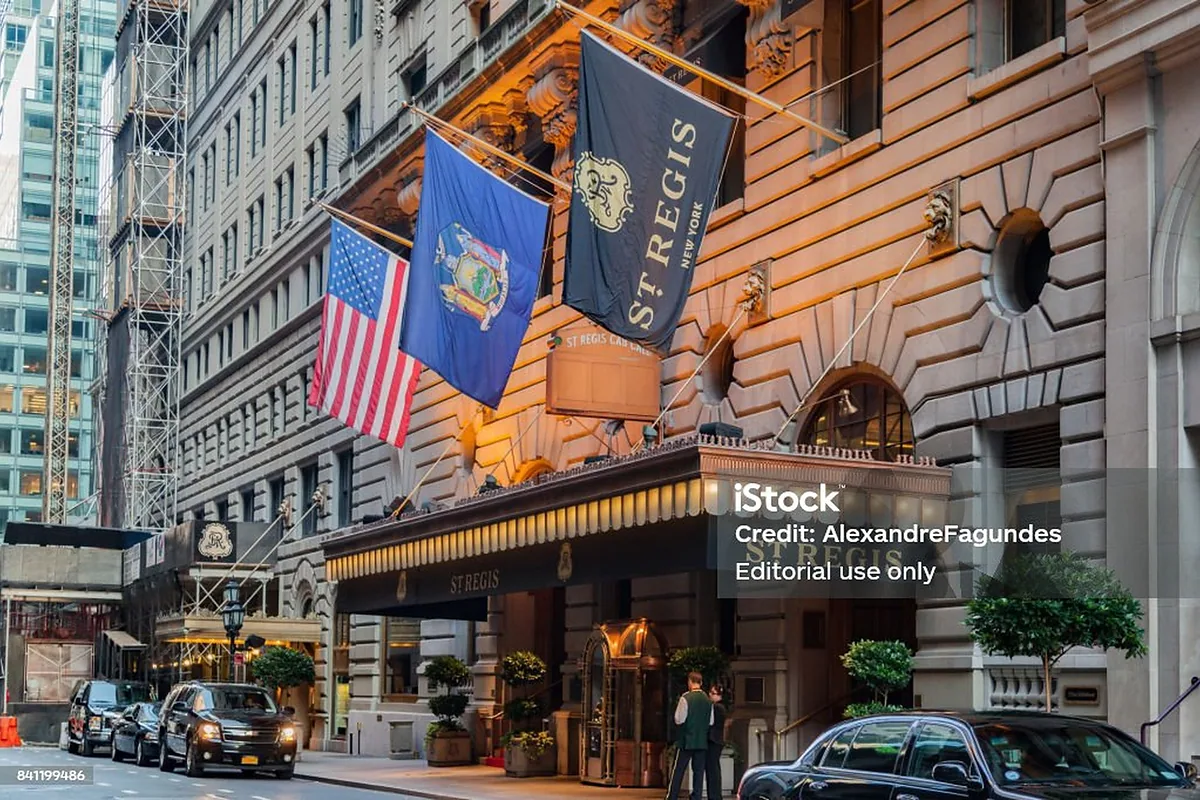
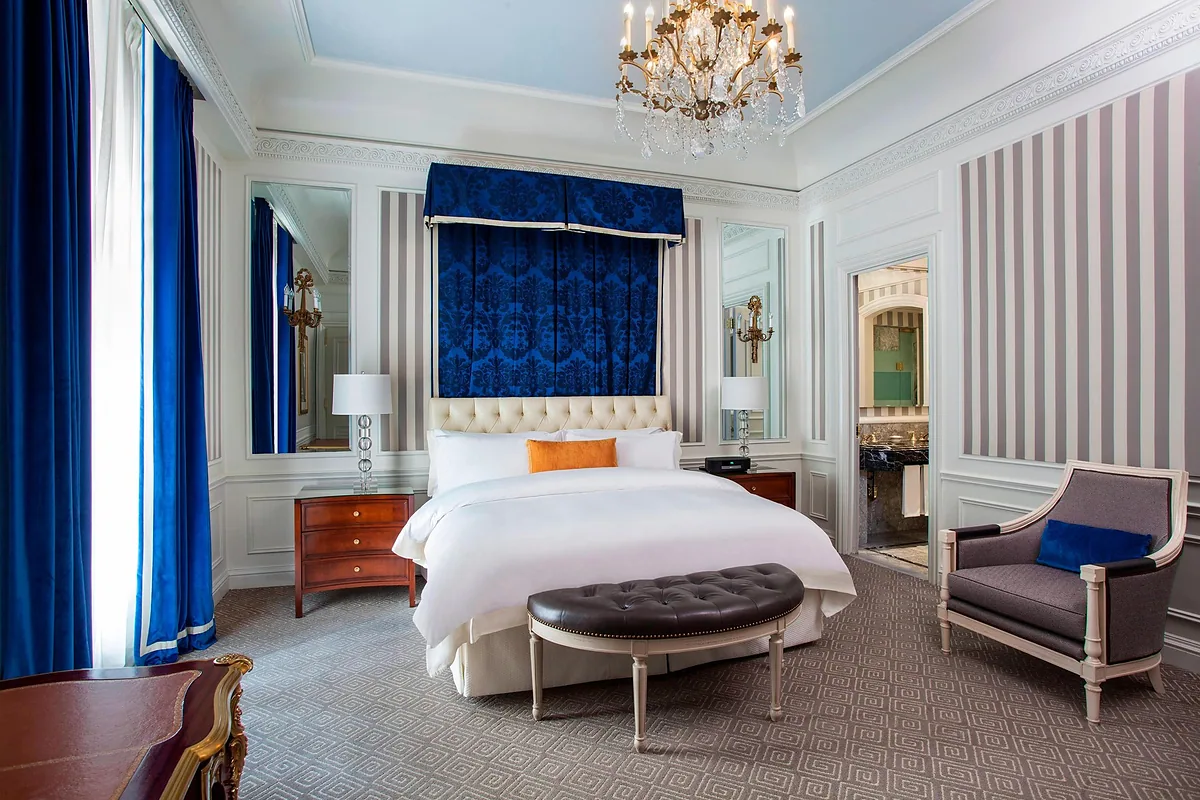
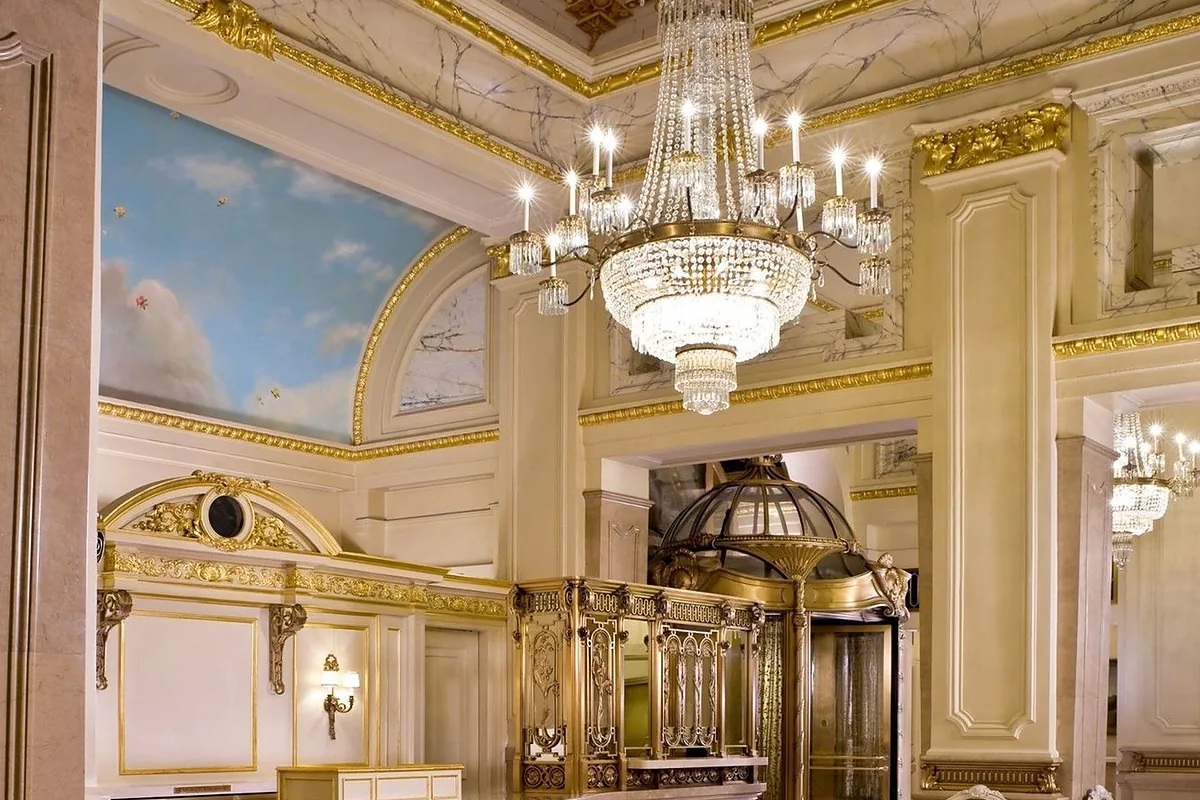
Midtown is for short trips with fixed appointments. If you have meetings on Sixth Avenue or a flight out of LaGuardia, staying at Aman or The St. Regis on Fifth saves you the thing New York charges most for, which is time. Both are within two minutes of Fifth and Madison shopping and eight of the park.
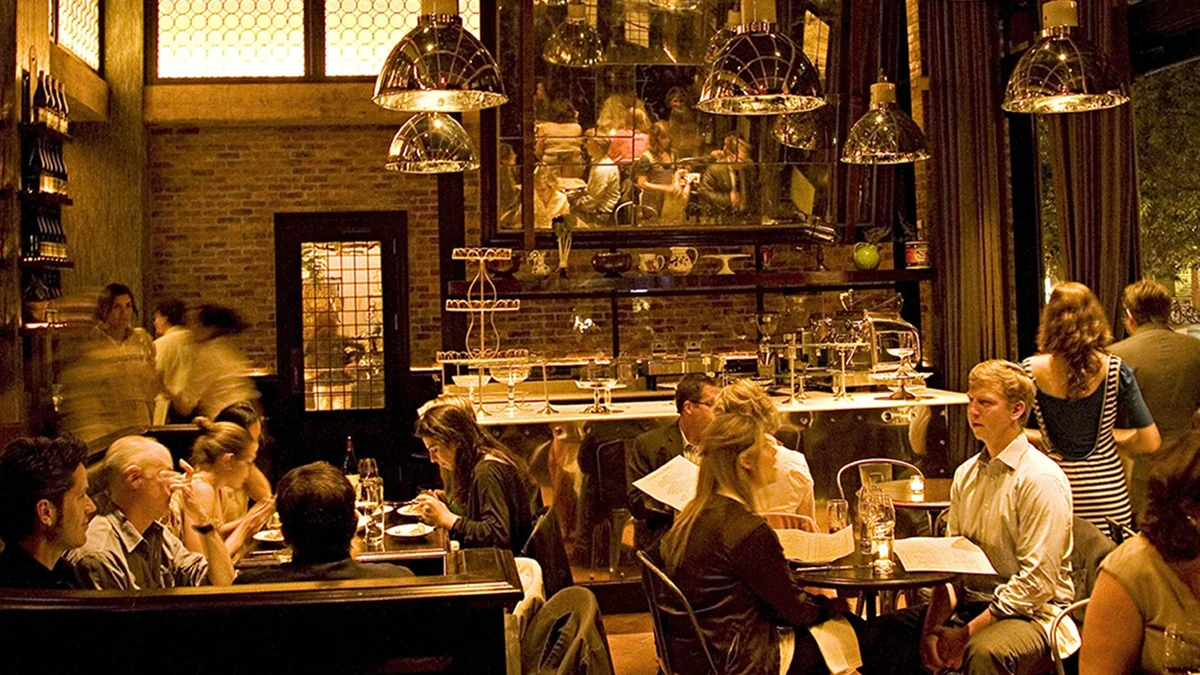
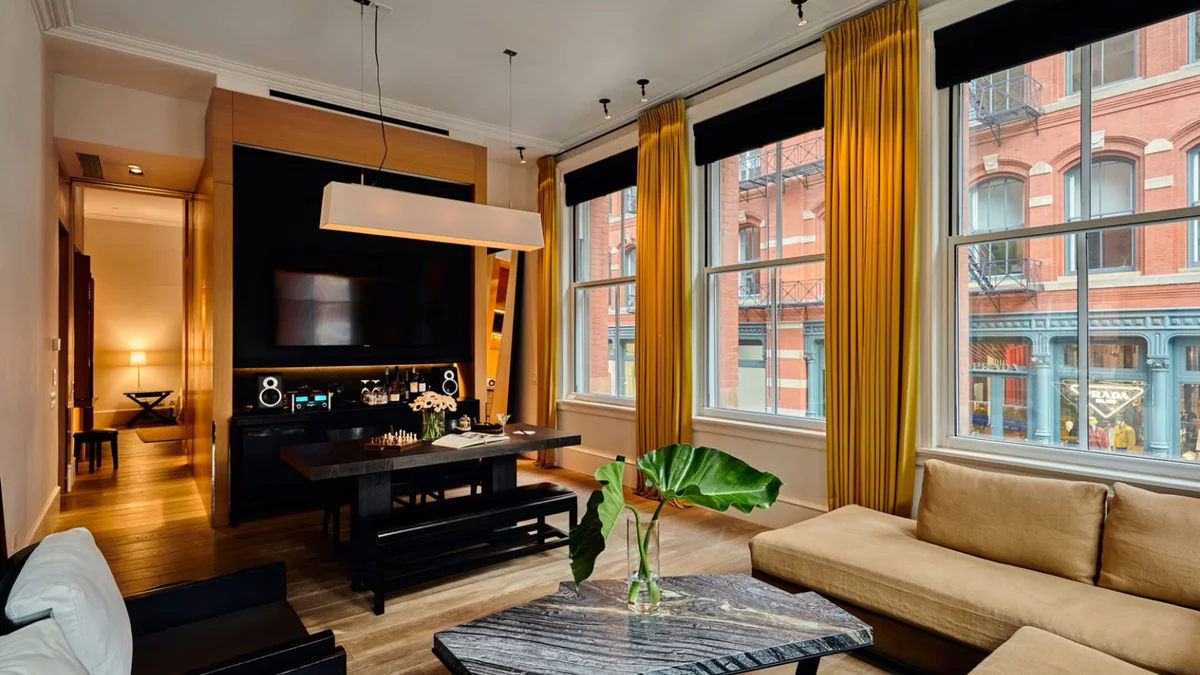
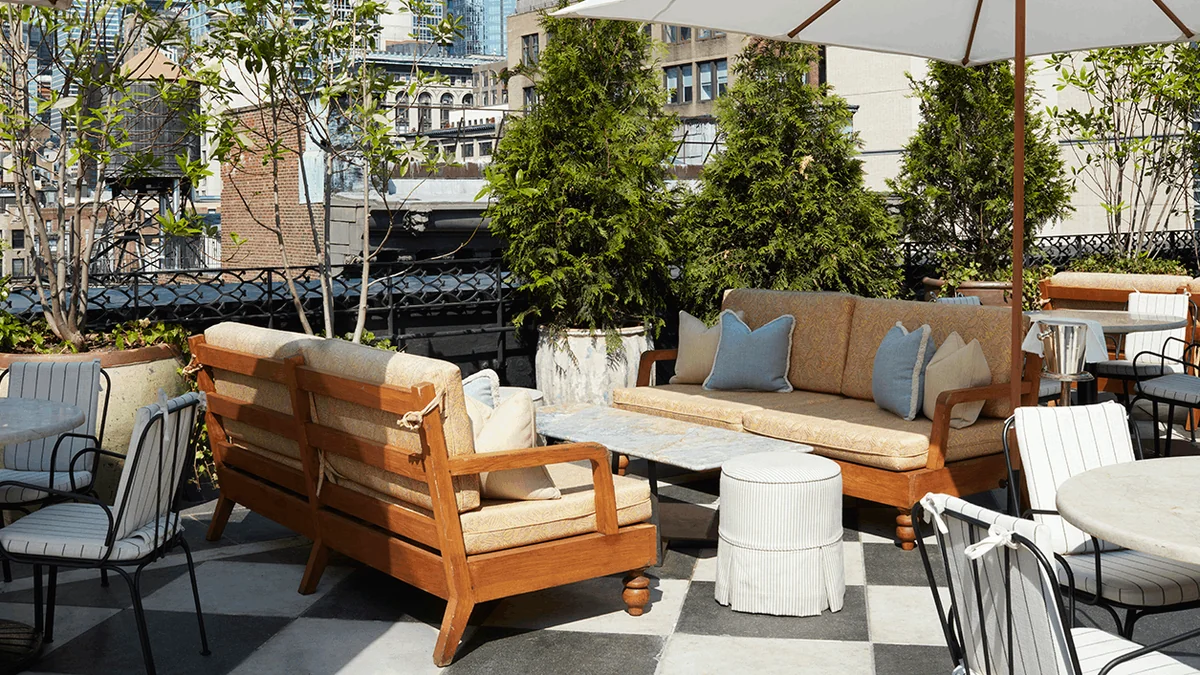
Downtown is where the restaurants are. Tribeca, SoHo and NoMad hold the eating, the galleries and the late nights. The Greenwich Hotel gives you privacy and a lantern lit pool, The Mercer gives you a loft and the best shopping position in the city, and The Ned NoMad gives you a members club you would otherwise need an introduction to join.
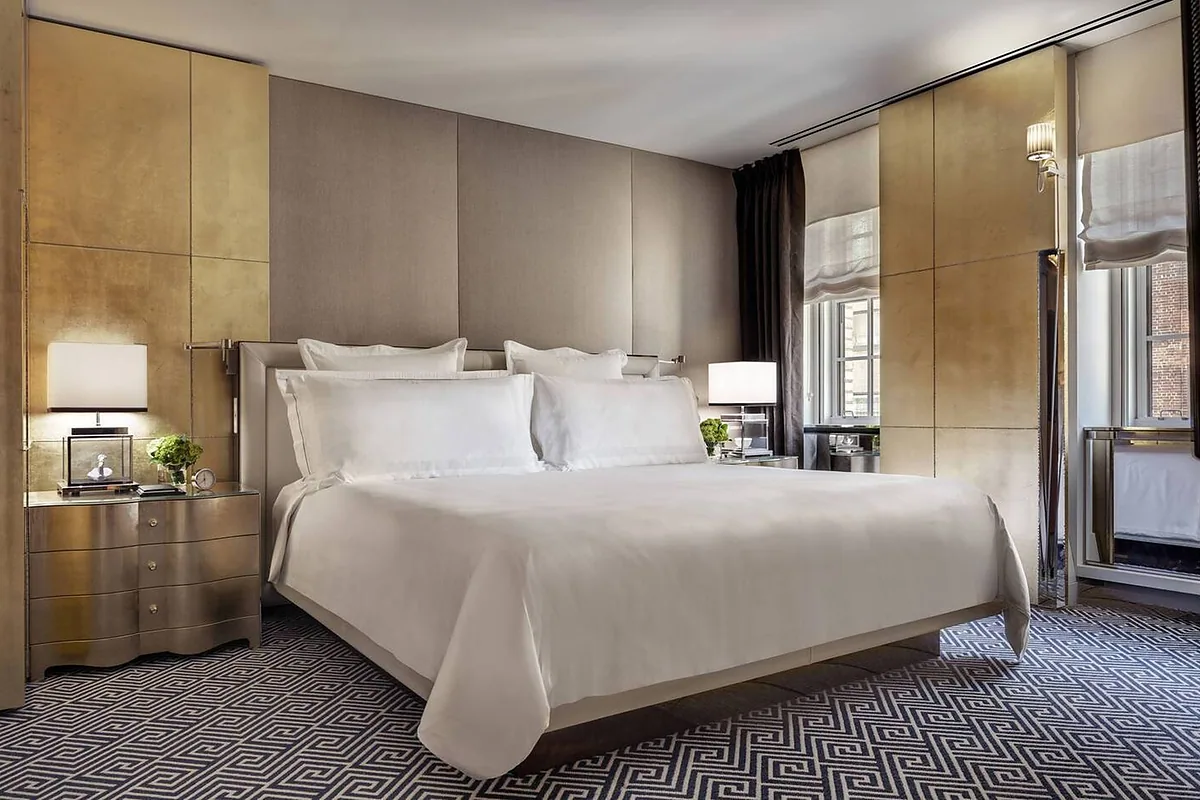
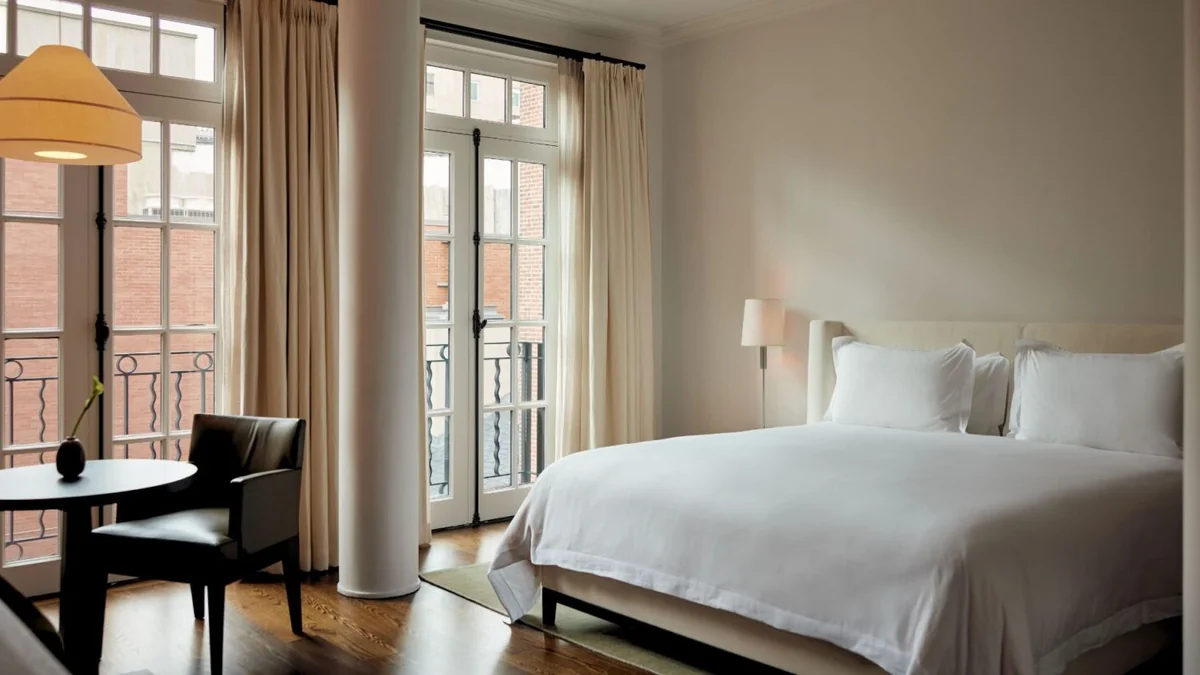
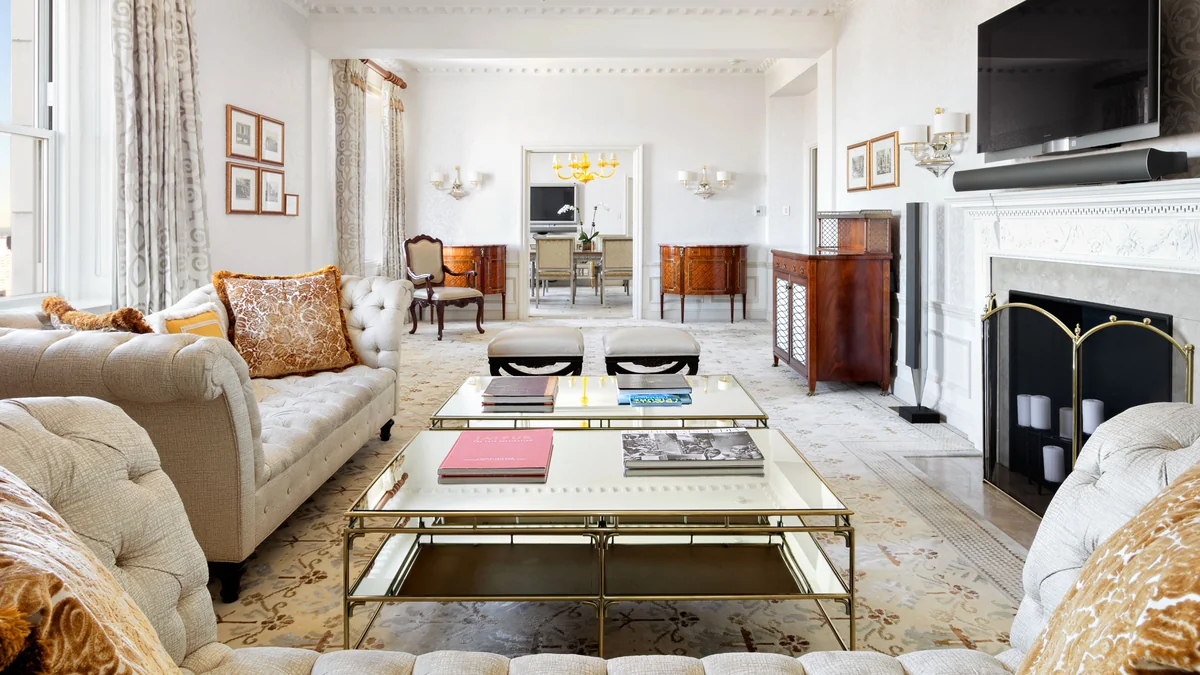
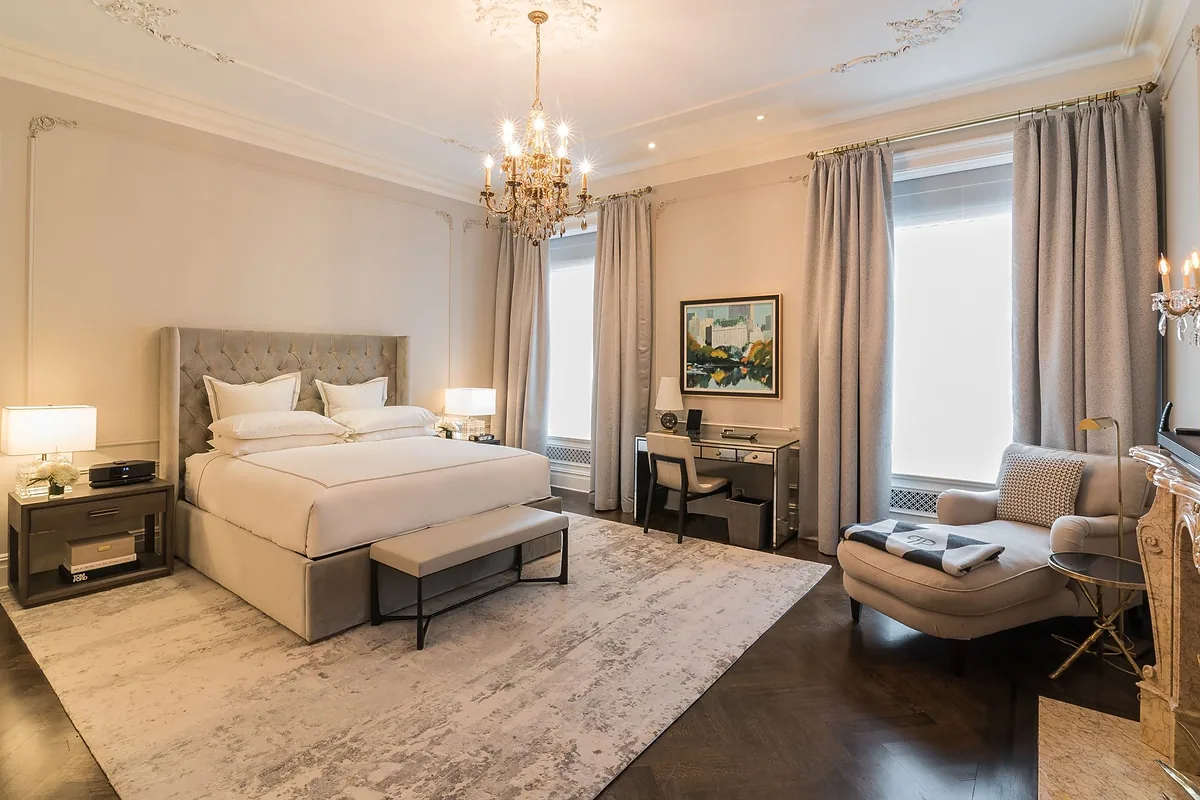
Room size is where the money actually goes. Manhattan rooms are small and expensive, and the gap between categories is bigger than the gap between hotels. Aman starts around 750 square feet, which is exceptional. Most entry level rooms in this guide sit between 300 and 400. If space matters more than address, pay for the next category up rather than moving hotel.
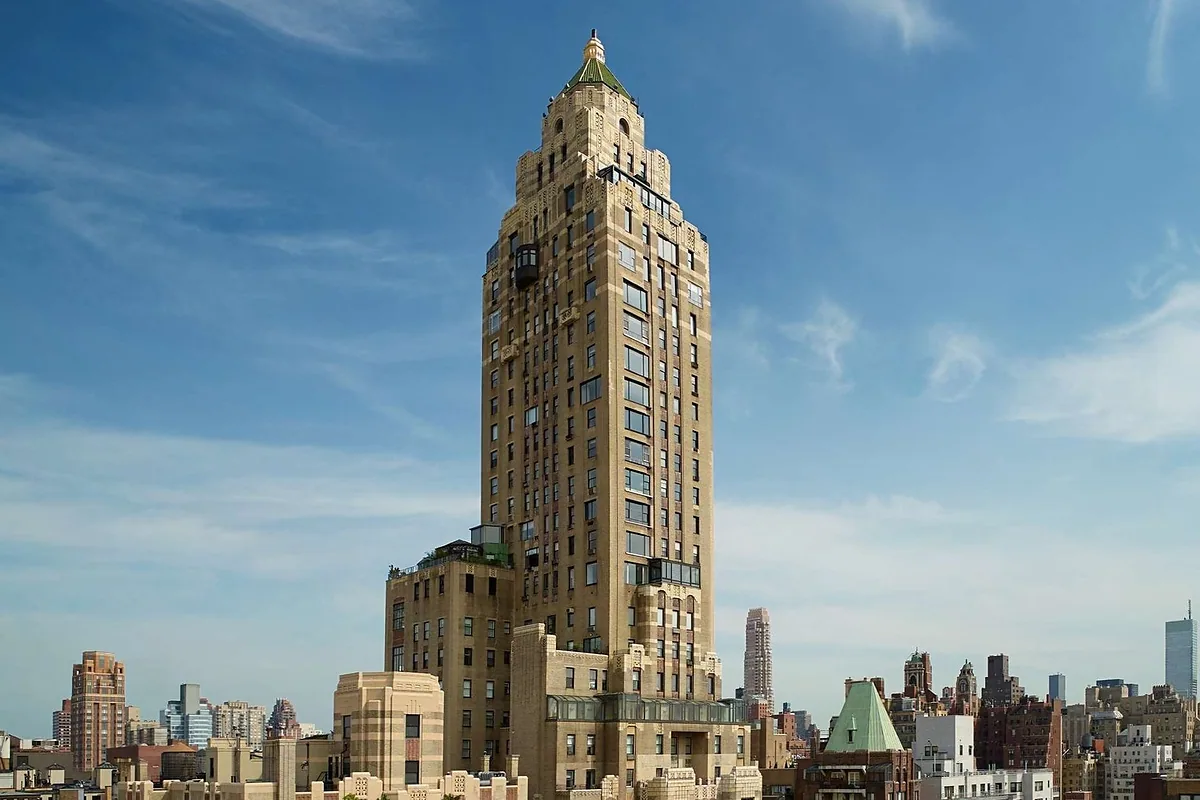
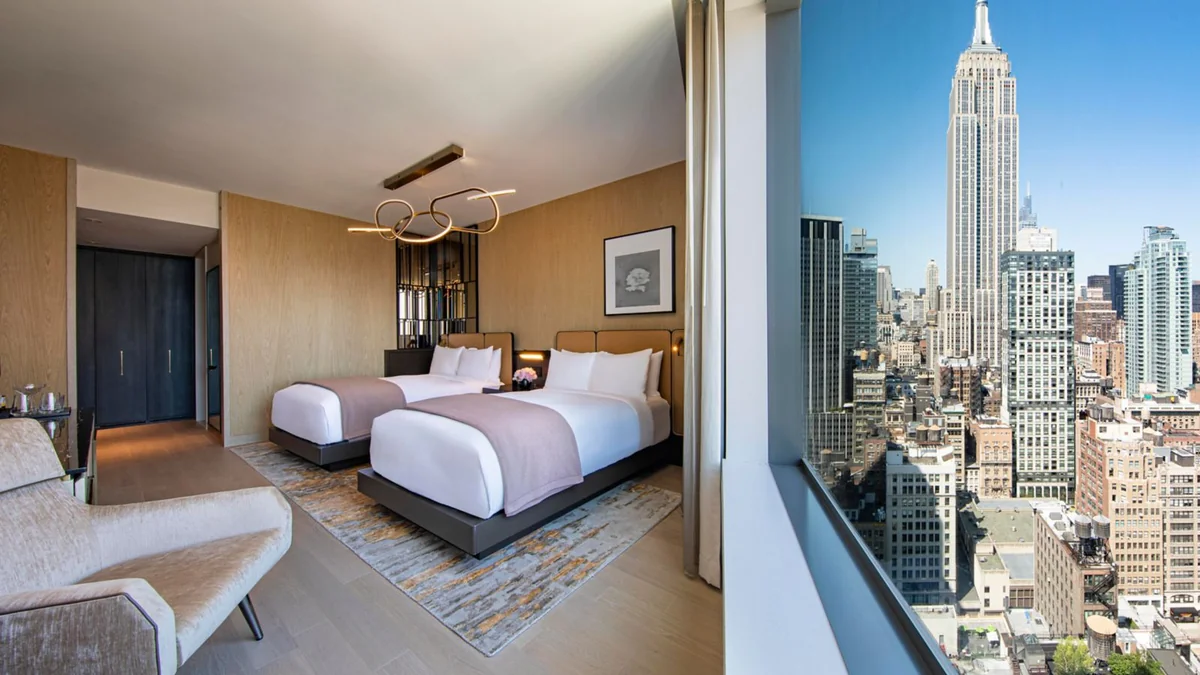
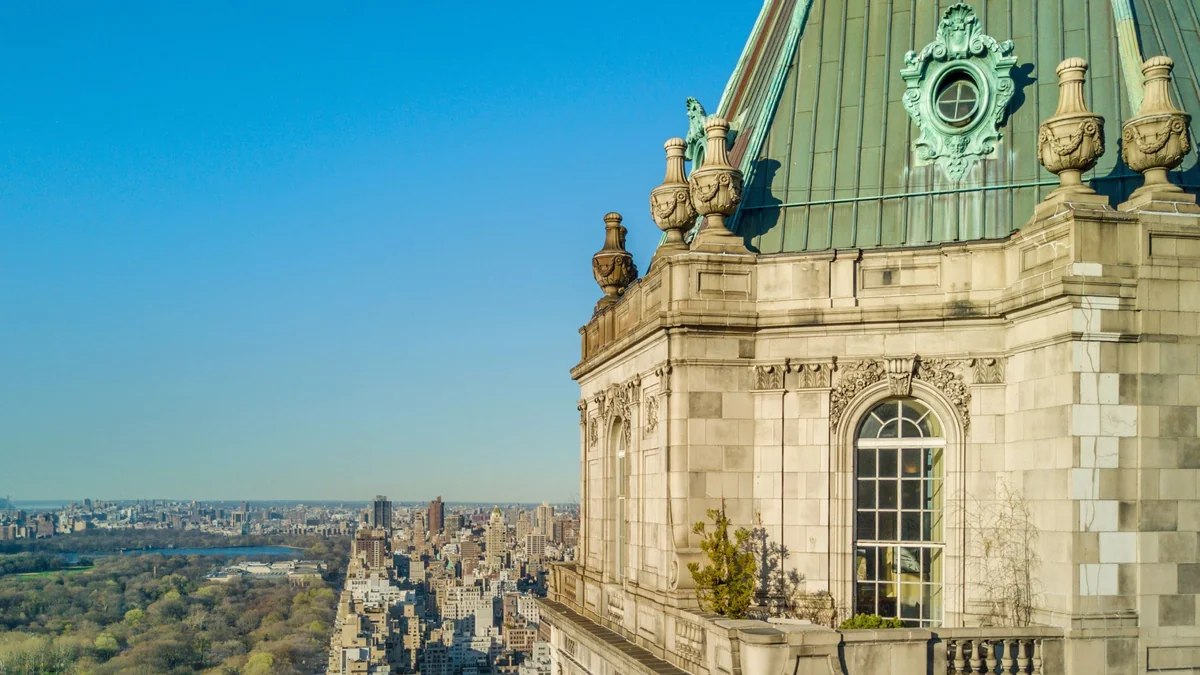
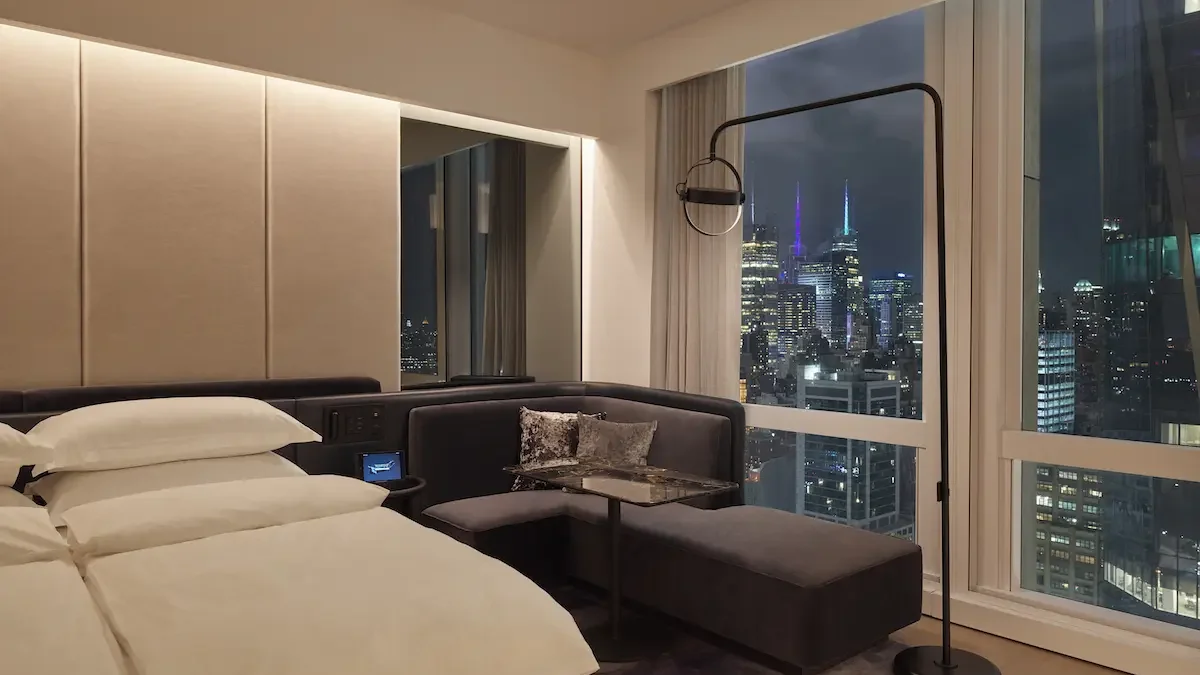
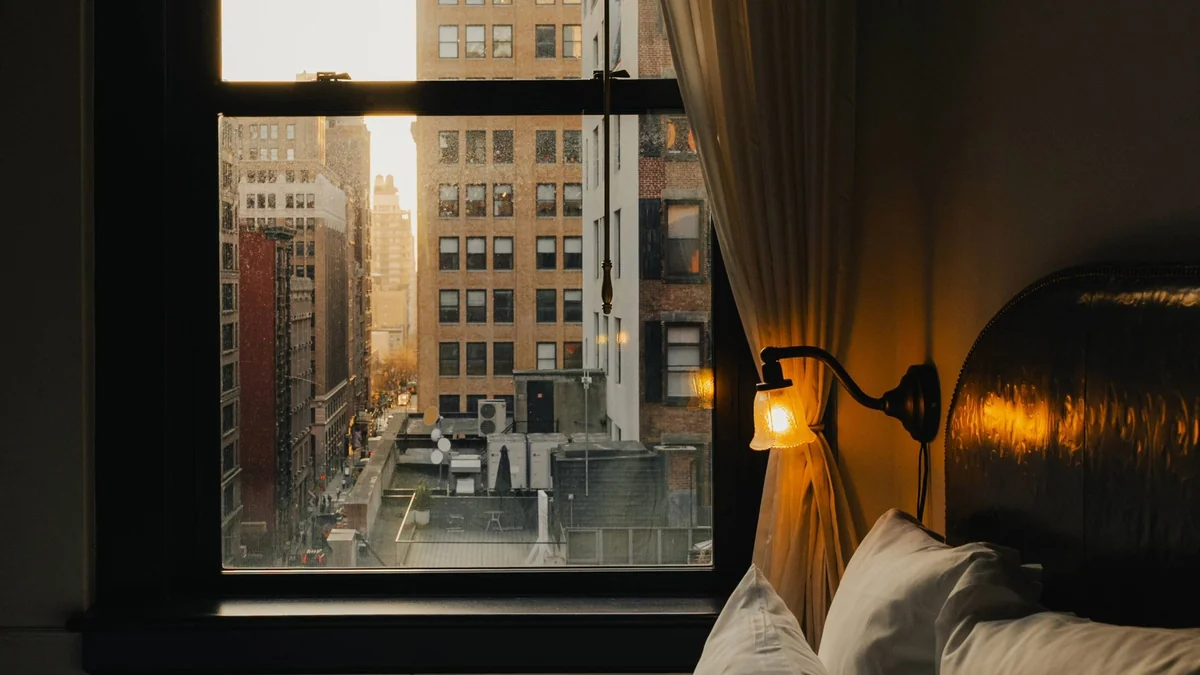
Check what the view actually is before you pay for it. Older landmark buildings cannot give you a skyline, and newer towers cannot give you a courtyard. The Ritz-Carlton NoMad has floor to ceiling grid views from every room because it is new glass. The Greenwich Hotel has almost none, because Tribeca around it is low rise. Neither is a fault, but one of them will disappoint you if you booked expecting the other.
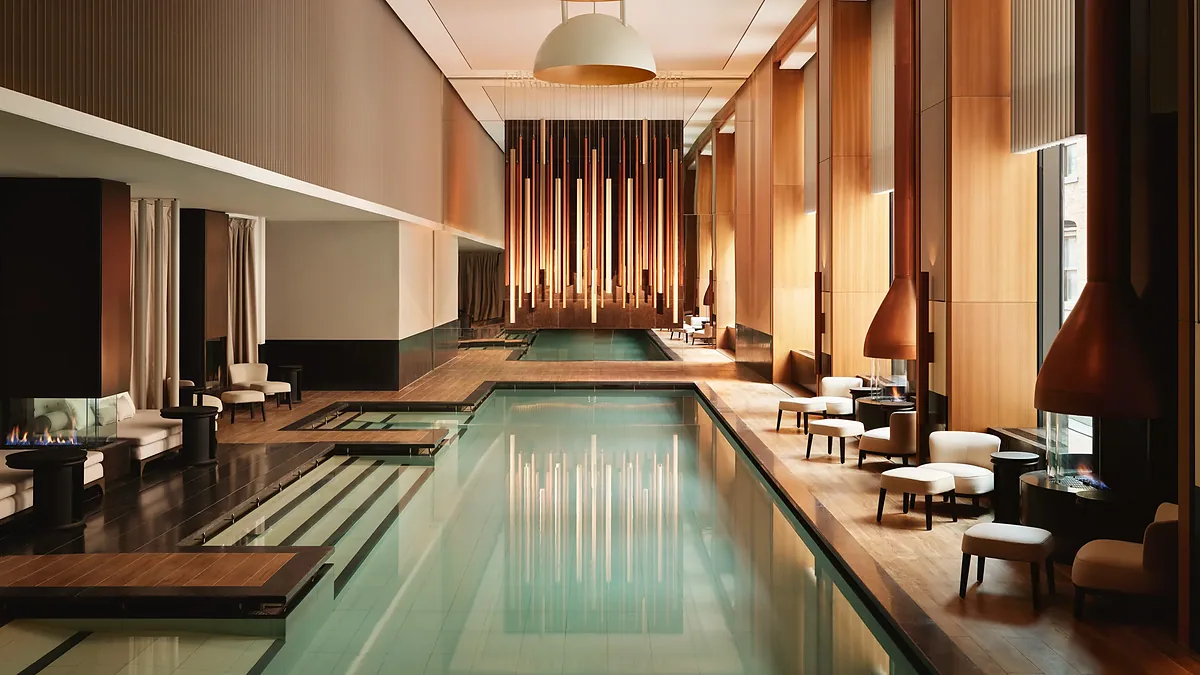
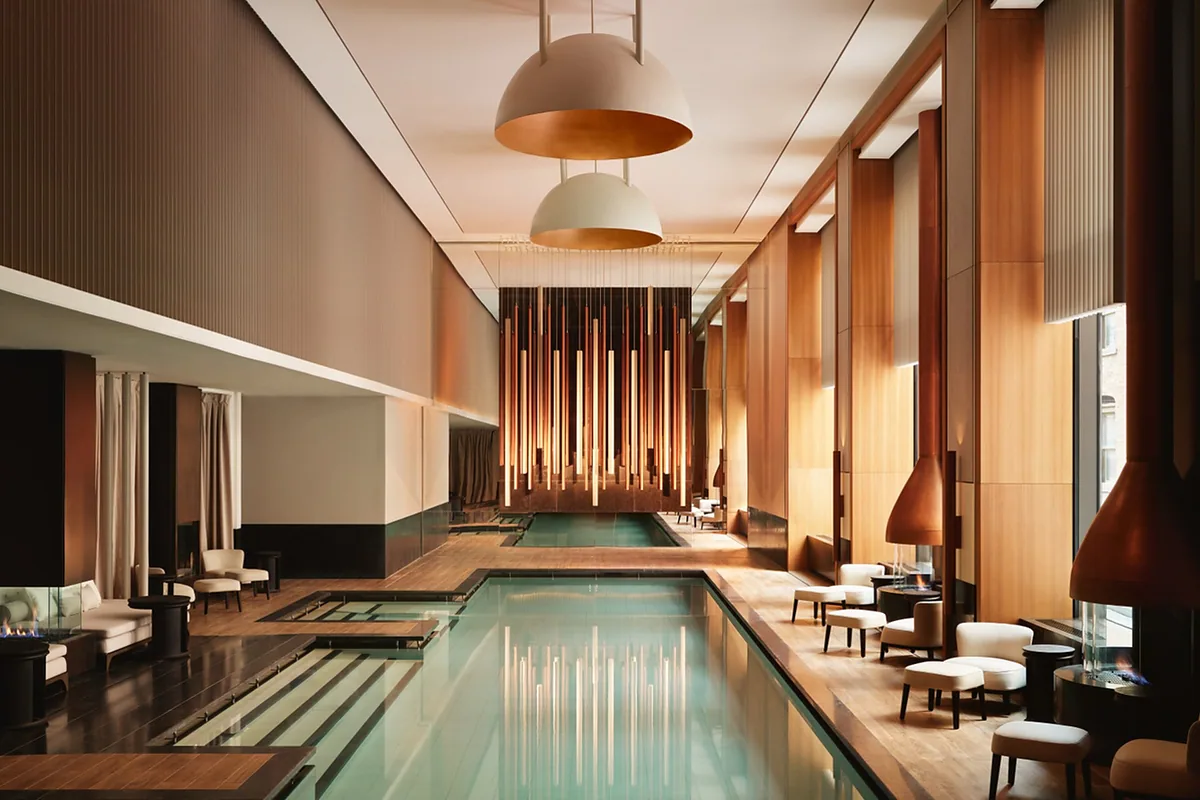
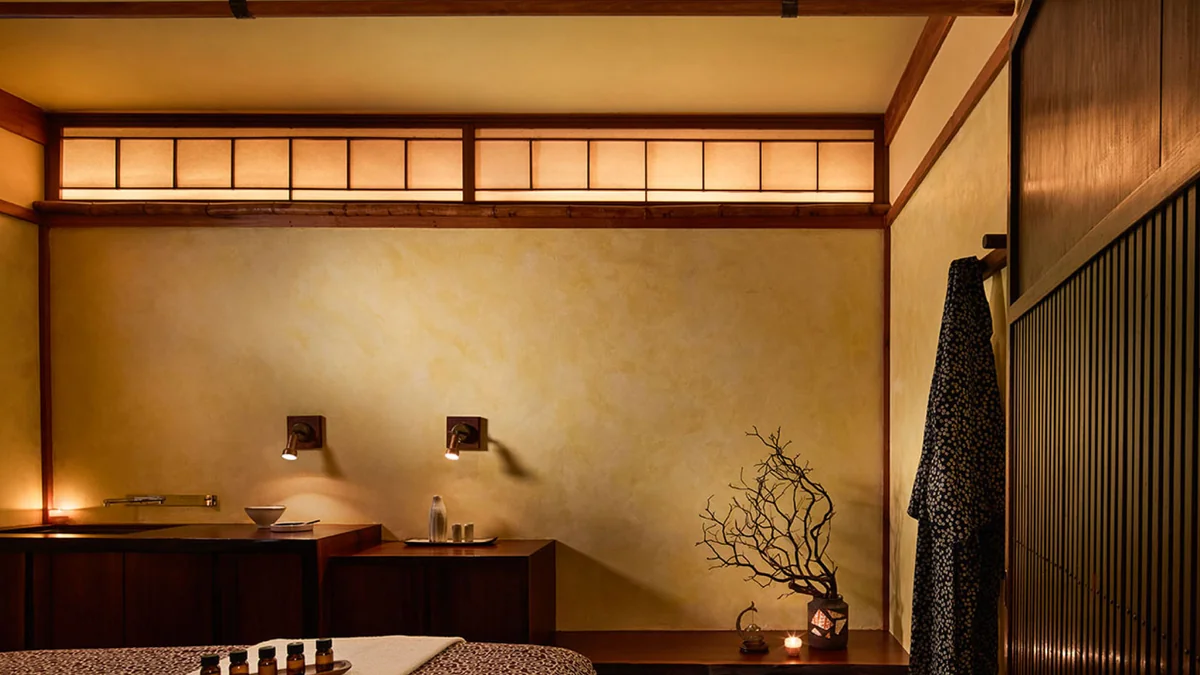
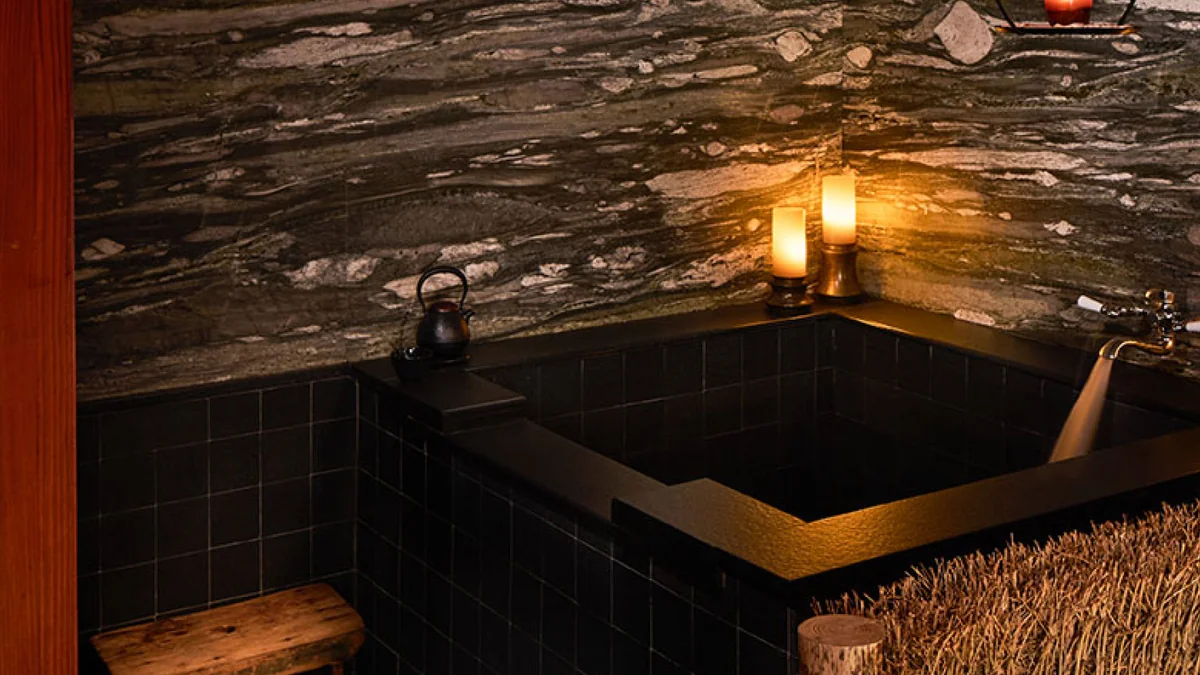
Wellness is the real dividing line in 2026. Two hotels here are built around it and the rest are not. Aman has 25,000 square feet of spa over three floors. Equinox Hotel New York hands you a 60,000 square foot club, cryotherapy and rooms engineered for sleep. Everywhere else, including The St. Regis, the spa is a small room with a table in it.
Autumn is the best time and the most expensive. Late September and October give you clear light, 19 to 25 degrees and the parks turning. They also give you the highest rates of the year alongside December. January and February are cold, cheap and, if you can stand it, the best value trip in this guide by a wide margin.
The rate you are quoted is not the rate you pay. New York adds 14.75 percent in state and city tax to every room night, plus an occupancy charge of roughly USD$4 a night, and several hotels then add a destination fee of USD$25 to USD$45 covering wifi, a minibar credit and gym access. Read the fine print before you commit. Between tax and fees, a headline rate can rise by close to 20 percent by the time you check out.
Getting in from the airport is a decision worth five minutes. A yellow cab from JFK is a flat USD$70 plus tolls and tip, and takes 45 to 70 minutes to Midtown depending on the hour. LaGuardia is the closest at 20 to 40 minutes and the cheapest of the three. Newark is quickest for Downtown and the Hudson Yards side of Midtown. The sleeper pick is the AirTrain and the LIRR from JFK into Grand Central, around USD$15 and about 40 minutes with no traffic to sit in.
Tipping is not optional and the staff notice when it is missing. Bellman, USD$2 to USD$5 a bag. Housekeeping, USD$5 a night, left daily rather than in one lump at the end, because the person who cleaned your room on Tuesday may not be there on Friday. Doorman, a dollar or two for hailing a taxi. Concierge, USD$10 to USD$20 for a difficult reservation and more if it was genuinely impossible without them. In restaurants, 20 percent is the floor and 25 percent is what exceptional service earns.
Booking direct rarely beats Booking.com here. Most of these ten match their rates across channels, and on a two or three night stay the chain loyalty programme gives you very little back. Genius pricing and the flexibility of a free cancellation rate usually make Booking.com the cleaner option unless you are chasing status nights with a specific group. Every rate on this page was checked live against the property's own site before publishing, and where direct was cheaper I have said so in the review.